Dec 19, 2025
Dec 19, 2025
Dec 19, 2025
Designing Desire: How Gentle Monster is Redefining Brand Experience
Designing Desire: How Gentle Monster is Redefining Brand Experience
Designing Desire: How Gentle Monster is Redefining Brand Experience
Fashion
Fashion
Fashion
Designing Desire: How Gentle Monster is Redefining Brand Experience
Designing Desire: How Gentle Monster is Redefining Brand Experience
Designing Desire: How Gentle Monster is Redefining Brand Experience
by
by
by
L’essence Studios Editorial HQ
L’essence Studios Editorial HQ
L’essence Studios Editorial HQ
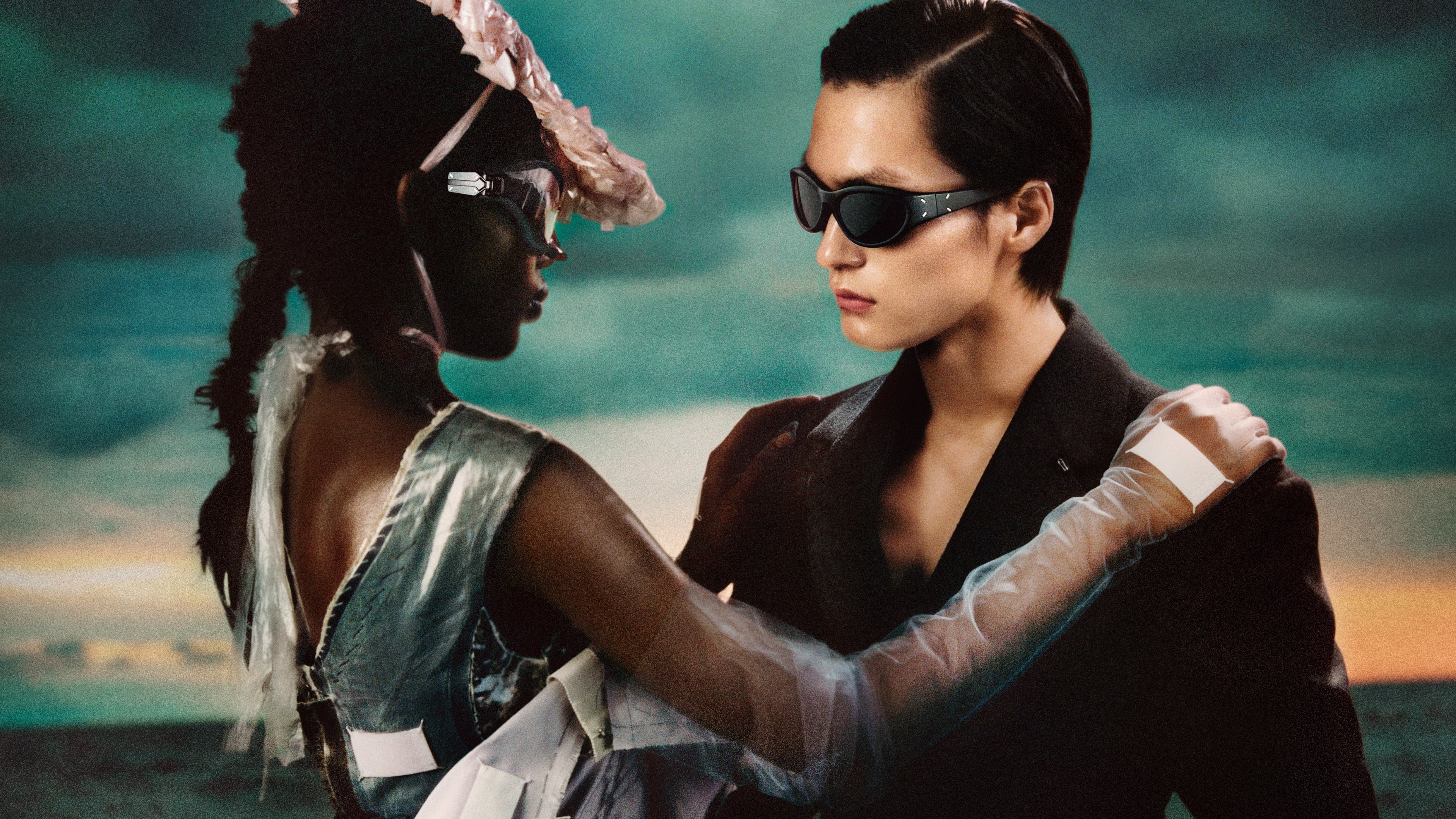
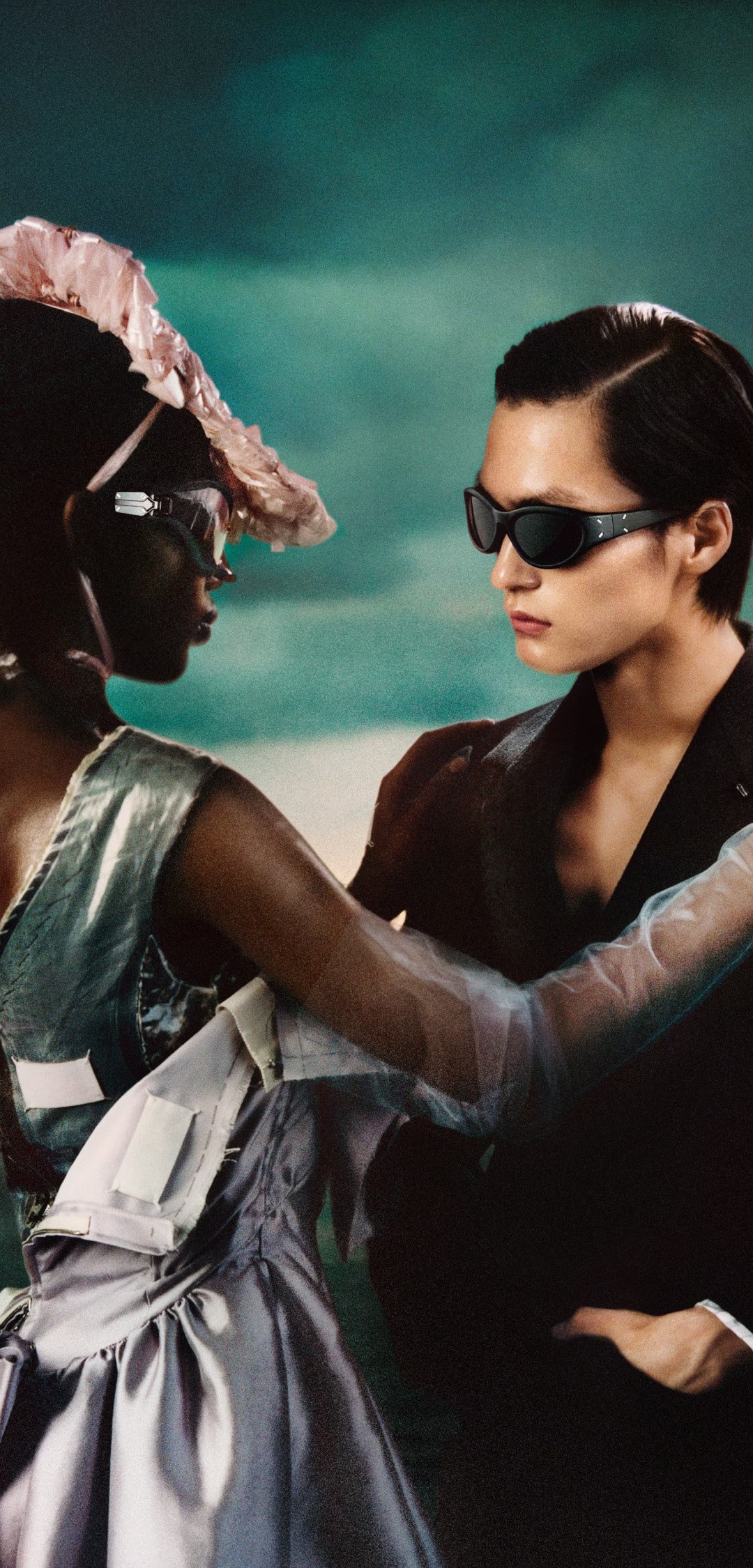
Courtesy of Gentle Monster.
Courtesy of Gentle Monster.
Courtesy of Gentle Monster.
Dec 19, 2025
Dec 19, 2025
Dec 19, 2025
In the rapidly growing yet historically conform landscape of luxury eyewear, Gentle Monster has emerged unique brand intent on defying expectations. Having carved out a world entirely its own, it fuses creativity, commerce, and culture into a philosophy that transcends the notions of luxury markets. Through avant-garde retail concepts, concept-driven collaborations, and a distinct understanding of contemporary consumer psychology, Gentle Monster illustrates how creative risk-taking and strategic coherence can redefine brand building in the modern era.
In the rapidly growing yet historically conform landscape of luxury eyewear, Gentle Monster has emerged unique brand intent on defying expectations. Having carved out a world entirely its own, it fuses creativity, commerce, and culture into a philosophy that transcends the notions of luxury markets. Through avant-garde retail concepts, concept-driven collaborations, and a distinct understanding of contemporary consumer psychology, Gentle Monster illustrates how creative risk-taking and strategic coherence can redefine brand building in the modern era.
In the rapidly growing yet historically conform landscape of luxury eyewear, Gentle Monster has emerged unique brand intent on defying expectations. Having carved out a world entirely its own, it fuses creativity, commerce, and culture into a philosophy that transcends the notions of luxury markets. Through avant-garde retail concepts, concept-driven collaborations, and a distinct understanding of contemporary consumer psychology, Gentle Monster illustrates how creative risk-taking and strategic coherence can redefine brand building in the modern era.
Share
Acknowledging and Leveraging Domestic Market Dynamics
Acknowledging and Leveraging Domestic Market Dynamics
Acknowledging and Leveraging Domestic Market Dynamics
Gentle Monster was founded in South Korea on the premise of designing eyewear that catered towards Asian facial structures and beauty standards, addressing a market gap where frames were historically tailored for Western features. Yet the brand’s ambitions extended far beyond ergonomic correction; it sought a cultural recalibration. From the outset, Gentle Monster positioned itself at the intersection of “gentle” comfort and “monster” audacity, articulating a design philosophy rooted in “weird beauty” and high-concept experimentation.
By identifying a conspicuous yet neglected space within the eyewear industry and responding to what consumers truly yearned for, Gentle Monster was able to establish solid ground on which its business could flourish. Its avant-garde sensibility became both its signature and its shield, forming a moat of distinction around its growing empire. Grounded in an astute understanding of its home market, Gentle Monster offered a satisfactory yet dynamically capable solution that could be scaled and transformed to also fit dissimilar markets.
Beyond its founding principles, Gentle Monster astutely leveraged both the nuances of its domestic market and the evolution of that market itself. This strategic grounding – often viewed as essential for any brand seeking legitimacy within its own borders – became the foundation upon which Gentle Monster built its global ascent. Yet the brand had never been one to conform to expectations. From the very beginning, it selectively embraced certain conventions while deliberately defying others, curating its own lexicon of norms and aesthetics. Its avant-garde philosophy thrived on this duality: embracing certain proven tenets of Korean retail innovation for strategic advantage, while simultaneously distancing itself from tradition to cultivate an edge that felt both rebellious and refined. Through this calculated balance, Gentle Monster began transforming the act of eyewear design, and indeed retail itself, into a stage for conceptual experimentation that still remained grounded in core marketing principles.
Gentle Monster was founded in South Korea on the premise of designing eyewear that catered towards Asian facial structures and beauty standards, addressing a market gap where frames were historically tailored for Western features. Yet the brand’s ambitions extended far beyond ergonomic correction; it sought a cultural recalibration. From the outset, Gentle Monster positioned itself at the intersection of “gentle” comfort and “monster” audacity, articulating a design philosophy rooted in “weird beauty” and high-concept experimentation.
By identifying a conspicuous yet neglected space within the eyewear industry and responding to what consumers truly yearned for, Gentle Monster was able to establish solid ground on which its business could flourish. Its avant-garde sensibility became both its signature and its shield, forming a moat of distinction around its growing empire. Grounded in an astute understanding of its home market, Gentle Monster offered a satisfactory yet dynamically capable solution that could be scaled and transformed to also fit dissimilar markets.
Beyond its founding principles, Gentle Monster astutely leveraged both the nuances of its domestic market and the evolution of that market itself. This strategic grounding – often viewed as essential for any brand seeking legitimacy within its own borders – became the foundation upon which Gentle Monster built its global ascent. Yet the brand had never been one to conform to expectations. From the very beginning, it selectively embraced certain conventions while deliberately defying others, curating its own lexicon of norms and aesthetics. Its avant-garde philosophy thrived on this duality: embracing certain proven tenets of Korean retail innovation for strategic advantage, while simultaneously distancing itself from tradition to cultivate an edge that felt both rebellious and refined. Through this calculated balance, Gentle Monster began transforming the act of eyewear design, and indeed retail itself, into a stage for conceptual experimentation that still remained grounded in core marketing principles.
Gentle Monster was founded in South Korea on the premise of designing eyewear that catered towards Asian facial structures and beauty standards, addressing a market gap where frames were historically tailored for Western features. Yet the brand’s ambitions extended far beyond ergonomic correction; it sought a cultural recalibration. From the outset, Gentle Monster positioned itself at the intersection of “gentle” comfort and “monster” audacity, articulating a design philosophy rooted in “weird beauty” and high-concept experimentation.
By identifying a conspicuous yet neglected space within the eyewear industry and responding to what consumers truly yearned for, Gentle Monster was able to establish solid ground on which its business could flourish. Its avant-garde sensibility became both its signature and its shield, forming a moat of distinction around its growing empire. Grounded in an astute understanding of its home market, Gentle Monster offered a satisfactory yet dynamically capable solution that could be scaled and transformed to also fit dissimilar markets.
Beyond its founding principles, Gentle Monster astutely leveraged both the nuances of its domestic market and the evolution of that market itself. This strategic grounding – often viewed as essential for any brand seeking legitimacy within its own borders – became the foundation upon which Gentle Monster built its global ascent. Yet the brand had never been one to conform to expectations. From the very beginning, it selectively embraced certain conventions while deliberately defying others, curating its own lexicon of norms and aesthetics. Its avant-garde philosophy thrived on this duality: embracing certain proven tenets of Korean retail innovation for strategic advantage, while simultaneously distancing itself from tradition to cultivate an edge that felt both rebellious and refined. Through this calculated balance, Gentle Monster began transforming the act of eyewear design, and indeed retail itself, into a stage for conceptual experimentation that still remained grounded in core marketing principles.
"I am fascinated with creating something that no one can dare to envision."
– Hankook Kim, Founder and Creative Director of Gentle Monster
"I am fascinated with creating something that no one can dare to envision."
– Hankook Kim, Founder and Creative Director of Gentle Monster
Courtesy of Gentle Monster.
Courtesy of Gentle Monster.
Courtesy of Gentle Monster.
Cultural Phenomena as Marketing Instruments
Cultural Phenomena as Marketing Instruments
Cultural Phenomena as Marketing Instruments
One such principle was that of photobooth culture. Originating in Japan during the 1990s under the name purikura (プリクラ), photo sticker booths started garnering wide appeal across East Asia as time progressed. In South Korea, the trend saw a surge in popularity following the pandemic, offering a safe yet interactive way to capture memories with others.
Recognizing the cultural potency of this phenomenon, several brands – including Gentle Monster – started to integrate photobooths and similar installations into their boutiques and pop-ups. These activations serve a dual purpose: enriching the customer experience while generating invaluable organic visibility. Rather than positioning the store as a site of transaction, photobooth culture helps to transform stores into spaces of social engagement where visitors can partake in moments of connection that transcend mere commerce. Those experiences can, through installations such as photobooths, be materialized into photographs imbued with emotion and memory rather than overt branding, thus becoming inherently shareable. Whether through social media or word of mouth, they perpetuate a cycle of authentic, peer-driven promotion. The result is a self-sustaining cycle of engagement, in which storytelling, product placement, and emotional connection intertwine seamlessly.
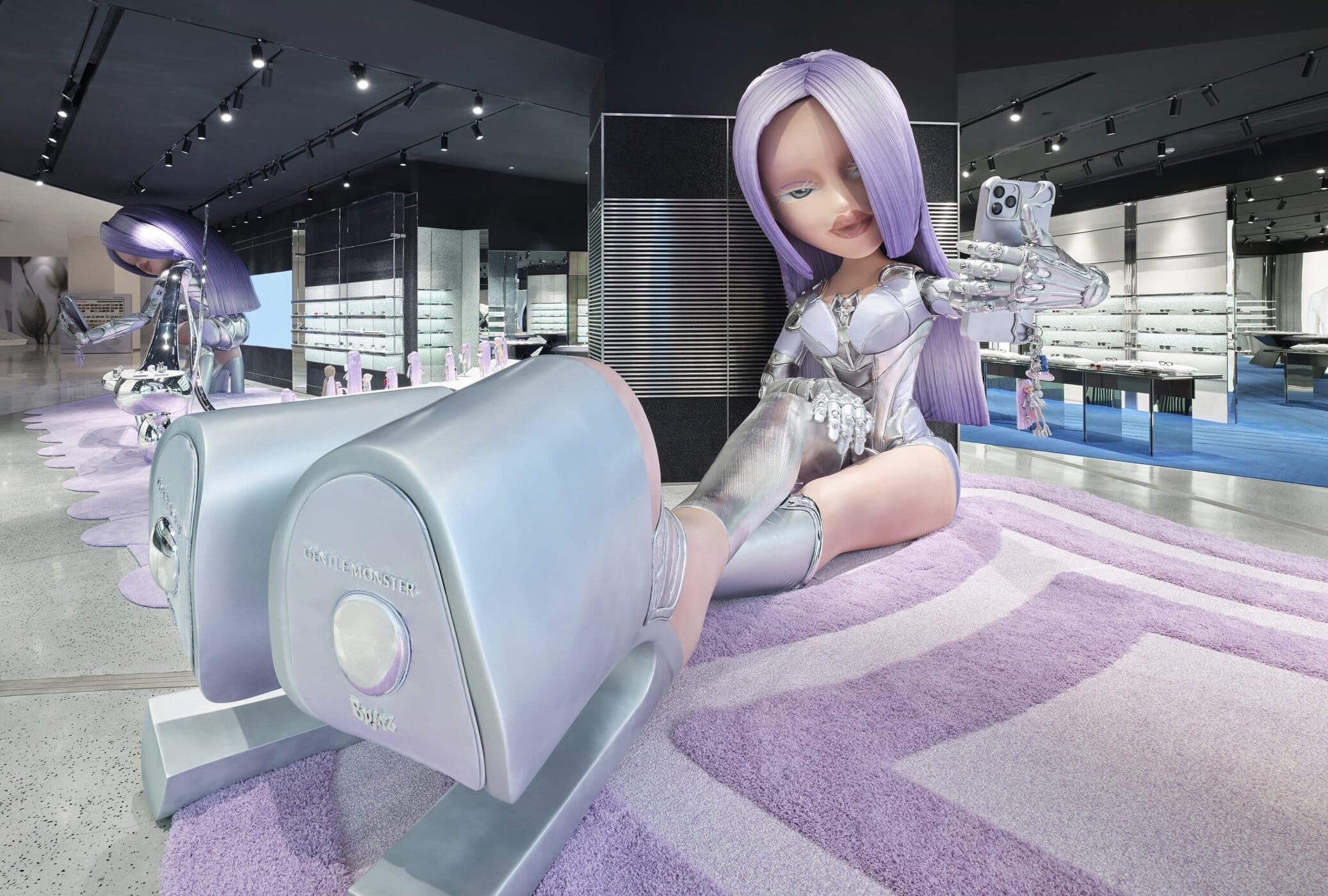
Gentle Monster has leveraged this dynamic with particular ingenuity. In its collaboration with Bratz, the brand introduced an “AI Transformation” booth – a modern reinterpretation of the photobooth concept that seamlessly merged both brands’ aesthetics. The installation not only introduced yet another interactive element to its stores, but also cultivated shareability through the personalized and futuristic experience.
Beyond their viral appeal, photobooths and similar installations hold deeper psychological value. By inviting guests to try on eyewear while capturing their images, the brand engages what behavioral economists call the endowment effect. When people are given the opportunity to touch or interact with a product, their brain begins to register a sense of ownership, and as per the endowment effect, the more it feels like you own something, the more you tend to value it. Hence, if a company allows its visitors to touch, wear, and interact with its products, it thereby boosts their desire to actually own them, increasing the likelihood of a purchase. The effect also swings the other way by making people more reluctant to “give up” a product they have interacted with – increasingly so as time spent with it increases.
One such principle was that of photobooth culture. Originating in Japan during the 1990s under the name purikura (プリクラ), photo sticker booths started garnering wide appeal across East Asia as time progressed. In South Korea, the trend saw a surge in popularity following the pandemic, offering a safe yet interactive way to capture memories with others.
Recognizing the cultural potency of this phenomenon, several brands – including Gentle Monster – started to integrate photobooths and similar installations into their boutiques and pop-ups. These activations serve a dual purpose: enriching the customer experience while generating invaluable organic visibility. Rather than positioning the store as a site of transaction, photobooth culture helps to transform stores into spaces of social engagement where visitors can partake in moments of connection that transcend mere commerce. Those experiences can, through installations such as photobooths, be materialized into photographs imbued with emotion and memory rather than overt branding, thus becoming inherently shareable. Whether through social media or word of mouth, they perpetuate a cycle of authentic, peer-driven promotion. The result is a self-sustaining cycle of engagement, in which storytelling, product placement, and emotional connection intertwine seamlessly.
Gentle Monster has leveraged this dynamic with particular ingenuity. In its collaboration with Bratz, the brand introduced an “AI Transformation” booth – a modern reinterpretation of the photobooth concept that seamlessly merged both brands’ aesthetics. The installation not only introduced yet another interactive element to its stores, but also cultivated shareability through the personalized and futuristic experience.
Beyond their viral appeal, photobooths and similar installations hold deeper psychological value. By inviting guests to try on eyewear while capturing their images, the brand engages what behavioral economists call the endowment effect. When people are given the opportunity to touch or interact with a product, their brain begins to register a sense of ownership, and as per the endowment effect, the more it feels like you own something, the more you tend to value it. Hence, if a company allows its visitors to touch, wear, and interact with its products, it thereby boosts their desire to actually own them, increasing the likelihood of a purchase. The effect also swings the other way by making people more reluctant to “give up” a product they have interacted with – increasingly so as time spent with it increases.
One such principle was that of photobooth culture. Originating in Japan during the 1990s under the name purikura (プリクラ), photo sticker booths started garnering wide appeal across East Asia as time progressed. In South Korea, the trend saw a surge in popularity following the pandemic, offering a safe yet interactive way to capture memories with others.
Recognizing the cultural potency of this phenomenon, several brands – including Gentle Monster – started to integrate photobooths and similar installations into their boutiques and pop-ups. These activations serve a dual purpose: enriching the customer experience while generating invaluable organic visibility. Rather than positioning the store as a site of transaction, photobooth culture helps to transform stores into spaces of social engagement where visitors can partake in moments of connection that transcend mere commerce. Those experiences can, through installations such as photobooths, be materialized into photographs imbued with emotion and memory rather than overt branding, thus becoming inherently shareable. Whether through social media or word of mouth, they perpetuate a cycle of authentic, peer-driven promotion. The result is a self-sustaining cycle of engagement, in which storytelling, product placement, and emotional connection intertwine seamlessly.
Gentle Monster has leveraged this dynamic with particular ingenuity. In its collaboration with Bratz, the brand introduced an “AI Transformation” booth – a modern reinterpretation of the photobooth concept that seamlessly merged both brands’ aesthetics. The installation not only introduced yet another interactive element to its stores, but also cultivated shareability through the personalized and futuristic experience.
Beyond their viral appeal, photobooths and similar installations hold deeper psychological value. By inviting guests to try on eyewear while capturing their images, the brand engages what behavioral economists call the endowment effect. When people are given the opportunity to touch or interact with a product, their brain begins to register a sense of ownership, and as per the endowment effect, the more it feels like you own something, the more you tend to value it. Hence, if a company allows its visitors to touch, wear, and interact with its products, it thereby boosts their desire to actually own them, increasing the likelihood of a purchase. The effect also swings the other way by making people more reluctant to “give up” a product they have interacted with – increasingly so as time spent with it increases.
Courtesy of Gentle Monster.
Courtesy of Gentle Monster.
Courtesy of Gentle Monster.
Courtesy of Gentle Monster.
Courtesy of Gentle Monster.
Courtesy of Gentle Monster.
The Strategic Functions of Experiential Retail
The Strategic Functions of Experiential Retail
The Strategic Functions of Experiential Retail
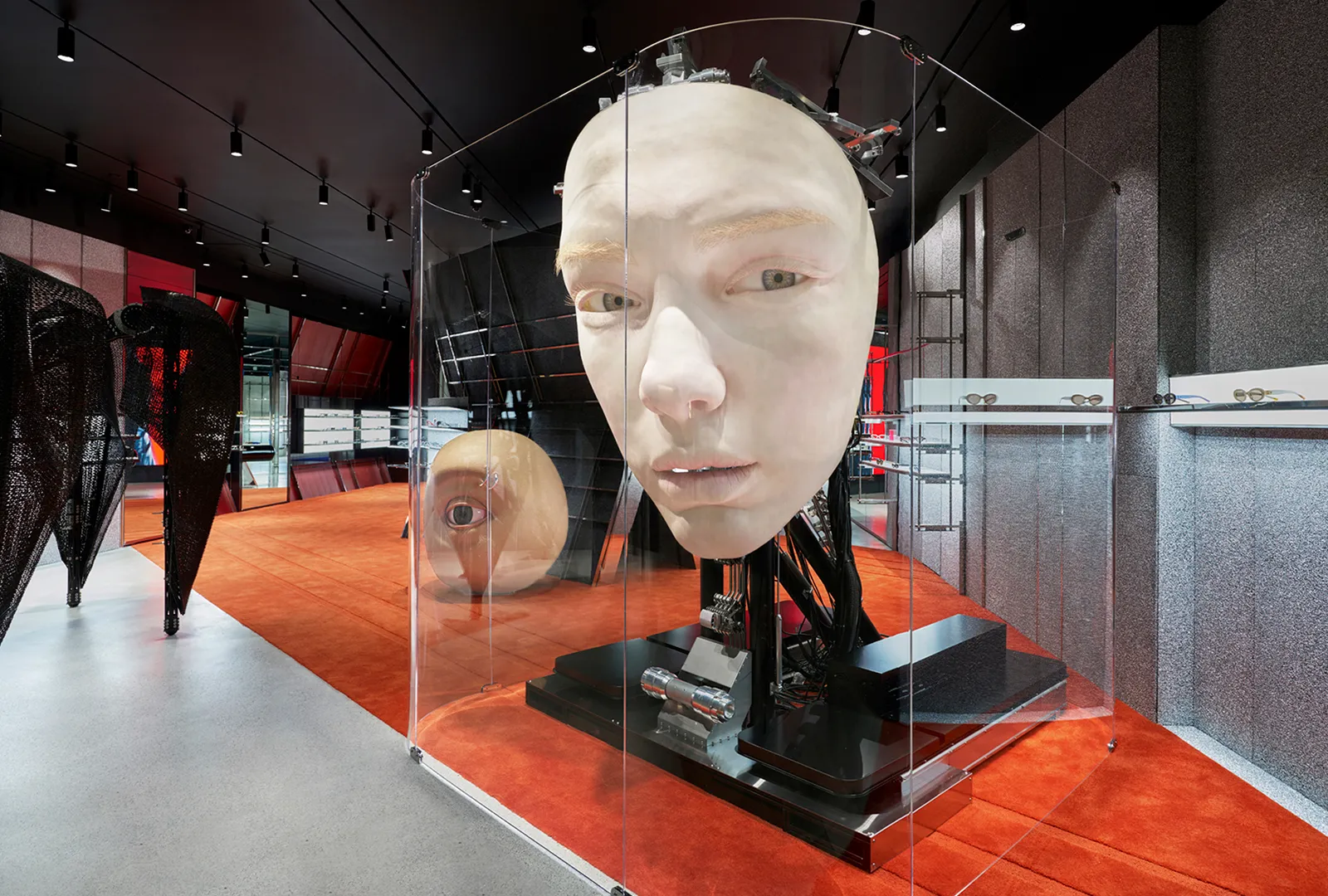
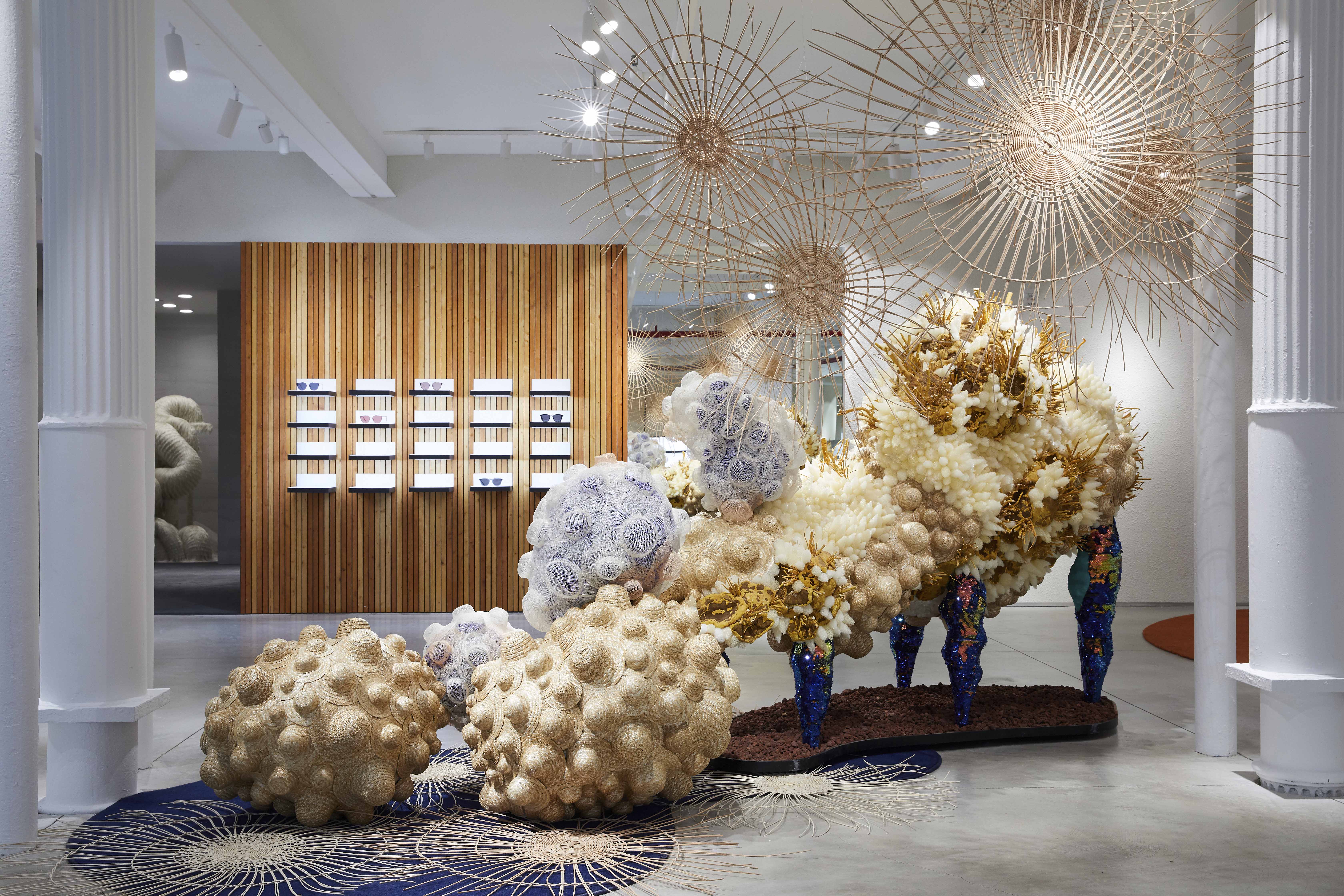
Building upon the previously discussed psychological phenomena of the endowment effect and evaluative conditioning, Gentle Monster makes sure to leverage them to the fullest, embracing them beyond photobooths. Its stores are designed not merely as retail spaces but as tactile arenas – environments that invite touch, exploration, and interaction. In stark contrast to conventional eyewear boutiques, where frames are often locked behind glass and accessed only through staff mediation, Gentle Monster’s boutiques encourage unrestricted autonomy. Visitors are free to explore, to pick up, and to feel, establishing their own personal dialogue with the products.
This approach further incentivises the redefinition of shopping from transactional to relational. Rather than fostering a rigid, sales-driven atmosphere, Gentle Monster cultivates one where customers can form a personal connection with its creations at their own rhythm.This further incentivizes customers to engage physically with the brand’s products, strengthening the likelihood of purchase in accordance with the endowment effect. Such an environment also reframes shopping as an experience rather than a task. Among many customer groups – particularly those within younger demographics – visiting stores, browsing items, and purchasing products is considered a social activity. Open-display spaces encourage people to explore the wonders of a brand together, transforming the act of trying different products and sharing opinions into a collective, pressure-free experience. As such, stores of this nature allow evaluative conditioning to flourish, unimpeded by physical or psychological barriers.
The design of Gentle Monster’s stores also differentiates itself through other practices, the most notable being the avant-garde spirit that permeates the brand’s design language and spatial concepts. In contrast to many Western companies, Gentle Monster – along with several other East Asian brands – designs its stores to transform its brand ethos into an experience embellished by the product, rather than making the products themselves the focal point. The experience becomes the product, and the products become souvenirs of it. This philosophy is rooted in the idea that what customers admire most is the brand’s concept and aesthetic, with the products acting as tangible manifestations of that vision. As such, the stores of these brands evolve from mere display units for merchandise into immersive expressions of the brands themselves. Gentle Monster absorbs this ideology by clearly defining what their brand ethos is and making that their canvas. The canvas might be limited by its borders, but within them is no ceiling for how it can be conveyed creatively. By clearly articulating what the brand stands for, the task becomes to lean into it fully and unapologetically position itself as the destination for that vision. In time, those who share an affinity for similar values will naturally develop an appreciation for the brand itself.
With a lucid ethos and a willingness to fully embrace an unbounded realm of creative experimentation, Gentle Monster crafts its spaces attuned to the visual language of the digital age. The brand approaches spatial design through the guiding question: “Will people film or photograph this?” Derived from a shift in perspective from merely asking whether a space is aesthetically pleasing, it yields an outcome engineered for reactions where spaces are conceived not just to be seen, but to be shared.
By curating environments, installations, and experiences that are unique, unconventional, or visually striking, Gentle Monster taps into the psychology of social sharing of emotion – the innate impulse to communicate experiences that evoke strong feelings. By cultivating spaces that elicit emotional resonance and visual intrigue, visitors feel compelled to document and share their experiences, extending them far beyond the physical boundaries of the store. Over time, the ripple effect generated through conversation and digital platforms creates a powerful instance of pull marketing, in which the curiosity and FOMO sparked by the experience itself drive others to seek it out. The result is a self-sustaining cycle of organic promotion, where both the space and the products within it gain continuous exposure without the need for direct advertising. As momentum naturally slows over time, Gentle Monster reinvigorates interest through periodic reinvention – introducing new concepts and implementation strategies to preserve the brand’s allure and cultural relevance.
On a product level, the strategy is equally deliberate. Visitors who enter the store inevitably engage with the eyewear – but Gentle Monster’s intention is not to convince them of its merit. If the design is strong, conviction arrives organically. Persuasion, after all, is fleeting; discovery endures. The brand’s true mastery lies in orchestrating the moment of realization – that intimate point where experience and product converge, and admiration instinctively turns into desire.
Building upon the previously discussed psychological phenomena of the endowment effect and evaluative conditioning, Gentle Monster makes sure to leverage them to the fullest, embracing them beyond photobooths. Its stores are designed not merely as retail spaces but as tactile arenas – environments that invite touch, exploration, and interaction. In stark contrast to conventional eyewear boutiques, where frames are often locked behind glass and accessed only through staff mediation, Gentle Monster’s boutiques encourage unrestricted autonomy. Visitors are free to explore, to pick up, and to feel, establishing their own personal dialogue with the products.
This approach further incentivises the redefinition of shopping from transactional to relational. Rather than fostering a rigid, sales-driven atmosphere, Gentle Monster cultivates one where customers can form a personal connection with its creations at their own rhythm.This further incentivizes customers to engage physically with the brand’s products, strengthening the likelihood of purchase in accordance with the endowment effect. Such an environment also reframes shopping as an experience rather than a task. Among many customer groups – particularly those within younger demographics – visiting stores, browsing items, and purchasing products is considered a social activity. Open-display spaces encourage people to explore the wonders of a brand together, transforming the act of trying different products and sharing opinions into a collective, pressure-free experience. As such, stores of this nature allow evaluative conditioning to flourish, unimpeded by physical or psychological barriers.
The design of Gentle Monster’s stores also differentiates itself through other practices, the most notable being the avant-garde spirit that permeates the brand’s design language and spatial concepts. In contrast to many Western companies, Gentle Monster – along with several other East Asian brands – designs its stores to transform its brand ethos into an experience embellished by the product, rather than making the products themselves the focal point. The experience becomes the product, and the products become souvenirs of it. This philosophy is rooted in the idea that what customers admire most is the brand’s concept and aesthetic, with the products acting as tangible manifestations of that vision. As such, the stores of these brands evolve from mere display units for merchandise into immersive expressions of the brands themselves. Gentle Monster absorbs this ideology by clearly defining what their brand ethos is and making that their canvas. The canvas might be limited by its borders, but within them is no ceiling for how it can be conveyed creatively. By clearly articulating what the brand stands for, the task becomes to lean into it fully and unapologetically position itself as the destination for that vision. In time, those who share an affinity for similar values will naturally develop an appreciation for the brand itself.
With a lucid ethos and a willingness to fully embrace an unbounded realm of creative experimentation, Gentle Monster crafts its spaces attuned to the visual language of the digital age. The brand approaches spatial design through the guiding question: “Will people film or photograph this?” Derived from a shift in perspective from merely asking whether a space is aesthetically pleasing, it yields an outcome engineered for reactions where spaces are conceived not just to be seen, but to be shared.
By curating environments, installations, and experiences that are unique, unconventional, or visually striking, Gentle Monster taps into the psychology of social sharing of emotion – the innate impulse to communicate experiences that evoke strong feelings. By cultivating spaces that elicit emotional resonance and visual intrigue, visitors feel compelled to document and share their experiences, extending them far beyond the physical boundaries of the store. Over time, the ripple effect generated through conversation and digital platforms creates a powerful instance of pull marketing, in which the curiosity and FOMO sparked by the experience itself drive others to seek it out. The result is a self-sustaining cycle of organic promotion, where both the space and the products within it gain continuous exposure without the need for direct advertising. As momentum naturally slows over time, Gentle Monster reinvigorates interest through periodic reinvention – introducing new concepts and implementation strategies to preserve the brand’s allure and cultural relevance.
On a product level, the strategy is equally deliberate. Visitors who enter the store inevitably engage with the eyewear – but Gentle Monster’s intention is not to convince them of its merit. If the design is strong, conviction arrives organically. Persuasion, after all, is fleeting; discovery endures. The brand’s true mastery lies in orchestrating the moment of realization – that intimate point where experience and product converge, and admiration instinctively turns into desire.
Building upon the previously discussed psychological phenomena of the endowment effect and evaluative conditioning, Gentle Monster makes sure to leverage them to the fullest, embracing them beyond photobooths. Its stores are designed not merely as retail spaces but as tactile arenas – environments that invite touch, exploration, and interaction. In stark contrast to conventional eyewear boutiques, where frames are often locked behind glass and accessed only through staff mediation, Gentle Monster’s boutiques encourage unrestricted autonomy. Visitors are free to explore, to pick up, and to feel, establishing their own personal dialogue with the products.
This approach further incentivises the redefinition of shopping from transactional to relational. Rather than fostering a rigid, sales-driven atmosphere, Gentle Monster cultivates one where customers can form a personal connection with its creations at their own rhythm.This further incentivizes customers to engage physically with the brand’s products, strengthening the likelihood of purchase in accordance with the endowment effect. Such an environment also reframes shopping as an experience rather than a task. Among many customer groups – particularly those within younger demographics – visiting stores, browsing items, and purchasing products is considered a social activity. Open-display spaces encourage people to explore the wonders of a brand together, transforming the act of trying different products and sharing opinions into a collective, pressure-free experience. As such, stores of this nature allow evaluative conditioning to flourish, unimpeded by physical or psychological barriers.
The design of Gentle Monster’s stores also differentiates itself through other practices, the most notable being the avant-garde spirit that permeates the brand’s design language and spatial concepts. In contrast to many Western companies, Gentle Monster – along with several other East Asian brands – designs its stores to transform its brand ethos into an experience embellished by the product, rather than making the products themselves the focal point. The experience becomes the product, and the products become souvenirs of it. This philosophy is rooted in the idea that what customers admire most is the brand’s concept and aesthetic, with the products acting as tangible manifestations of that vision. As such, the stores of these brands evolve from mere display units for merchandise into immersive expressions of the brands themselves. Gentle Monster absorbs this ideology by clearly defining what their brand ethos is and making that their canvas. The canvas might be limited by its borders, but within them is no ceiling for how it can be conveyed creatively. By clearly articulating what the brand stands for, the task becomes to lean into it fully and unapologetically position itself as the destination for that vision. In time, those who share an affinity for similar values will naturally develop an appreciation for the brand itself.
With a lucid ethos and a willingness to fully embrace an unbounded realm of creative experimentation, Gentle Monster crafts its spaces attuned to the visual language of the digital age. The brand approaches spatial design through the guiding question: “Will people film or photograph this?” Derived from a shift in perspective from merely asking whether a space is aesthetically pleasing, it yields an outcome engineered for reactions where spaces are conceived not just to be seen, but to be shared.
By curating environments, installations, and experiences that are unique, unconventional, or visually striking, Gentle Monster taps into the psychology of social sharing of emotion – the innate impulse to communicate experiences that evoke strong feelings. By cultivating spaces that elicit emotional resonance and visual intrigue, visitors feel compelled to document and share their experiences, extending them far beyond the physical boundaries of the store. Over time, the ripple effect generated through conversation and digital platforms creates a powerful instance of pull marketing, in which the curiosity and FOMO sparked by the experience itself drive others to seek it out. The result is a self-sustaining cycle of organic promotion, where both the space and the products within it gain continuous exposure without the need for direct advertising. As momentum naturally slows over time, Gentle Monster reinvigorates interest through periodic reinvention – introducing new concepts and implementation strategies to preserve the brand’s allure and cultural relevance.
On a product level, the strategy is equally deliberate. Visitors who enter the store inevitably engage with the eyewear – but Gentle Monster’s intention is not to convince them of its merit. If the design is strong, conviction arrives organically. Persuasion, after all, is fleeting; discovery endures. The brand’s true mastery lies in orchestrating the moment of realization – that intimate point where experience and product converge, and admiration instinctively turns into desire.
Courtesy of Gentle Monster.
Courtesy of Gentle Monster.
Courtesy of Gentle Monster.
Courtesy of Gentle Monster.
Courtesy of Gentle Monster.
Courtesy of Gentle Monster.
Collaboration as Creative Currency
Collaboration as Creative Currency
Collaboration as Creative Currency
Collaborations between brands and influential figures have long been a cornerstone of marketing. During the 1980s and 1990s, supermodels such as Naomi Campbell, Kate Moss, and Cindy Crawford transcended their roles as mere faces of campaigns to become living embodiments of the brands they represented. Their visibility and cultural influence extended brand identities beyond products, serving as conduits to new audiences and consumer segments.
As digital culture reshaped the landscape, the mechanics of influence evolved. Social media dissolved geographical and cultural boundaries, allowing virtually anyone to cultivate a following based on individuality and authenticity. For brands, this democratization of visibility opened new frontiers. Partnerships could now reach audiences that once lay far beyond traditional marketing’s grasp, offering multidimensional exposure across global, cultural, and generational lines.
Consequently, this development also prompts points of consideration for brands. As has become the nature of social media, people are exposed to larger quantities of product advertisements, and as brand-celebrity relations grow in number, so do fanbases' encounters with them.
Yet abundance brings its own dilution. In an environment saturated with endorsements, discerning genuine affinity from contractual obligation has become a delicate task for audiences. Celebrities and influencers alike frequently engage in numerous partnerships, blurring the line between genuine endorsement and transactional advertising.
To counter this, many brands have shifted toward ambassadorships and other long-term collaborations designed to cultivate credibility through continuity. When an individual consistently aligns with a particular brand, the endorsement starts to feel less like marketing and more like shared ethos. Longevity carries sincerity, a kind of gravity that stands in contrast to the ephemerality of short-term endorsements, where such alliances quickly perish. Repetition becomes reassurance, and with each return, familiarity evolves into trust. Gradually, the collaboration transcends the mechanics of marketing to embody something closer to conviction – a mutual affirmation of identity. Such sustained associations elevate brand perception, deepen emotional resonance, and create a halo effect that endures well beyond the lifespan of the partnership.
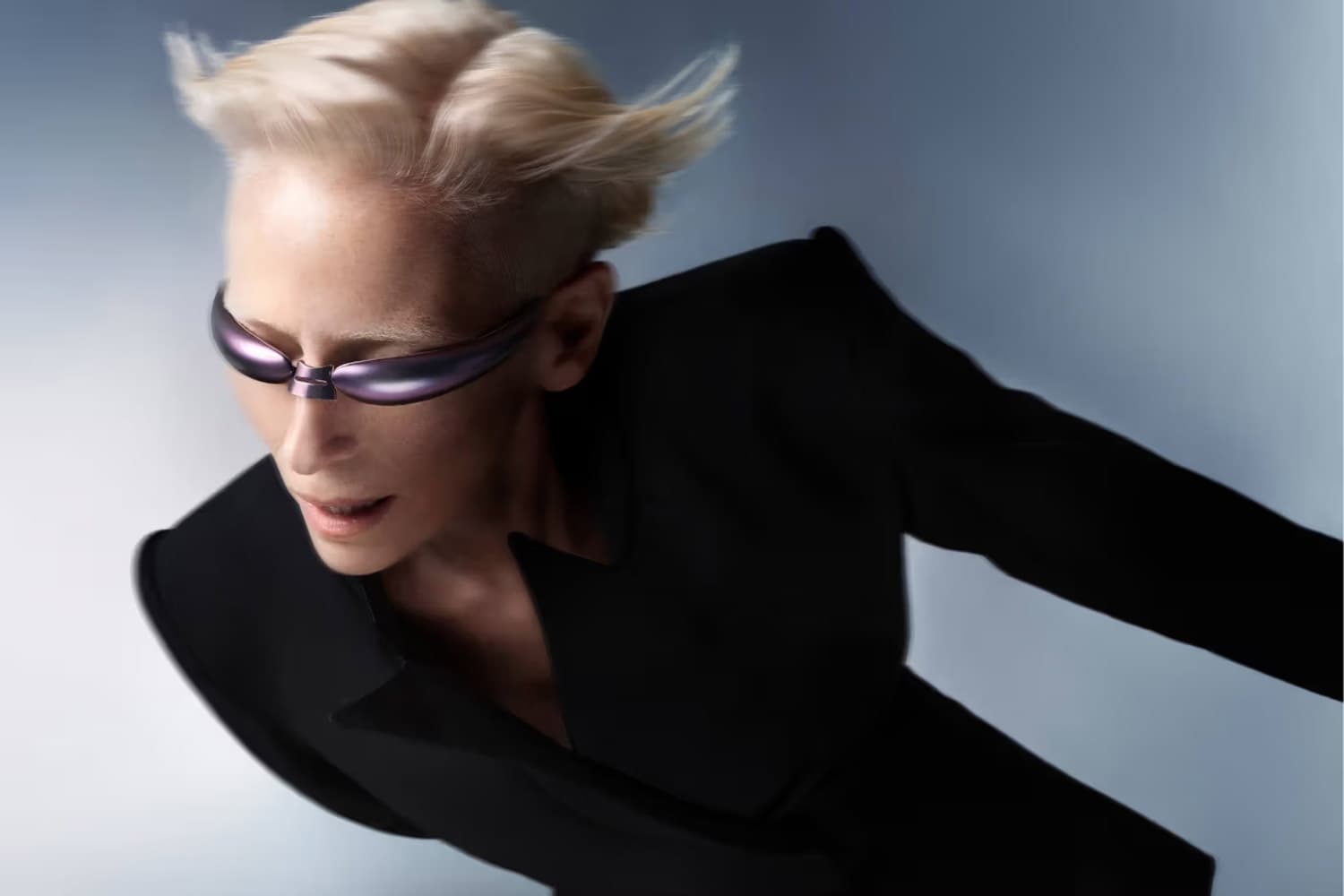
Gentle Monster has, since its early days, seen and leveraged the effects resulting from exposure to new audiences. In 2013, Korean actress Jun Ji-hyun wore the brand’s lenses in “My Love From the Star,” offering the brand its first taste of cultural ubiquity and the initial push towards the path it has since actively explored. The years that followed saw the brand expand its reach through a series of strategic partnerships with public figures and global entities, including actress Tilda Swinton, Danish designer Henrik Vibskov, Dutch furniture designer Marcel Wanders, tech corporation Huawei, and fashion labels such as Hood by Air and Opening Ceremony. Each partnership served as both a mirror and a prism – refracting Gentle Monster’s aesthetic through new cultural lenses while expanding its reach across disciplines.
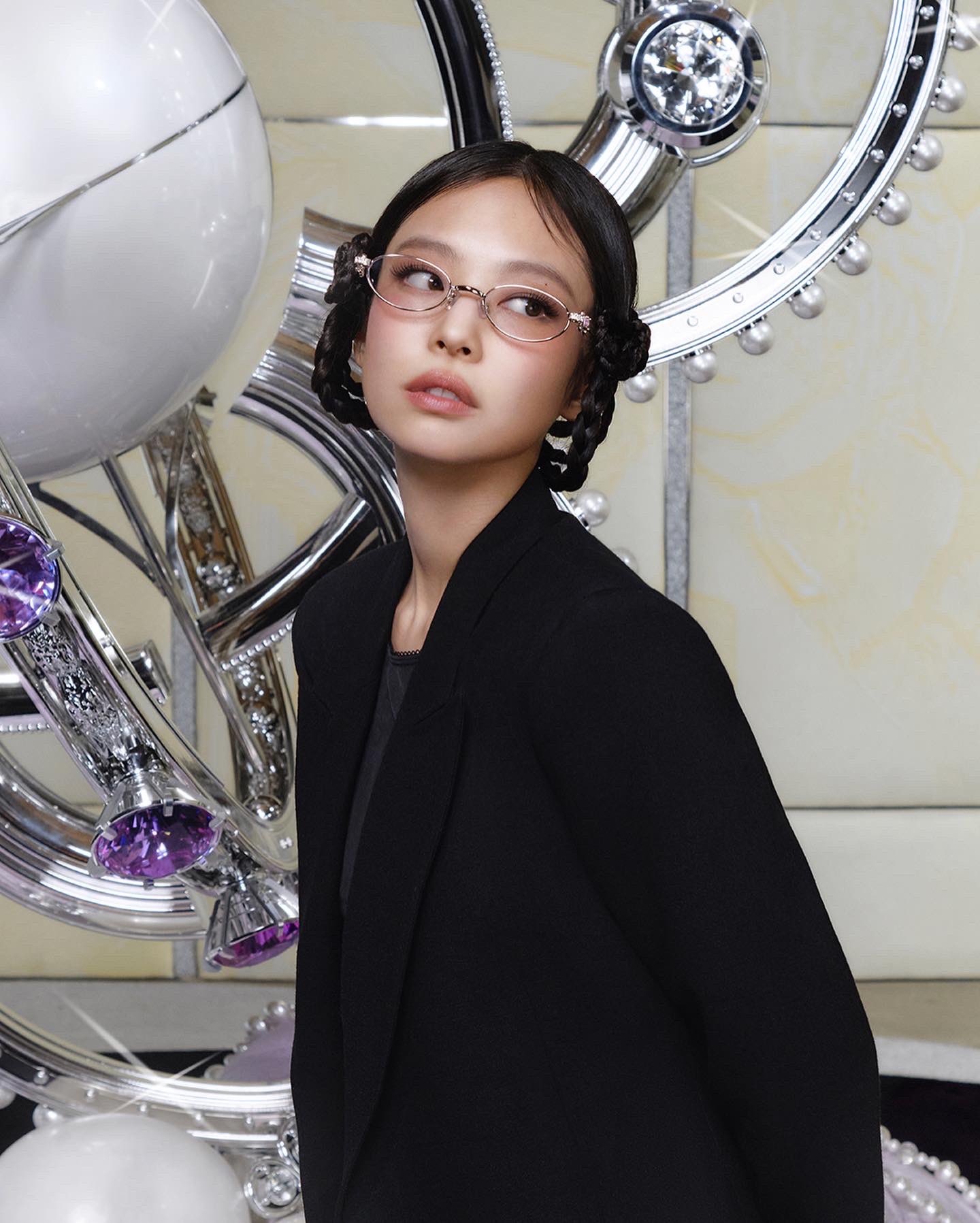
The pivotal inflection point came with the appointment of Jennie Kim – the main rapper and vocalist of the global phenomenon BLACKPINK – as the brand’s first brand ambassador. Her collaboration with the company, materialized through the collections Jentle Salon and Jentle Home, marked a defining moment in its cultural and commercial evolution. The partnership catapulted Gentle Monster into the spotlight of an international audience of considerable scale and engagement, while Jennie’s endorsement conferred a measure of cultural legitimacy that positioned the brand as an approved choice within her global community of fans.
Throughout the collaboration, the association between Jennie and the Gentle Monster’s eyewear became distinctly recognizable, with several designs colloquially referred to as “Jennie sunglasses.” This linguistic shorthand reflected the depth of public association achieved between ambassador and product, reinforcing the brand’s relevance within a global consumer landscape increasingly shaped by celebrity-led influence. The partnership’s success demonstrated Gentle Monster’s ability to fuse avant-garde spirit, pop cultural influence, and commercial strategy into a cohesive narrative, positioning the brand at the intersection of luxury and contemporary culture.
True to its experimental core, Gentle Monster continued to broaden the scope of its collaborations, engaging with an increasingly diverse range of actors across various industries. Partnerships with gaming franchises such as Overwatch, World of Warcraft, and Tekken 8 introduced the brand to new audience segments, while alliances with Moncler, Fendi, and Maison Margiela reinforced its standing within the sphere of contemporary luxury. Each collaboration functioned as a dialogue, a measured exploration of how far the brand’s distinct visual and emotional lexicon could be extended across disciplines without compromising its coherence or identity.
Collaborations between brands and influential figures have long been a cornerstone of marketing. During the 1980s and 1990s, supermodels such as Naomi Campbell, Kate Moss, and Cindy Crawford transcended their roles as mere faces of campaigns to become living embodiments of the brands they represented. Their visibility and cultural influence extended brand identities beyond products, serving as conduits to new audiences and consumer segments.
As digital culture reshaped the landscape, the mechanics of influence evolved. Social media dissolved geographical and cultural boundaries, allowing virtually anyone to cultivate a following based on individuality and authenticity. For brands, this democratization of visibility opened new frontiers. Partnerships could now reach audiences that once lay far beyond traditional marketing’s grasp, offering multidimensional exposure across global, cultural, and generational lines.
Consequently, this development also prompts points of consideration for brands. As has become the nature of social media, people are exposed to larger quantities of product advertisements, and as brand-celebrity relations grow in number, so do fanbases' encounters with them.
Yet abundance brings its own dilution. In an environment saturated with endorsements, discerning genuine affinity from contractual obligation has become a delicate task for audiences. Celebrities and influencers alike frequently engage in numerous partnerships, blurring the line between genuine endorsement and transactional advertising.
To counter this, many brands have shifted toward ambassadorships and other long-term collaborations designed to cultivate credibility through continuity. When an individual consistently aligns with a particular brand, the endorsement starts to feel less like marketing and more like shared ethos. Longevity carries sincerity, a kind of gravity that stands in contrast to the ephemerality of short-term endorsements, where such alliances quickly perish. Repetition becomes reassurance, and with each return, familiarity evolves into trust. Gradually, the collaboration transcends the mechanics of marketing to embody something closer to conviction – a mutual affirmation of identity. Such sustained associations elevate brand perception, deepen emotional resonance, and create a halo effect that endures well beyond the lifespan of the partnership.
Gentle Monster has, since its early days, seen and leveraged the effects resulting from exposure to new audiences. In 2013, Korean actress Jun Ji-hyun wore the brand’s lenses in “My Love From the Star,” offering the brand its first taste of cultural ubiquity and the initial push towards the path it has since actively explored. The years that followed saw the brand expand its reach through a series of strategic partnerships with public figures and global entities, including actress Tilda Swinton, Danish designer Henrik Vibskov, Dutch furniture designer Marcel Wanders, tech corporation Huawei, and fashion labels such as Hood by Air and Opening Ceremony. Each partnership served as both a mirror and a prism – refracting Gentle Monster’s aesthetic through new cultural lenses while expanding its reach across disciplines.
The pivotal inflection point came with the appointment of Jennie Kim – the main rapper and vocalist of the global phenomenon BLACKPINK – as the brand’s first brand ambassador. Her collaboration with the company, materialized through the collections Jentle Salon and Jentle Home, marked a defining moment in its cultural and commercial evolution. The partnership catapulted Gentle Monster into the spotlight of an international audience of considerable scale and engagement, while Jennie’s endorsement conferred a measure of cultural legitimacy that positioned the brand as an approved choice within her global community of fans.
Throughout the collaboration, the association between Jennie and the Gentle Monster’s eyewear became distinctly recognizable, with several designs colloquially referred to as “Jennie sunglasses.” This linguistic shorthand reflected the depth of public association achieved between ambassador and product, reinforcing the brand’s relevance within a global consumer landscape increasingly shaped by celebrity-led influence. The partnership’s success demonstrated Gentle Monster’s ability to fuse avant-garde spirit, pop cultural influence, and commercial strategy into a cohesive narrative, positioning the brand at the intersection of luxury and contemporary culture.
True to its experimental core, Gentle Monster continued to broaden the scope of its collaborations, engaging with an increasingly diverse range of actors across various industries. Partnerships with gaming franchises such as Overwatch, World of Warcraft, and Tekken 8 introduced the brand to new audience segments, while alliances with Moncler, Fendi, and Maison Margiela reinforced its standing within the sphere of contemporary luxury. Each collaboration functioned as a dialogue, a measured exploration of how far the brand’s distinct visual and emotional lexicon could be extended across disciplines without compromising its coherence or identity.
Collaborations between brands and influential figures have long been a cornerstone of marketing. During the 1980s and 1990s, supermodels such as Naomi Campbell, Kate Moss, and Cindy Crawford transcended their roles as mere faces of campaigns to become living embodiments of the brands they represented. Their visibility and cultural influence extended brand identities beyond products, serving as conduits to new audiences and consumer segments.
As digital culture reshaped the landscape, the mechanics of influence evolved. Social media dissolved geographical and cultural boundaries, allowing virtually anyone to cultivate a following based on individuality and authenticity. For brands, this democratization of visibility opened new frontiers. Partnerships could now reach audiences that once lay far beyond traditional marketing’s grasp, offering multidimensional exposure across global, cultural, and generational lines.
Consequently, this development also prompts points of consideration for brands. As has become the nature of social media, people are exposed to larger quantities of product advertisements, and as brand-celebrity relations grow in number, so do fanbases' encounters with them.
Yet abundance brings its own dilution. In an environment saturated with endorsements, discerning genuine affinity from contractual obligation has become a delicate task for audiences. Celebrities and influencers alike frequently engage in numerous partnerships, blurring the line between genuine endorsement and transactional advertising.
To counter this, many brands have shifted toward ambassadorships and other long-term collaborations designed to cultivate credibility through continuity. When an individual consistently aligns with a particular brand, the endorsement starts to feel less like marketing and more like shared ethos. Longevity carries sincerity, a kind of gravity that stands in contrast to the ephemerality of short-term endorsements, where such alliances quickly perish. Repetition becomes reassurance, and with each return, familiarity evolves into trust. Gradually, the collaboration transcends the mechanics of marketing to embody something closer to conviction – a mutual affirmation of identity. Such sustained associations elevate brand perception, deepen emotional resonance, and create a halo effect that endures well beyond the lifespan of the partnership.
Gentle Monster has, since its early days, seen and leveraged the effects resulting from exposure to new audiences. In 2013, Korean actress Jun Ji-hyun wore the brand’s lenses in “My Love From the Star,” offering the brand its first taste of cultural ubiquity and the initial push towards the path it has since actively explored. The years that followed saw the brand expand its reach through a series of strategic partnerships with public figures and global entities, including actress Tilda Swinton, Danish designer Henrik Vibskov, Dutch furniture designer Marcel Wanders, tech corporation Huawei, and fashion labels such as Hood by Air and Opening Ceremony. Each partnership served as both a mirror and a prism – refracting Gentle Monster’s aesthetic through new cultural lenses while expanding its reach across disciplines.
The pivotal inflection point came with the appointment of Jennie Kim – the main rapper and vocalist of the global phenomenon BLACKPINK – as the brand’s first brand ambassador. Her collaboration with the company, materialized through the collections Jentle Salon and Jentle Home, marked a defining moment in its cultural and commercial evolution. The partnership catapulted Gentle Monster into the spotlight of an international audience of considerable scale and engagement, while Jennie’s endorsement conferred a measure of cultural legitimacy that positioned the brand as an approved choice within her global community of fans.
Throughout the collaboration, the association between Jennie and the Gentle Monster’s eyewear became distinctly recognizable, with several designs colloquially referred to as “Jennie sunglasses.” This linguistic shorthand reflected the depth of public association achieved between ambassador and product, reinforcing the brand’s relevance within a global consumer landscape increasingly shaped by celebrity-led influence. The partnership’s success demonstrated Gentle Monster’s ability to fuse avant-garde spirit, pop cultural influence, and commercial strategy into a cohesive narrative, positioning the brand at the intersection of luxury and contemporary culture.
True to its experimental core, Gentle Monster continued to broaden the scope of its collaborations, engaging with an increasingly diverse range of actors across various industries. Partnerships with gaming franchises such as Overwatch, World of Warcraft, and Tekken 8 introduced the brand to new audience segments, while alliances with Moncler, Fendi, and Maison Margiela reinforced its standing within the sphere of contemporary luxury. Each collaboration functioned as a dialogue, a measured exploration of how far the brand’s distinct visual and emotional lexicon could be extended across disciplines without compromising its coherence or identity.
Courtesy of Gentle Monster.
Courtesy of Gentle Monster.
Courtesy of Gentle Monster.
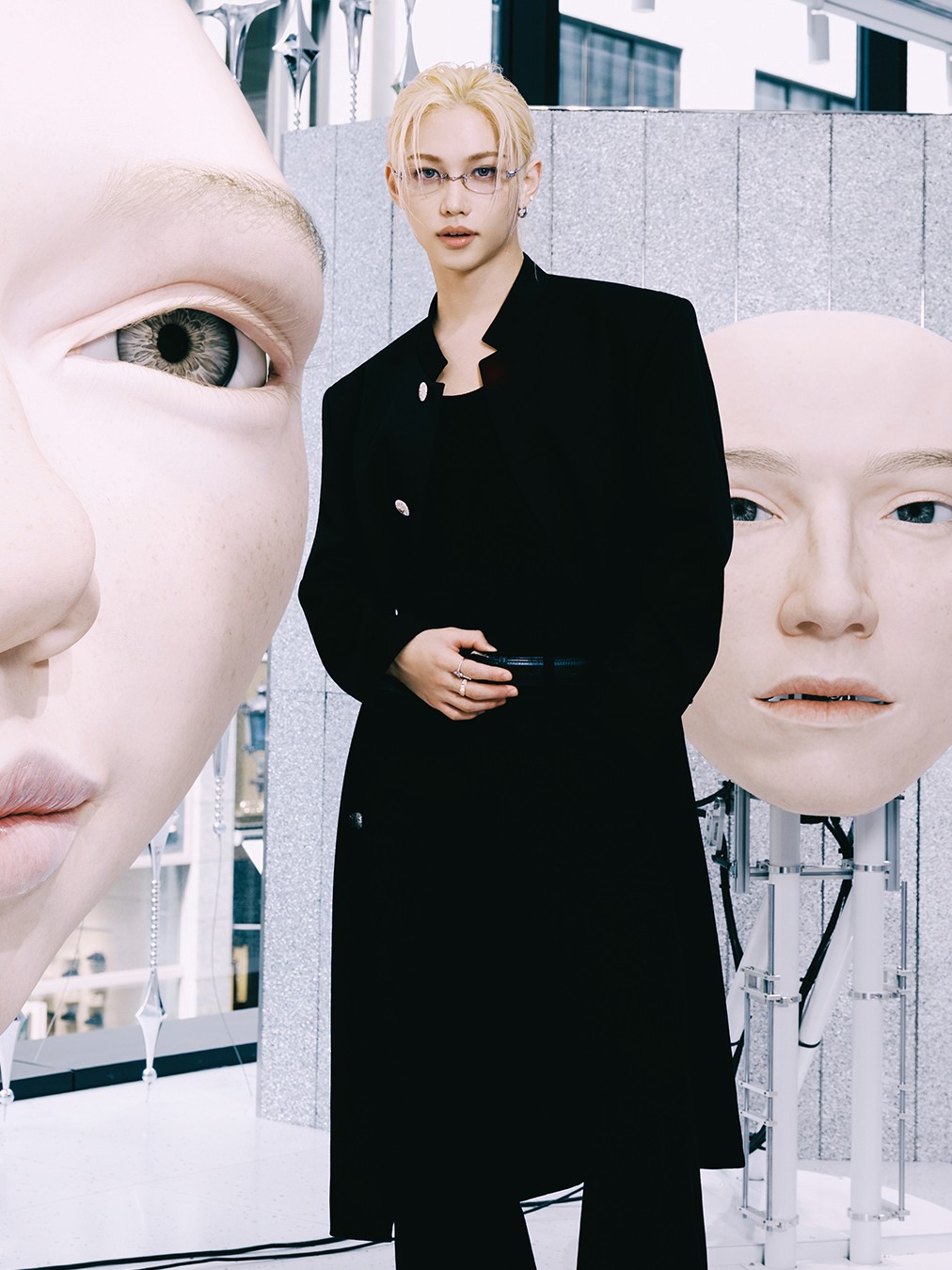
Following the conclusion of its partnership with Jennie, Gentle Monster moved promptly to identify a successor capable of sustaining its global resonance. In July of 2025, the brand appointed Felix Lee – a member of the internationally acclaimed K-pop group Stray Kids – as its new ambassador. As a performer known for wide-reaching influence and distinctive charisma, Felix represented a continuation of Gentle Monster’s strategy of aligning with figures who represent both cultural reach and individual expression. Like Jennie, his multiple affiliations with globally recognized brands across sectors ranging from luxury to innovation underscored a natural synergy with the worlds of luxury and contemporary expression, offering the company a preserved momentum in its trajectory of global expansion.
Following the conclusion of its partnership with Jennie, Gentle Monster moved promptly to identify a successor capable of sustaining its global resonance. In July of 2025, the brand appointed Felix Lee – a member of the internationally acclaimed K-pop group Stray Kids – as its new ambassador. As a performer known for wide-reaching influence and distinctive charisma, Felix represented a continuation of Gentle Monster’s strategy of aligning with figures who represent both cultural reach and individual expression. Like Jennie, his multiple affiliations with globally recognized brands across sectors ranging from luxury to innovation underscored a natural synergy with the worlds of luxury and contemporary expression, offering the company a preserved momentum in its trajectory of global expansion.
Following the conclusion of its partnership with Jennie, Gentle Monster moved promptly to identify a successor capable of sustaining its global resonance. In July of 2025, the brand appointed Felix Lee – a member of the internationally acclaimed K-pop group Stray Kids – as its new ambassador. As a performer known for wide-reaching influence and distinctive charisma, Felix represented a continuation of Gentle Monster’s strategy of aligning with figures who represent both cultural reach and individual expression. Like Jennie, his multiple affiliations with globally recognized brands across sectors ranging from luxury to innovation underscored a natural synergy with the worlds of luxury and contemporary expression, offering the company a preserved momentum in its trajectory of global expansion.
Continuity in Cultural Capital
Continuity in Cultural Capital
Continuity in Cultural Capital
Gentle Monster’s parent company, IICOMBINED, extended this strategic alignment by appointing Felix as ambassador for its sister brands, Tamburins and ATiiSSU. The decision underscored the company’s recognition of cross-brand synergy and the value of cultivating long-term relationships within its ecosystem. Through this integrated approach, IICOMBINED continues to leverage the cultural capital of its partnerships across multiple product categories, reinforcing brand cohesion while broadening collective reach.
In its approach to celebrity partnerships, Gentle Monster has come to recognize the importance of cultivating relationships early. Through the fluid structure of its parent company, IICOMBINED, the brand operates across multiple subsidiaries with an increasingly global footprint. The company frequently hosts cross-brand events that convene a diverse roster of influential figures, creating an environment conducive to connection and long-term collaboration. Beyond its multi-brand ambassadorship with Felix, IICOMBINED’s strategy emphasizes relationship-building that transcends any single label, enabling future partnerships to unfold organically.
At its recent pre-opening event for Haus Nowhere in Seoul, the company exemplified this philosophy, through a guest list that reflected its evolving cultural reach by featuring Felix, Karina (who fronted the Gentle Monster x Bratz campaign), Hunter Schafer (who fronted the Gentle Monster Fall 2025 campaign), Byeon Woo-Seok, Kentaro Sakaguchi, Ella Gross, FKA Twigs, Tilda Swinton, among others. Beyond generating substantial publicity, such events function as incubators for early-stage relationship building, initiating connections between the company, high-profile individuals, and their respective fanbases for potential future partnerships.
In parallel, Gentle Monster employs product seeding as a strategic extension of this philosophy. By introducing its eyewear to individuals with substantial followings across industries and geographies, the brand spurs its designs to be interpreted, styled, and shared through individual imagination. Rooted in a strong belief in its product quality and creative identity, this approach functions as an act of quiet discovery – a seed cast into the cultural field to see where it might take root.
A particularly noteworthy outcome of this strategy has unfolded in Thailand’s celebrity landscape, where the intersection of celebrity culture and visual creativity has led to compelling synergies. Thai public figures often explore brand partnerships and occasions through self-conceived editorials – projects that feel personal, imaginative, and finely attuned to aesthetic detail. For Gentle Monster, this presents a valuable opportunity for co-creative narratives that push the visual and cultural boundaries of both celebrity and brand.
Moreover, the enduring loyalty and affection of Thai fan communities have proven to be a powerful force in amplifying visibility across digital channels. Brands across the luxury sector, Gentle Monster among them, are increasingly recognizing the value of this audience, not only as a vibrant and expanding market, but as an influential driver of visibility, conversation, and cultural resonance across global digital platforms.
Gentle Monster’s parent company, IICOMBINED, extended this strategic alignment by appointing Felix as ambassador for its sister brands, Tamburins and ATiiSSU. The decision underscored the company’s recognition of cross-brand synergy and the value of cultivating long-term relationships within its ecosystem. Through this integrated approach, IICOMBINED continues to leverage the cultural capital of its partnerships across multiple product categories, reinforcing brand cohesion while broadening collective reach.
In its approach to celebrity partnerships, Gentle Monster has come to recognize the importance of cultivating relationships early. Through the fluid structure of its parent company, IICOMBINED, the brand operates across multiple subsidiaries with an increasingly global footprint. The company frequently hosts cross-brand events that convene a diverse roster of influential figures, creating an environment conducive to connection and long-term collaboration. Beyond its multi-brand ambassadorship with Felix, IICOMBINED’s strategy emphasizes relationship-building that transcends any single label, enabling future partnerships to unfold organically.
At its recent pre-opening event for Haus Nowhere in Seoul, the company exemplified this philosophy, through a guest list that reflected its evolving cultural reach by featuring Felix, Karina (who fronted the Gentle Monster x Bratz campaign), Hunter Schafer (who fronted the Gentle Monster Fall 2025 campaign), Byeon Woo-Seok, Kentaro Sakaguchi, Ella Gross, FKA Twigs, Tilda Swinton, among others. Beyond generating substantial publicity, such events function as incubators for early-stage relationship building, initiating connections between the company, high-profile individuals, and their respective fanbases for potential future partnerships.
In parallel, Gentle Monster employs product seeding as a strategic extension of this philosophy. By introducing its eyewear to individuals with substantial followings across industries and geographies, the brand spurs its designs to be interpreted, styled, and shared through individual imagination. Rooted in a strong belief in its product quality and creative identity, this approach functions as an act of quiet discovery – a seed cast into the cultural field to see where it might take root.
A particularly noteworthy outcome of this strategy has unfolded in Thailand’s celebrity landscape, where the intersection of celebrity culture and visual creativity has led to compelling synergies. Thai public figures often explore brand partnerships and occasions through self-conceived editorials – projects that feel personal, imaginative, and finely attuned to aesthetic detail. For Gentle Monster, this presents a valuable opportunity for co-creative narratives that push the visual and cultural boundaries of both celebrity and brand.
Moreover, the enduring loyalty and affection of Thai fan communities have proven to be a powerful force in amplifying visibility across digital channels. Brands across the luxury sector, Gentle Monster among them, are increasingly recognizing the value of this audience, not only as a vibrant and expanding market, but as an influential driver of visibility, conversation, and cultural resonance across global digital platforms.
Gentle Monster’s parent company, IICOMBINED, extended this strategic alignment by appointing Felix as ambassador for its sister brands, Tamburins and ATiiSSU. The decision underscored the company’s recognition of cross-brand synergy and the value of cultivating long-term relationships within its ecosystem. Through this integrated approach, IICOMBINED continues to leverage the cultural capital of its partnerships across multiple product categories, reinforcing brand cohesion while broadening collective reach.
In its approach to celebrity partnerships, Gentle Monster has come to recognize the importance of cultivating relationships early. Through the fluid structure of its parent company, IICOMBINED, the brand operates across multiple subsidiaries with an increasingly global footprint. The company frequently hosts cross-brand events that convene a diverse roster of influential figures, creating an environment conducive to connection and long-term collaboration. Beyond its multi-brand ambassadorship with Felix, IICOMBINED’s strategy emphasizes relationship-building that transcends any single label, enabling future partnerships to unfold organically.
At its recent pre-opening event for Haus Nowhere in Seoul, the company exemplified this philosophy, through a guest list that reflected its evolving cultural reach by featuring Felix, Karina (who fronted the Gentle Monster x Bratz campaign), Hunter Schafer (who fronted the Gentle Monster Fall 2025 campaign), Byeon Woo-Seok, Kentaro Sakaguchi, Ella Gross, FKA Twigs, Tilda Swinton, among others. Beyond generating substantial publicity, such events function as incubators for early-stage relationship building, initiating connections between the company, high-profile individuals, and their respective fanbases for potential future partnerships.
In parallel, Gentle Monster employs product seeding as a strategic extension of this philosophy. By introducing its eyewear to individuals with substantial followings across industries and geographies, the brand spurs its designs to be interpreted, styled, and shared through individual imagination. Rooted in a strong belief in its product quality and creative identity, this approach functions as an act of quiet discovery – a seed cast into the cultural field to see where it might take root.
A particularly noteworthy outcome of this strategy has unfolded in Thailand’s celebrity landscape, where the intersection of celebrity culture and visual creativity has led to compelling synergies. Thai public figures often explore brand partnerships and occasions through self-conceived editorials – projects that feel personal, imaginative, and finely attuned to aesthetic detail. For Gentle Monster, this presents a valuable opportunity for co-creative narratives that push the visual and cultural boundaries of both celebrity and brand.
Moreover, the enduring loyalty and affection of Thai fan communities have proven to be a powerful force in amplifying visibility across digital channels. Brands across the luxury sector, Gentle Monster among them, are increasingly recognizing the value of this audience, not only as a vibrant and expanding market, but as an influential driver of visibility, conversation, and cultural resonance across global digital platforms.
Final Words
Final Words
Final Words
Gentle Monster has established itself as a frontrunner in contemporary marketing, propelled by its steadfast commitment to an avant-garde approach. In an era saturated with voices and increasingly artificial content, audiences are increasingly drawn to brands that express themselves with authenticity, that unapologetically lean into their own values and creative identity. Through its continual exploration of new markets and its willingness to pursue unforeseen directions, Gentle Monster forges a path few dare to follow. It stands as a compelling example of a self-defined, modern company unafraid to take risks, one whose story we will remain intrigued to follow as it continues to unfold.
Gentle Monster has established itself as a frontrunner in contemporary marketing, propelled by its steadfast commitment to an avant-garde approach. In an era saturated with voices and increasingly artificial content, audiences are increasingly drawn to brands that express themselves with authenticity, that unapologetically lean into their own values and creative identity. Through its continual exploration of new markets and its willingness to pursue unforeseen directions, Gentle Monster forges a path few dare to follow. It stands as a compelling example of a self-defined, modern company unafraid to take risks, one whose story we will remain intrigued to follow as it continues to unfold.
Gentle Monster has established itself as a frontrunner in contemporary marketing, propelled by its steadfast commitment to an avant-garde approach. In an era saturated with voices and increasingly artificial content, audiences are increasingly drawn to brands that express themselves with authenticity, that unapologetically lean into their own values and creative identity. Through its continual exploration of new markets and its willingness to pursue unforeseen directions, Gentle Monster forges a path few dare to follow. It stands as a compelling example of a self-defined, modern company unafraid to take risks, one whose story we will remain intrigued to follow as it continues to unfold.
More Stories
More Stories
More Stories