Dec 18, 2025
Dec 18, 2025
Dec 18, 2025
The State of Marketing as an Outcome of Socialital Evolution
The State of Marketing as an Outcome of Socialital Evolution
The State of Marketing as an Outcome of Socialital Evolution
Fashion
Fashion
Fashion
The State of Marketing as an Outcome of Socialital Evolution
The State of Marketing as an Outcome of Socialital Evolution
The State of Marketing as an Outcome of Socialital Evolution
by
by
by
L’essence Studios Editorial HQ
L’essence Studios Editorial HQ
L’essence Studios Editorial HQ


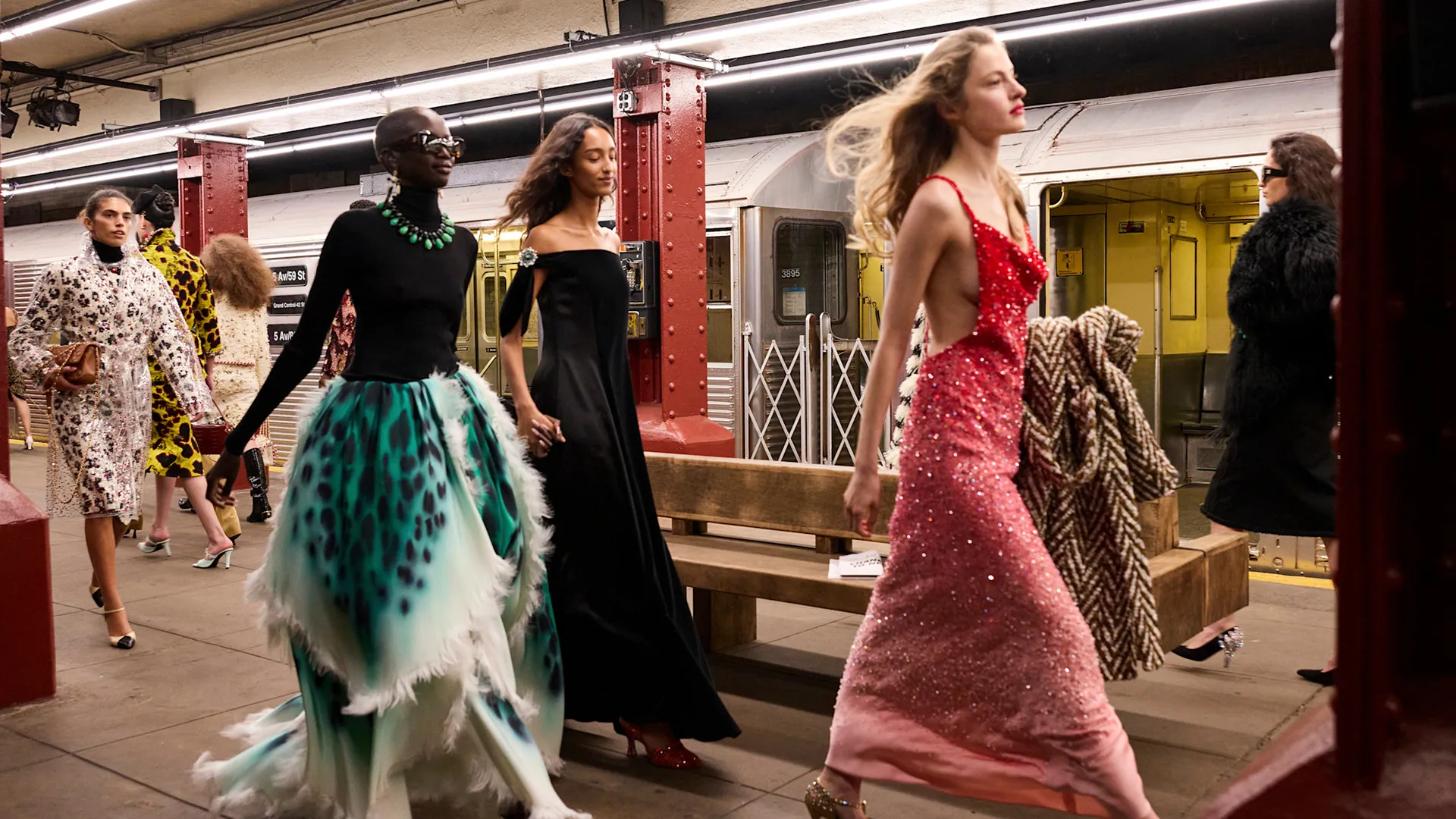
Courtesy of Prada.
Courtesy of Prada.
Courtesy of Prada.
Dec 18, 2025
Dec 18, 2025
Dec 18, 2025
In the contemporary digital landscape which luxury fashion marketing is most prominently conducted, … while visibility has become less a guarantee of impact than a test of endurance. The feed rewards immediacy, while audiences grow increasingly selective, and increasingly fatigued by the synthetic and the disposable, the strategic question for brands shifts from how to capture attention to how to remain present once it has passed.
In the contemporary digital landscape which luxury fashion marketing is most prominently conducted, … while visibility has become less a guarantee of impact than a test of endurance. The feed rewards immediacy, while audiences grow increasingly selective, and increasingly fatigued by the synthetic and the disposable, the strategic question for brands shifts from how to capture attention to how to remain present once it has passed.
In the contemporary digital landscape which luxury fashion marketing is most prominently conducted, … while visibility has become less a guarantee of impact than a test of endurance. The feed rewards immediacy, while audiences grow increasingly selective, and increasingly fatigued by the synthetic and the disposable, the strategic question for brands shifts from how to capture attention to how to remain present once it has passed.
Share
A Brief Prologue to Modern Marketing
A Brief Prologue to Modern Marketing
A Brief Prologue to Modern Marketing
In the early days of modern luxury, marketing resided in a state of modernization as the age of product-centric marketing took hold. With the rise of broadcast media, brands soon realized the importance of strategized marketing in contrast to the traditional “spray-and-pray” approach – aiming advertisements at the widest possible audience without strategic intent. Within this environment emerged one of the industry’s foundational instruments: the marketing mix. Its significance lay in its structure. Rather than treating promotion as an isolated act of persuasion, the marketing mix presented value as something assembled – an orchestration of elements that clarified what was being offered, to whom, and under which conditions. Though still anchored in the product or service itself, this strategy expanded the discipline of marketing by identifying the essential elements that shape consumer value, outlining how marketers might combine these elements to communicate and deliver that value more effectively.
Later, as digital ecosystems multiplied and consumer journeys began to fragment across devices, platforms, and contexts, marketing adapted once more – this time toward attribution, optimization, and channel-specific performance. Brands increasingly engaged audiences through a dispersed constellation of touchpoints, demanding new methods for tracing effectiveness. Marketing began to resemble a science of its own, increasingly governed by research, testing, optimisation, and systems of measurement.
Yet even as the numerator grew – more platforms, more data, more tools – the common denominator remained the single product or service being marketed. It still served as the gravitational center around which everything was made to orbit. Perhaps unsurprisingly so, since the product or service sold is, at the end of the day, what all marketing efforts lead towards – regardless of how the path leading to it may change.
However, as the digital environment – and consumers’ relationship to it – continued to shift, a new approach started to gain momentum: brand-focused marketing, in contrast to the long-dominant product-focused paradigm. Rather than individual orbital groups that centered on a single good, this new strategy proposed the brand’s own ideals and values as the body of gravitation around which its marketing efforts would form the constellation that depicted the story it wanted to convey. The focus shifted from singular promotions of goods to cultivating identity, emotion, and cultural presence as the primary drivers of engagement, with the product positioned as an expression of a larger narrative.
In the early days of modern luxury, marketing resided in a state of modernization as the age of product-centric marketing took hold. With the rise of broadcast media, brands soon realized the importance of strategized marketing in contrast to the traditional “spray-and-pray” approach – aiming advertisements at the widest possible audience without strategic intent. Within this environment emerged one of the industry’s foundational instruments: the marketing mix. Its significance lay in its structure. Rather than treating promotion as an isolated act of persuasion, the marketing mix presented value as something assembled – an orchestration of elements that clarified what was being offered, to whom, and under which conditions. Though still anchored in the product or service itself, this strategy expanded the discipline of marketing by identifying the essential elements that shape consumer value, outlining how marketers might combine these elements to communicate and deliver that value more effectively.
Later, as digital ecosystems multiplied and consumer journeys began to fragment across devices, platforms, and contexts, marketing adapted once more – this time toward attribution, optimization, and channel-specific performance. Brands increasingly engaged audiences through a dispersed constellation of touchpoints, demanding new methods for tracing effectiveness. Marketing began to resemble a science of its own, increasingly governed by research, testing, optimisation, and systems of measurement.
Yet even as the numerator grew – more platforms, more data, more tools – the common denominator remained the single product or service being marketed. It still served as the gravitational center around which everything was made to orbit. Perhaps unsurprisingly so, since the product or service sold is, at the end of the day, what all marketing efforts lead towards – regardless of how the path leading to it may change.
However, as the digital environment – and consumers’ relationship to it – continued to shift, a new approach started to gain momentum: brand-focused marketing, in contrast to the long-dominant product-focused paradigm. Rather than individual orbital groups that centered on a single good, this new strategy proposed the brand’s own ideals and values as the body of gravitation around which its marketing efforts would form the constellation that depicted the story it wanted to convey. The focus shifted from singular promotions of goods to cultivating identity, emotion, and cultural presence as the primary drivers of engagement, with the product positioned as an expression of a larger narrative.
In the early days of modern luxury, marketing resided in a state of modernization as the age of product-centric marketing took hold. With the rise of broadcast media, brands soon realized the importance of strategized marketing in contrast to the traditional “spray-and-pray” approach – aiming advertisements at the widest possible audience without strategic intent. Within this environment emerged one of the industry’s foundational instruments: the marketing mix. Its significance lay in its structure. Rather than treating promotion as an isolated act of persuasion, the marketing mix presented value as something assembled – an orchestration of elements that clarified what was being offered, to whom, and under which conditions. Though still anchored in the product or service itself, this strategy expanded the discipline of marketing by identifying the essential elements that shape consumer value, outlining how marketers might combine these elements to communicate and deliver that value more effectively.
Later, as digital ecosystems multiplied and consumer journeys began to fragment across devices, platforms, and contexts, marketing adapted once more – this time toward attribution, optimization, and channel-specific performance. Brands increasingly engaged audiences through a dispersed constellation of touchpoints, demanding new methods for tracing effectiveness. Marketing began to resemble a science of its own, increasingly governed by research, testing, optimisation, and systems of measurement.
Yet even as the numerator grew – more platforms, more data, more tools – the common denominator remained the single product or service being marketed. It still served as the gravitational center around which everything was made to orbit. Perhaps unsurprisingly so, since the product or service sold is, at the end of the day, what all marketing efforts lead towards – regardless of how the path leading to it may change.
However, as the digital environment – and consumers’ relationship to it – continued to shift, a new approach started to gain momentum: brand-focused marketing, in contrast to the long-dominant product-focused paradigm. Rather than individual orbital groups that centered on a single good, this new strategy proposed the brand’s own ideals and values as the body of gravitation around which its marketing efforts would form the constellation that depicted the story it wanted to convey. The focus shifted from singular promotions of goods to cultivating identity, emotion, and cultural presence as the primary drivers of engagement, with the product positioned as an expression of a larger narrative.
"Image becomes not a display of the object, but a medium through which the story of the object is told."
"Image becomes not a display of the object, but a medium through which the story of the object is told."
Courtesy of Ralph Lauren.
Courtesy of Ralph Lauren.
Courtesy of Ralph Lauren.
The Fashion Exception to Product-Centrism
The Fashion Exception to Product-Centrism
The Fashion Exception to Product-Centrism
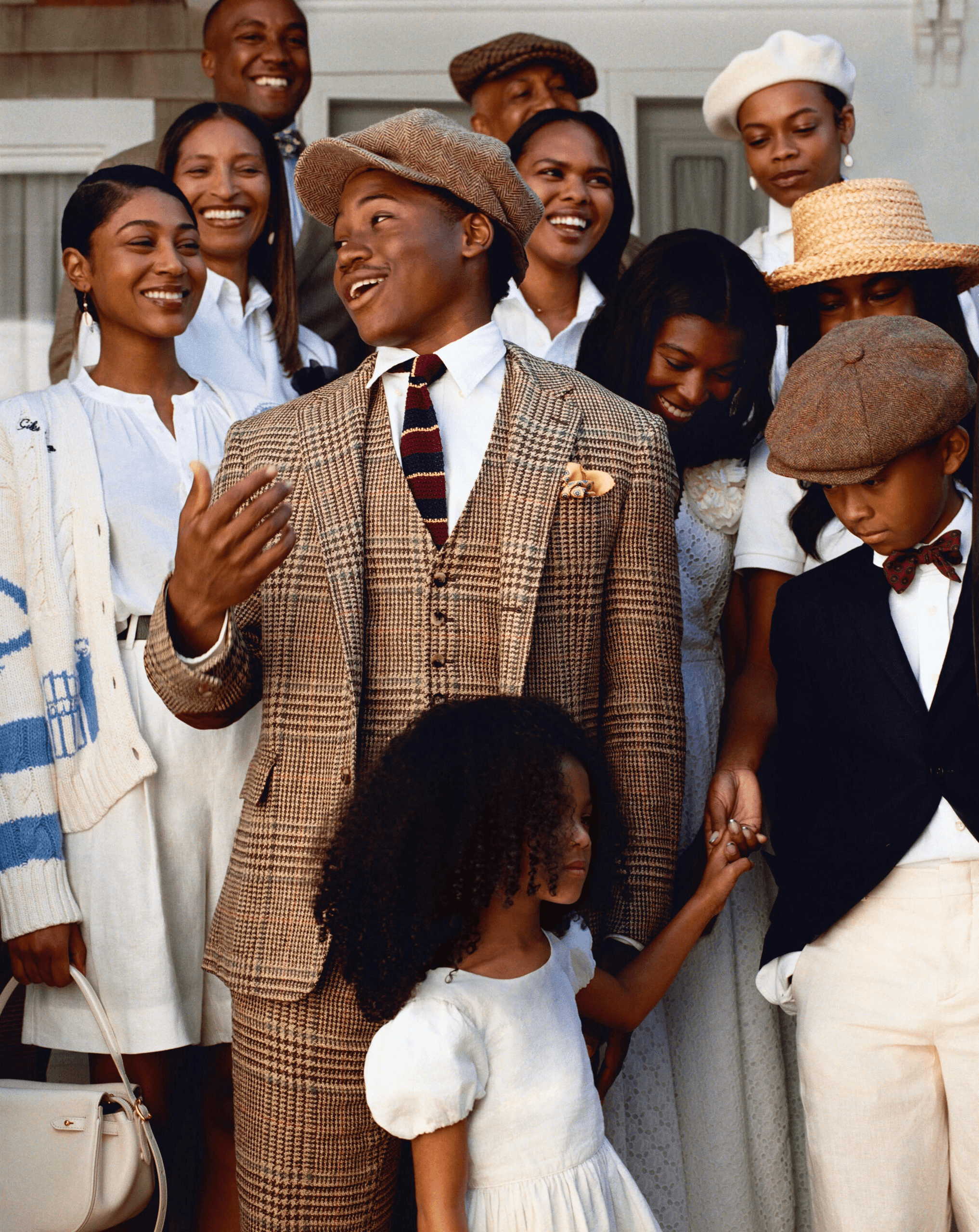
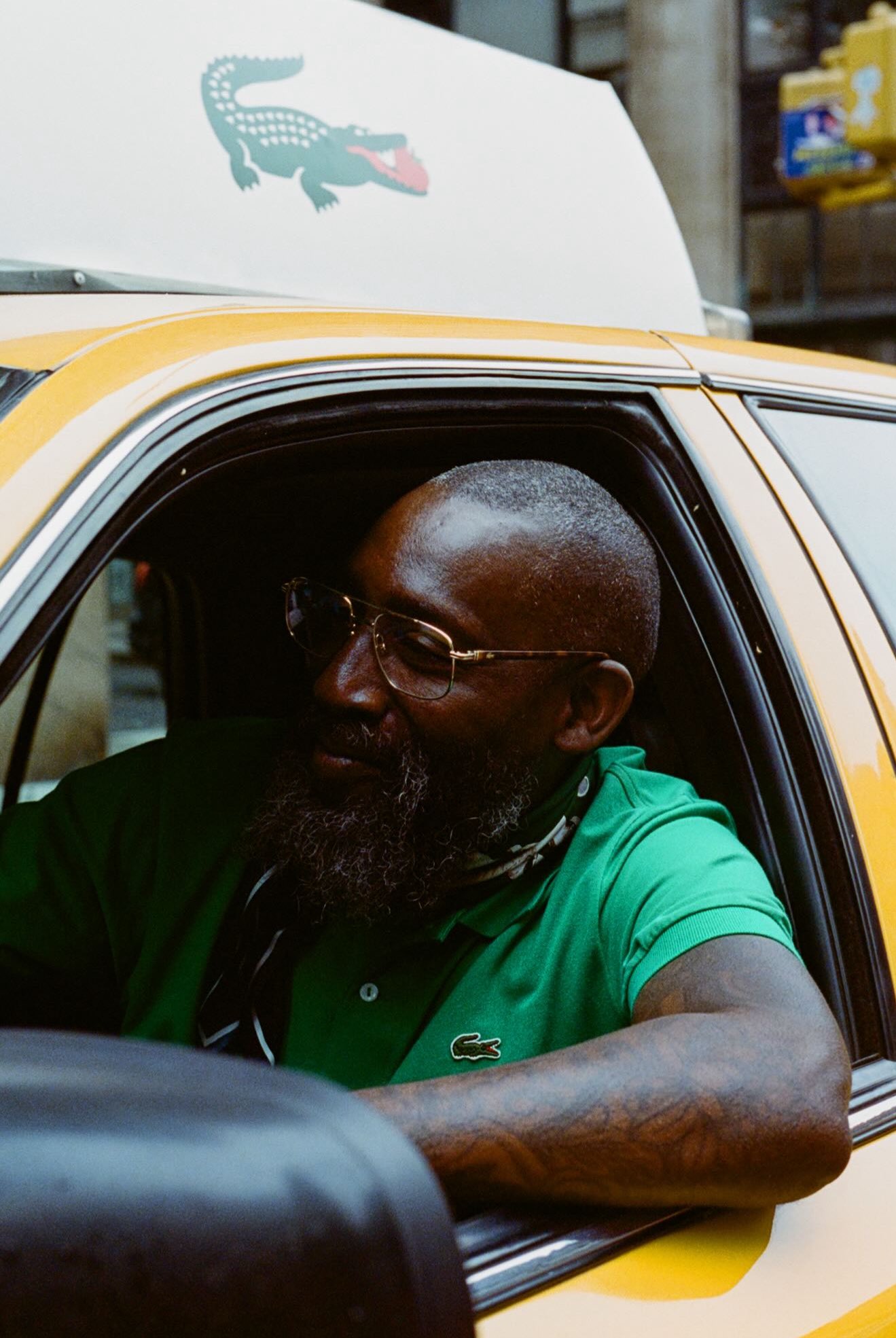
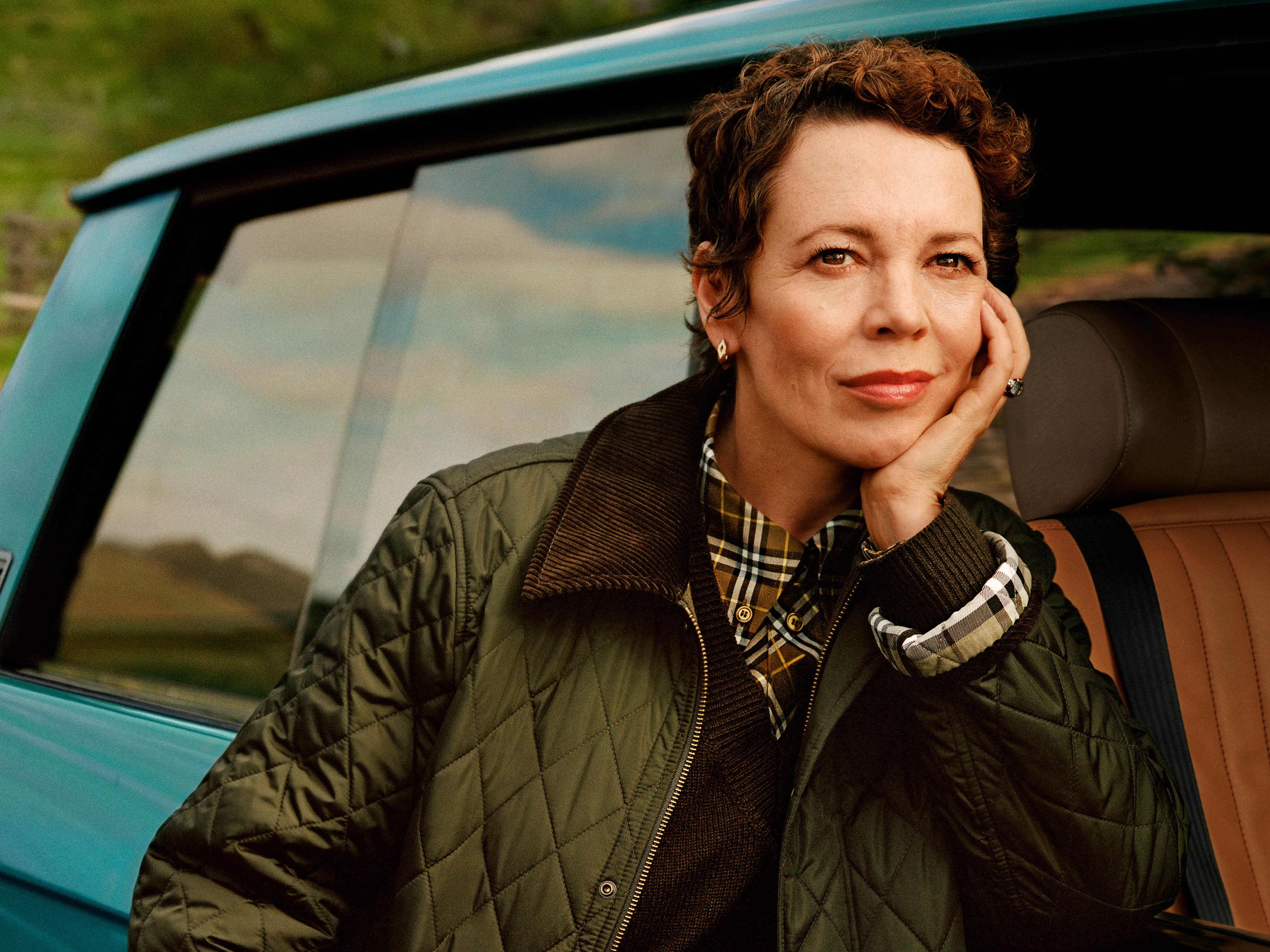
Although most industries are, and have always been, product-centric in their approach to marketing, the fashion sector operates according to principles that set it apart from this paradigm. While the majority sell products that happen to carry brand value, actors within fashion, particularly at the premium and luxury end, sell brand value that happens to be materialized as products. Here, the brand itself is the primary offering, with the product serving as its material expression – an artifact through which a broader symbolic system is worn, displayed, and socially interpreted. Through highly curated visual storytelling – encompassing captivating imagery, stylized campaigns, and aspirational aesthetics – luxury fashion houses aim to cultivate allure and evoke desire that extends beyond the tangible object. Image becomes not a display of the object, but a medium through which the story of the object is told. Most fashion houses, therefore, often adopt a hybrid approach – blending brand-centric and product-centric strategies, though the balance between the two varies significantly depending on the brand’s positioning, heritage, and audience. The following analysis, however, will examine the luxury fashion marketing landscape through a holistic lens.
Although most industries are, and have always been, product-centric in their approach to marketing, the fashion sector operates according to principles that set it apart from this paradigm. While the majority sell products that happen to carry brand value, actors within fashion, particularly at the premium and luxury end, sell brand value that happens to be materialized as products. Here, the brand itself is the primary offering, with the product serving as its material expression – an artifact through which a broader symbolic system is worn, displayed, and socially interpreted. Through highly curated visual storytelling – encompassing captivating imagery, stylized campaigns, and aspirational aesthetics – luxury fashion houses aim to cultivate allure and evoke desire that extends beyond the tangible object. Image becomes not a display of the object, but a medium through which the story of the object is told. Most fashion houses, therefore, often adopt a hybrid approach – blending brand-centric and product-centric strategies, though the balance between the two varies significantly depending on the brand’s positioning, heritage, and audience. The following analysis, however, will examine the luxury fashion marketing landscape through a holistic lens.
Although most industries are, and have always been, product-centric in their approach to marketing, the fashion sector operates according to principles that set it apart from this paradigm. While the majority sell products that happen to carry brand value, actors within fashion, particularly at the premium and luxury end, sell brand value that happens to be materialized as products. Here, the brand itself is the primary offering, with the product serving as its material expression – an artifact through which a broader symbolic system is worn, displayed, and socially interpreted. Through highly curated visual storytelling – encompassing captivating imagery, stylized campaigns, and aspirational aesthetics – luxury fashion houses aim to cultivate allure and evoke desire that extends beyond the tangible object. Image becomes not a display of the object, but a medium through which the story of the object is told. Most fashion houses, therefore, often adopt a hybrid approach – blending brand-centric and product-centric strategies, though the balance between the two varies significantly depending on the brand’s positioning, heritage, and audience. The following analysis, however, will examine the luxury fashion marketing landscape through a holistic lens.
Courtesy of Lacoste.
Courtesy of Lacoste.
Courtesy of Lacoste.
Courtesy of Burberry.
Courtesy of Burberry.
Courtesy of Burberry.
Platform Saturation and the New Logic of Visibility
Platform Saturation and the New Logic of Visibility
Platform Saturation and the New Logic of Visibility
As the predominant space in which luxury fashion marketing is encountered today, the evolution of social media – and the shifting nature of people’s relationship to it – plays a decisive role in business-to-consumer strategy within the fashion industry. In their inaugural phase, these platforms, much like the early digital channels, offered a new way for brands to easily reach out to potential consumers without their existing strategies having to be heavily altered to adapt to this new environment. However, technology operates within an accelerated temporal logic. Platforms mature rapidly, and social media has long since moved beyond its inceptive phase. Most of the platforms on which luxury fashion brands conduct their marketing efforts have reached a relative point of saturation, necessitating more deliberate, strategically informed approaches to visibility and engagement.
These days, social media content is governed less by intuition than by an acute understanding of platform mechanics. As user bases have expanded and content volumes have multiplied, competition for attention has intensified. In this environment, success is increasingly dictated by an ability to navigate algorithms, formats, and behavioral patterns that determine what is seen – and what is ignored. Social media has become both a refuge and a feedback loop: a space people turn to for escape, distraction, and momentary relief, as well as a system engineered around cycles of stimulation and reward. While the psychological implications of this dynamic extend beyond the scope of this analysis, they remain central to understanding how content is consumed.
When users enter these digital spaces, they do so – consciously or not – with the expectation of emotional return: entertainment, comfort, inspiration, or stimulation. Each piece of content is afforded only a fleeting window to deliver on that expectation. For brands, this creates a fundamental tension. Marketing, by nature, is rarely aligned with the immediate gratification users seek, and overt attempts to mimic native content are often met with skepticism. Audiences have become adept at recognizing inauthenticity.
It is within this constraint that the alternative approach mentioned before has begun to assert itself. Rather than competing directly for attention through product-driven messaging, certain fashion brands have started to lean heavily into brand-focused marketing – crafting narratives, identities, and worlds that align more organically with the motivations that draw users to social media in the first place.
As the predominant space in which luxury fashion marketing is encountered today, the evolution of social media – and the shifting nature of people’s relationship to it – plays a decisive role in business-to-consumer strategy within the fashion industry. In their inaugural phase, these platforms, much like the early digital channels, offered a new way for brands to easily reach out to potential consumers without their existing strategies having to be heavily altered to adapt to this new environment. However, technology operates within an accelerated temporal logic. Platforms mature rapidly, and social media has long since moved beyond its inceptive phase. Most of the platforms on which luxury fashion brands conduct their marketing efforts have reached a relative point of saturation, necessitating more deliberate, strategically informed approaches to visibility and engagement.
These days, social media content is governed less by intuition than by an acute understanding of platform mechanics. As user bases have expanded and content volumes have multiplied, competition for attention has intensified. In this environment, success is increasingly dictated by an ability to navigate algorithms, formats, and behavioral patterns that determine what is seen – and what is ignored. Social media has become both a refuge and a feedback loop: a space people turn to for escape, distraction, and momentary relief, as well as a system engineered around cycles of stimulation and reward. While the psychological implications of this dynamic extend beyond the scope of this analysis, they remain central to understanding how content is consumed.
When users enter these digital spaces, they do so – consciously or not – with the expectation of emotional return: entertainment, comfort, inspiration, or stimulation. Each piece of content is afforded only a fleeting window to deliver on that expectation. For brands, this creates a fundamental tension. Marketing, by nature, is rarely aligned with the immediate gratification users seek, and overt attempts to mimic native content are often met with skepticism. Audiences have become adept at recognizing inauthenticity.
It is within this constraint that the alternative approach mentioned before has begun to assert itself. Rather than competing directly for attention through product-driven messaging, certain fashion brands have started to lean heavily into brand-focused marketing – crafting narratives, identities, and worlds that align more organically with the motivations that draw users to social media in the first place.
As the predominant space in which luxury fashion marketing is encountered today, the evolution of social media – and the shifting nature of people’s relationship to it – plays a decisive role in business-to-consumer strategy within the fashion industry. In their inaugural phase, these platforms, much like the early digital channels, offered a new way for brands to easily reach out to potential consumers without their existing strategies having to be heavily altered to adapt to this new environment. However, technology operates within an accelerated temporal logic. Platforms mature rapidly, and social media has long since moved beyond its inceptive phase. Most of the platforms on which luxury fashion brands conduct their marketing efforts have reached a relative point of saturation, necessitating more deliberate, strategically informed approaches to visibility and engagement.
These days, social media content is governed less by intuition than by an acute understanding of platform mechanics. As user bases have expanded and content volumes have multiplied, competition for attention has intensified. In this environment, success is increasingly dictated by an ability to navigate algorithms, formats, and behavioral patterns that determine what is seen – and what is ignored. Social media has become both a refuge and a feedback loop: a space people turn to for escape, distraction, and momentary relief, as well as a system engineered around cycles of stimulation and reward. While the psychological implications of this dynamic extend beyond the scope of this analysis, they remain central to understanding how content is consumed.
When users enter these digital spaces, they do so – consciously or not – with the expectation of emotional return: entertainment, comfort, inspiration, or stimulation. Each piece of content is afforded only a fleeting window to deliver on that expectation. For brands, this creates a fundamental tension. Marketing, by nature, is rarely aligned with the immediate gratification users seek, and overt attempts to mimic native content are often met with skepticism. Audiences have become adept at recognizing inauthenticity.
It is within this constraint that the alternative approach mentioned before has begun to assert itself. Rather than competing directly for attention through product-driven messaging, certain fashion brands have started to lean heavily into brand-focused marketing – crafting narratives, identities, and worlds that align more organically with the motivations that draw users to social media in the first place.
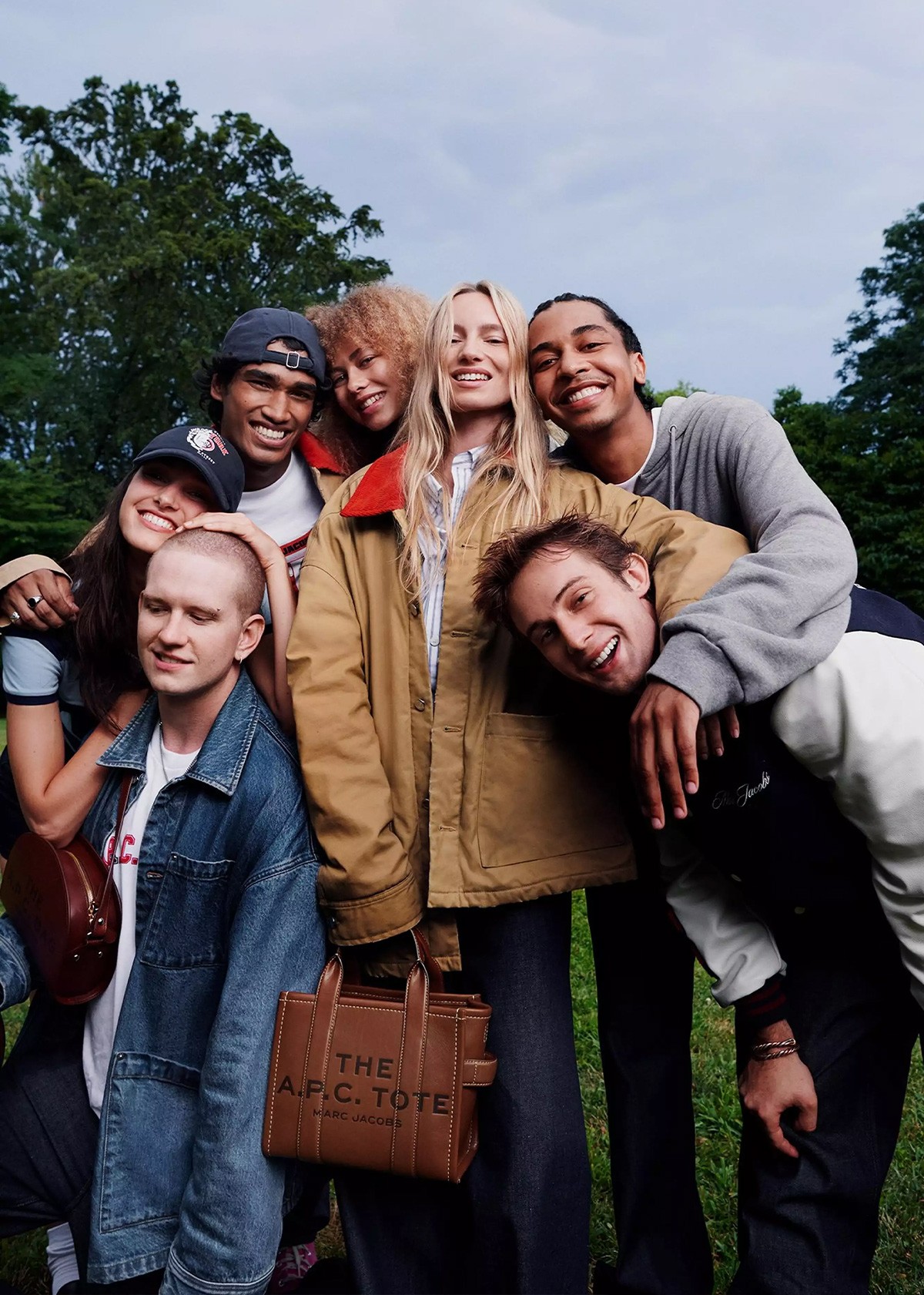
Courtesy of Marc Jacobs.
Courtesy of Marc Jacobs.
Courtesy of Marc Jacobs.
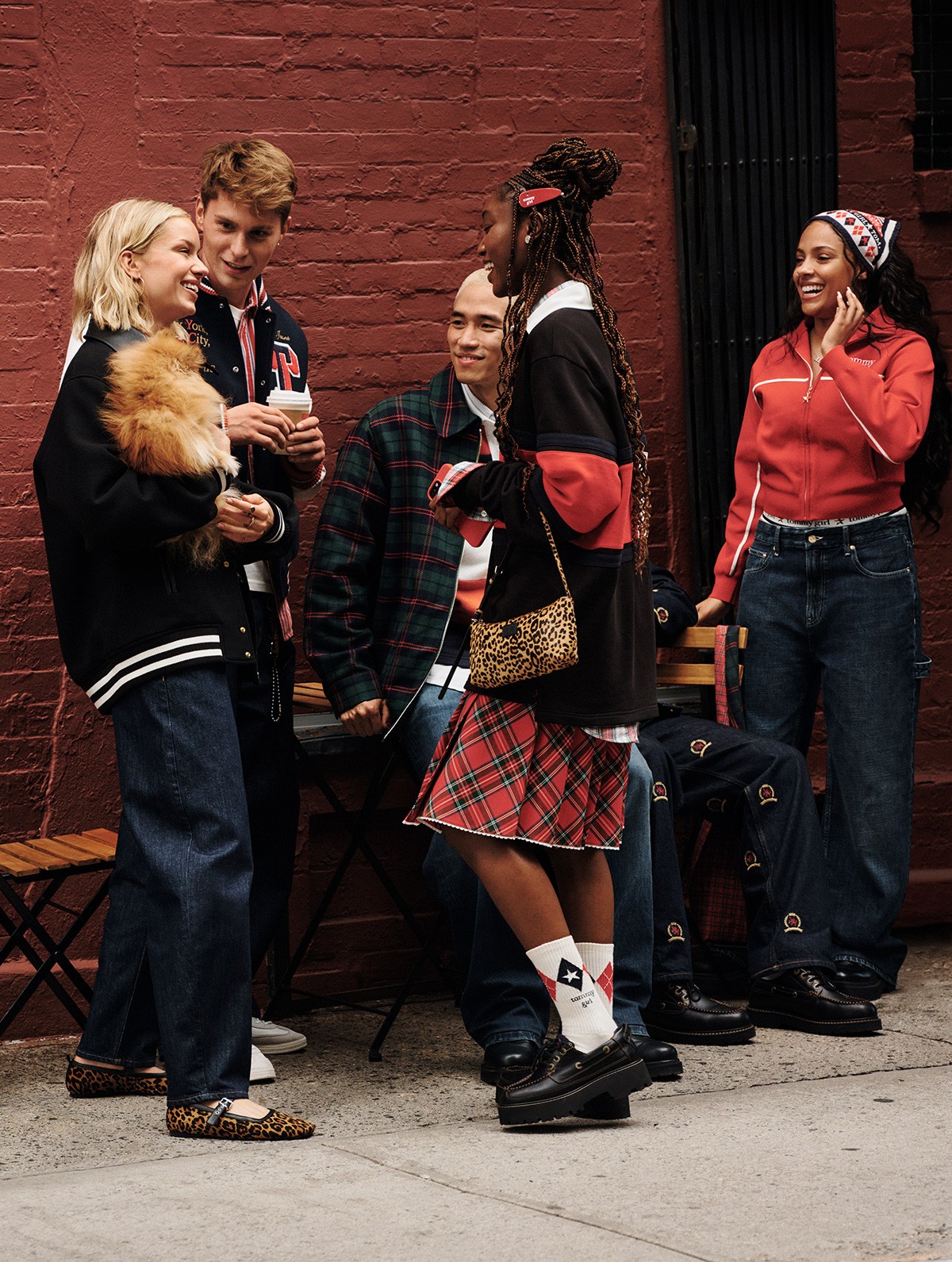
Courtesy of Tommy Hilfiger.
Courtesy of Tommy Hilfiger.
Courtesy of Tommy Hilfiger.
Reverberations That Echo Beyond the Screen
Reverberations That Echo Beyond the Screen
Reverberations That Echo Beyond the Screen
Every participant in the social media ecosystem understands that visibility is fleeting – an inevitable consequence of the medium’s evolution. In practice, this leaves two primary avenues: becoming highly skilled at capturing attention or becoming memorable enough to linger once attention has moved on. The ideal, of course, is mastery of both. Within marketing – and fashion marketing in particular – the former has long dominated. Brands have pursued the immediate: clicks, views, virality, reach.
Yet as platforms have matured, so have their users. Increasingly, people have grown protective of their time online, seeking faster gratification – quicker relief, quicker stimulation, quicker escape. However, promotional content rarely satisfies those needs. In this context, the pursuit of memorability begins to outweigh the pursuit of momentary attention. At the same time, the rapid proliferation of AI-generated imagery – expanding in both volume and refinement – has produced an equally visible fatigue. Dismissed as “AI slop,” such content has increased the desire for what feels authored and man-made work, rooted in heritage, craft, culture, creativity, and nature.
For luxury fashion houses, this shift offers a structural advantage. Unlike other sectors whose marketing is built primarily around utility or price, luxury already rests on the very qualities audiences are beginning to seek again: history, codes, symbolism, and a coherent worldview. The foundation is there. The task is less reinvention than recalibration – almost a return. To look backward, not with nostalgia, but with intent: to reidentify the brand’s true inheritance, the pillars it stands upon, and the values it has the authority to claim. From there, the imperative is simple, if demanding: to commit to those truths fully, consistently, and without apology – expressed through creative exploration that remains anchored in identity.
Every participant in the social media ecosystem understands that visibility is fleeting – an inevitable consequence of the medium’s evolution. In practice, this leaves two primary avenues: becoming highly skilled at capturing attention or becoming memorable enough to linger once attention has moved on. The ideal, of course, is mastery of both. Within marketing – and fashion marketing in particular – the former has long dominated. Brands have pursued the immediate: clicks, views, virality, reach.
Yet as platforms have matured, so have their users. Increasingly, people have grown protective of their time online, seeking faster gratification – quicker relief, quicker stimulation, quicker escape. However, promotional content rarely satisfies those needs. In this context, the pursuit of memorability begins to outweigh the pursuit of momentary attention. At the same time, the rapid proliferation of AI-generated imagery – expanding in both volume and refinement – has produced an equally visible fatigue. Dismissed as “AI slop,” such content has increased the desire for what feels authored and man-made work, rooted in heritage, craft, culture, creativity, and nature.
For luxury fashion houses, this shift offers a structural advantage. Unlike other sectors whose marketing is built primarily around utility or price, luxury already rests on the very qualities audiences are beginning to seek again: history, codes, symbolism, and a coherent worldview. The foundation is there. The task is less reinvention than recalibration – almost a return. To look backward, not with nostalgia, but with intent: to reidentify the brand’s true inheritance, the pillars it stands upon, and the values it has the authority to claim. From there, the imperative is simple, if demanding: to commit to those truths fully, consistently, and without apology – expressed through creative exploration that remains anchored in identity.
Every participant in the social media ecosystem understands that visibility is fleeting – an inevitable consequence of the medium’s evolution. In practice, this leaves two primary avenues: becoming highly skilled at capturing attention or becoming memorable enough to linger once attention has moved on. The ideal, of course, is mastery of both. Within marketing – and fashion marketing in particular – the former has long dominated. Brands have pursued the immediate: clicks, views, virality, reach.
Yet as platforms have matured, so have their users. Increasingly, people have grown protective of their time online, seeking faster gratification – quicker relief, quicker stimulation, quicker escape. However, promotional content rarely satisfies those needs. In this context, the pursuit of memorability begins to outweigh the pursuit of momentary attention. At the same time, the rapid proliferation of AI-generated imagery – expanding in both volume and refinement – has produced an equally visible fatigue. Dismissed as “AI slop,” such content has increased the desire for what feels authored and man-made work, rooted in heritage, craft, culture, creativity, and nature.
For luxury fashion houses, this shift offers a structural advantage. Unlike other sectors whose marketing is built primarily around utility or price, luxury already rests on the very qualities audiences are beginning to seek again: history, codes, symbolism, and a coherent worldview. The foundation is there. The task is less reinvention than recalibration – almost a return. To look backward, not with nostalgia, but with intent: to reidentify the brand’s true inheritance, the pillars it stands upon, and the values it has the authority to claim. From there, the imperative is simple, if demanding: to commit to those truths fully, consistently, and without apology – expressed through creative exploration that remains anchored in identity.
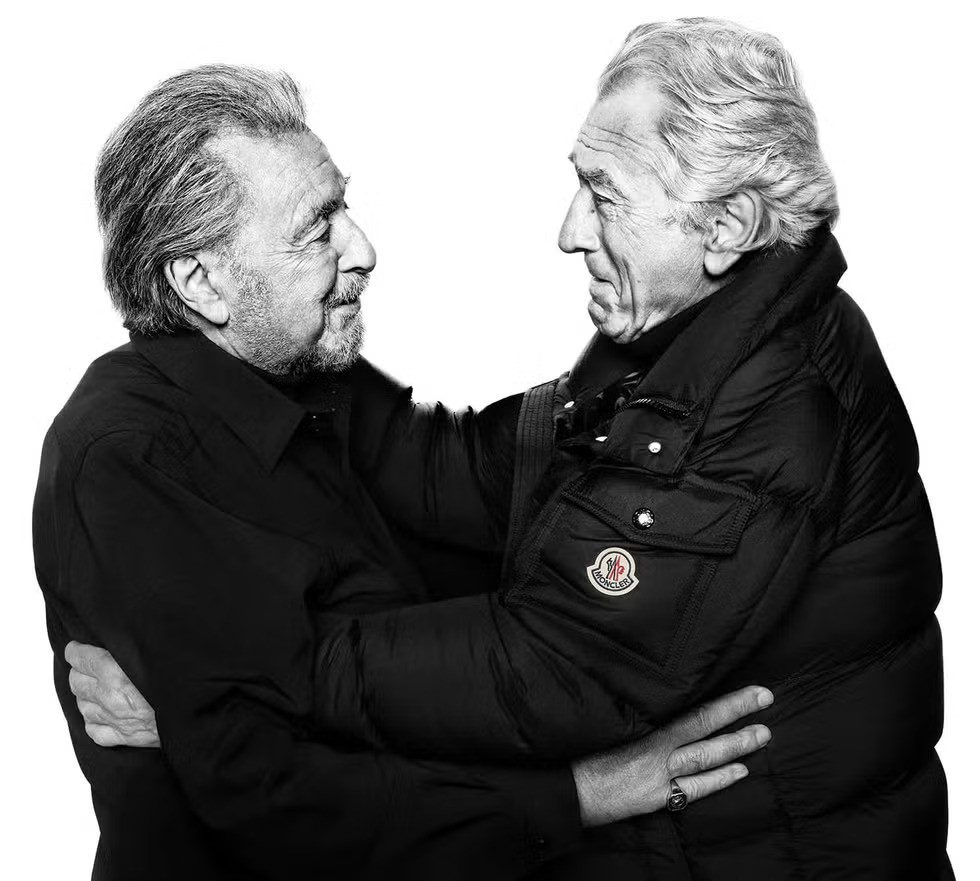
Courtesy of Monclear.
Courtesy of Monclear.
Courtesy of Monclear.
People remember the values a brand conveys and the feelings it instills inside them. Over time, it compiles, transforming consumers of content into customers of products. Repetition accumulates; meaning compacts. The purchase of luxury items is not principally about the products themselves, but of the feeling they invoke in the customer and the values the brand transmits. The object becomes a vessel for the meaning that surrounds it.
People remember the values a brand conveys and the feelings it instills inside them. Over time, it compiles, transforming consumers of content into customers of products. Repetition accumulates; meaning compacts. The purchase of luxury items is not principally about the products themselves, but of the feeling they invoke in the customer and the values the brand transmits. The object becomes a vessel for the meaning that surrounds it.
People remember the values a brand conveys and the feelings it instills inside them. Over time, it compiles, transforming consumers of content into customers of products. Repetition accumulates; meaning compacts. The purchase of luxury items is not principally about the products themselves, but of the feeling they invoke in the customer and the values the brand transmits. The object becomes a vessel for the meaning that surrounds it.
Final Words
Final Words
Final Words
To market the brand is to transmit its codes and evoke its atmosphere. By repeatedly and consistently carrying out its message in creative yet anchored ways, it starts to reverberate stronger and stronger over time until it forms a melody inside people that resonates through their entire being. Everyone has music that speaks to their hearts, and now more than ever, people want to display their unique taste. Fashion brands have the instruments to create their own music, and when fully and unapologetically leaning into it, it will resonate with people and they will come to listen.
To market the brand is to transmit its codes and evoke its atmosphere. By repeatedly and consistently carrying out its message in creative yet anchored ways, it starts to reverberate stronger and stronger over time until it forms a melody inside people that resonates through their entire being. Everyone has music that speaks to their hearts, and now more than ever, people want to display their unique taste. Fashion brands have the instruments to create their own music, and when fully and unapologetically leaning into it, it will resonate with people and they will come to listen.
To market the brand is to transmit its codes and evoke its atmosphere. By repeatedly and consistently carrying out its message in creative yet anchored ways, it starts to reverberate stronger and stronger over time until it forms a melody inside people that resonates through their entire being. Everyone has music that speaks to their hearts, and now more than ever, people want to display their unique taste. Fashion brands have the instruments to create their own music, and when fully and unapologetically leaning into it, it will resonate with people and they will come to listen.
More Stories
More Stories
More Stories