Feb 4, 2026
Feb 4, 2026
Feb 4, 2026
Season of Exploration: The Best of Haute Couture Spring/Summer 2026
Season of Exploration: The Best of Haute Couture Spring/Summer 2026
Season of Exploration: The Best of Haute Couture Spring/Summer 2026
Fashion
Fashion
Fashion
Season of Exploration: The Best of Haute Couture Spring/Summer 2026
Season of Exploration: The Best of Haute Couture Spring/Summer 2026
Season of Exploration: The Best of Haute Couture Spring/Summer 2026
by
by
by
L’essence Studios Editorial HQ
L’essence Studios Editorial HQ
L’essence Studios Editorial HQ
Courtesy of Saint Laurent
Dec 18, 2025
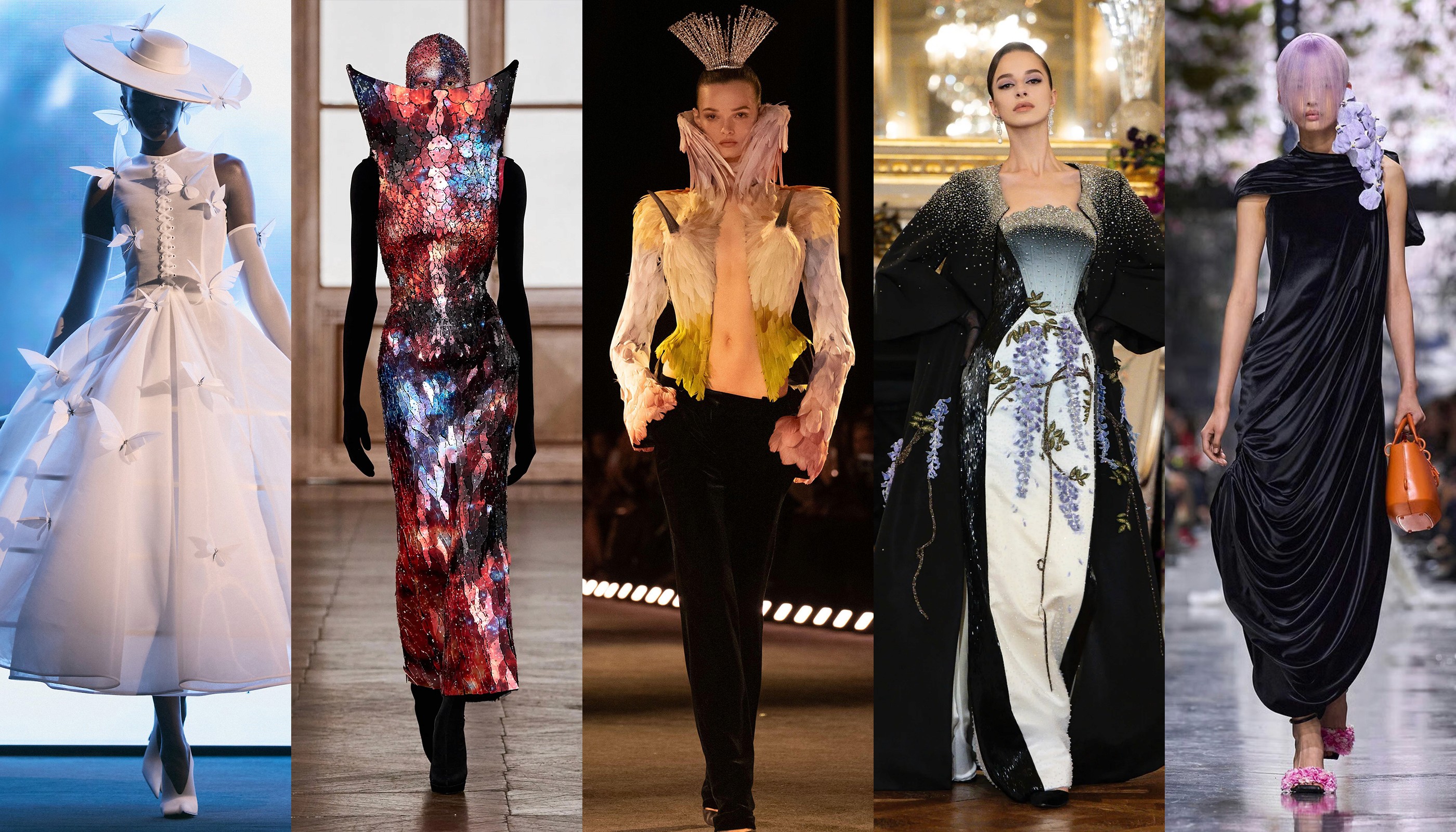
The Spring/Summer 2026 Haute Couture season positioned craftsmanship and concept in close dialogue, exploring how the medium of fashion continues to function as a laboratory for inquiry, creativity, and artistry. Across the week, collections balanced heritage methods with contemporary sensibilities, using couture’s slower tempo to examine form, construction, and meaning through unique lenses. Five designers in particular – Robert Wun, Gaurav Gupta, Daniel Roseberry at Schiaparelli, Sohee Park of Miss Sohee, and Jonathan Anderson at Dior – presented distinct perspectives shaped by meticulous handwork and clearly articulated references, spanning personal and cultural narratives as well as historical and aesthetic inquiry. What follows is a closer look at their approaches, focusing on inspirations, key looks, and defining gestures that framed the season.
The Spring/Summer 2026 Haute Couture season positioned craftsmanship and concept in close dialogue, exploring how the medium of fashion continues to function as a laboratory for inquiry, creativity, and artistry. Across the week, collections balanced heritage methods with contemporary sensibilities, using couture’s slower tempo to examine form, construction, and meaning through unique lenses. Five designers in particular – Robert Wun, Gaurav Gupta, Daniel Roseberry at Schiaparelli, Sohee Park of Miss Sohee, and Jonathan Anderson at Dior – presented distinct perspectives shaped by meticulous handwork and clearly articulated references, spanning personal and cultural narratives as well as historical and aesthetic inquiry. What follows is a closer look at their approaches, focusing on inspirations, key looks, and defining gestures that framed the season.
The Spring/Summer 2026 Haute Couture season positioned craftsmanship and concept in close dialogue, exploring how the medium of fashion continues to function as a laboratory for inquiry, creativity, and artistry. Across the week, collections balanced heritage methods with contemporary sensibilities, using couture’s slower tempo to examine form, construction, and meaning through unique lenses. Five designers in particular – Robert Wun, Gaurav Gupta, Daniel Roseberry at Schiaparelli, Sohee Park of Miss Sohee, and Jonathan Anderson at Dior – presented distinct perspectives shaped by meticulous handwork and clearly articulated references, spanning personal and cultural narratives as well as historical and aesthetic inquiry. What follows is a closer look at their approaches, focusing on inspirations, key looks, and defining gestures that framed the season.
Share
Robert Wun – Valor: The Storm of Creation
Robert Wun – Valor: The Storm of Creation
Robert Wun – Valor: The Storm of Creation
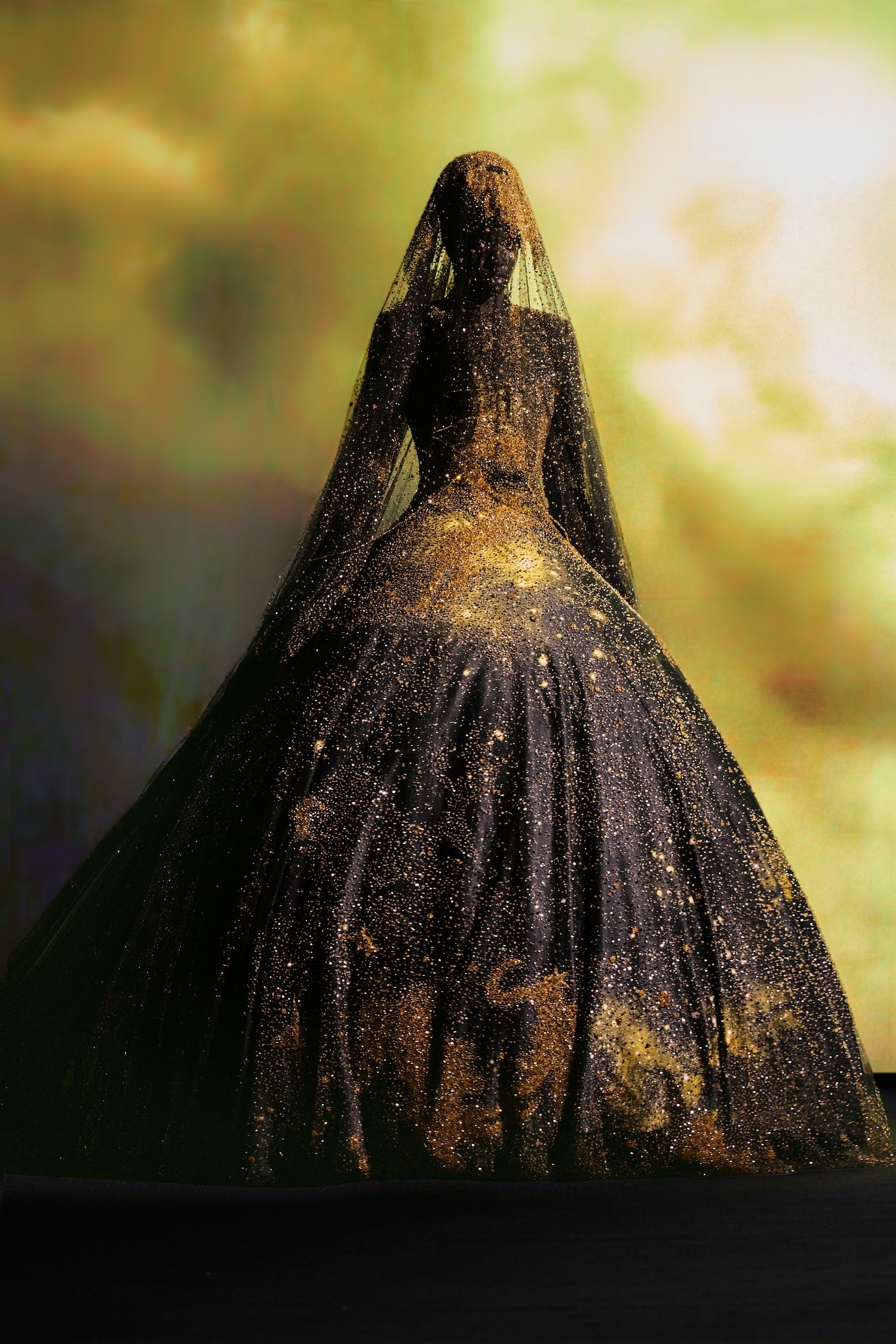
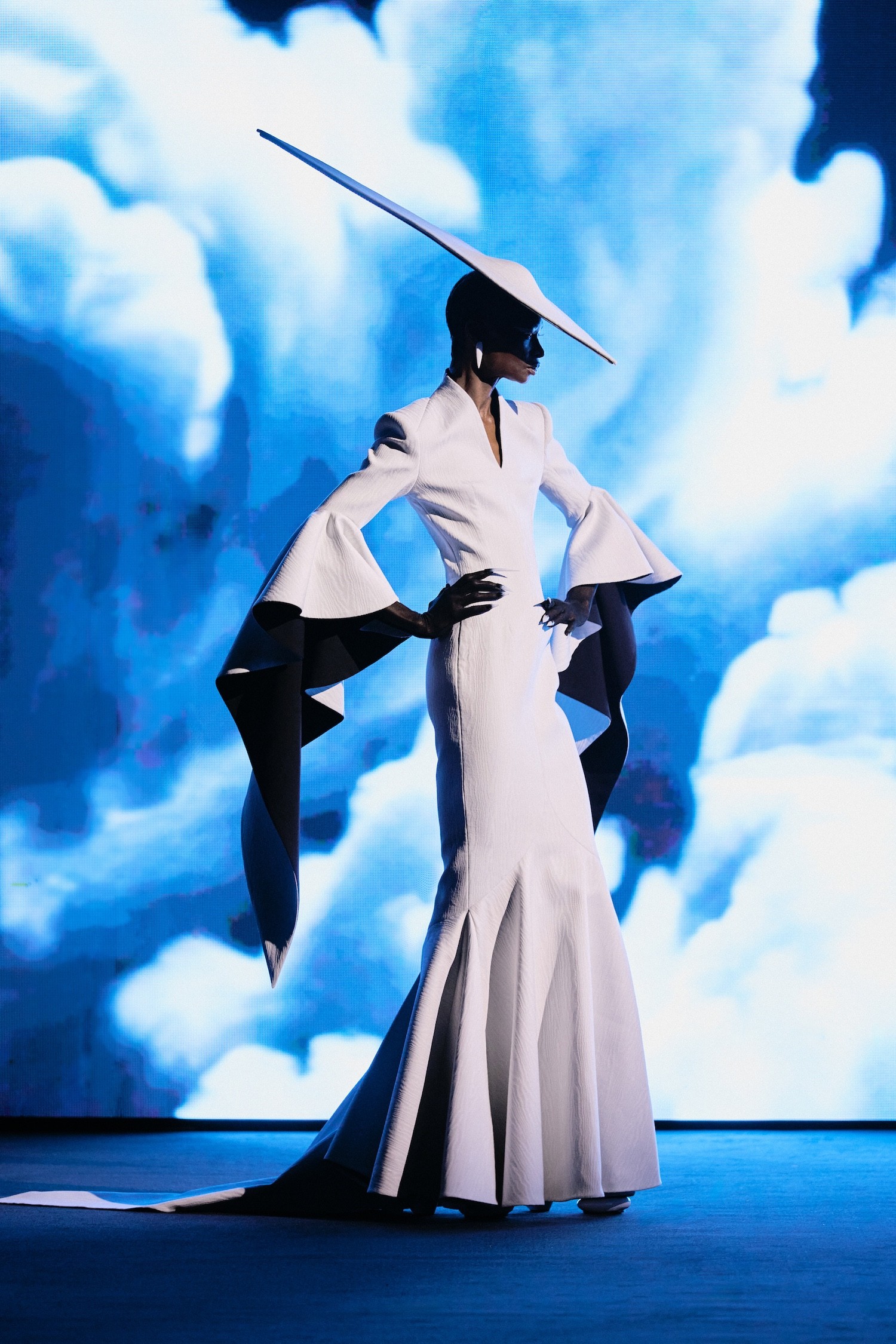
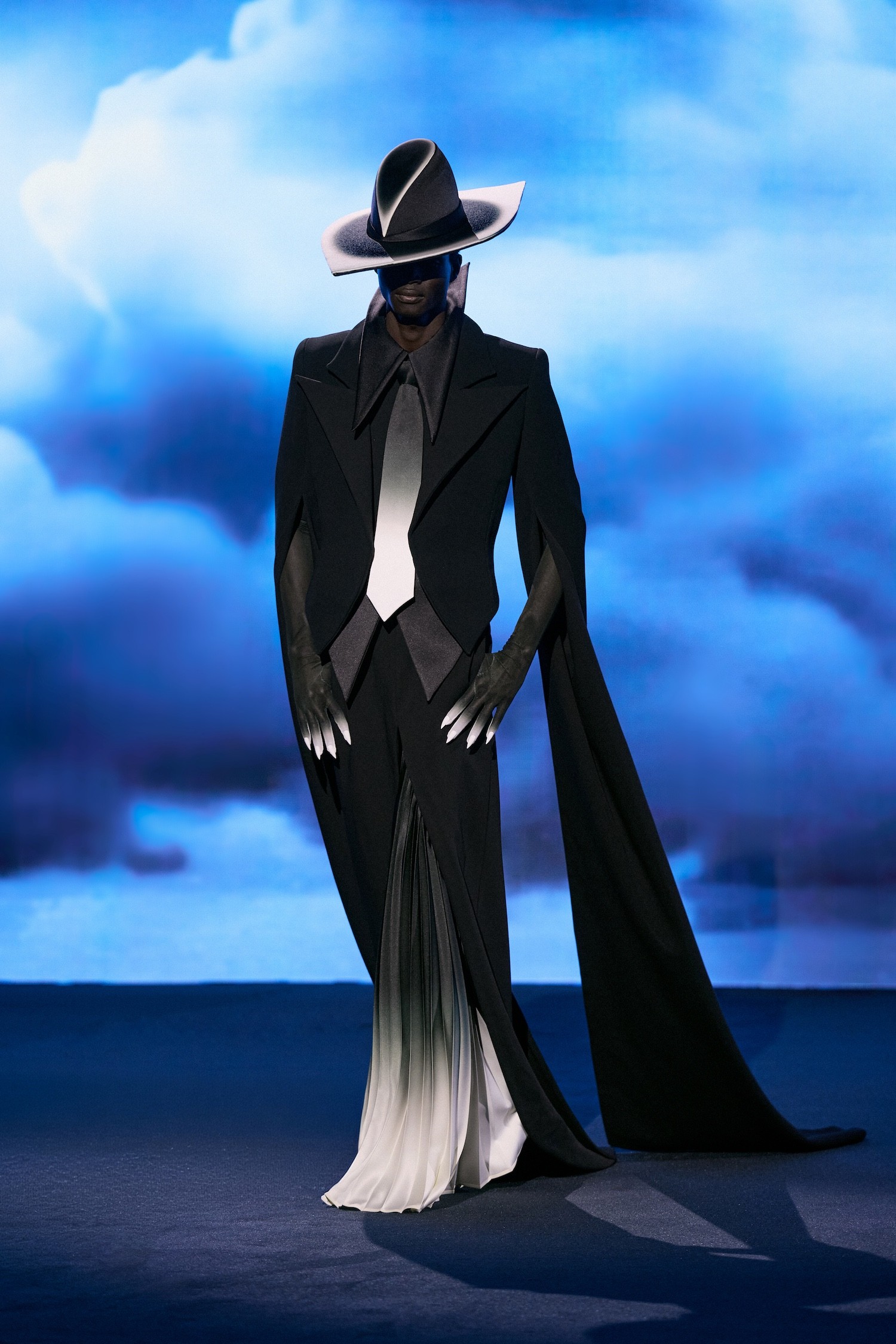
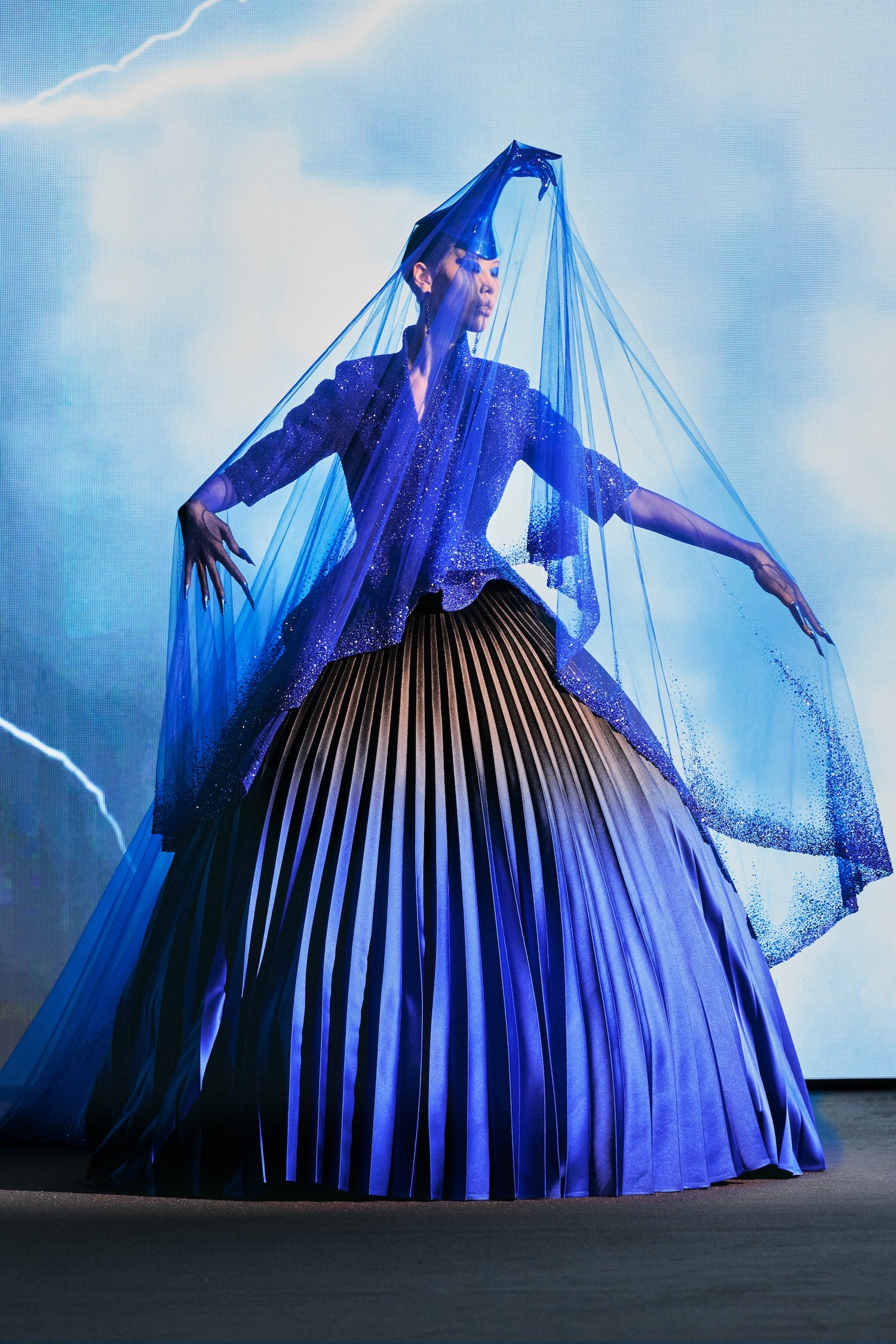
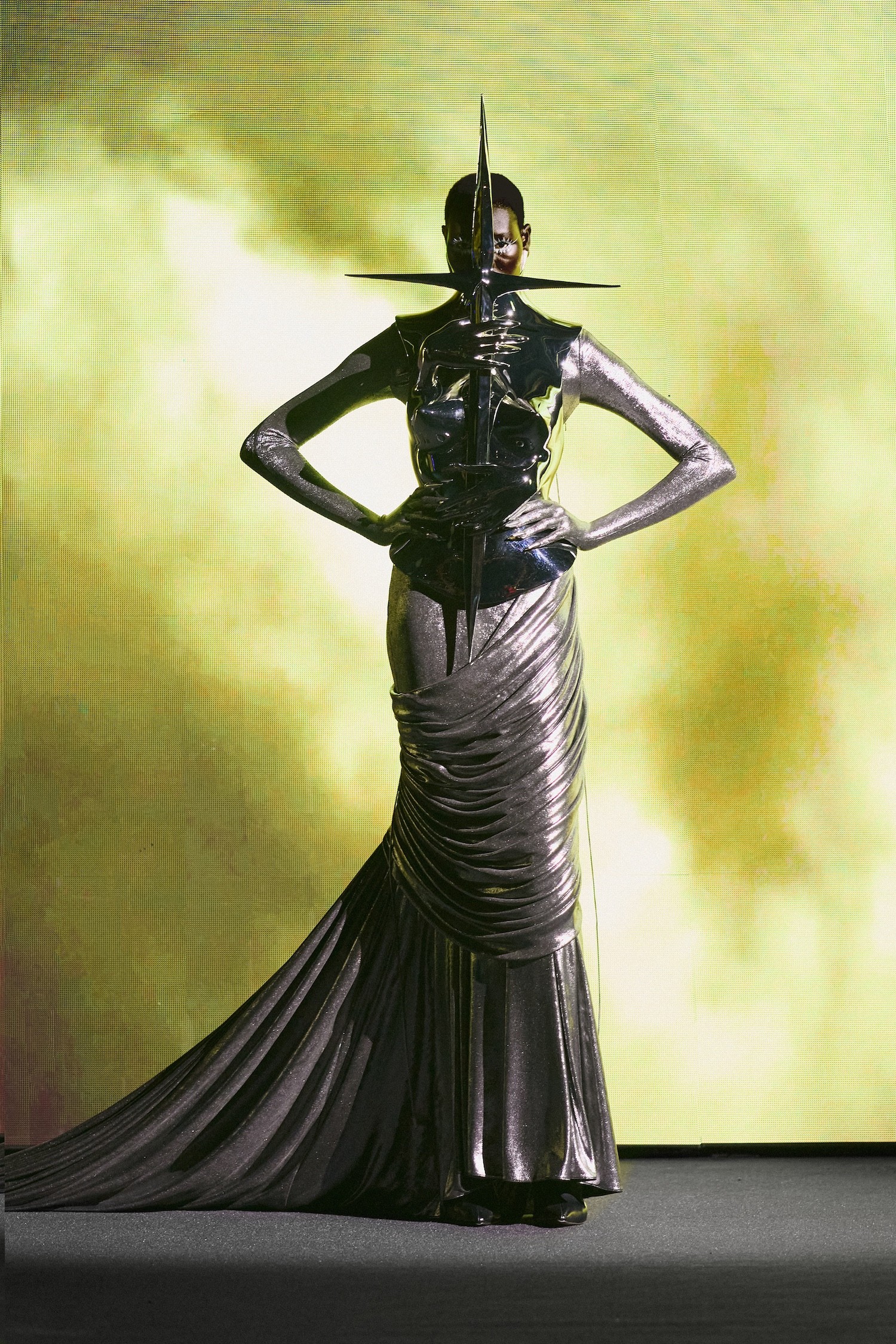
Robert Wun approached his Spring 2026 haute couture debut as a three-act opus on the emotional journey of creation. Titled “Valor: The Desire to Create, and the Courage to Carry On,” his collection channeled the trials and triumphs of the creative process. Staged at the storied Lido cabaret under rolling thunderstorm visuals, Act I (“Library”) opened with sculpted black-and-white looks inspired by Wun’s old sketchbooks, symbolizing the quiet birth of dreams. Restrained for this typically dramatic designer, these monochrome silhouettes featured precise corseted bodices, rounded bolero shoulders, and flared skirts – elegant armor for imagination. In Act II, titled “Luxury: Confrontation of Reality,” the tone shifted with models appearing as eccentric beings with molded bodices like high-jewelry displays, faces obscured by crystal-encrusted masks and adorned with gleaming diamond necklaces – very much a commentary and dialogue of clash between creative aspiration and economic reality. Wun wove humor and spectacle into the critique, sending out pointy, bright-hued corsets atop trailing skirts, and even a 40-kilogram gown fully encrusted in micro glass beads – literally a heavyweight showpiece. (The model carried this gigantic circular beaded gown with stoic grace, as if a 40-kg “wearable dumbbell” were no burden at all.) Then, when one thought what had been displayed could not be topped, Act III (“Valor”) commenced. Through avant-garde looks defined by armour and swords, Wun appeared to state that even if faced with resistance, he will protect and carry out his dreams – even if, as shown through the penultimate look, set back. And those dreams were what Wun seemed to convey through the collection’s final look: a veiled gown adorned with countless golden gemstones like a night sky full of stars, representing the beauty and infinity of one’s dreams like the universe and its endless stars. It was couture as mythmaking: armor on, storm raging, dreams intact. Wun explained that the three chapters chart the creator’s path “to be inspired, to be desired, and finally to summon the courage to move forward,” asserting that couture survives because it reflects not who we are but who we aspire to be – the dream that refuses to die. In his imaginative, quasi-poetic way, Wun made a passionate case for couture as fashion’s grand act of courage and vision.
Robert Wun approached his Spring 2026 haute couture debut as a three-act opus on the emotional journey of creation. Titled “Valor: The Desire to Create, and the Courage to Carry On,” his collection channeled the trials and triumphs of the creative process. Staged at the storied Lido cabaret under rolling thunderstorm visuals, Act I (“Library”) opened with sculpted black-and-white looks inspired by Wun’s old sketchbooks, symbolizing the quiet birth of dreams. Restrained for this typically dramatic designer, these monochrome silhouettes featured precise corseted bodices, rounded bolero shoulders, and flared skirts – elegant armor for imagination. In Act II, titled “Luxury: Confrontation of Reality,” the tone shifted with models appearing as eccentric beings with molded bodices like high-jewelry displays, faces obscured by crystal-encrusted masks and adorned with gleaming diamond necklaces – very much a commentary and dialogue of clash between creative aspiration and economic reality. Wun wove humor and spectacle into the critique, sending out pointy, bright-hued corsets atop trailing skirts, and even a 40-kilogram gown fully encrusted in micro glass beads – literally a heavyweight showpiece. (The model carried this gigantic circular beaded gown with stoic grace, as if a 40-kg “wearable dumbbell” were no burden at all.) Then, when one thought what had been displayed could not be topped, Act III (“Valor”) commenced. Through avant-garde looks defined by armour and swords, Wun appeared to state that even if faced with resistance, he will protect and carry out his dreams – even if, as shown through the penultimate look, set back. And those dreams were what Wun seemed to convey through the collection’s final look: a veiled gown adorned with countless golden gemstones like a night sky full of stars, representing the beauty and infinity of one’s dreams like the universe and its endless stars. It was couture as mythmaking: armor on, storm raging, dreams intact. Wun explained that the three chapters chart the creator’s path “to be inspired, to be desired, and finally to summon the courage to move forward,” asserting that couture survives because it reflects not who we are but who we aspire to be – the dream that refuses to die. In his imaginative, quasi-poetic way, Wun made a passionate case for couture as fashion’s grand act of courage and vision.
Robert Wun approached his Spring 2026 haute couture debut as a three-act opus on the emotional journey of creation. Titled “Valor: The Desire to Create, and the Courage to Carry On,” his collection channeled the trials and triumphs of the creative process. Staged at the storied Lido cabaret under rolling thunderstorm visuals, Act I (“Library”) opened with sculpted black-and-white looks inspired by Wun’s old sketchbooks, symbolizing the quiet birth of dreams. Restrained for this typically dramatic designer, these monochrome silhouettes featured precise corseted bodices, rounded bolero shoulders, and flared skirts – elegant armor for imagination. In Act II, titled “Luxury: Confrontation of Reality,” the tone shifted with models appearing as eccentric beings with molded bodices like high-jewelry displays, faces obscured by crystal-encrusted masks and adorned with gleaming diamond necklaces – very much a commentary and dialogue of clash between creative aspiration and economic reality. Wun wove humor and spectacle into the critique, sending out pointy, bright-hued corsets atop trailing skirts, and even a 40-kilogram gown fully encrusted in micro glass beads – literally a heavyweight showpiece. (The model carried this gigantic circular beaded gown with stoic grace, as if a 40-kg “wearable dumbbell” were no burden at all.) Then, when one thought what had been displayed could not be topped, Act III (“Valor”) commenced. Through avant-garde looks defined by armour and swords, Wun appeared to state that even if faced with resistance, he will protect and carry out his dreams – even if, as shown through the penultimate look, set back. And those dreams were what Wun seemed to convey through the collection’s final look: a veiled gown adorned with countless golden gemstones like a night sky full of stars, representing the beauty and infinity of one’s dreams like the universe and its endless stars. It was couture as mythmaking: armor on, storm raging, dreams intact. Wun explained that the three chapters chart the creator’s path “to be inspired, to be desired, and finally to summon the courage to move forward,” asserting that couture survives because it reflects not who we are but who we aspire to be – the dream that refuses to die. In his imaginative, quasi-poetic way, Wun made a passionate case for couture as fashion’s grand act of courage and vision.
Our Favourite Looks
Our Favourite Looks
Our Favourite Looks
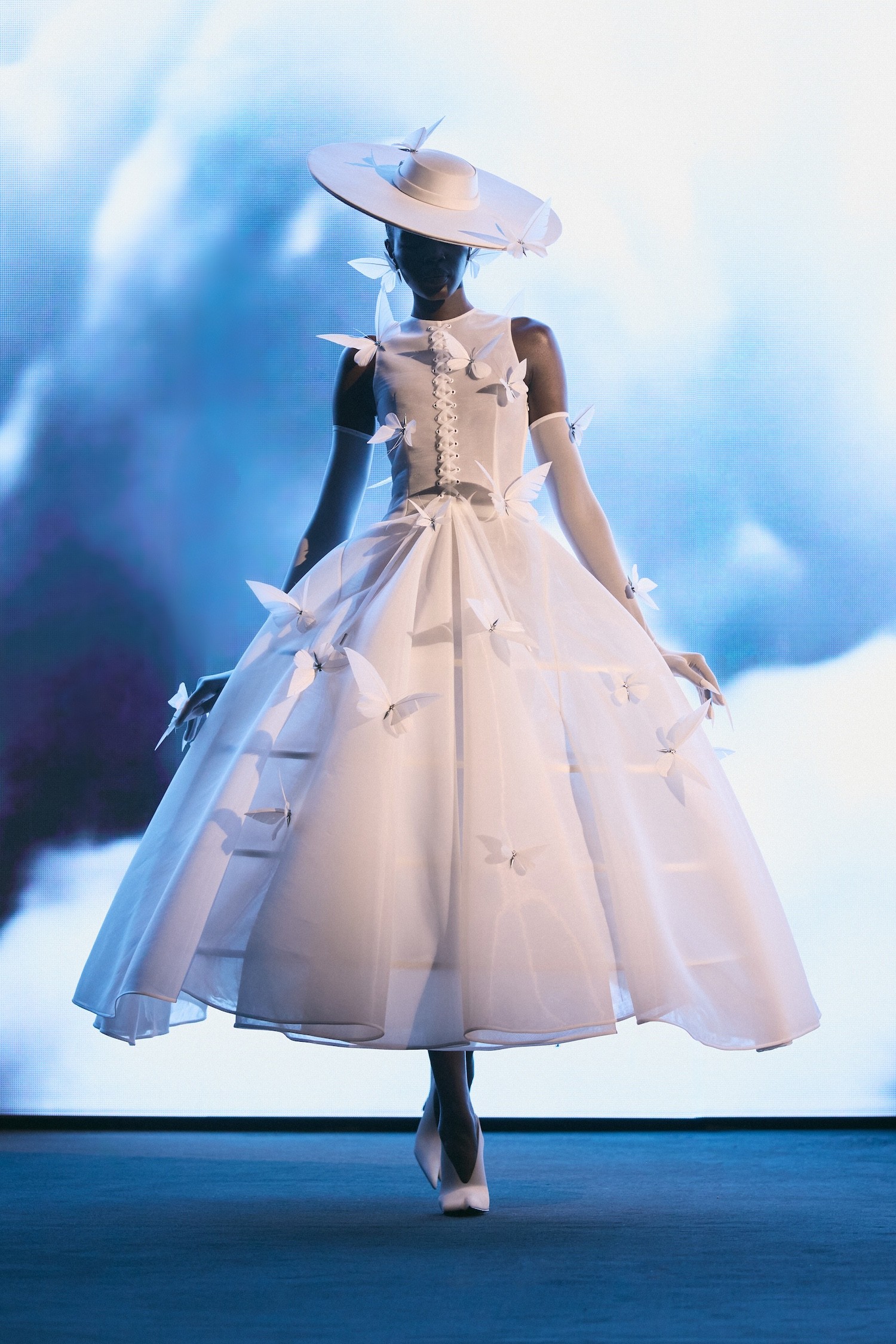
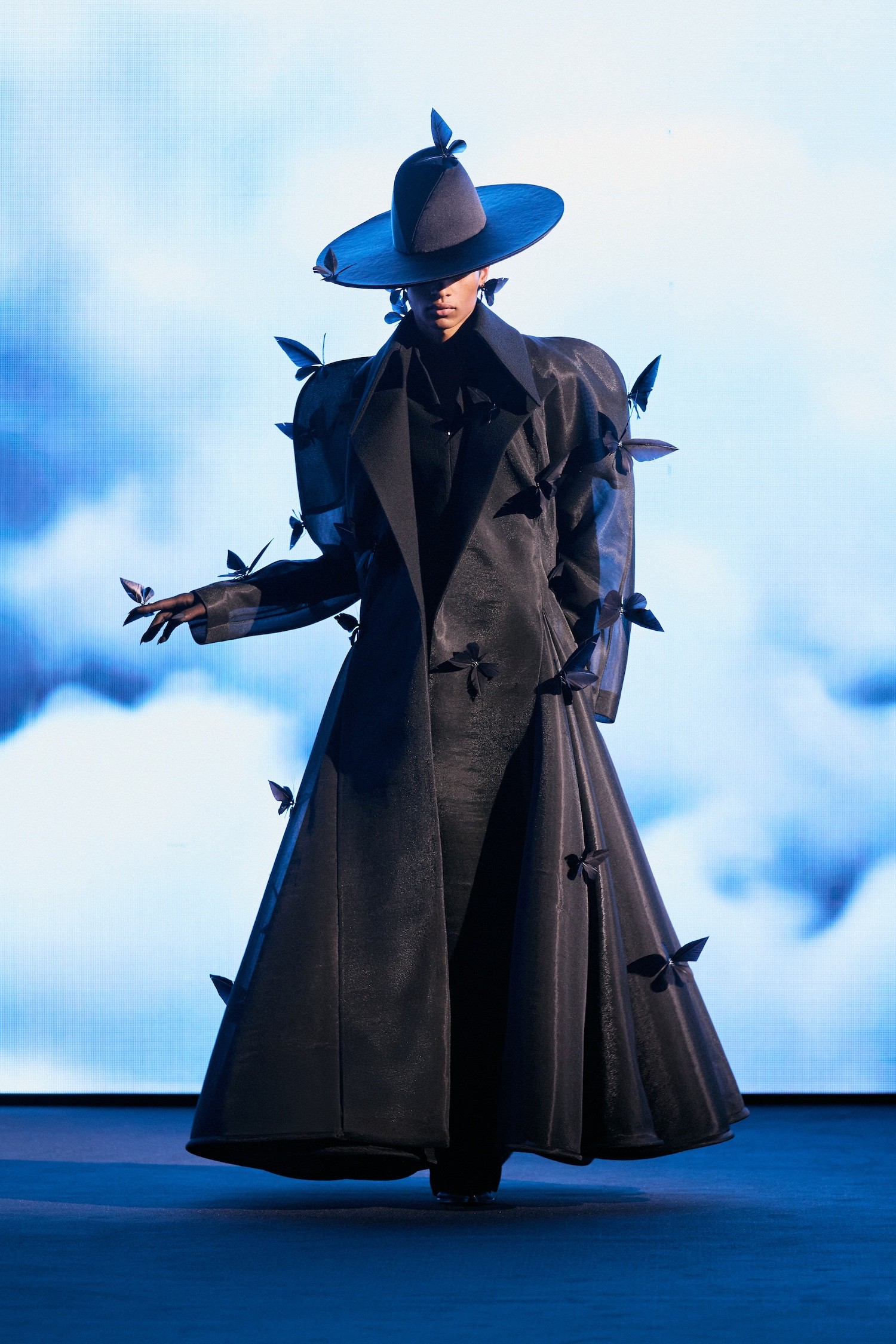
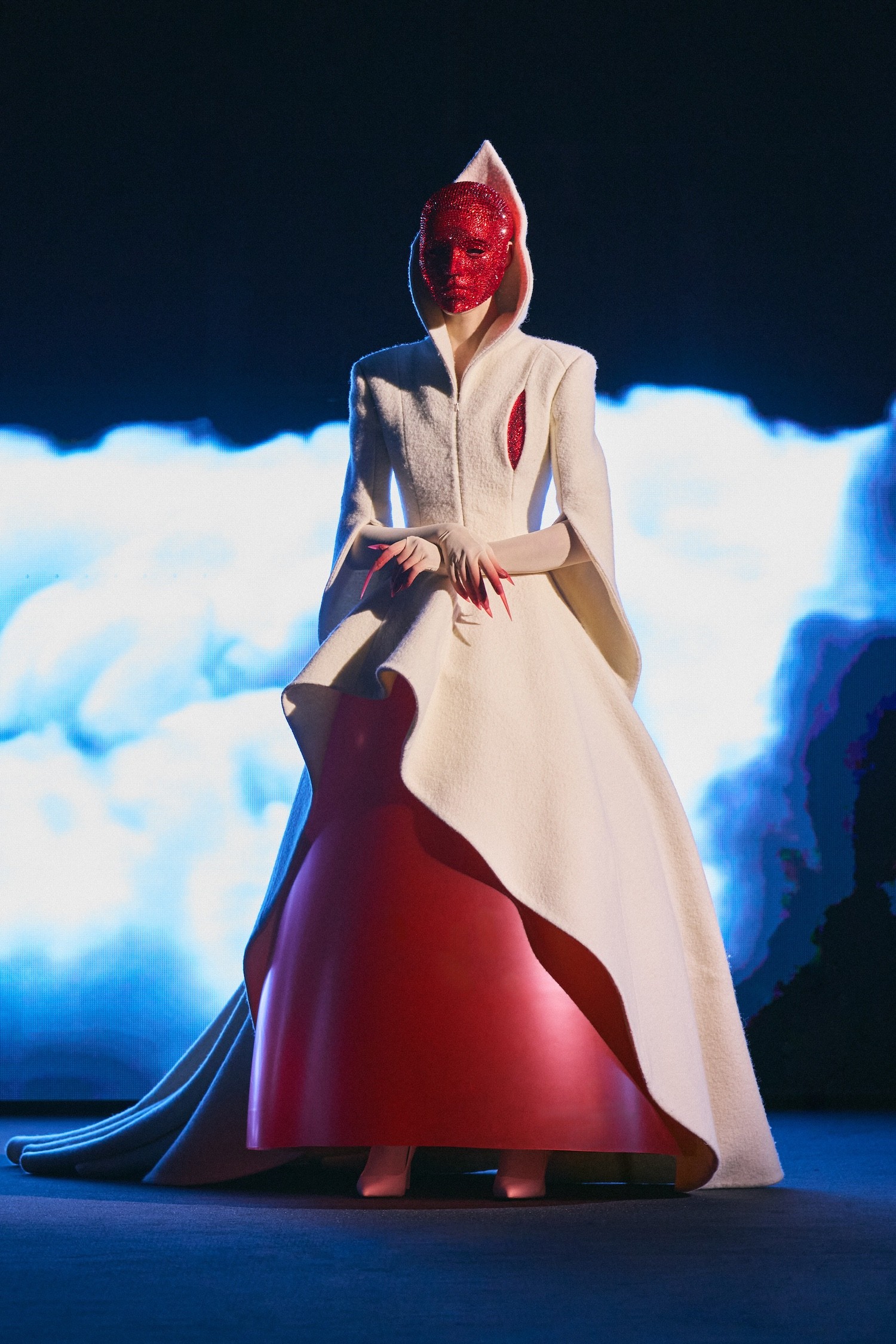
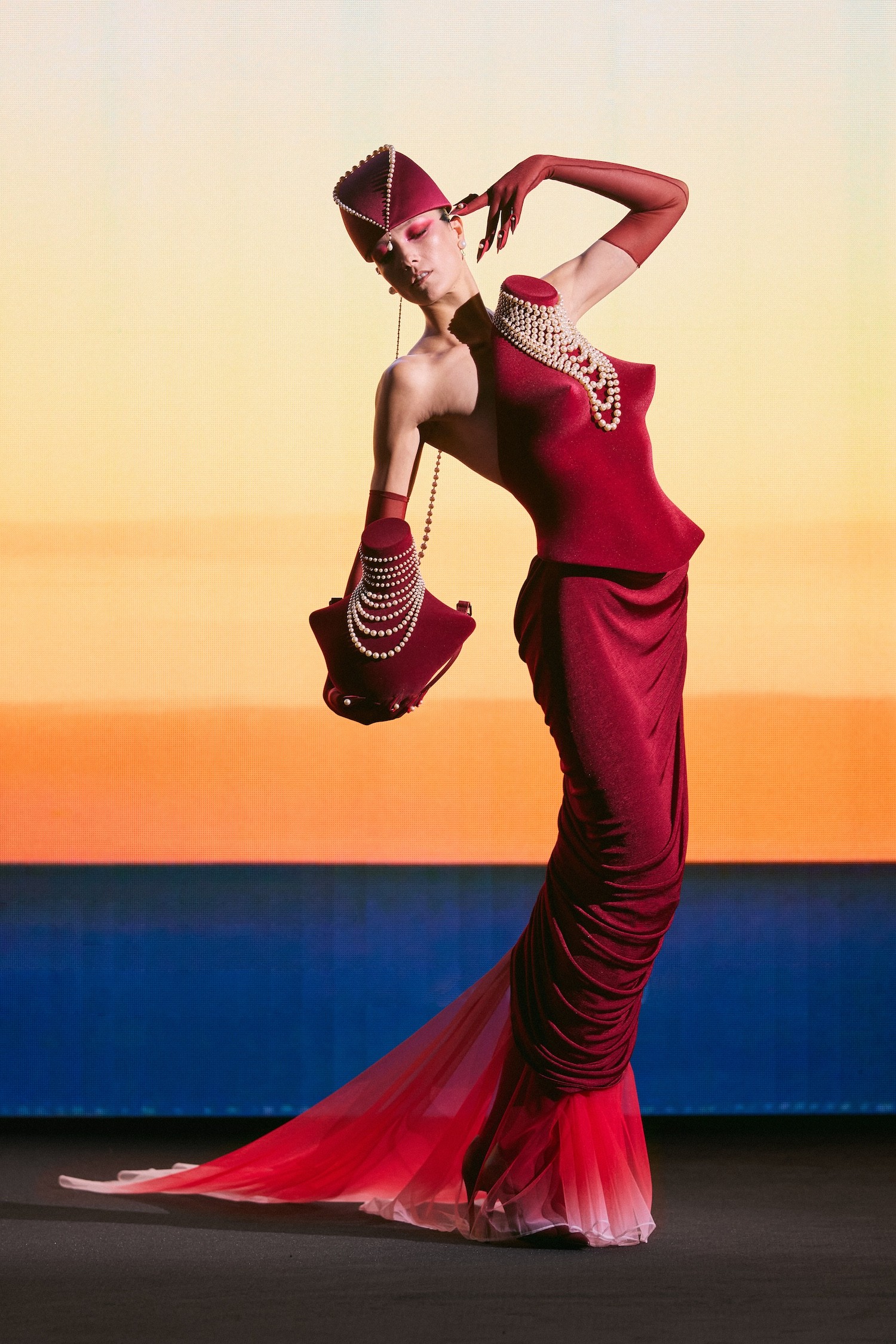
Courtesy of Robert Wun.
Courtesy of Robert Wun.
Courtesy of Robert Wun.
Gaurav Gupta – Divine Androgyne: Cosmic Duality
Gaurav Gupta – Divine Androgyne: Cosmic Duality
Gaurav Gupta – Divine Androgyne: Cosmic Duality
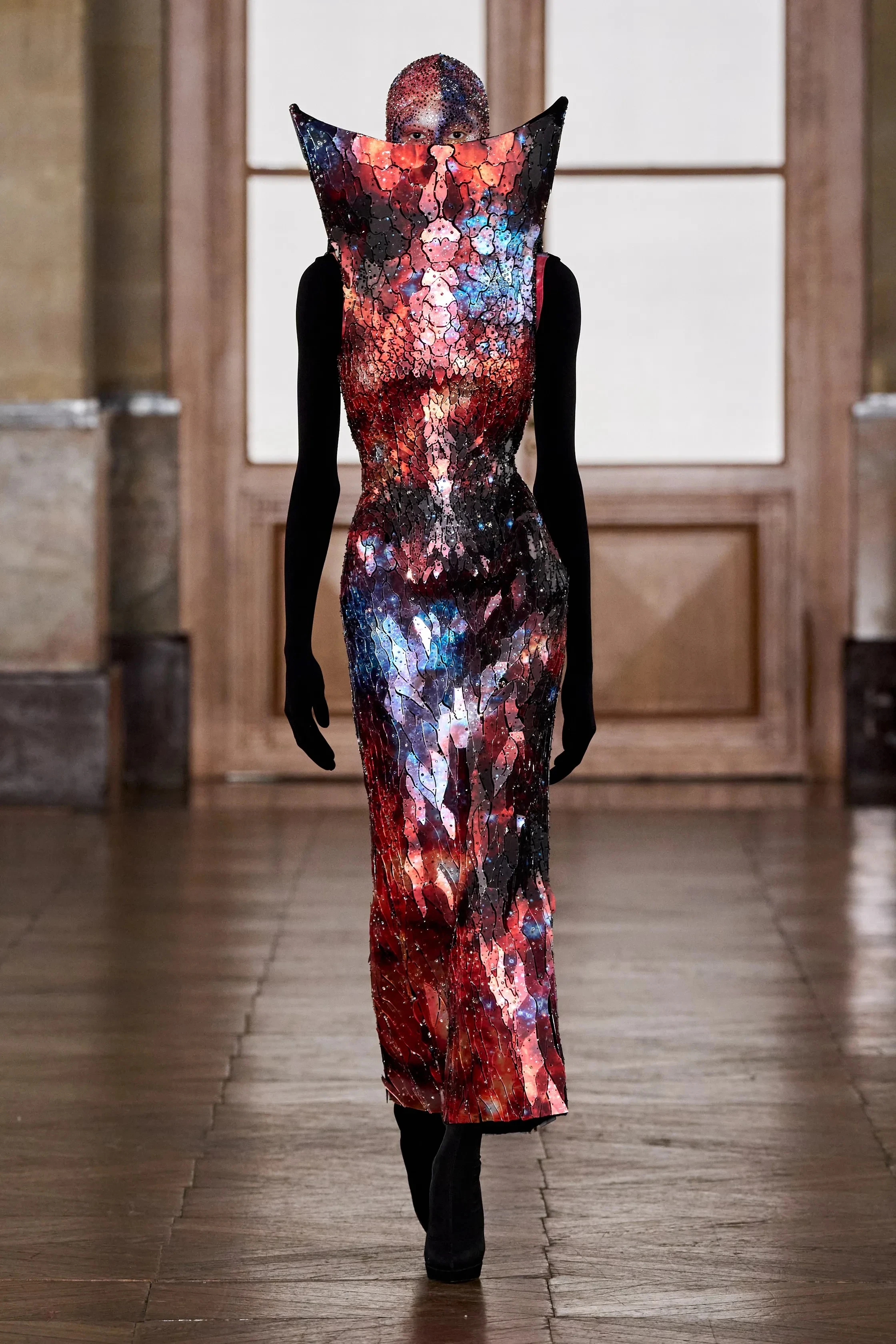
For Spring 2026, Gaurav Gupta turned to ancient Indian philosophy to create a collection of otherworldly beauty and technical bravura. Titled “Divine Androgyne,” his 2026 couture offering was rooted in the concept that creation arises from duality: the masculine and feminine in spiritual union birthing the universe. This theme of cosmic unity permeated the designs, as Gupta and his Indian artisanal atelier translated metaphysics into sculptural couture alive with symbolism.
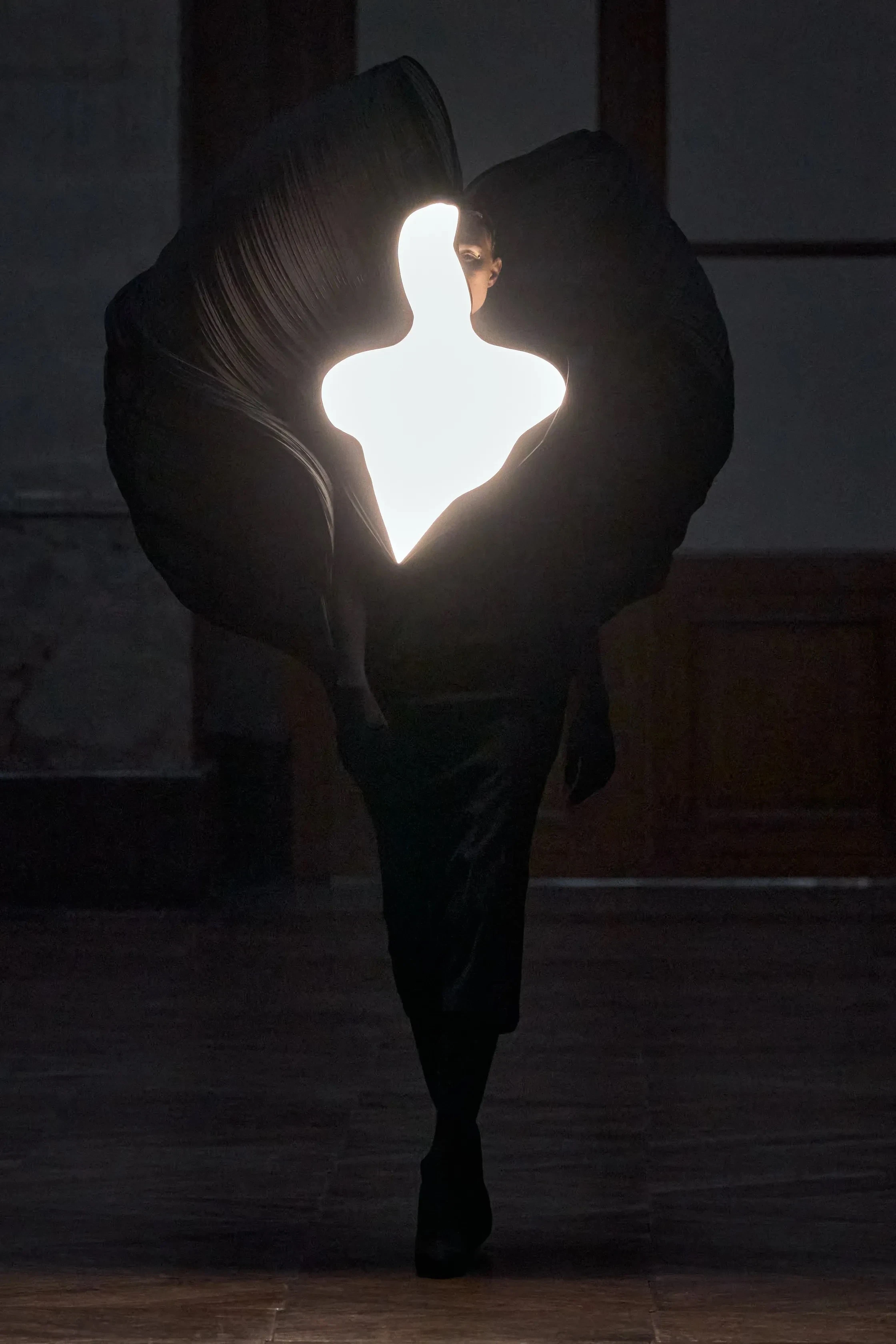
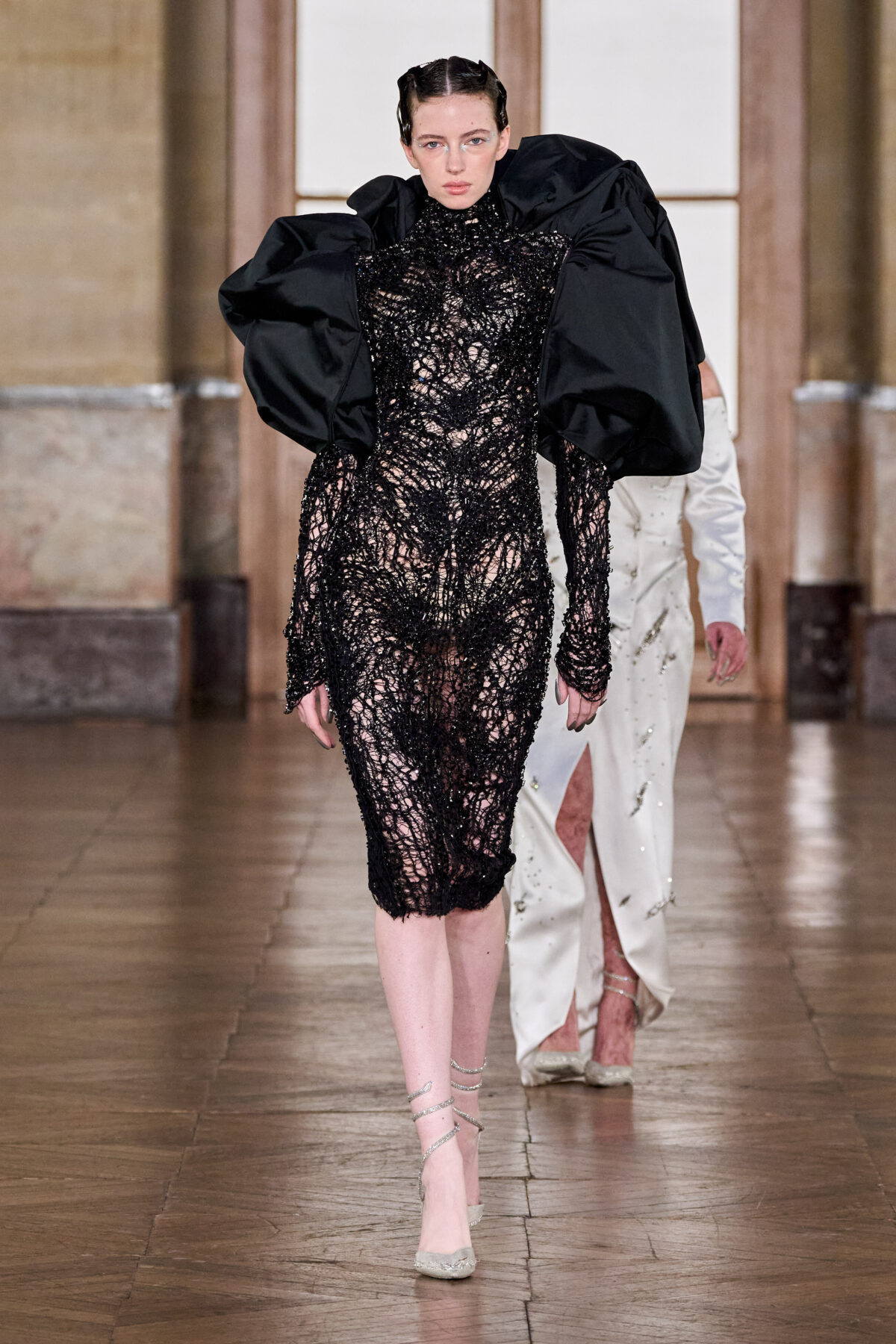
The show opened with a “Big Bang,” manifested through a black sculptural form lit from within, with only half the model’s face illuminated – an image that immediately set the tone for what followed. From there, the collection developed its thesis through body-conscious, idea-dense pieces. One look, for instance, was crafted as a body-tracing gown with delicate handmade lace that meant to represent the anatomy’s energy points like a web tethering spirit to form. Another compelling look arrived in the form of two entwined looks that invoked Ardhanarishvara – the half-male, half-female form of Shiva and Parvati – with twin silhouettes intertwined through ribbons, filaments, and corded lattices, turning union itself into construction.
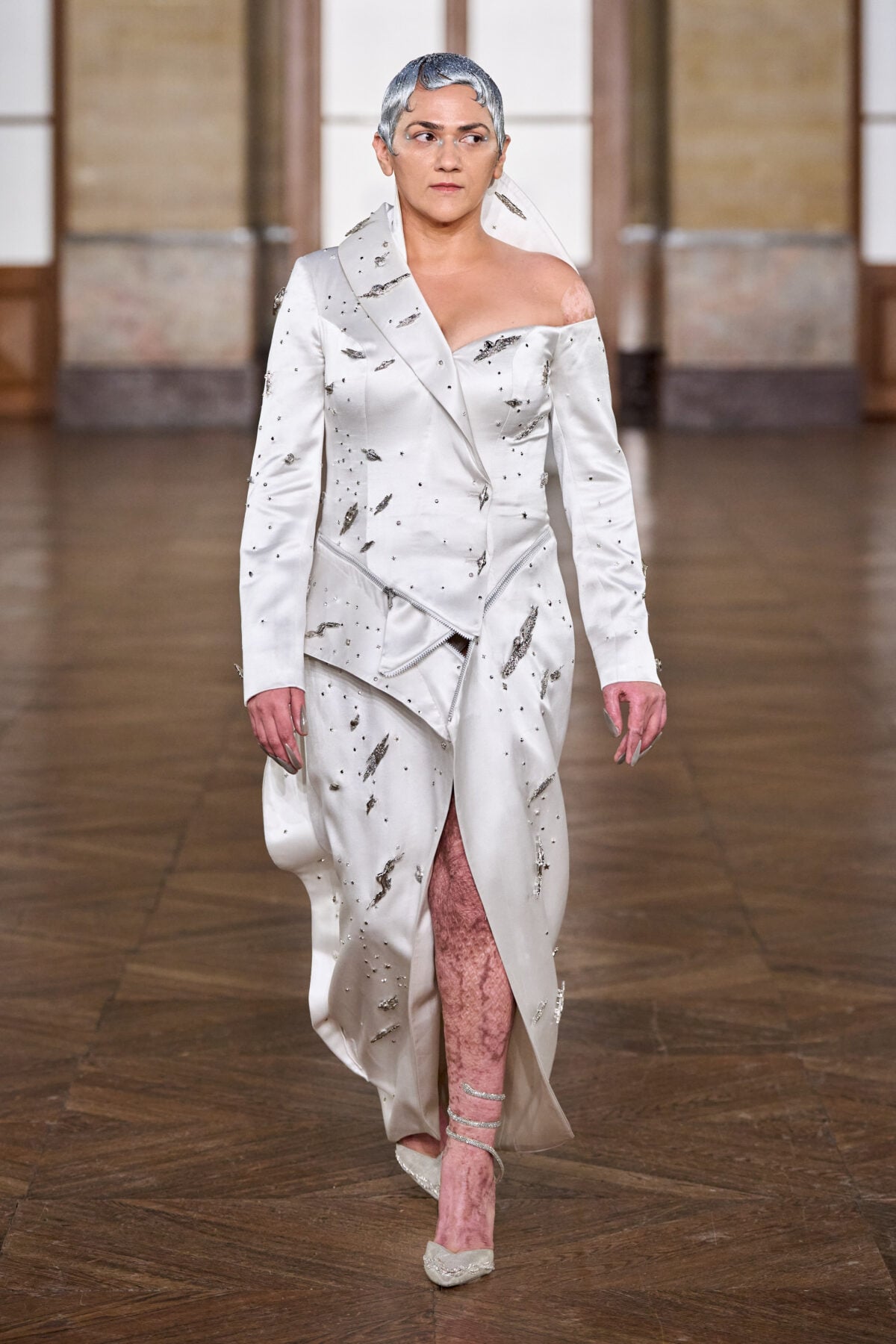
As the narrative widened in scale, time and the cosmos became design elements. The pieces spanned various colors, patterns, and forms while consistently maintaining a sense of otherworldliness. The show unfolded like a “fantasy forest” (in Gupta’s words), and each look served as a testament to meticulous craft that channeled grand philosophical ideas. However, Gupta also incorporated elements that grounded the fantasy, with homages to his heritage: jasmine temple flowers recreated as ornate embroidery, sari-inspired gold webbing, and brocades sculpted into modern corsetry. Red – the color of Indian bridal power – mingled with Western bridal white on the runway, embodying his East-meets-West vision. “Not East or West, but universal,” Gupta remarked of his approach. In the closing sequence, the collection moved toward its most expansive metaphor, with a final sculptural statement that envisioned the universe itself as a sequined cosmic force, rendered through a mosaic of painted tiles. Though what touched the heart most was with the symbolic note of his life partner, Navkirat Sodhi, walking the runway once more following the fire that left her limbs scarred – underscoring the themes of love, resilience, and healing.
For Spring 2026, Gaurav Gupta turned to ancient Indian philosophy to create a collection of otherworldly beauty and technical bravura. Titled “Divine Androgyne,” his 2026 couture offering was rooted in the concept that creation arises from duality: the masculine and feminine in spiritual union birthing the universe. This theme of cosmic unity permeated the designs, as Gupta and his Indian artisanal atelier translated metaphysics into sculptural couture alive with symbolism.
The show opened with a “Big Bang,” manifested through a black sculptural form lit from within, with only half the model’s face illuminated – an image that immediately set the tone for what followed. From there, the collection developed its thesis through body-conscious, idea-dense pieces. One look, for instance, was crafted as a body-tracing gown with delicate handmade lace that meant to represent the anatomy’s energy points like a web tethering spirit to form. Another compelling look arrived in the form of two entwined looks that invoked Ardhanarishvara – the half-male, half-female form of Shiva and Parvati – with twin silhouettes intertwined through ribbons, filaments, and corded lattices, turning union itself into construction.
As the narrative widened in scale, time and the cosmos became design elements. The pieces spanned various colors, patterns, and forms while consistently maintaining a sense of otherworldliness. The show unfolded like a “fantasy forest” (in Gupta’s words), and each look served as a testament to meticulous craft that channeled grand philosophical ideas. However, Gupta also incorporated elements that grounded the fantasy, with homages to his heritage: jasmine temple flowers recreated as ornate embroidery, sari-inspired gold webbing, and brocades sculpted into modern corsetry. Red – the color of Indian bridal power – mingled with Western bridal white on the runway, embodying his East-meets-West vision. “Not East or West, but universal,” Gupta remarked of his approach. In the closing sequence, the collection moved toward its most expansive metaphor, with a final sculptural statement that envisioned the universe itself as a sequined cosmic force, rendered through a mosaic of painted tiles. Though what touched the heart most was with the symbolic note of his life partner, Navkirat Sodhi, walking the runway once more following the fire that left her limbs scarred – underscoring the themes of love, resilience, and healing.
For Spring 2026, Gaurav Gupta turned to ancient Indian philosophy to create a collection of otherworldly beauty and technical bravura. Titled “Divine Androgyne,” his 2026 couture offering was rooted in the concept that creation arises from duality: the masculine and feminine in spiritual union birthing the universe. This theme of cosmic unity permeated the designs, as Gupta and his Indian artisanal atelier translated metaphysics into sculptural couture alive with symbolism.
The show opened with a “Big Bang,” manifested through a black sculptural form lit from within, with only half the model’s face illuminated – an image that immediately set the tone for what followed. From there, the collection developed its thesis through body-conscious, idea-dense pieces. One look, for instance, was crafted as a body-tracing gown with delicate handmade lace that meant to represent the anatomy’s energy points like a web tethering spirit to form. Another compelling look arrived in the form of two entwined looks that invoked Ardhanarishvara – the half-male, half-female form of Shiva and Parvati – with twin silhouettes intertwined through ribbons, filaments, and corded lattices, turning union itself into construction.
As the narrative widened in scale, time and the cosmos became design elements. The pieces spanned various colors, patterns, and forms while consistently maintaining a sense of otherworldliness. The show unfolded like a “fantasy forest” (in Gupta’s words), and each look served as a testament to meticulous craft that channeled grand philosophical ideas. However, Gupta also incorporated elements that grounded the fantasy, with homages to his heritage: jasmine temple flowers recreated as ornate embroidery, sari-inspired gold webbing, and brocades sculpted into modern corsetry. Red – the color of Indian bridal power – mingled with Western bridal white on the runway, embodying his East-meets-West vision. “Not East or West, but universal,” Gupta remarked of his approach. In the closing sequence, the collection moved toward its most expansive metaphor, with a final sculptural statement that envisioned the universe itself as a sequined cosmic force, rendered through a mosaic of painted tiles. Though what touched the heart most was with the symbolic note of his life partner, Navkirat Sodhi, walking the runway once more following the fire that left her limbs scarred – underscoring the themes of love, resilience, and healing.
Our Favourite Looks
Our Favourite Looks
Our Favourite Looks
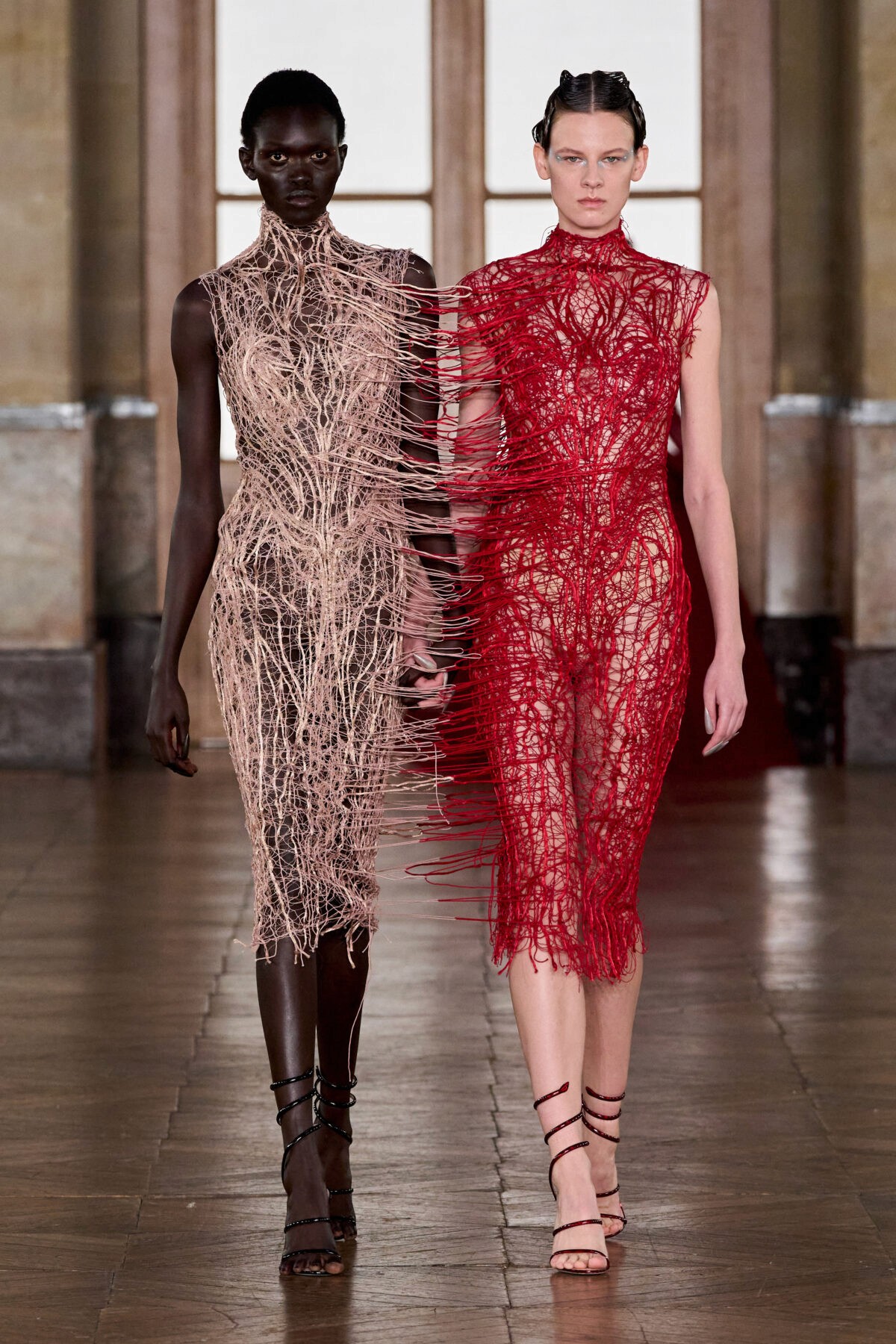
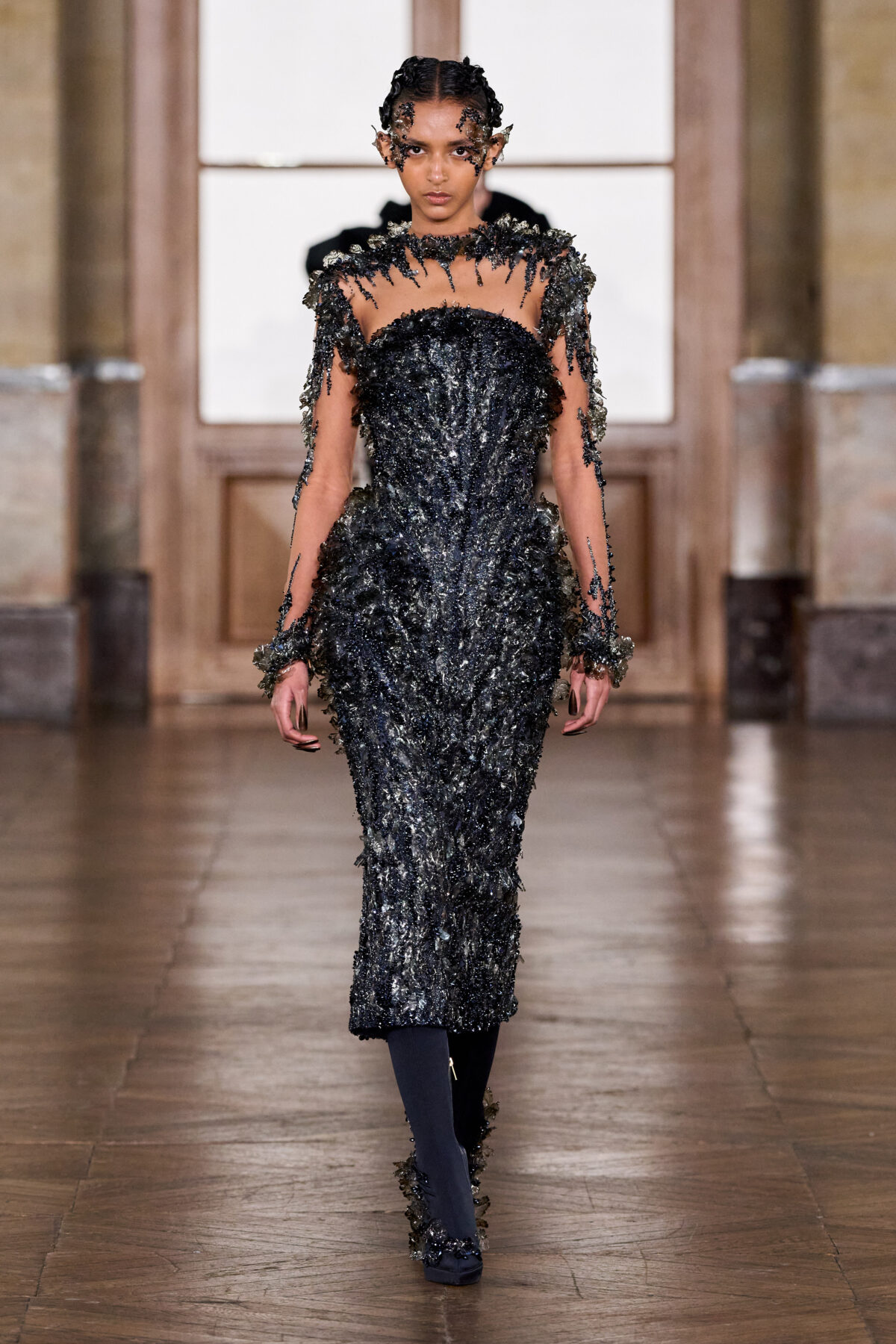
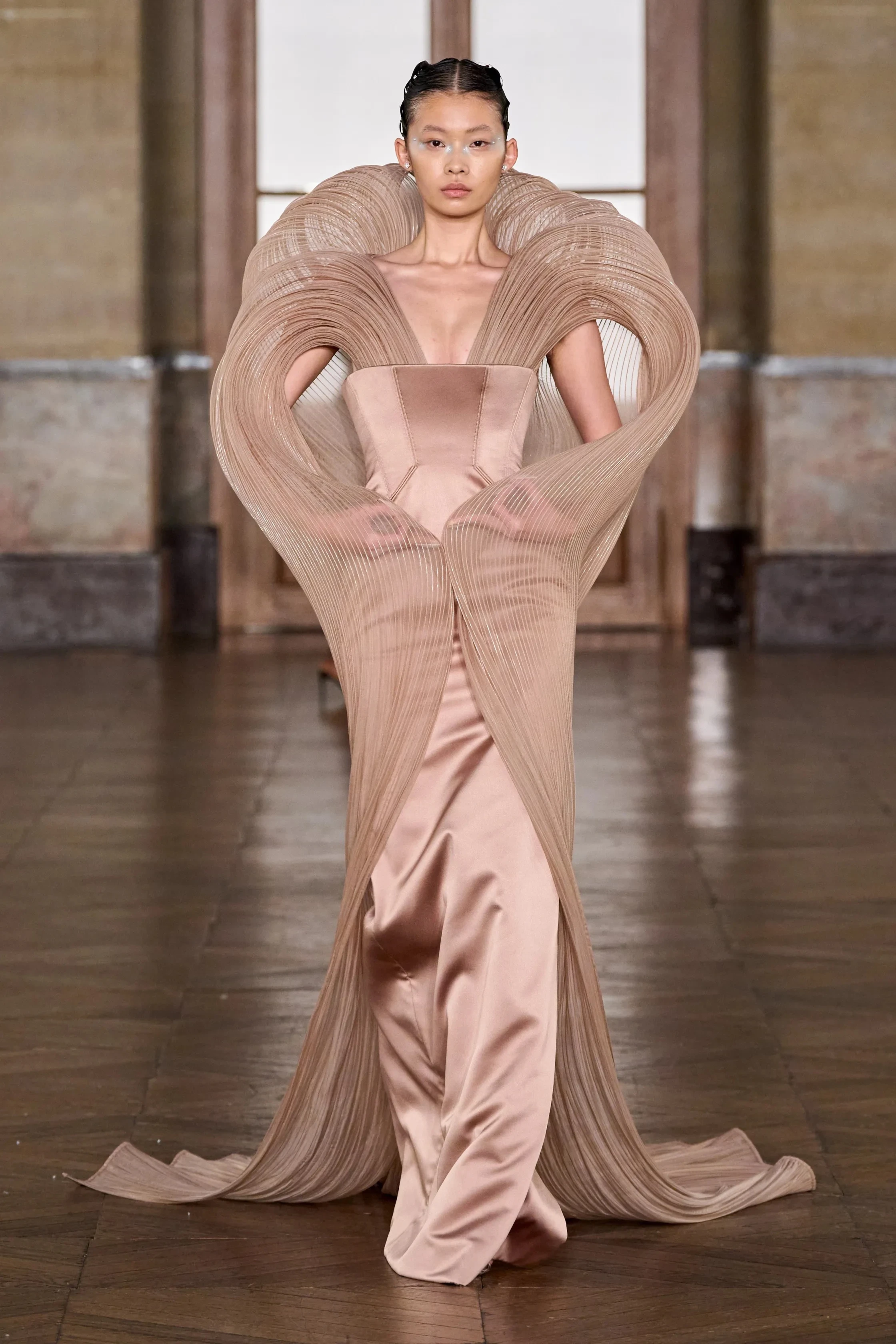
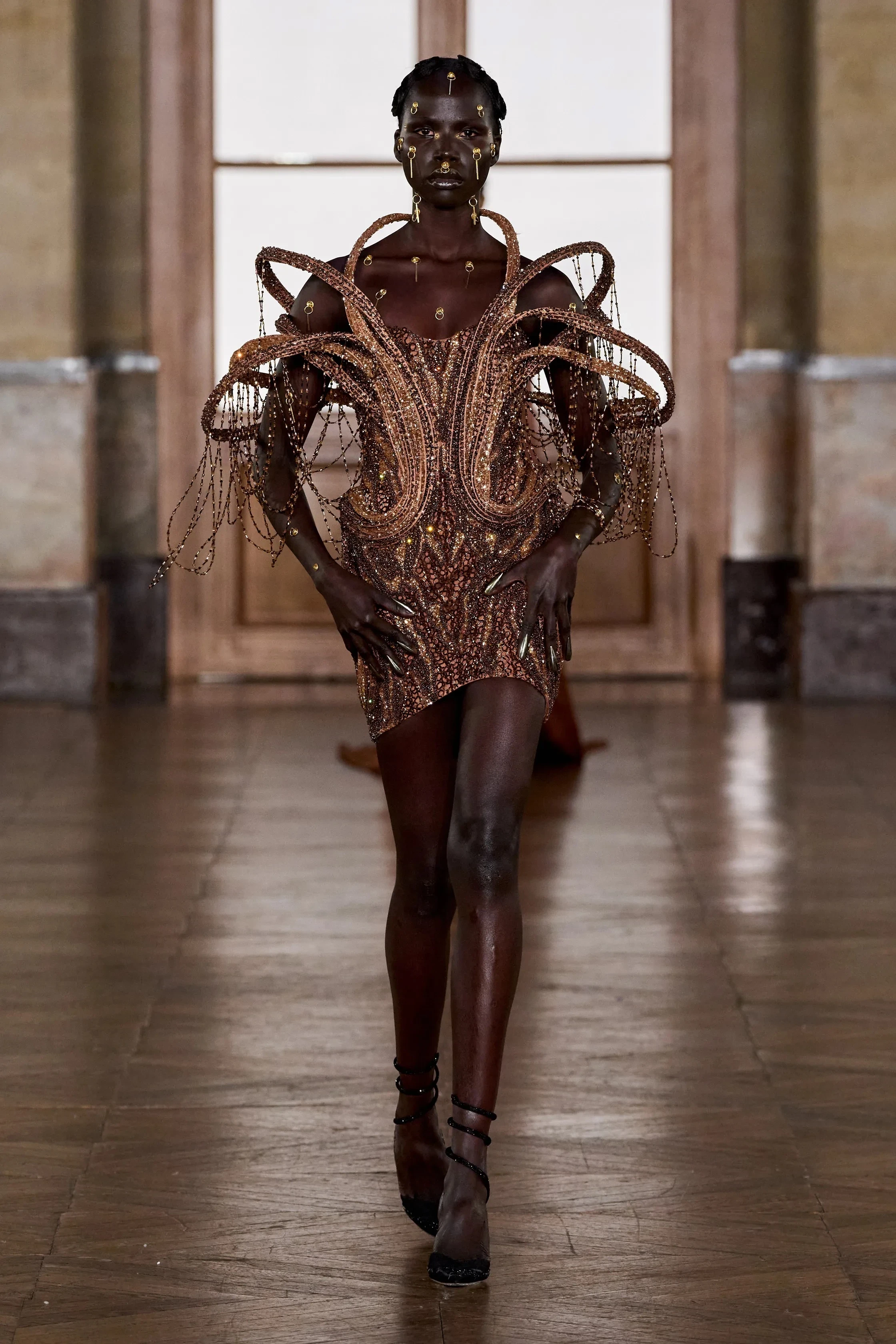
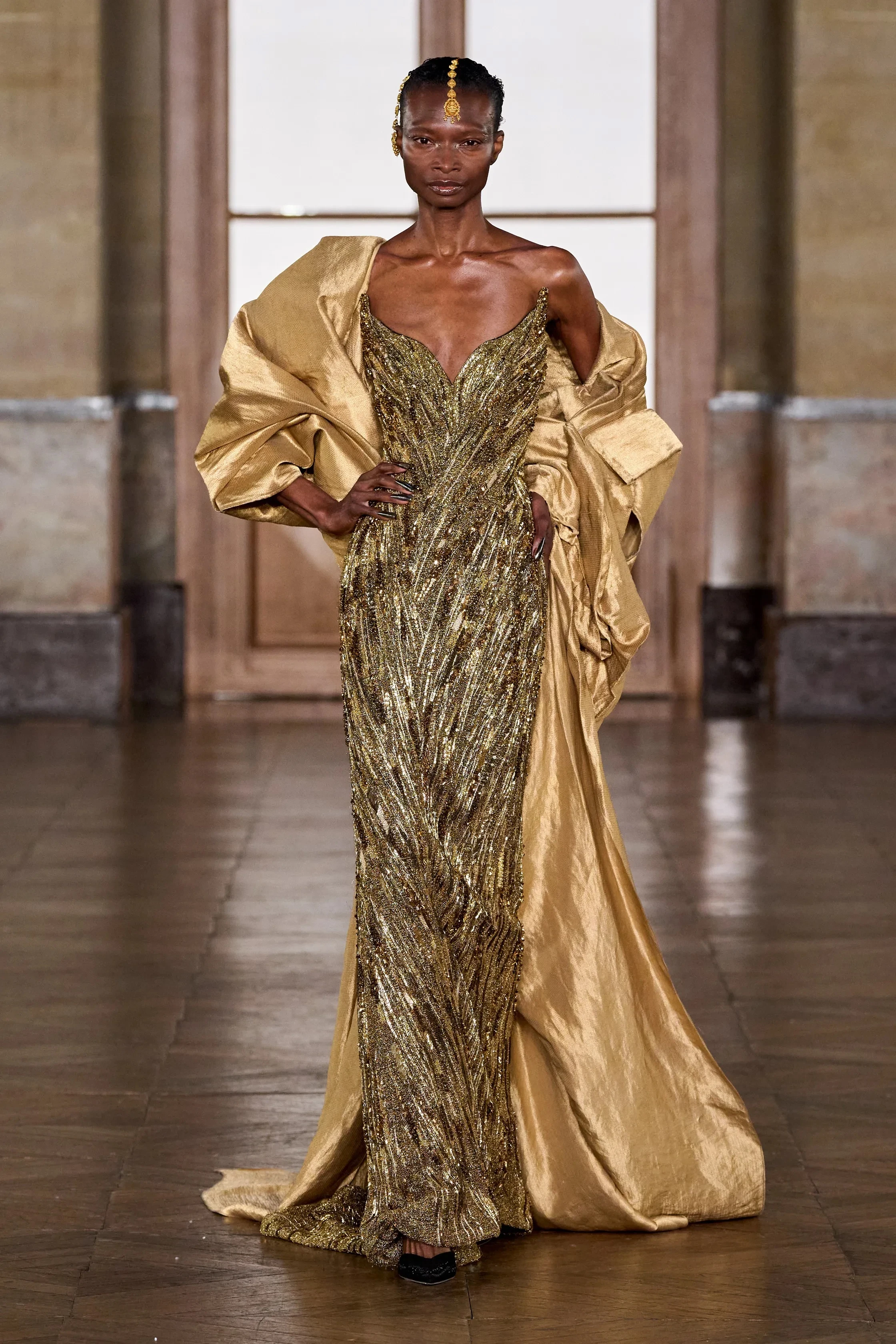
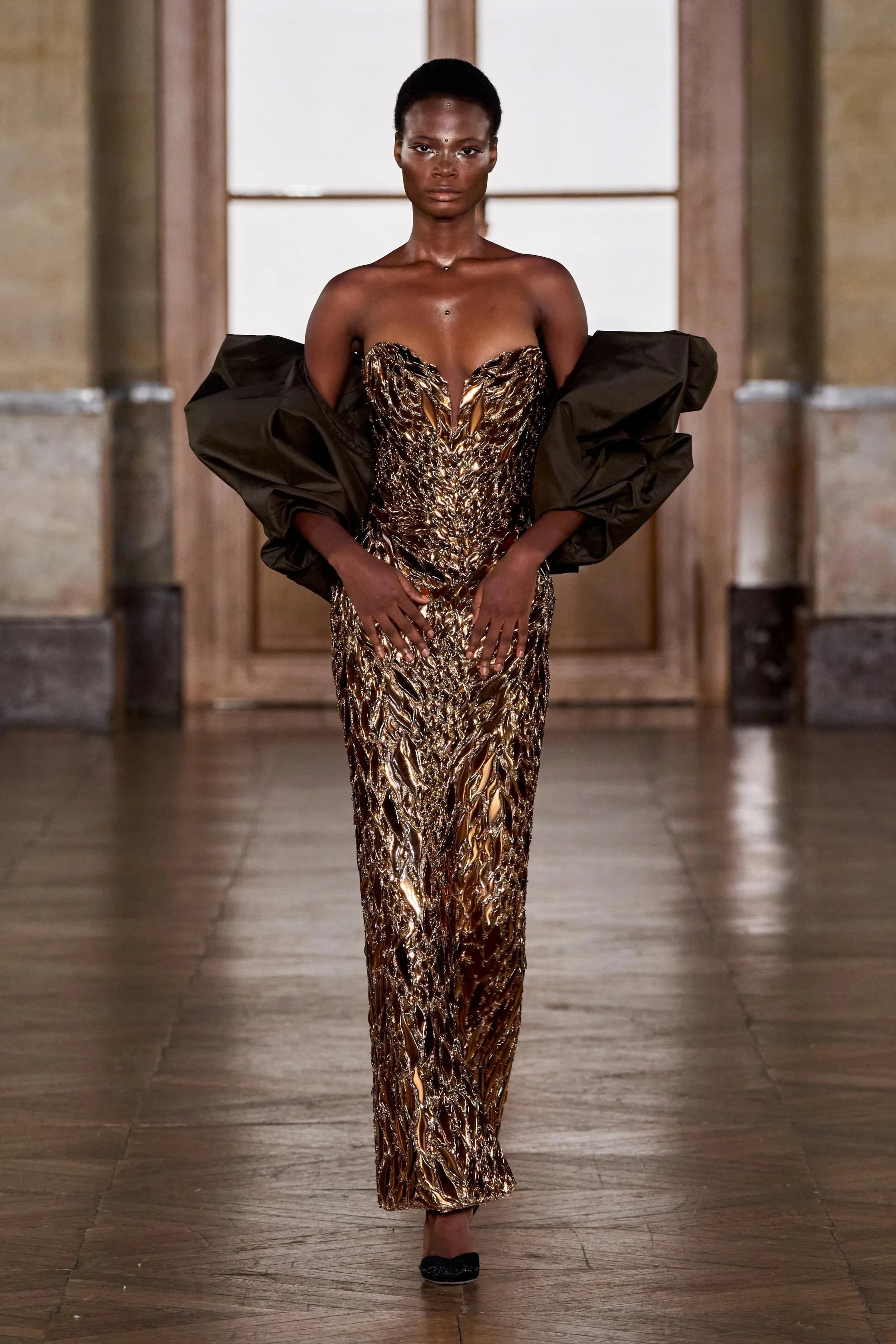
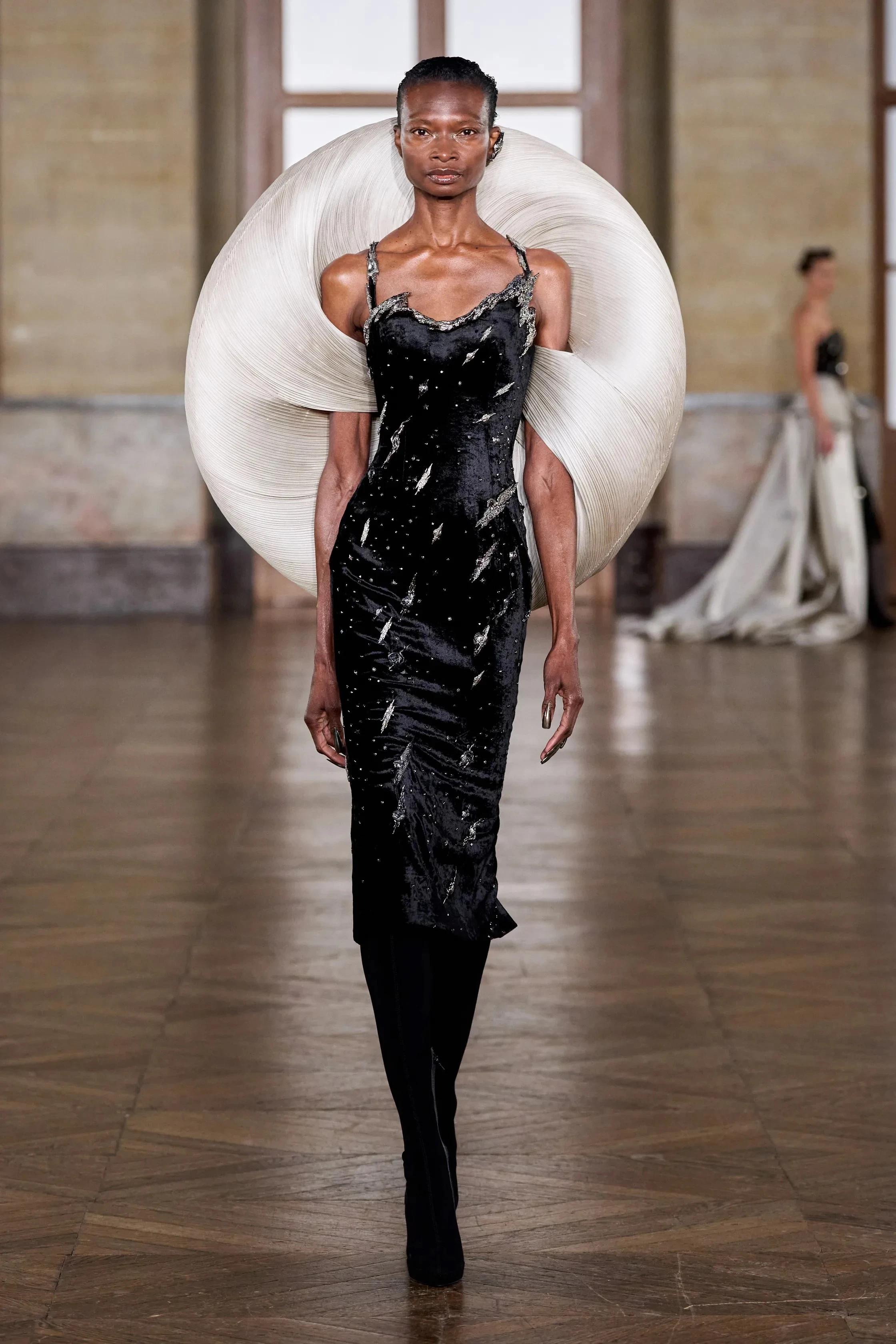
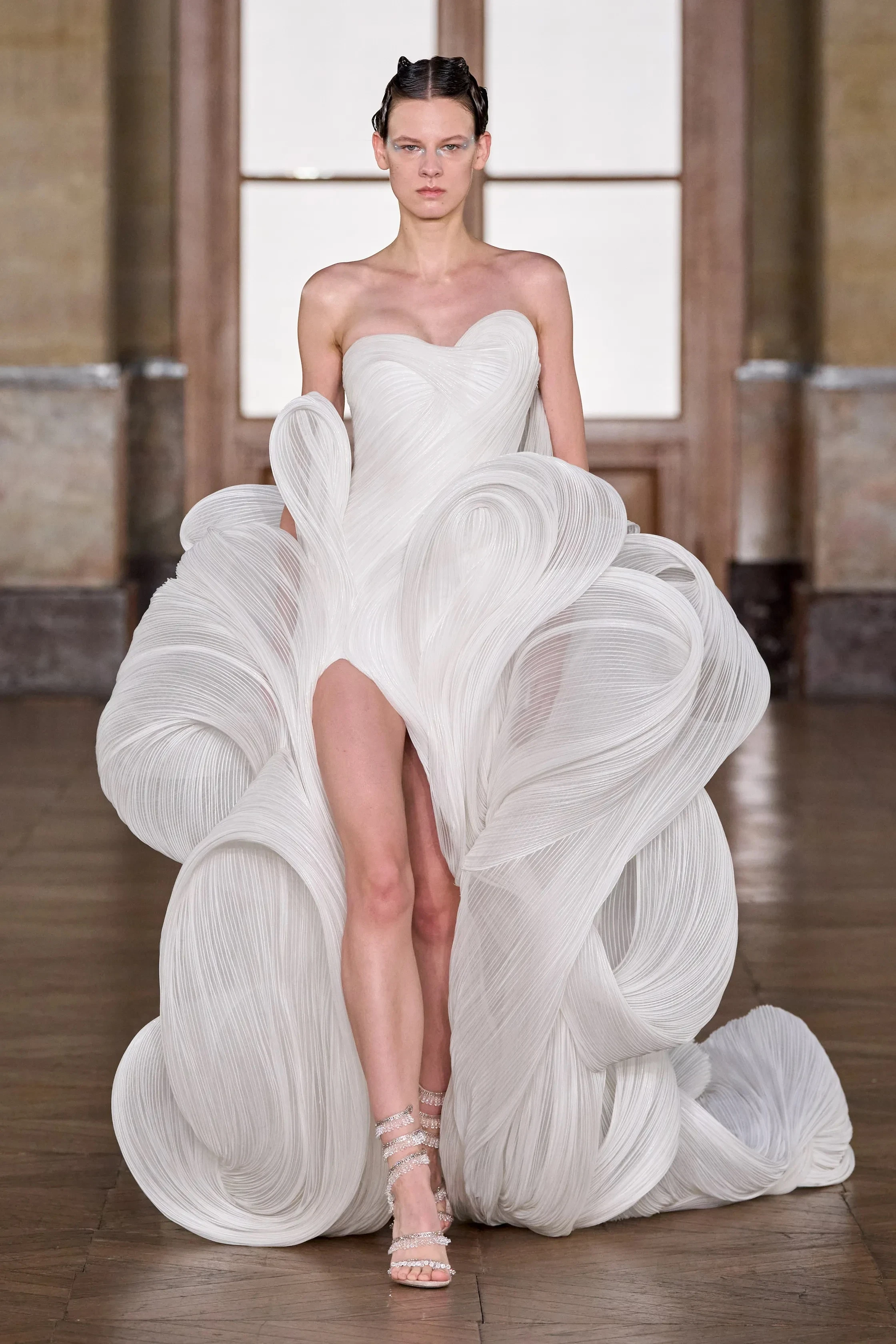
Courtesy of Gaurav Gupta.
Courtesy of Gaurav Gupta.
Courtesy of Gaurav Gupta.
Schiaparelli – The Agony and the Ecstasy: Nature’s Fantasia
Schiaparelli – The Agony and the Ecstasy: Nature’s Fantasia
Schiaparelli – The Agony and the Ecstasy: Nature’s Fantasia
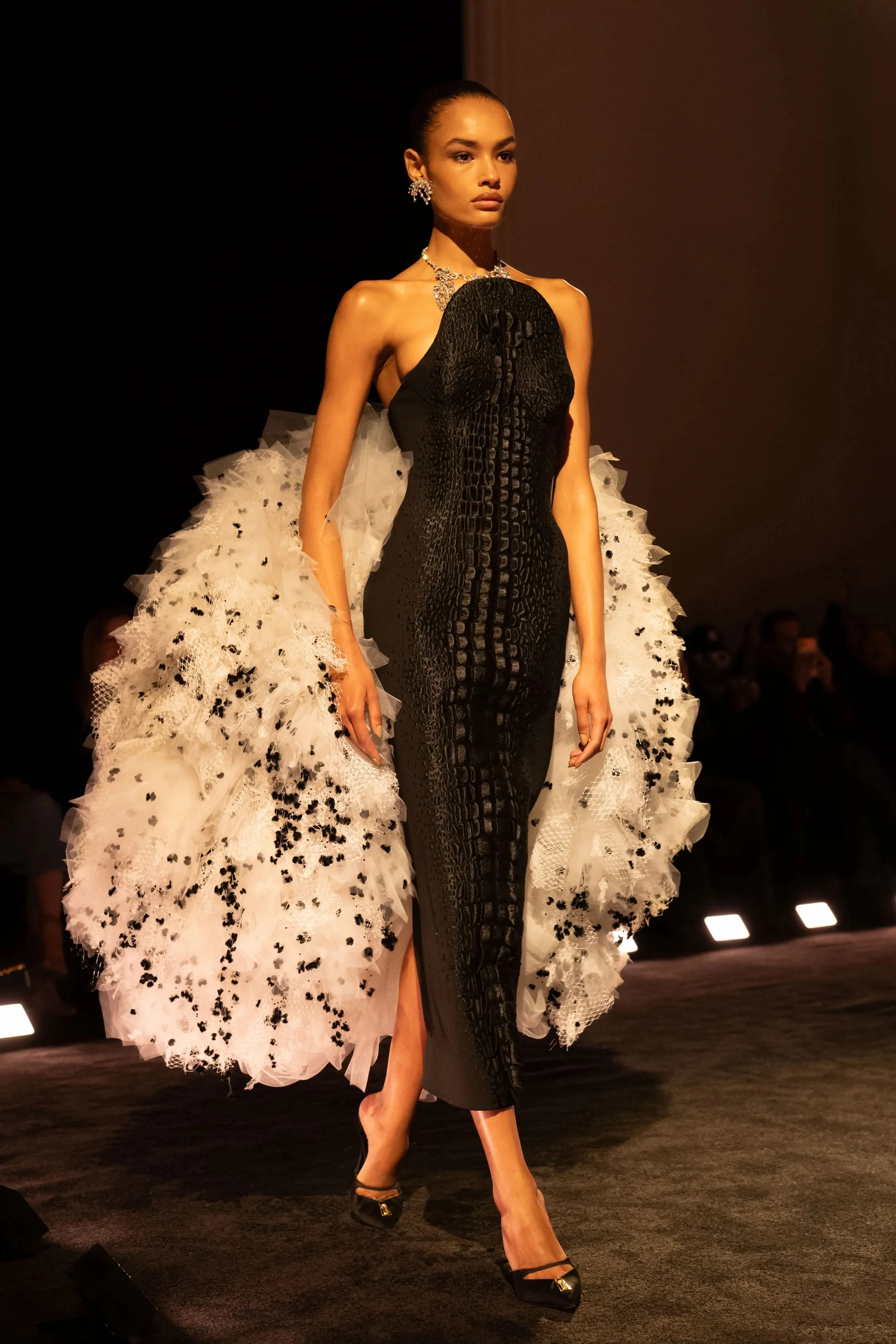
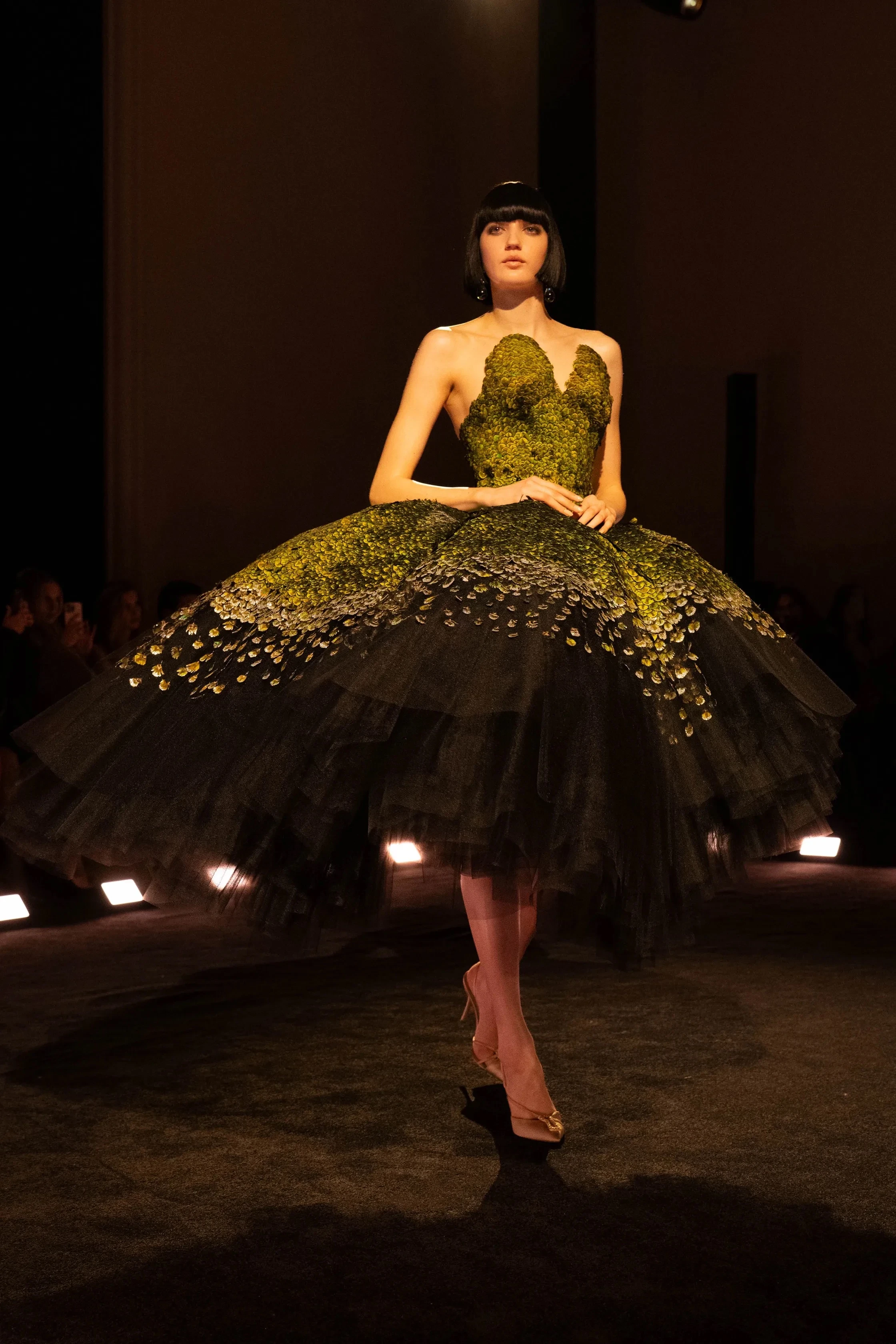
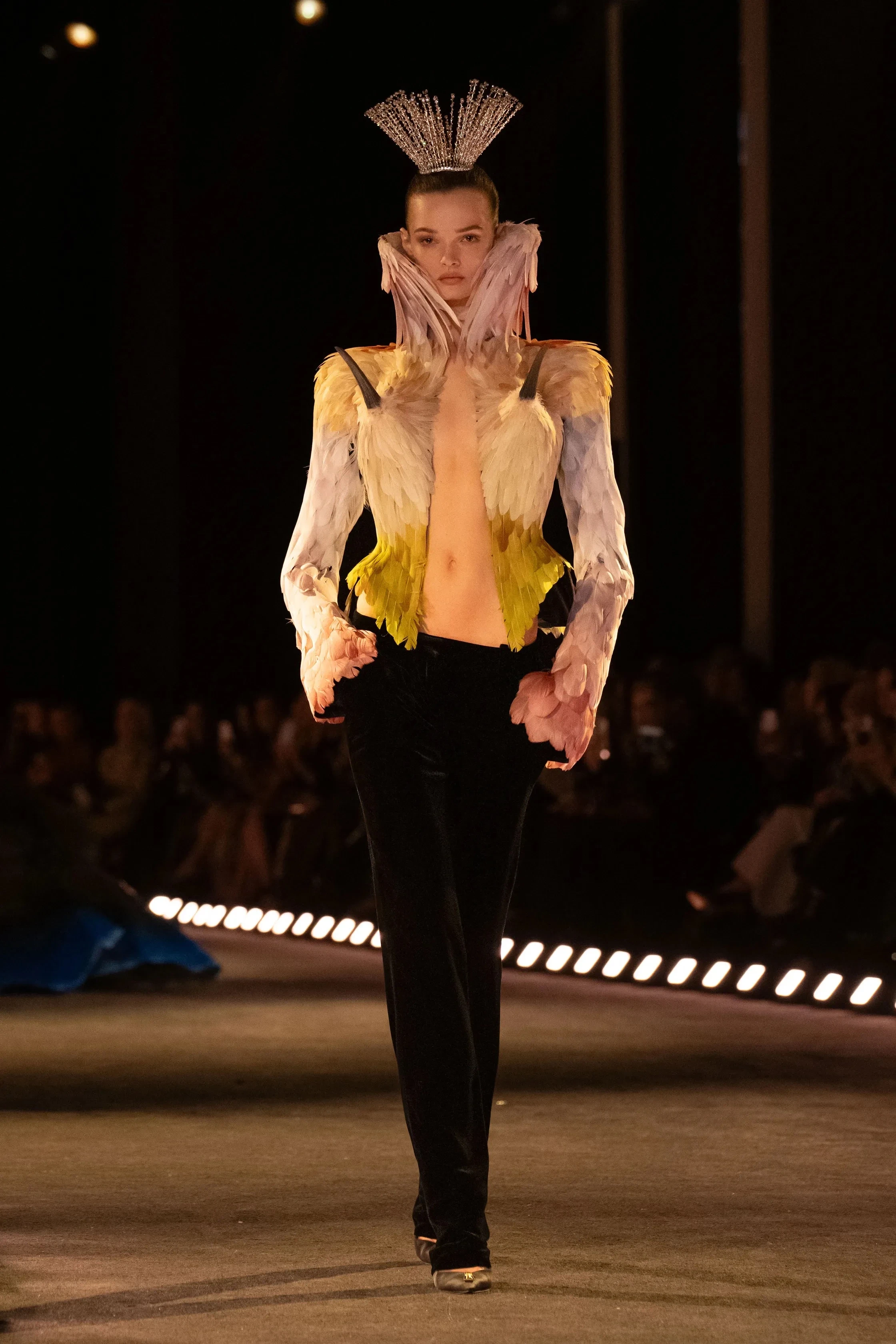
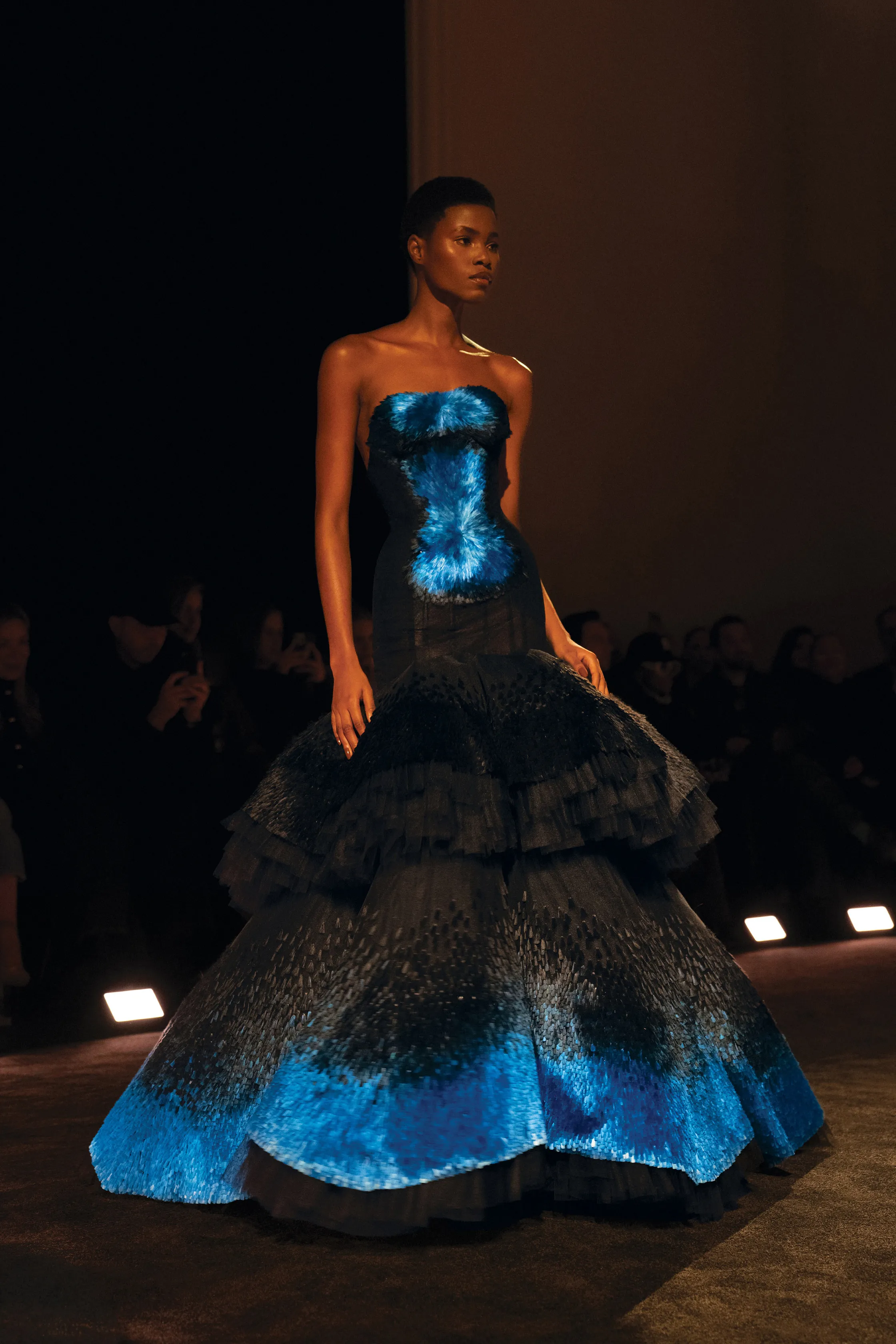
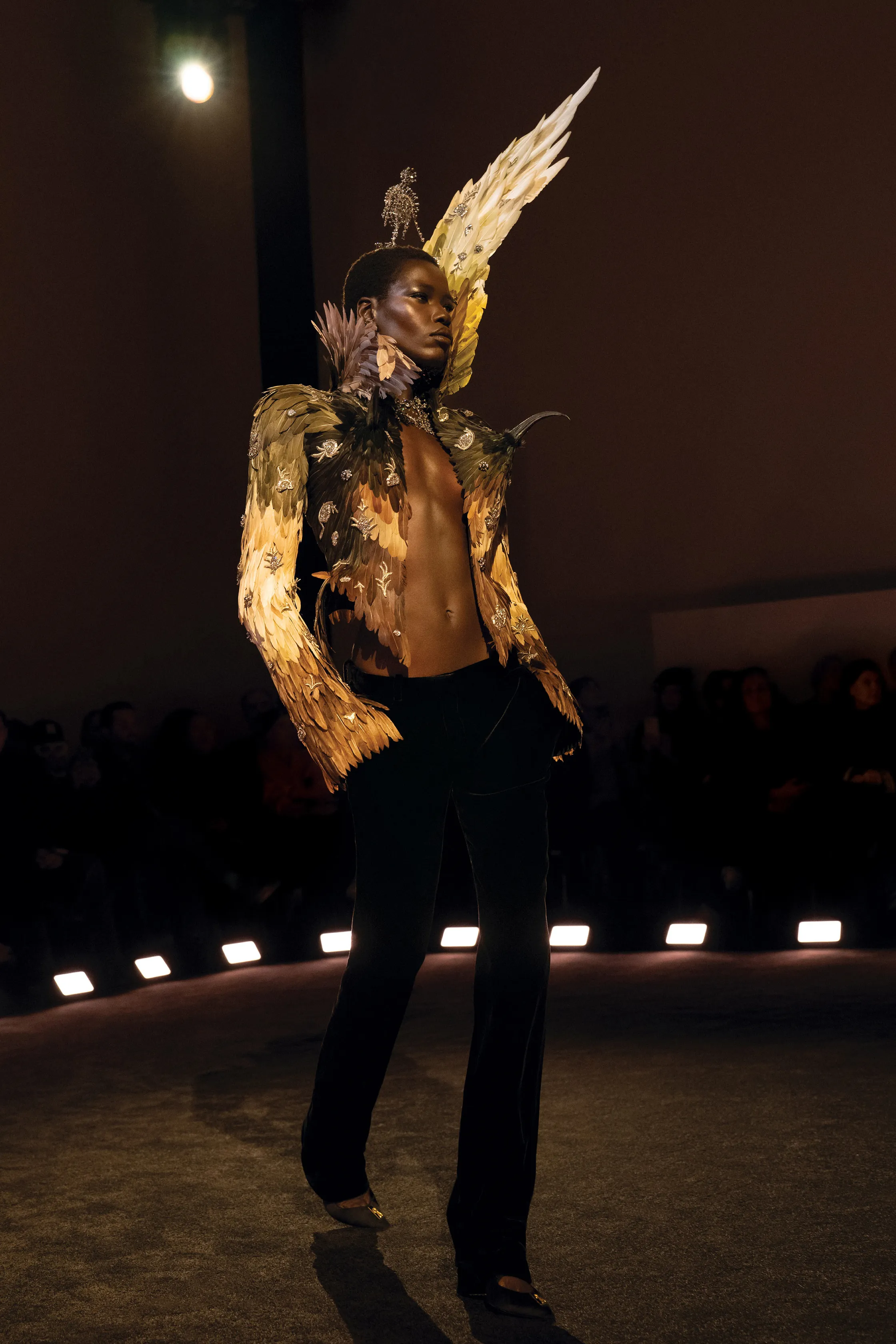
At Schiaparelli, Daniel Roseberry continues his exceptional run for the storied Maison, showcasing yet again a fierce menagerie of couture, proving that beauty and strangeness can be two sides of the same gilded coin. His Spring/Summer 2026 collection, pointedly dubbed “The Agony and the Ecstasy,” drew inspiration from his trip to the Sistine Chapel and the untamed wonders of the natural world, seeking to explore this through an intermingling of the anger in the world and the joy of creation. Roseberry transformed the Maison’s usual venue into a dark, cavernous theater of curiosities, and from the first look, it was clear he intended to flex his imaginative and technical muscles. The runway teemed with creatures rather than femme-fleurs, Roseberry favoring fauna over florals and channeling the surreal legacy of Elsa Schiaparelli; by the time the show unfolded on this opening morning of Haute Couture Week, glamour had bared its teeth. Models stalked past in rigorously tailored black ensembles bristling with extravagant appendages: one sharply cut tailleur bristled with spines and was cheekily named “Isabella Blowfish” after the late eccentric fashion collector Isabella Blow. Most memorably, a duo of looks Roseberry nicknamed “The Scorpion Sisters” featured hulking 3D scorpion tails, embroidered and appliquéd with flowers, arcing menacingly from the small of the models’ backs – gently swaying as if alive. These curved, barbed tails, attached to a sculpted bustier and a fitted jacket, epitomized the collection’s theme of danger and made it mesmerizing. Another look featured a strapless black gown that sprouted a giant feathered wing from its back, mid-stride, as if a mythical bird were trying to take flight. Jackets and corsets came adorned with gleaming claws and beaks jutting from shoulders and busts, some so realistic that one did a double-take. In reality, all these fantastical elements were painstakingly handcrafted: feathers throughout the collection were cleverly made of silk, sculpted and painted to look natural; the haunting bird beaks were cast in resin, and their piercing eyes were actually iridescent pearls. Roseberry’s show notes cited Michelangelo’s mastery of emotional tension – “agony and ecstasy commingled, terrible and exquisite” – and he clearly strove for that mix. The couture techniques hit new heights of extravagance with trompe-l’oeil crocodile textures embroidered down a black wool gown, explosions of tulle and chiffon conjuring flocks of birds in mid-flight, and even a grand gown constructed entirely from crystal-tipped peacock feathers shimmering with opulence. The result was perhaps Roseberry’s most awe-inducing collection yet – terrible and exquisite couture that blurred fashion into fine art. “Couture is an invitation… It’s time to feel. You only have to look up,” Roseberry wrote in his notes. With this bold, otherworldly aviary of a collection, he invited us to do just that – to stop thinking and simply marvel at couture’s capacity to shock, seduce, and soar.
At Schiaparelli, Daniel Roseberry continues his exceptional run for the storied Maison, showcasing yet again a fierce menagerie of couture, proving that beauty and strangeness can be two sides of the same gilded coin. His Spring/Summer 2026 collection, pointedly dubbed “The Agony and the Ecstasy,” drew inspiration from his trip to the Sistine Chapel and the untamed wonders of the natural world, seeking to explore this through an intermingling of the anger in the world and the joy of creation. Roseberry transformed the Maison’s usual venue into a dark, cavernous theater of curiosities, and from the first look, it was clear he intended to flex his imaginative and technical muscles. The runway teemed with creatures rather than femme-fleurs, Roseberry favoring fauna over florals and channeling the surreal legacy of Elsa Schiaparelli; by the time the show unfolded on this opening morning of Haute Couture Week, glamour had bared its teeth. Models stalked past in rigorously tailored black ensembles bristling with extravagant appendages: one sharply cut tailleur bristled with spines and was cheekily named “Isabella Blowfish” after the late eccentric fashion collector Isabella Blow. Most memorably, a duo of looks Roseberry nicknamed “The Scorpion Sisters” featured hulking 3D scorpion tails, embroidered and appliquéd with flowers, arcing menacingly from the small of the models’ backs – gently swaying as if alive. These curved, barbed tails, attached to a sculpted bustier and a fitted jacket, epitomized the collection’s theme of danger and made it mesmerizing. Another look featured a strapless black gown that sprouted a giant feathered wing from its back, mid-stride, as if a mythical bird were trying to take flight. Jackets and corsets came adorned with gleaming claws and beaks jutting from shoulders and busts, some so realistic that one did a double-take. In reality, all these fantastical elements were painstakingly handcrafted: feathers throughout the collection were cleverly made of silk, sculpted and painted to look natural; the haunting bird beaks were cast in resin, and their piercing eyes were actually iridescent pearls. Roseberry’s show notes cited Michelangelo’s mastery of emotional tension – “agony and ecstasy commingled, terrible and exquisite” – and he clearly strove for that mix. The couture techniques hit new heights of extravagance with trompe-l’oeil crocodile textures embroidered down a black wool gown, explosions of tulle and chiffon conjuring flocks of birds in mid-flight, and even a grand gown constructed entirely from crystal-tipped peacock feathers shimmering with opulence. The result was perhaps Roseberry’s most awe-inducing collection yet – terrible and exquisite couture that blurred fashion into fine art. “Couture is an invitation… It’s time to feel. You only have to look up,” Roseberry wrote in his notes. With this bold, otherworldly aviary of a collection, he invited us to do just that – to stop thinking and simply marvel at couture’s capacity to shock, seduce, and soar.
At Schiaparelli, Daniel Roseberry continues his exceptional run for the storied Maison, showcasing yet again a fierce menagerie of couture, proving that beauty and strangeness can be two sides of the same gilded coin. His Spring/Summer 2026 collection, pointedly dubbed “The Agony and the Ecstasy,” drew inspiration from his trip to the Sistine Chapel and the untamed wonders of the natural world, seeking to explore this through an intermingling of the anger in the world and the joy of creation. Roseberry transformed the Maison’s usual venue into a dark, cavernous theater of curiosities, and from the first look, it was clear he intended to flex his imaginative and technical muscles. The runway teemed with creatures rather than femme-fleurs, Roseberry favoring fauna over florals and channeling the surreal legacy of Elsa Schiaparelli; by the time the show unfolded on this opening morning of Haute Couture Week, glamour had bared its teeth. Models stalked past in rigorously tailored black ensembles bristling with extravagant appendages: one sharply cut tailleur bristled with spines and was cheekily named “Isabella Blowfish” after the late eccentric fashion collector Isabella Blow. Most memorably, a duo of looks Roseberry nicknamed “The Scorpion Sisters” featured hulking 3D scorpion tails, embroidered and appliquéd with flowers, arcing menacingly from the small of the models’ backs – gently swaying as if alive. These curved, barbed tails, attached to a sculpted bustier and a fitted jacket, epitomized the collection’s theme of danger and made it mesmerizing. Another look featured a strapless black gown that sprouted a giant feathered wing from its back, mid-stride, as if a mythical bird were trying to take flight. Jackets and corsets came adorned with gleaming claws and beaks jutting from shoulders and busts, some so realistic that one did a double-take. In reality, all these fantastical elements were painstakingly handcrafted: feathers throughout the collection were cleverly made of silk, sculpted and painted to look natural; the haunting bird beaks were cast in resin, and their piercing eyes were actually iridescent pearls. Roseberry’s show notes cited Michelangelo’s mastery of emotional tension – “agony and ecstasy commingled, terrible and exquisite” – and he clearly strove for that mix. The couture techniques hit new heights of extravagance with trompe-l’oeil crocodile textures embroidered down a black wool gown, explosions of tulle and chiffon conjuring flocks of birds in mid-flight, and even a grand gown constructed entirely from crystal-tipped peacock feathers shimmering with opulence. The result was perhaps Roseberry’s most awe-inducing collection yet – terrible and exquisite couture that blurred fashion into fine art. “Couture is an invitation… It’s time to feel. You only have to look up,” Roseberry wrote in his notes. With this bold, otherworldly aviary of a collection, he invited us to do just that – to stop thinking and simply marvel at couture’s capacity to shock, seduce, and soar.
Our Favourite Looks
Our Favourite Looks
Our Favourite Looks
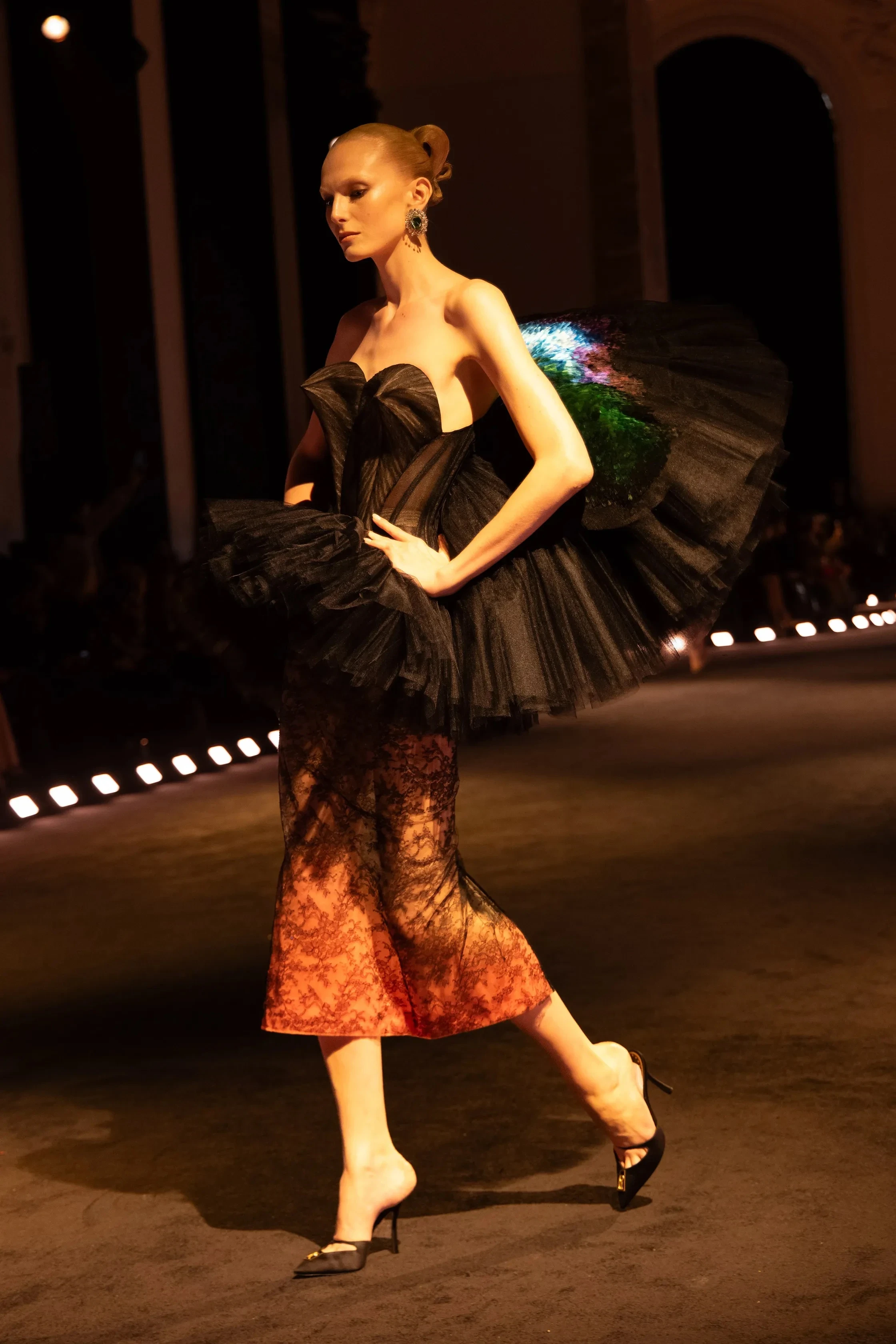
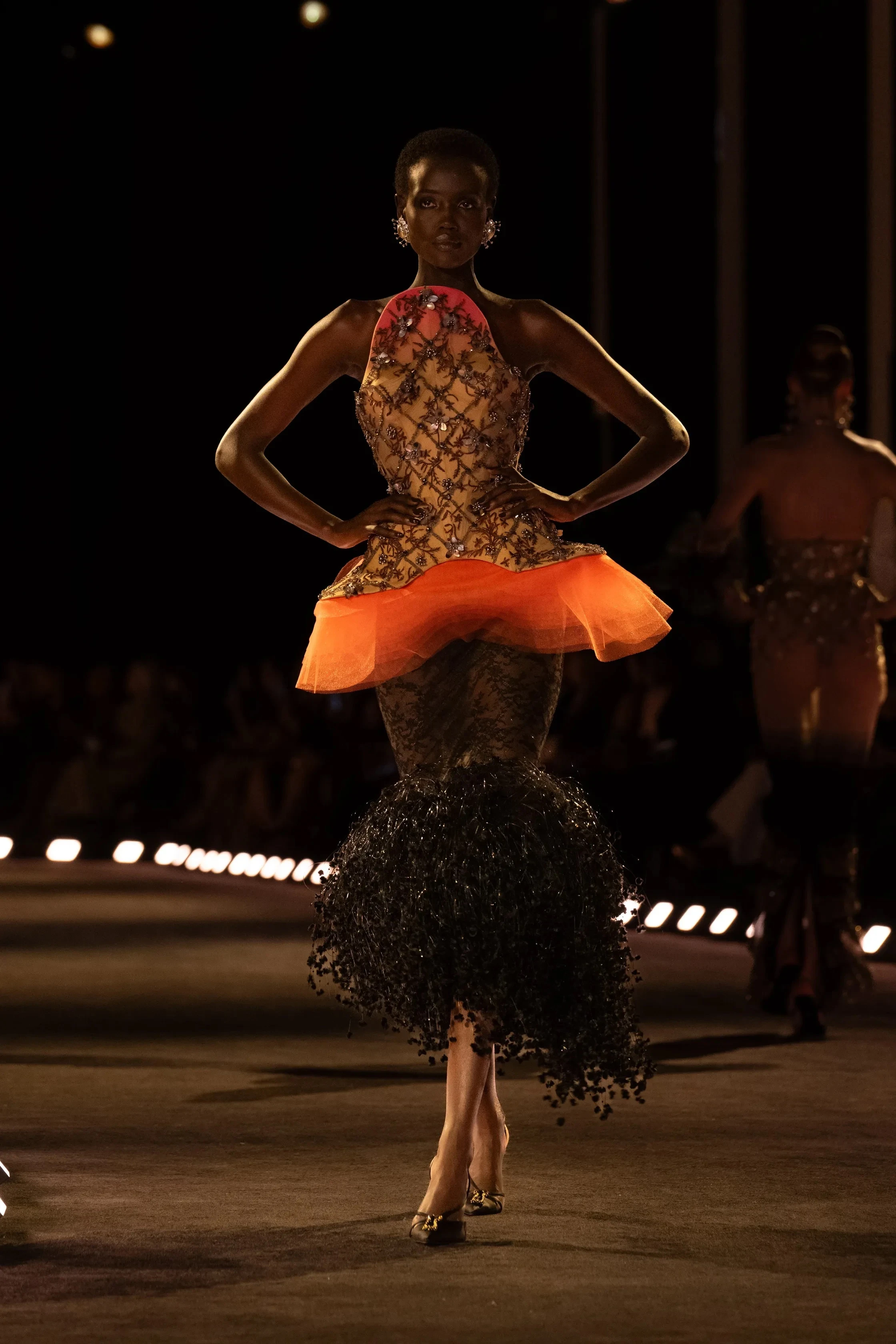
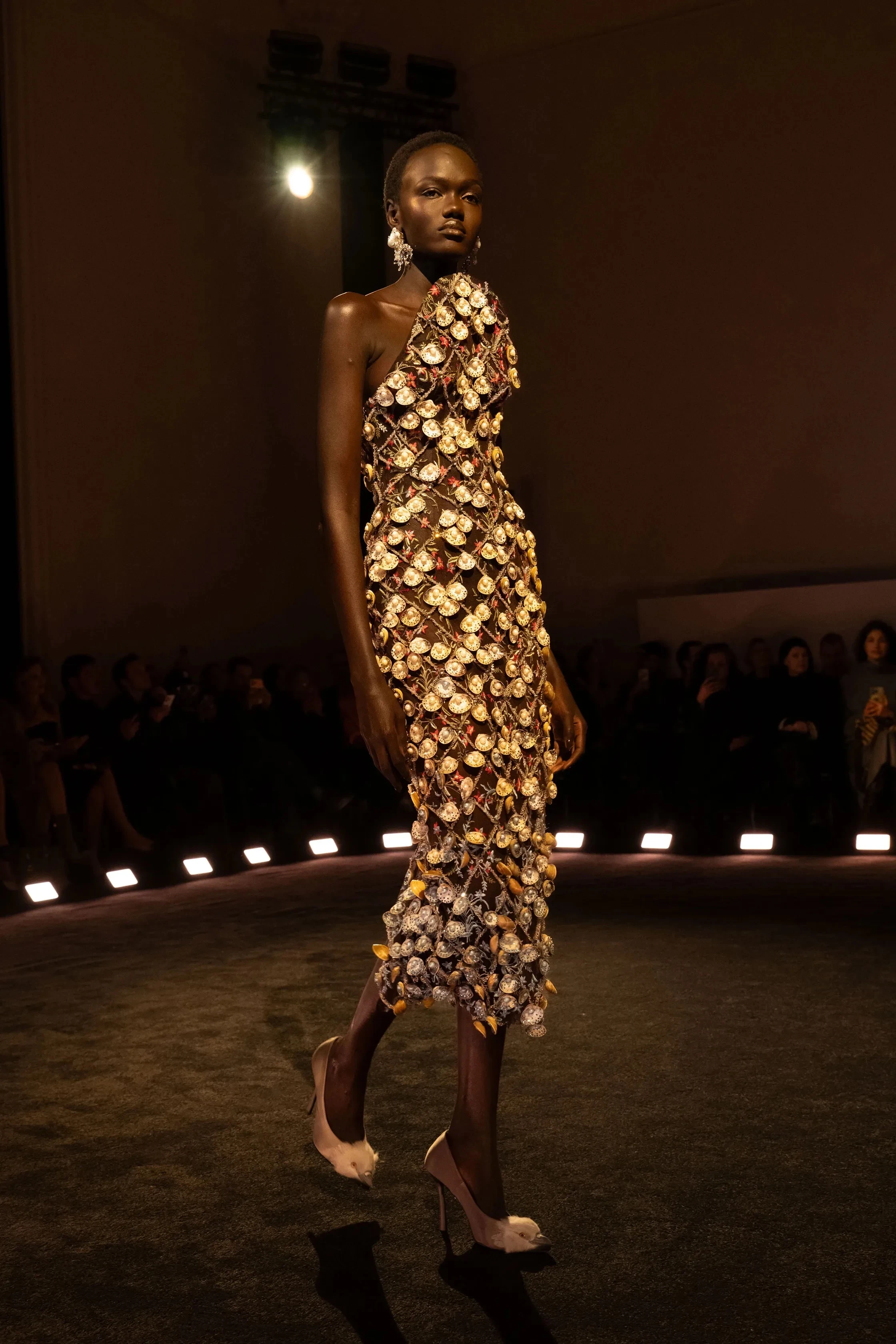
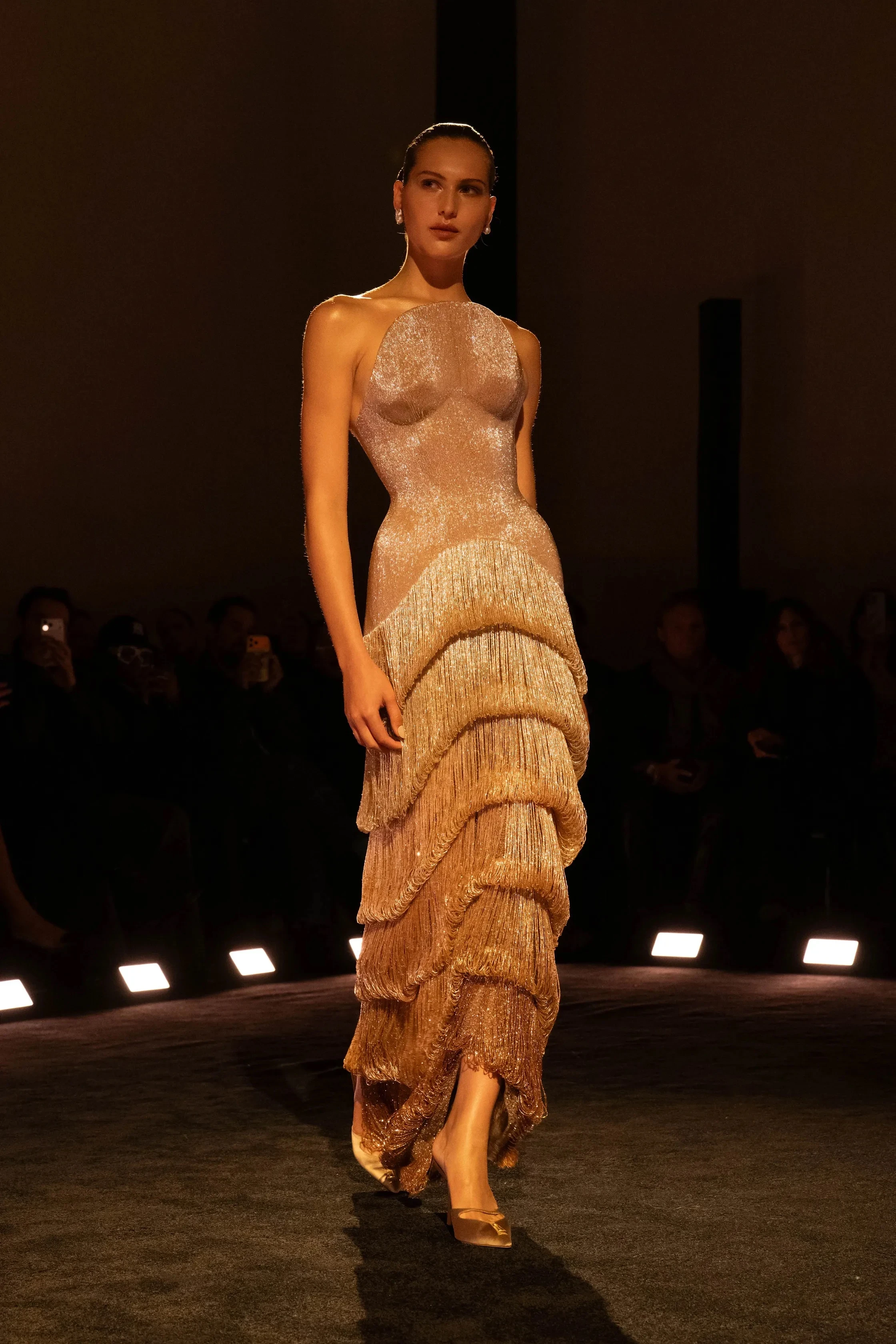
Courtesy of Schiaparelli.
Courtesy of Schiaparelli.
Courtesy of Schiaparelli.
Miss Sohee – Breathing Forms: Silhouettes of Nature and Heritage
Miss Sohee – Breathing Forms: Silhouettes of Nature and Heritage
Miss Sohee – Breathing Forms: Silhouettes of Nature and Heritage
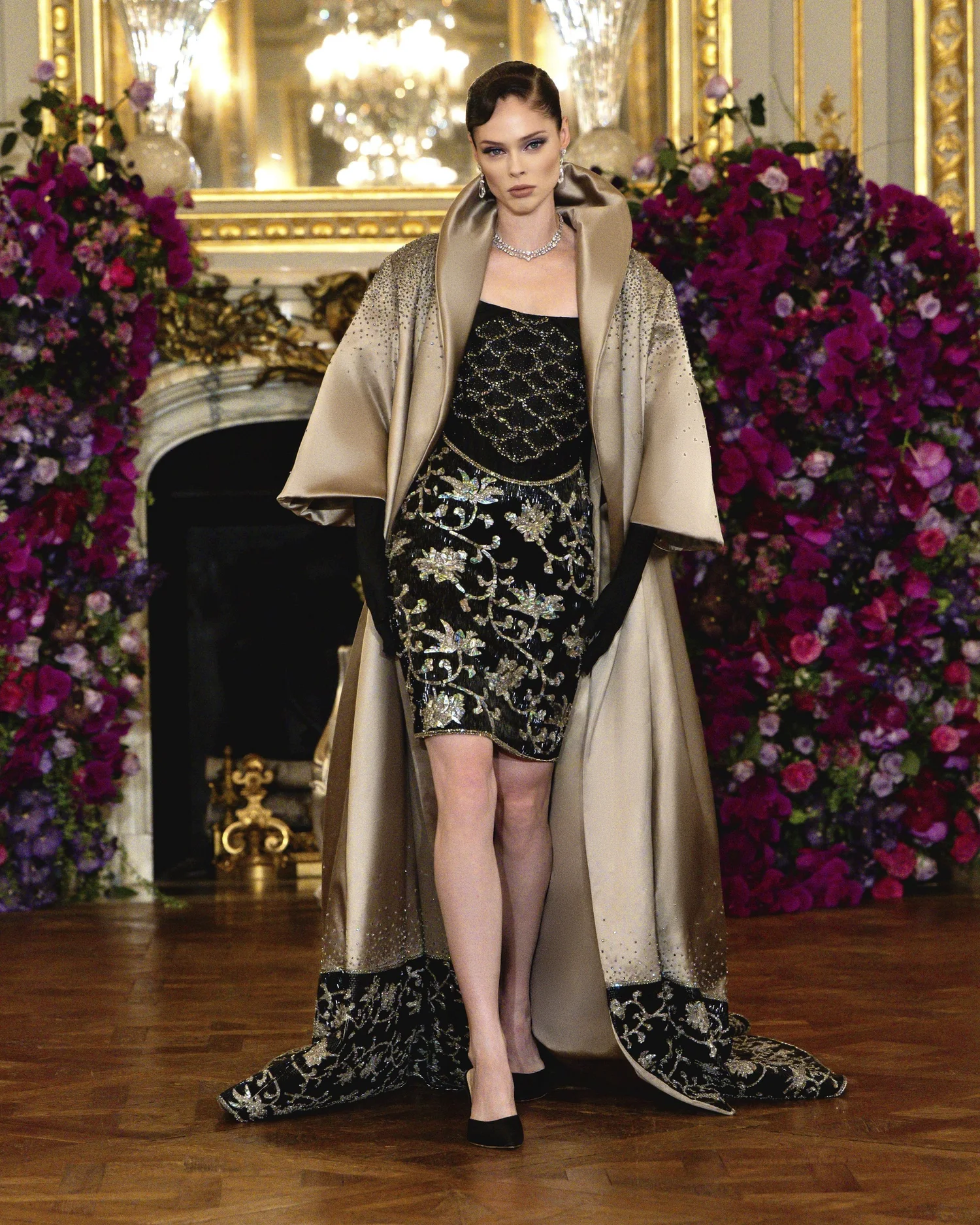
London-based couturier Sohee Park (Miss Sohee) closed the week with a collection that was equal parts dreamy homage to her Korean heritage and showcase of youthful couture prowess. For Spring/Summer 2026, she presented “Breathing Forms,” a series of thirty looks that treated the body as both structure and canvas. On the sophisticated venue the show took place in, she even sent a model down the runway carrying a white peacock as an accessory – a dramatic flourish that announced her theme of nature’s majesty and vanity (“primped and preened”). The peacock’s plumage found echoes throughout the collection, as Park worked its bright feathers and elegant motif into multiple looks. The true heart of the collection, however, lay in its meticulous depiction of Korean landscapes and lore. She drew deeply from cultural motifs such as Wisteria vines, bamboo groves, and misty mountain horizons and translated them into breathtaking embellishments on silk, organza, and taffeta. The silhouettes remained refined and close to the body (corseted bodices, columnar skirts, and only subtle flares), allowing the surface artistry to shine. Diaphanous layers of chiffon and organza were hand-painted and ombré-dyed to mimic dawn light filtering through foggy peaks, while shimmering embroideries of cranes, florals, and clouds were stacked in gauzy layers to create depth and illusion. In a particularly memorable piece, the designer wove in a reference to the Korean folk tale “Jakhodo,” with the dress featuring tiger and magpie motifs rendered in the style of Chinese Jingdezhen ceramics. And all looks brimmed with such thoughtful detail and handwork, with, for instance, one look featuring 6,700 Swarovski crystals and took 720 hours for 16 artisans to create. But despite the inherent drama of much ornamentation, the overall tone of the collection was one of measured elegance. In usual Miss Sohee fashion, it was clothing made to complement the inherent beauty of every woman, and the collection did so through stunning detailing. After a more theatrically extravagant outing last season, her Spring/Summer 2026 collection felt like a story of nature and heritage, translating narrative into couture surfaces. It was grandeur through art and craft, with each dress being a vessel of memory, landscape, and symbolism.
London-based couturier Sohee Park (Miss Sohee) closed the week with a collection that was equal parts dreamy homage to her Korean heritage and showcase of youthful couture prowess. For Spring/Summer 2026, she presented “Breathing Forms,” a series of thirty looks that treated the body as both structure and canvas. On the sophisticated venue the show took place in, she even sent a model down the runway carrying a white peacock as an accessory – a dramatic flourish that announced her theme of nature’s majesty and vanity (“primped and preened”). The peacock’s plumage found echoes throughout the collection, as Park worked its bright feathers and elegant motif into multiple looks. The true heart of the collection, however, lay in its meticulous depiction of Korean landscapes and lore. She drew deeply from cultural motifs such as Wisteria vines, bamboo groves, and misty mountain horizons and translated them into breathtaking embellishments on silk, organza, and taffeta. The silhouettes remained refined and close to the body (corseted bodices, columnar skirts, and only subtle flares), allowing the surface artistry to shine. Diaphanous layers of chiffon and organza were hand-painted and ombré-dyed to mimic dawn light filtering through foggy peaks, while shimmering embroideries of cranes, florals, and clouds were stacked in gauzy layers to create depth and illusion. In a particularly memorable piece, the designer wove in a reference to the Korean folk tale “Jakhodo,” with the dress featuring tiger and magpie motifs rendered in the style of Chinese Jingdezhen ceramics. And all looks brimmed with such thoughtful detail and handwork, with, for instance, one look featuring 6,700 Swarovski crystals and took 720 hours for 16 artisans to create. But despite the inherent drama of much ornamentation, the overall tone of the collection was one of measured elegance. In usual Miss Sohee fashion, it was clothing made to complement the inherent beauty of every woman, and the collection did so through stunning detailing. After a more theatrically extravagant outing last season, her Spring/Summer 2026 collection felt like a story of nature and heritage, translating narrative into couture surfaces. It was grandeur through art and craft, with each dress being a vessel of memory, landscape, and symbolism.
London-based couturier Sohee Park (Miss Sohee) closed the week with a collection that was equal parts dreamy homage to her Korean heritage and showcase of youthful couture prowess. For Spring/Summer 2026, she presented “Breathing Forms,” a series of thirty looks that treated the body as both structure and canvas. On the sophisticated venue the show took place in, she even sent a model down the runway carrying a white peacock as an accessory – a dramatic flourish that announced her theme of nature’s majesty and vanity (“primped and preened”). The peacock’s plumage found echoes throughout the collection, as Park worked its bright feathers and elegant motif into multiple looks. The true heart of the collection, however, lay in its meticulous depiction of Korean landscapes and lore. She drew deeply from cultural motifs such as Wisteria vines, bamboo groves, and misty mountain horizons and translated them into breathtaking embellishments on silk, organza, and taffeta. The silhouettes remained refined and close to the body (corseted bodices, columnar skirts, and only subtle flares), allowing the surface artistry to shine. Diaphanous layers of chiffon and organza were hand-painted and ombré-dyed to mimic dawn light filtering through foggy peaks, while shimmering embroideries of cranes, florals, and clouds were stacked in gauzy layers to create depth and illusion. In a particularly memorable piece, the designer wove in a reference to the Korean folk tale “Jakhodo,” with the dress featuring tiger and magpie motifs rendered in the style of Chinese Jingdezhen ceramics. And all looks brimmed with such thoughtful detail and handwork, with, for instance, one look featuring 6,700 Swarovski crystals and took 720 hours for 16 artisans to create. But despite the inherent drama of much ornamentation, the overall tone of the collection was one of measured elegance. In usual Miss Sohee fashion, it was clothing made to complement the inherent beauty of every woman, and the collection did so through stunning detailing. After a more theatrically extravagant outing last season, her Spring/Summer 2026 collection felt like a story of nature and heritage, translating narrative into couture surfaces. It was grandeur through art and craft, with each dress being a vessel of memory, landscape, and symbolism.
Our Favourite Looks
Our Favourite Looks
Our Favourite Looks
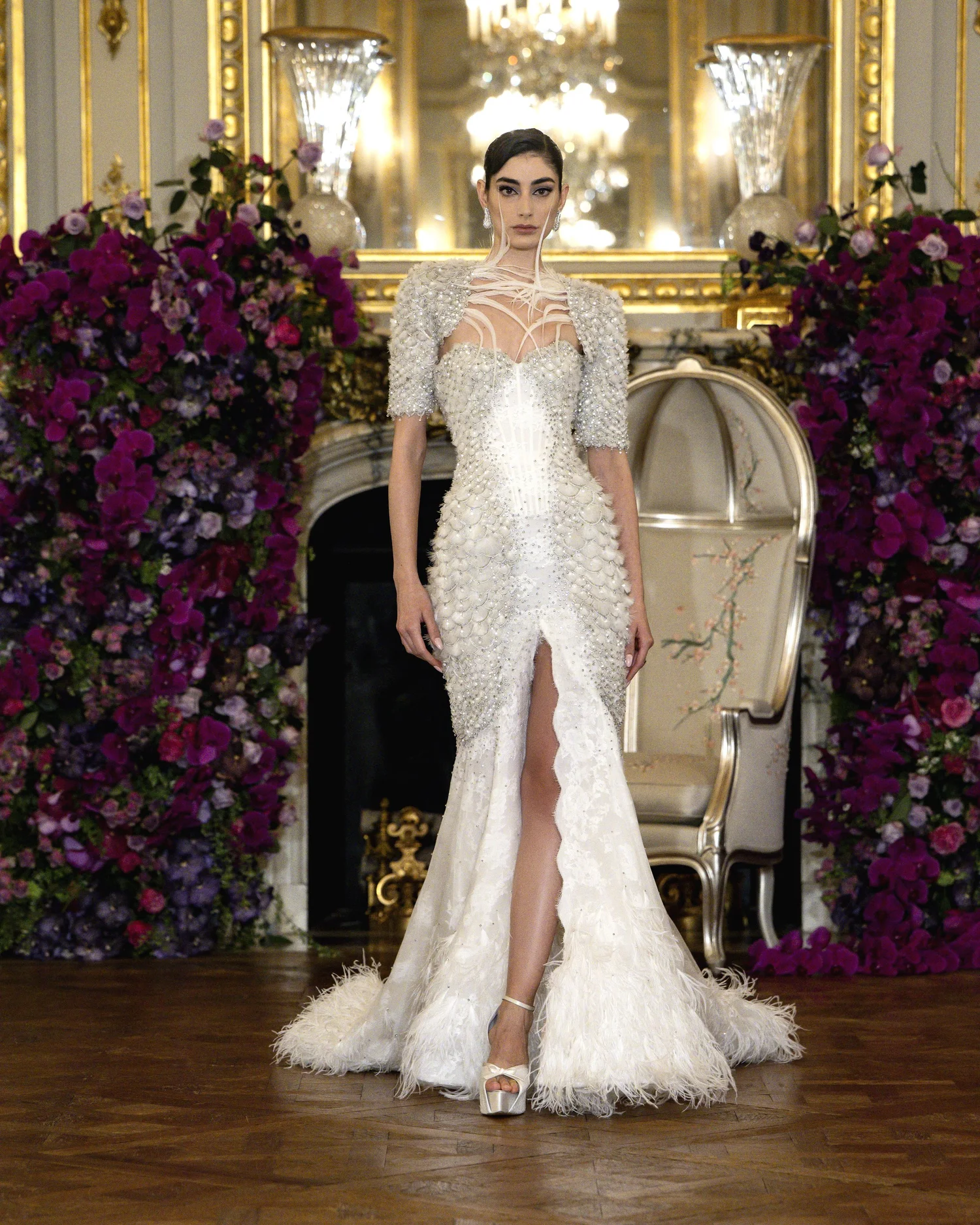
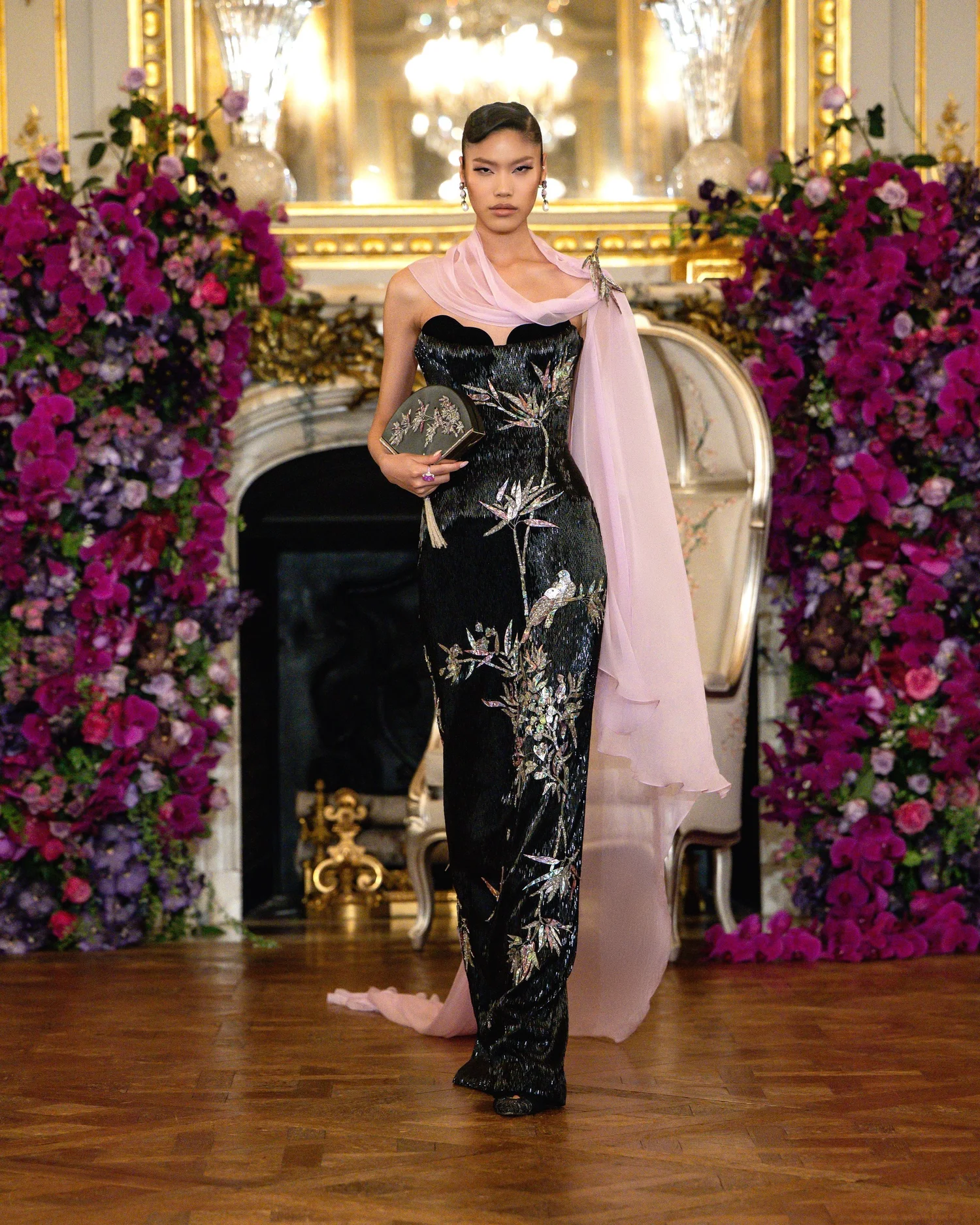
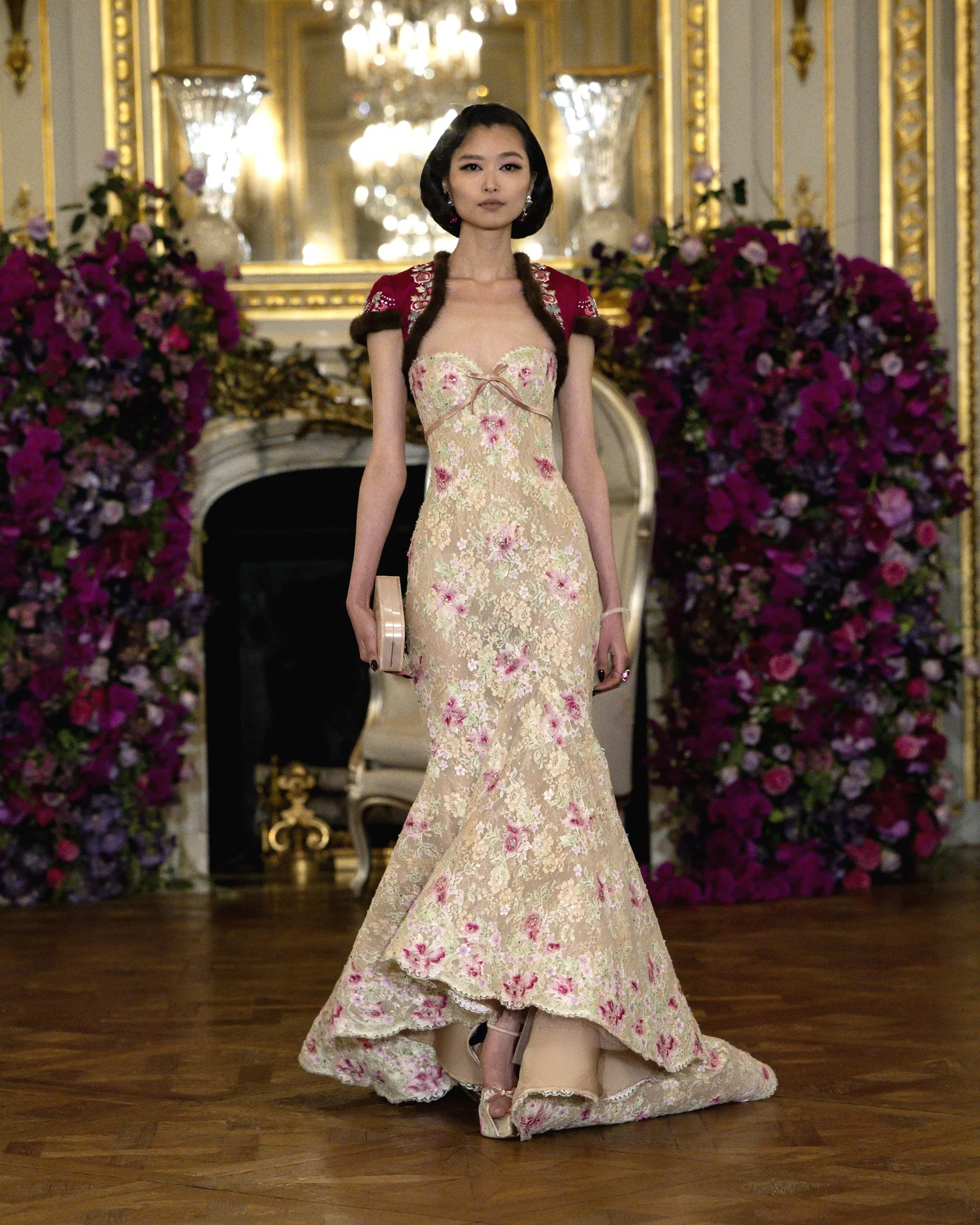
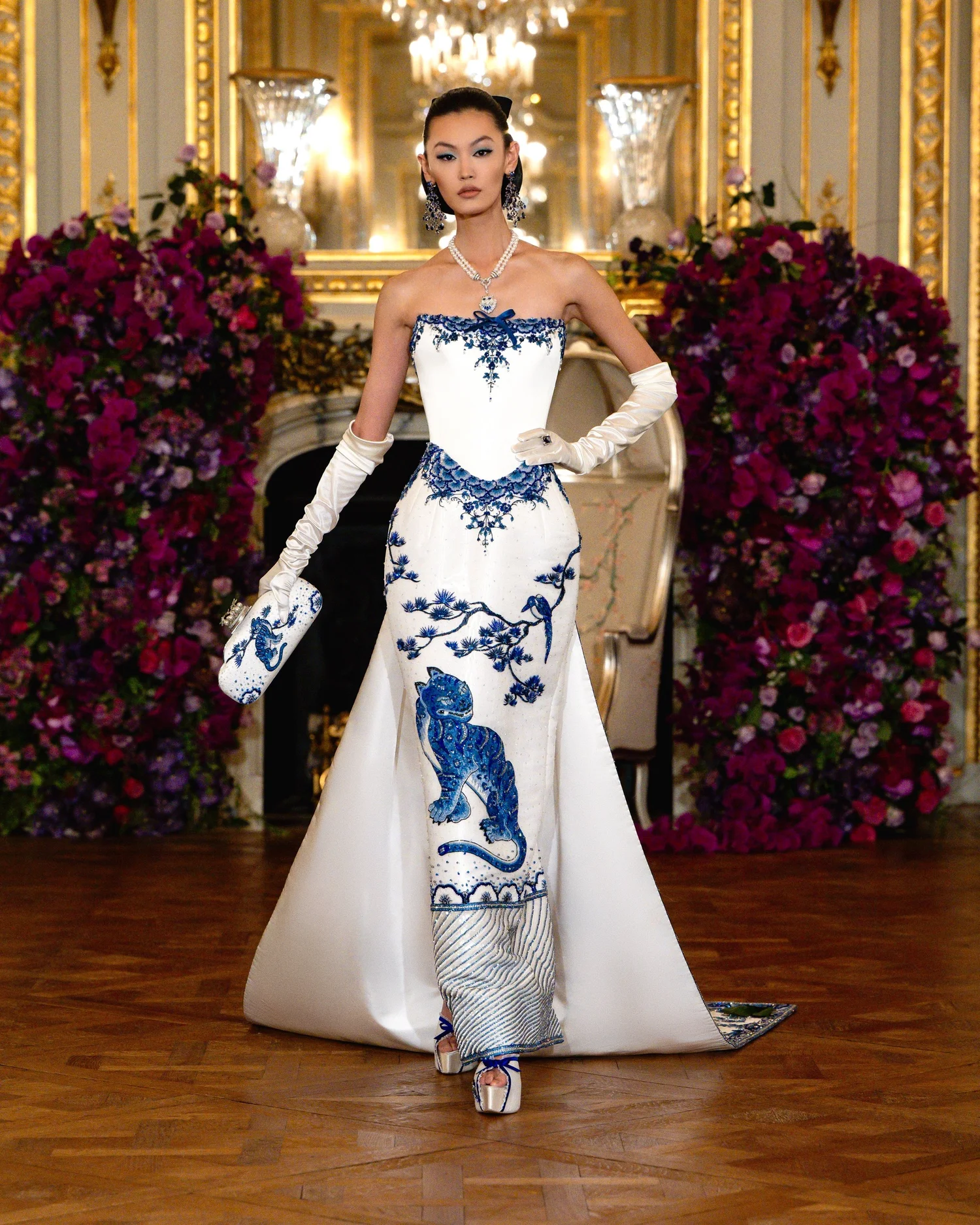
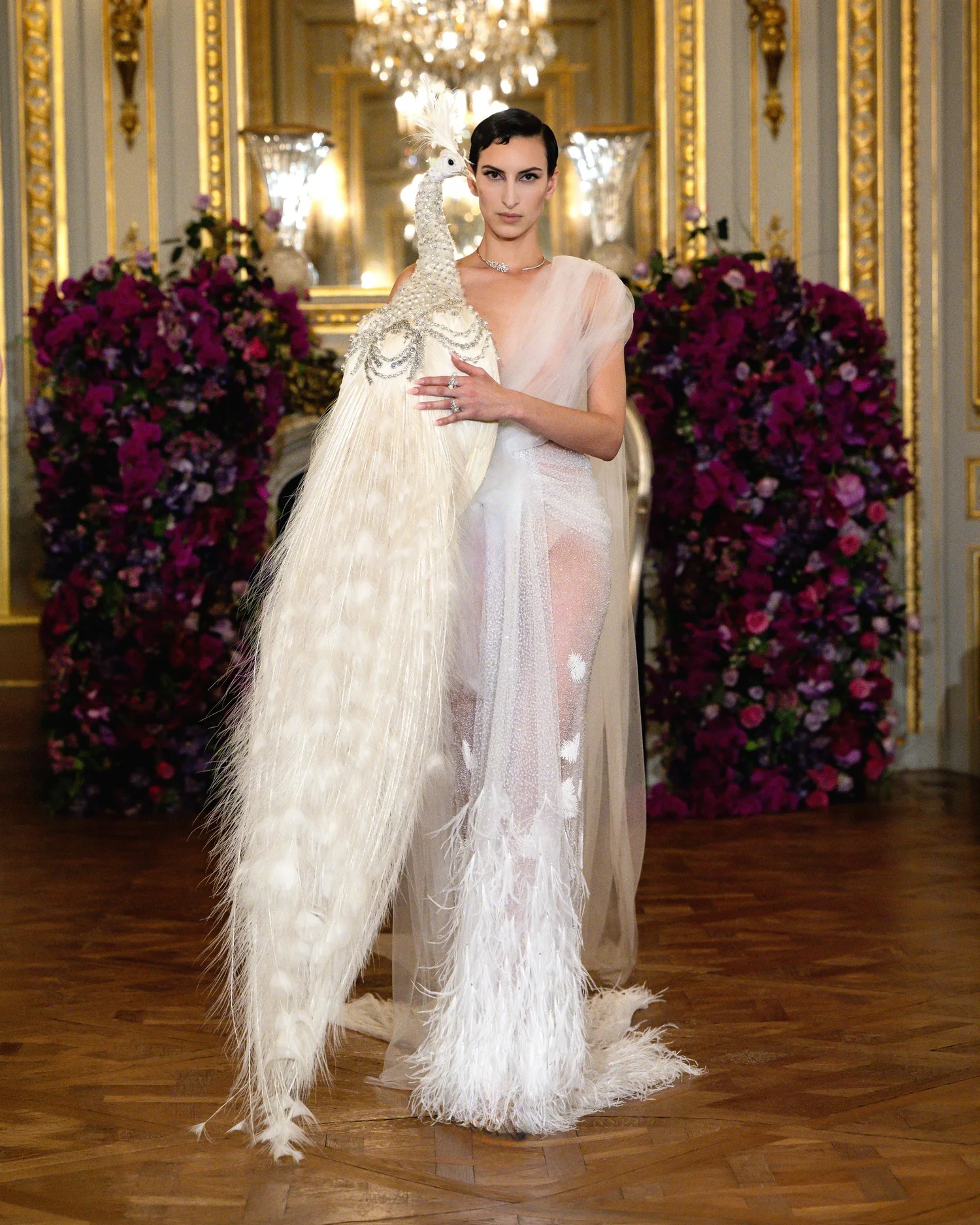
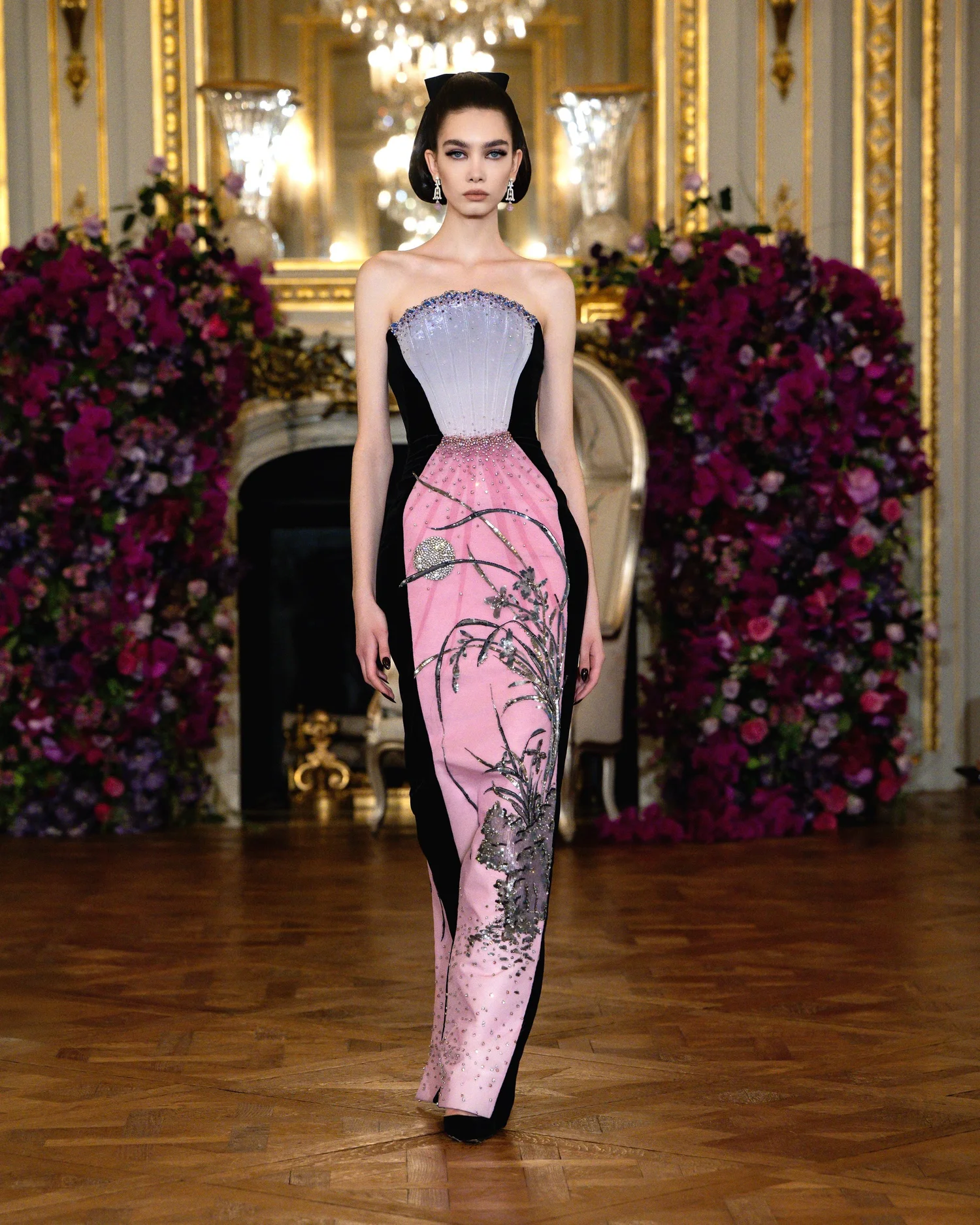
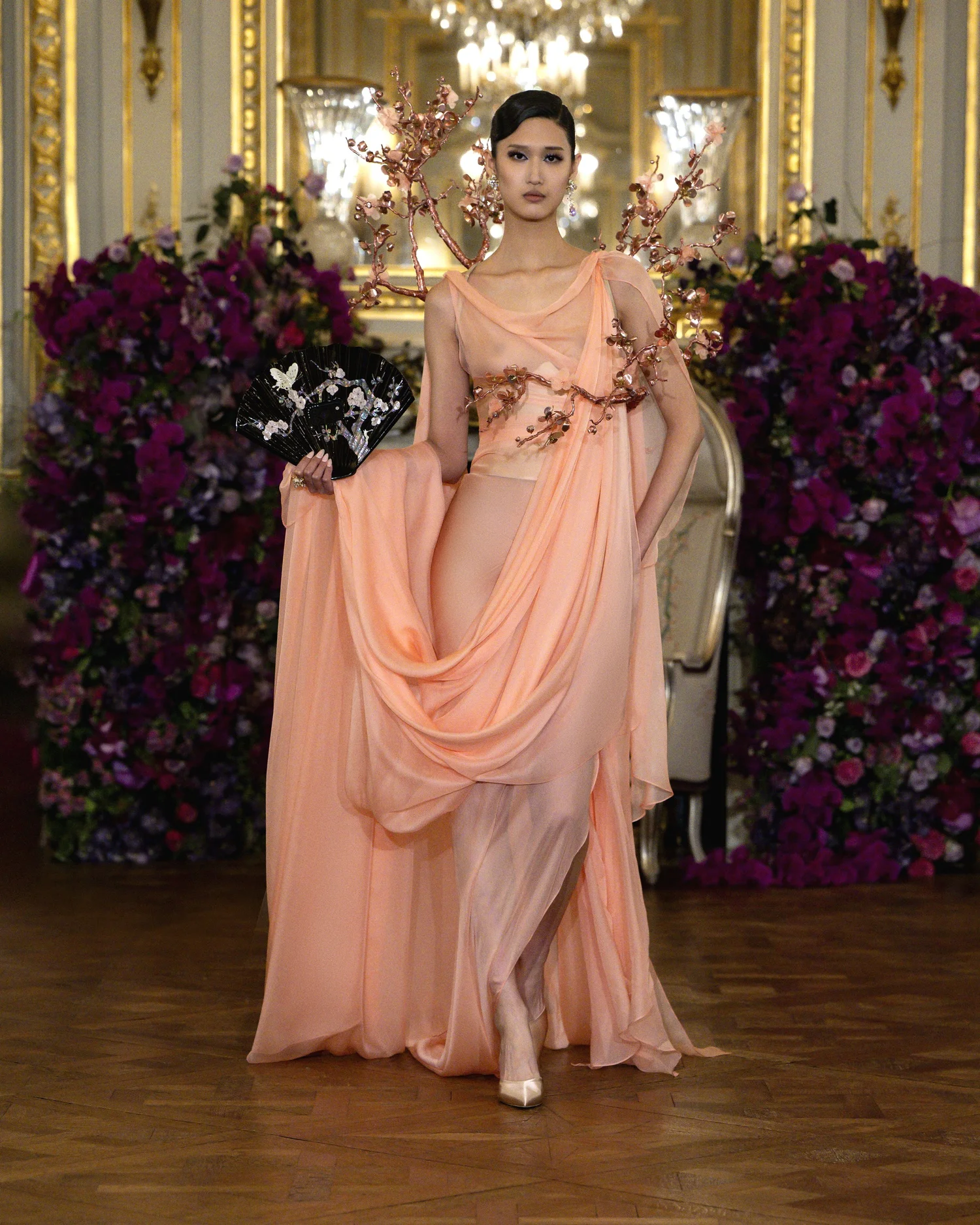
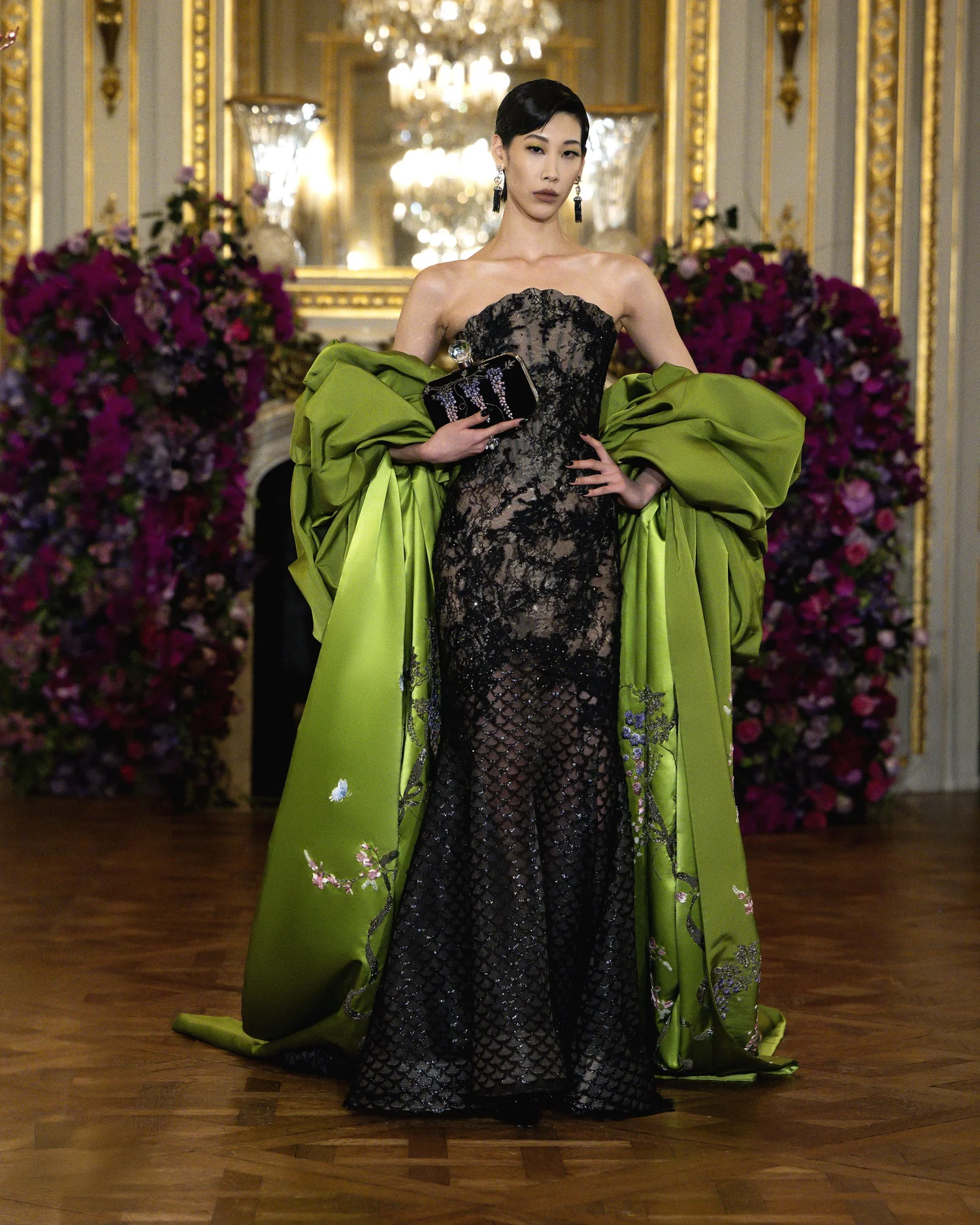
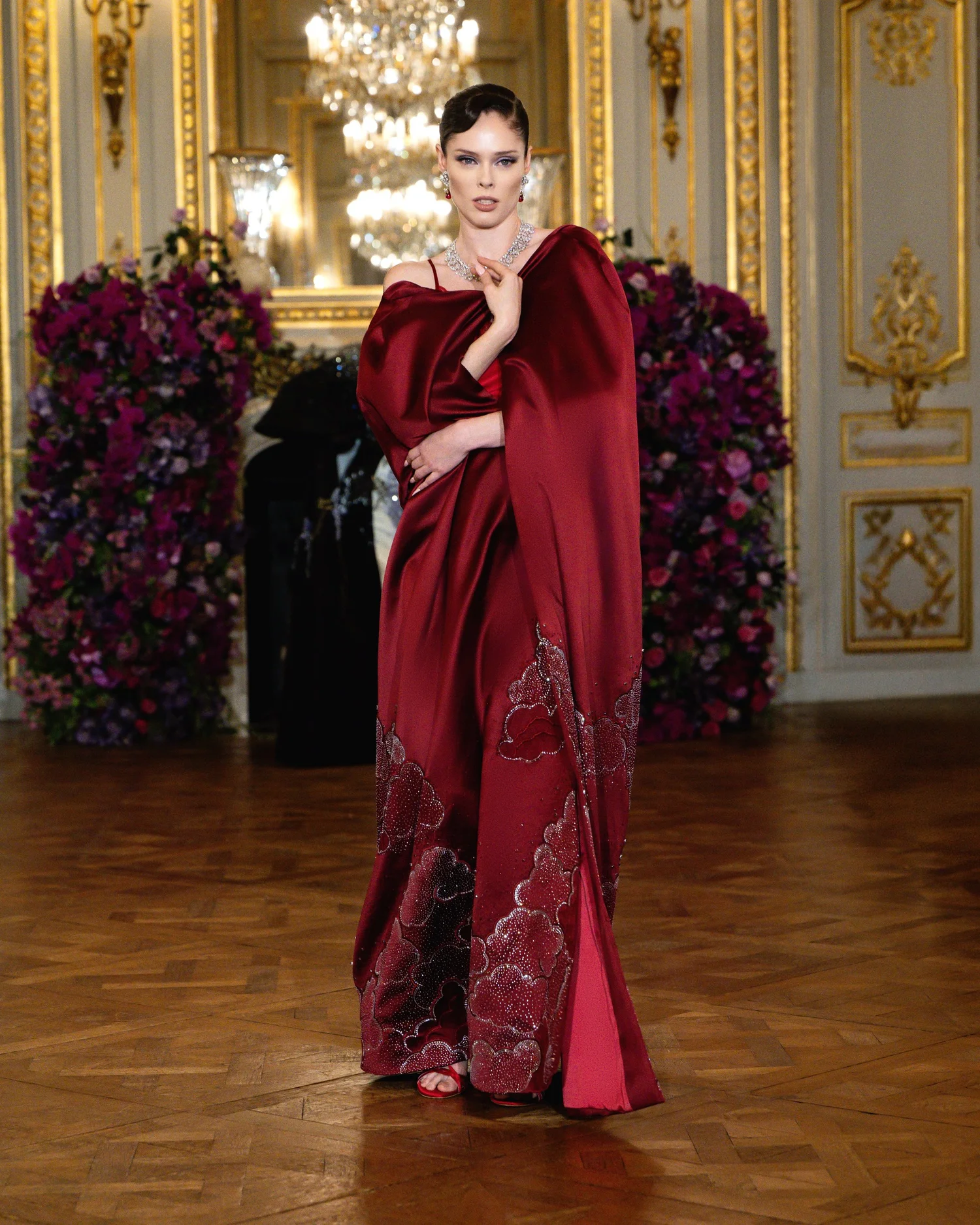
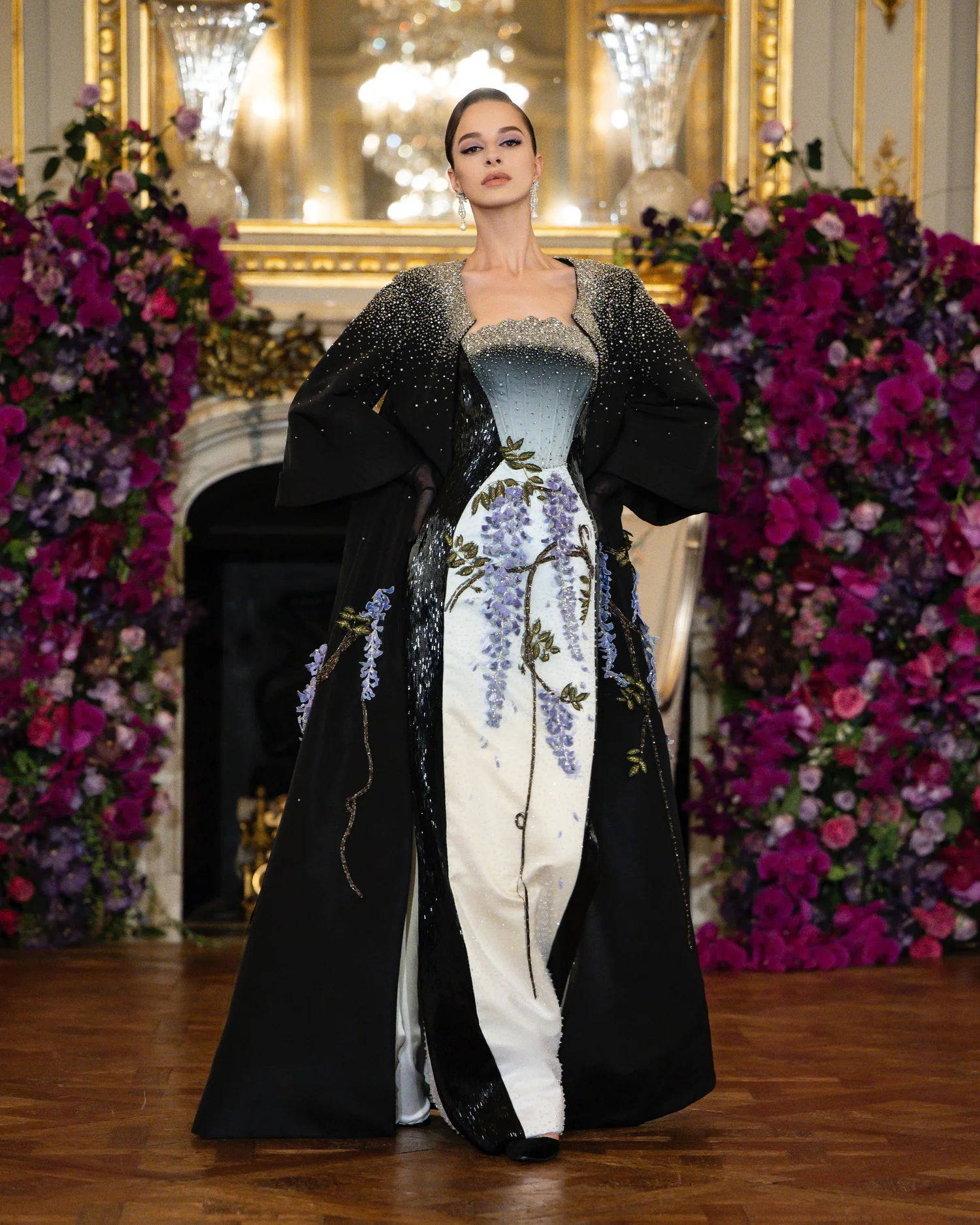
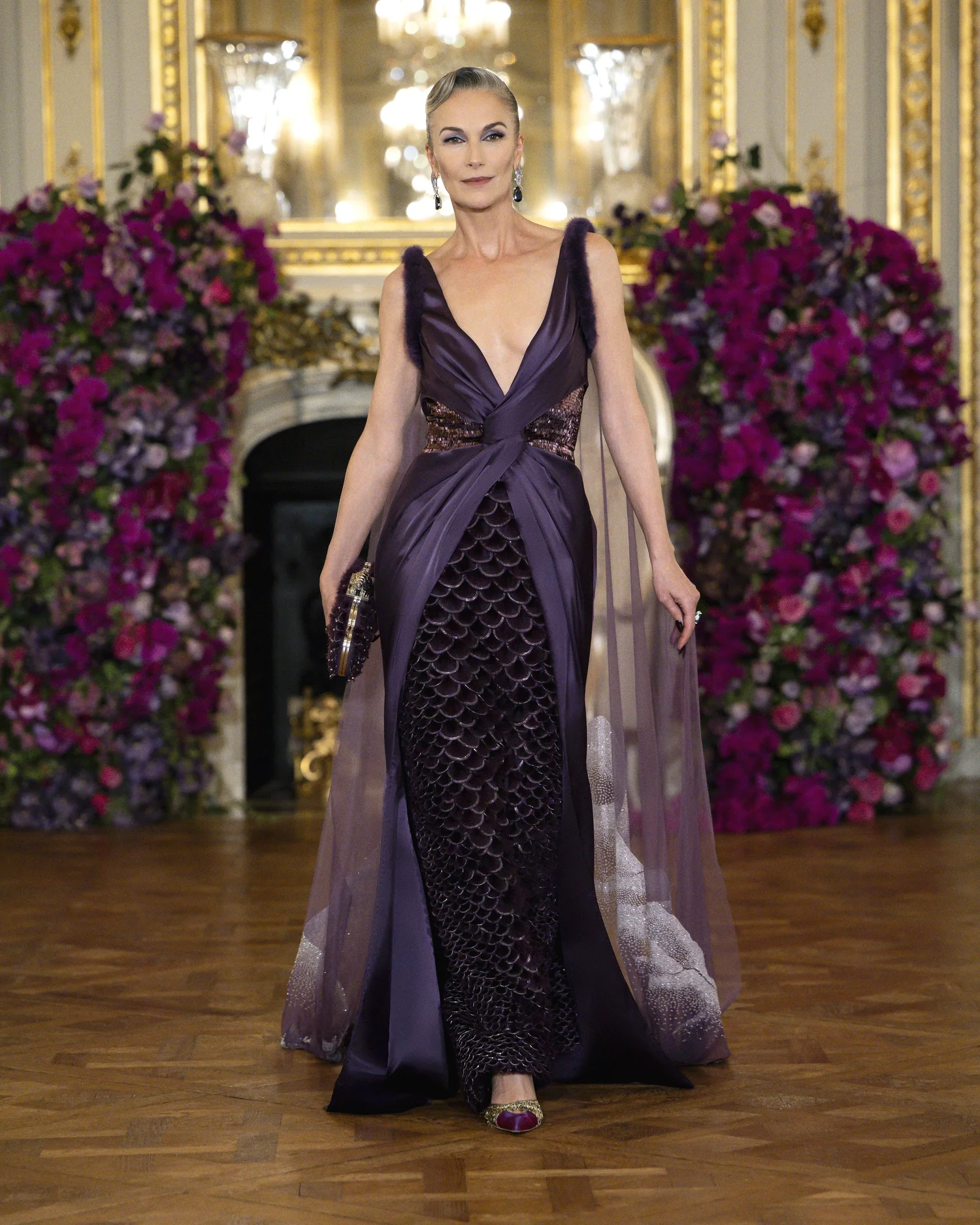
Courtesy of Miss Sohee.
Courtesy of Miss Sohee.
Courtesy of Miss Sohee.
Dior – Jonathan Anderson’s Garden of Couture
Dior – Jonathan Anderson’s Garden of Couture
Dior – Jonathan Anderson’s Garden of Couture
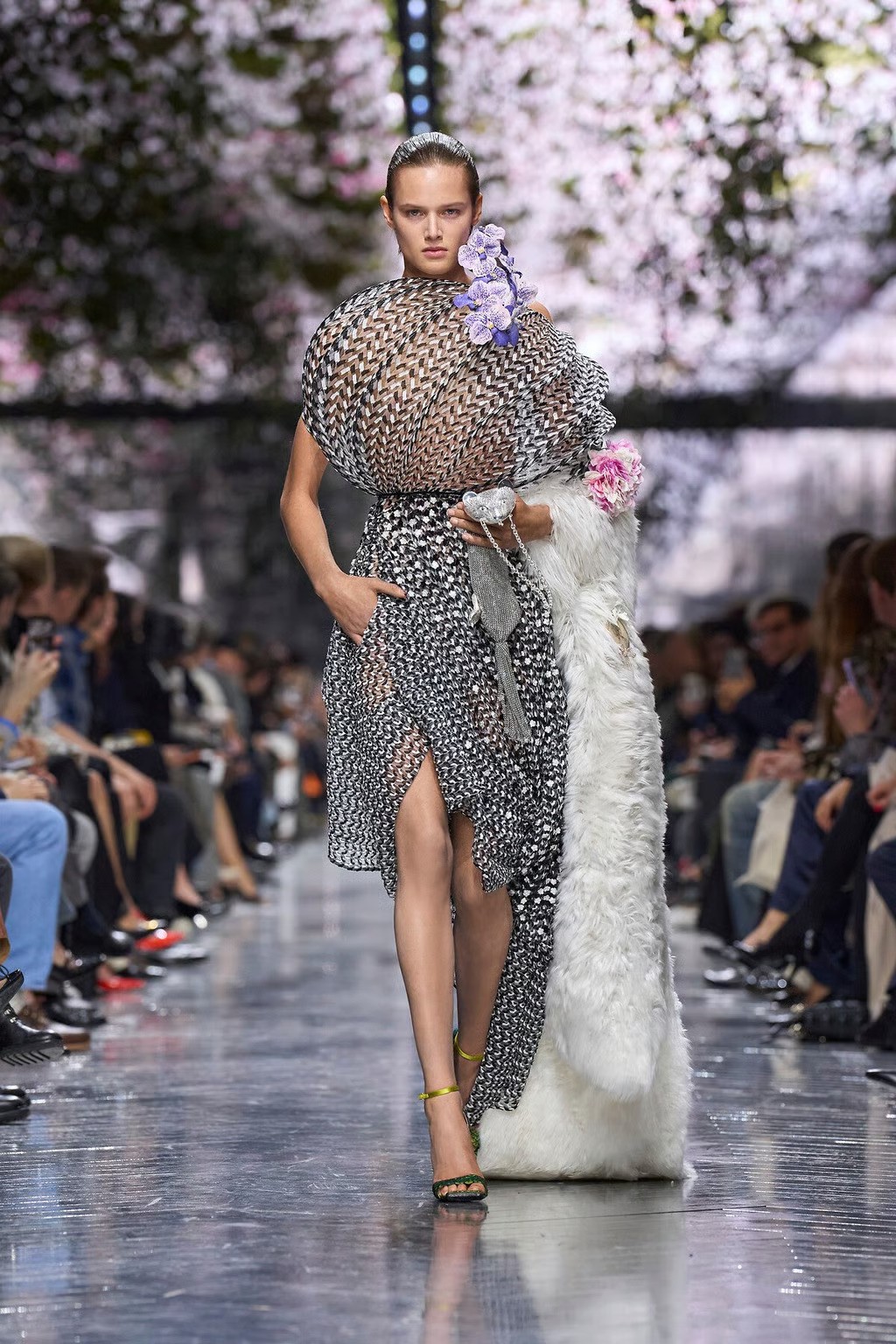
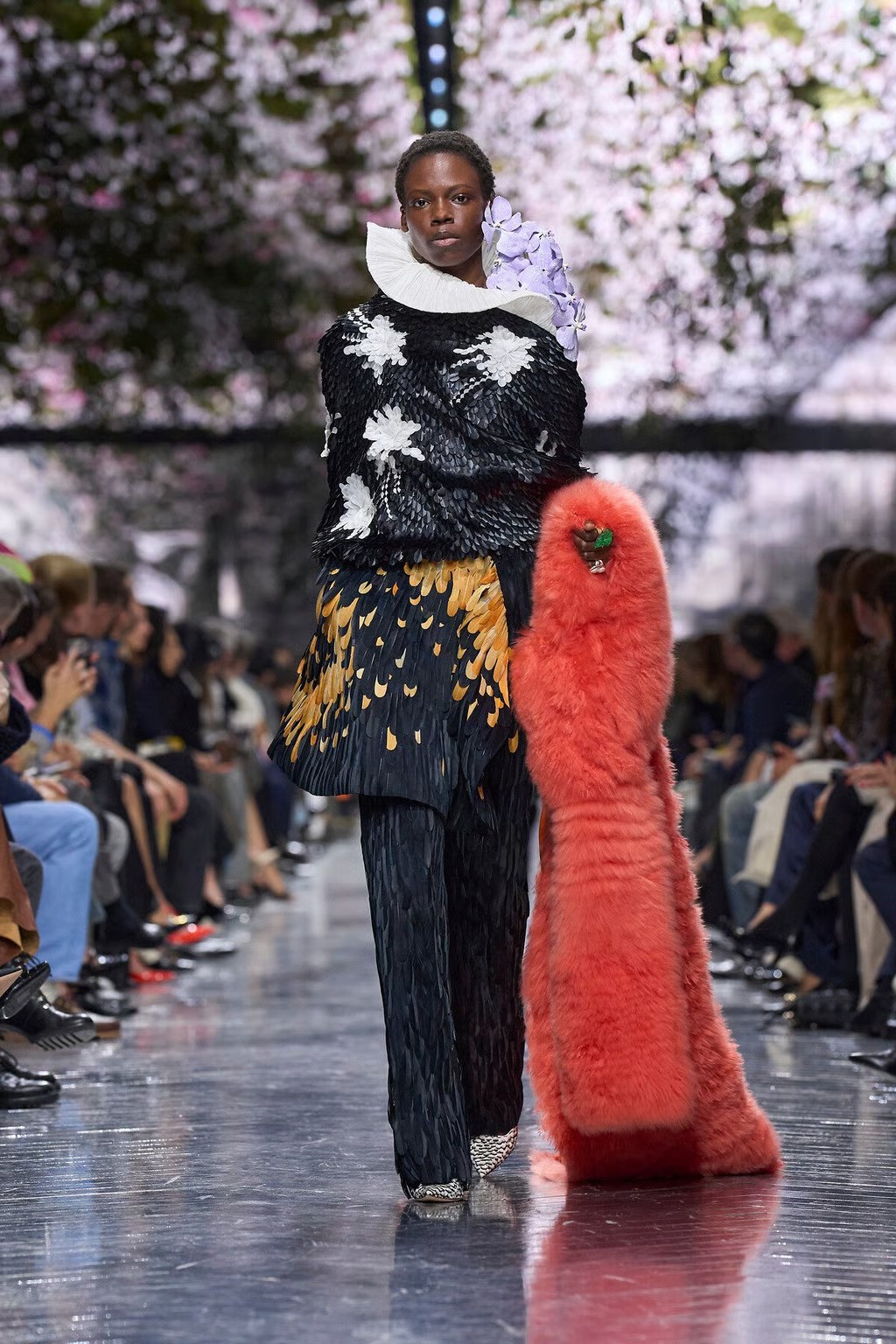
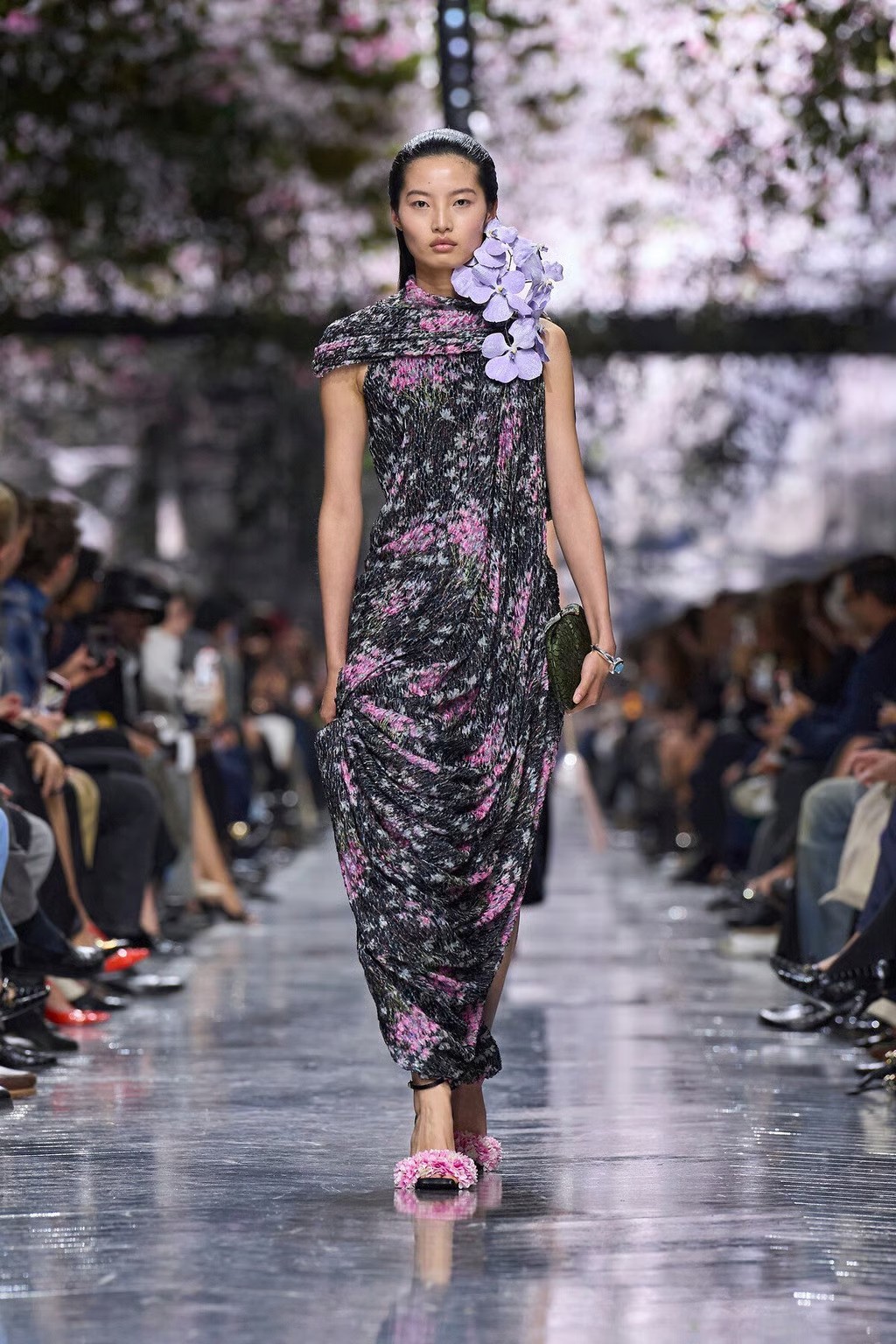
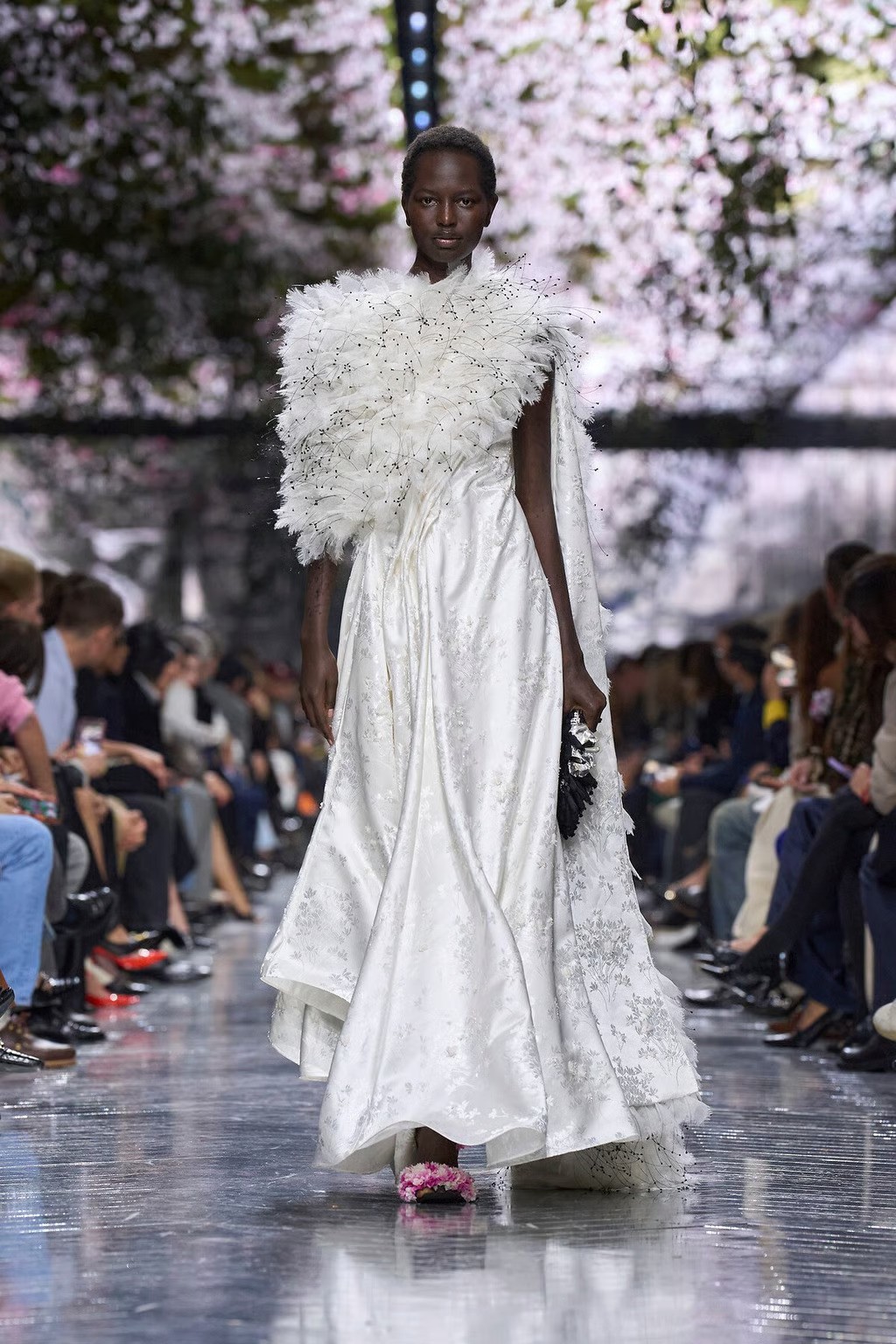
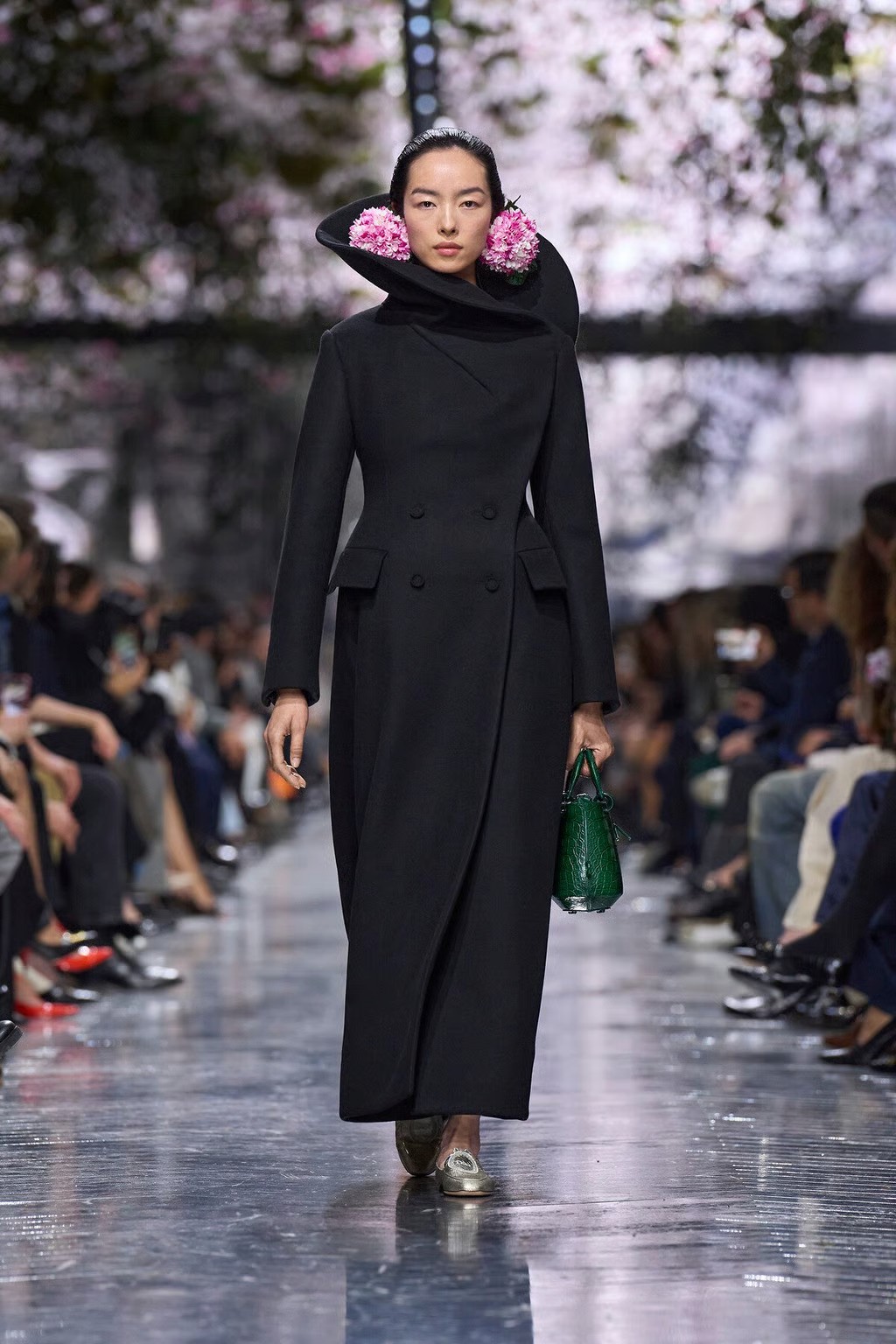
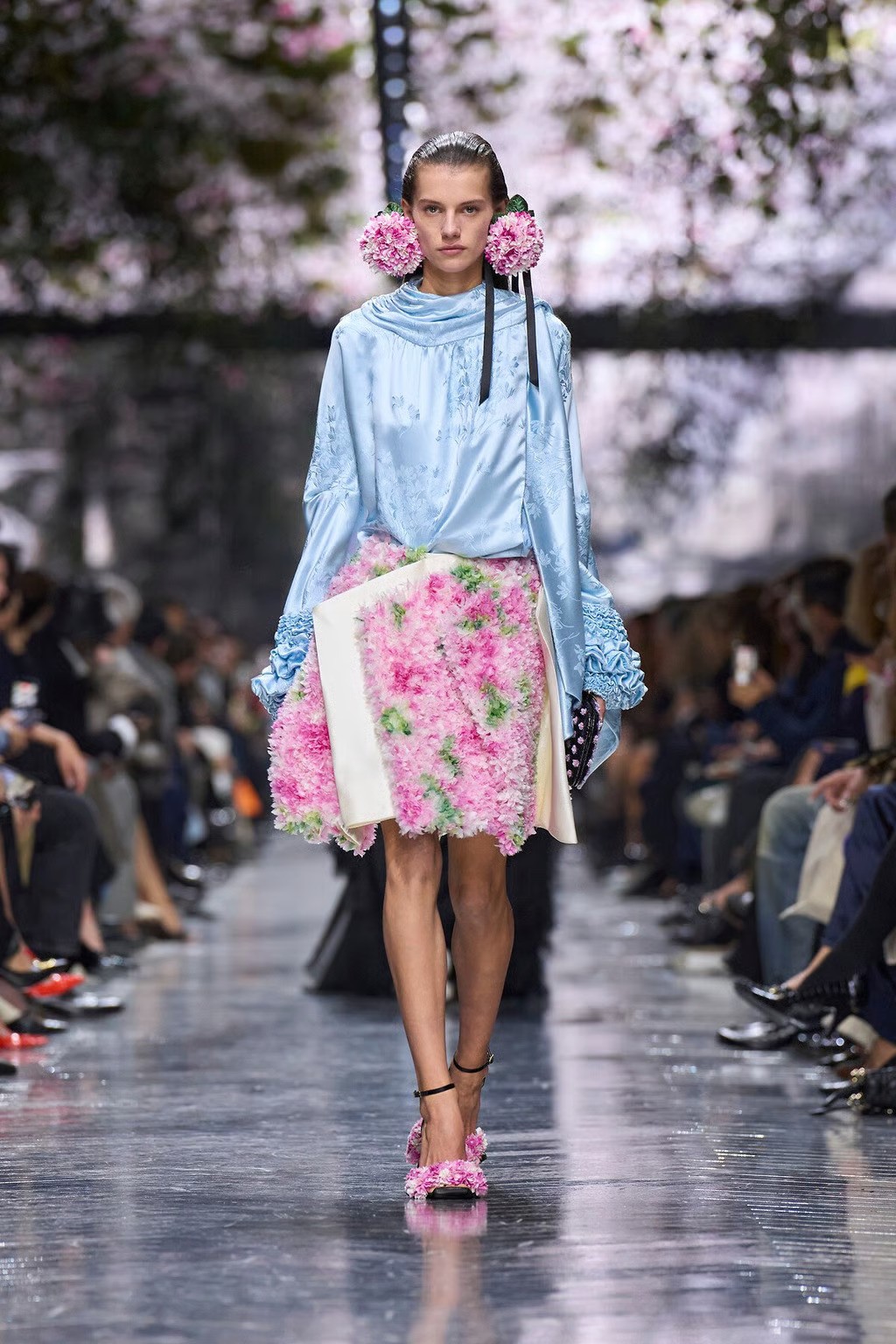
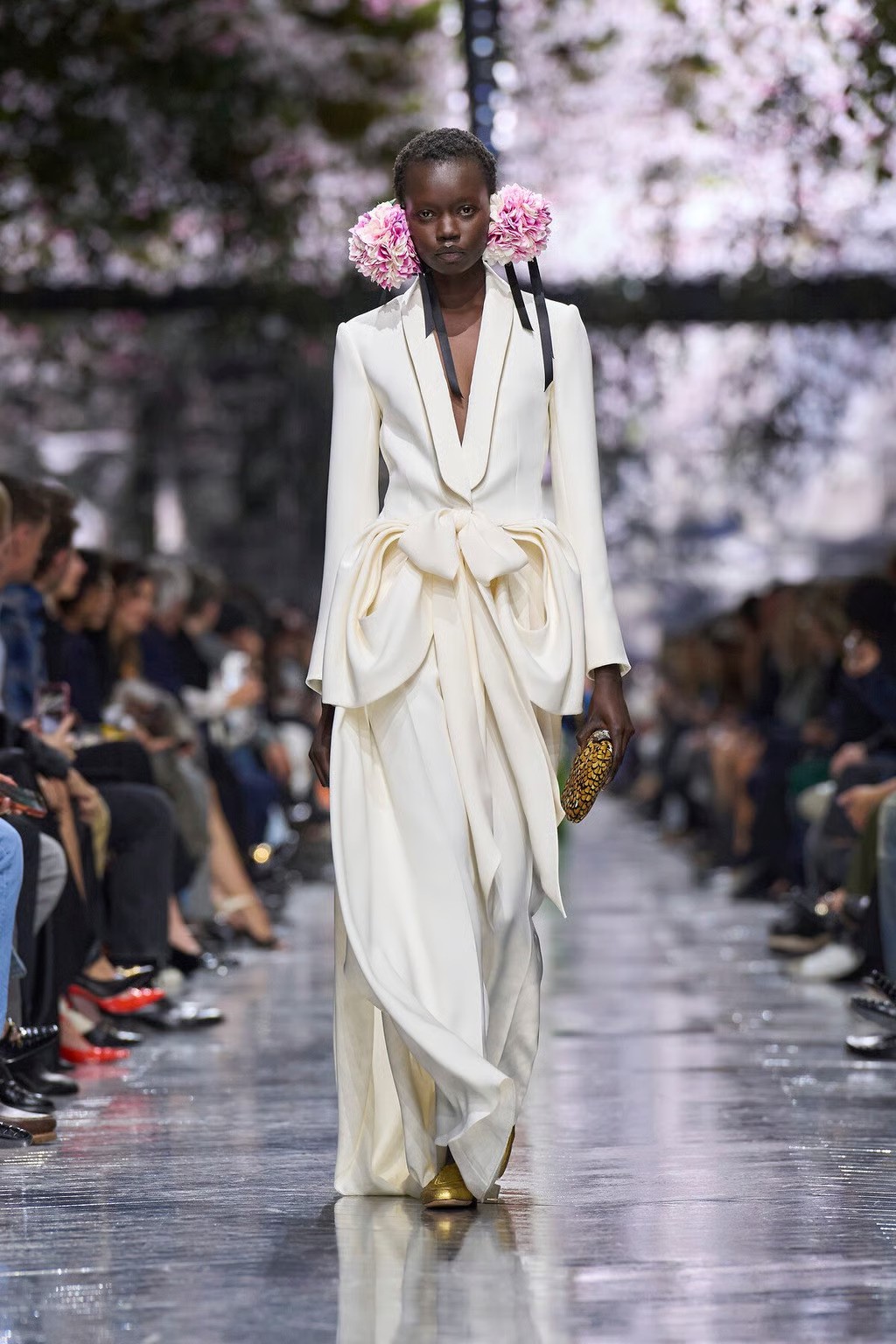
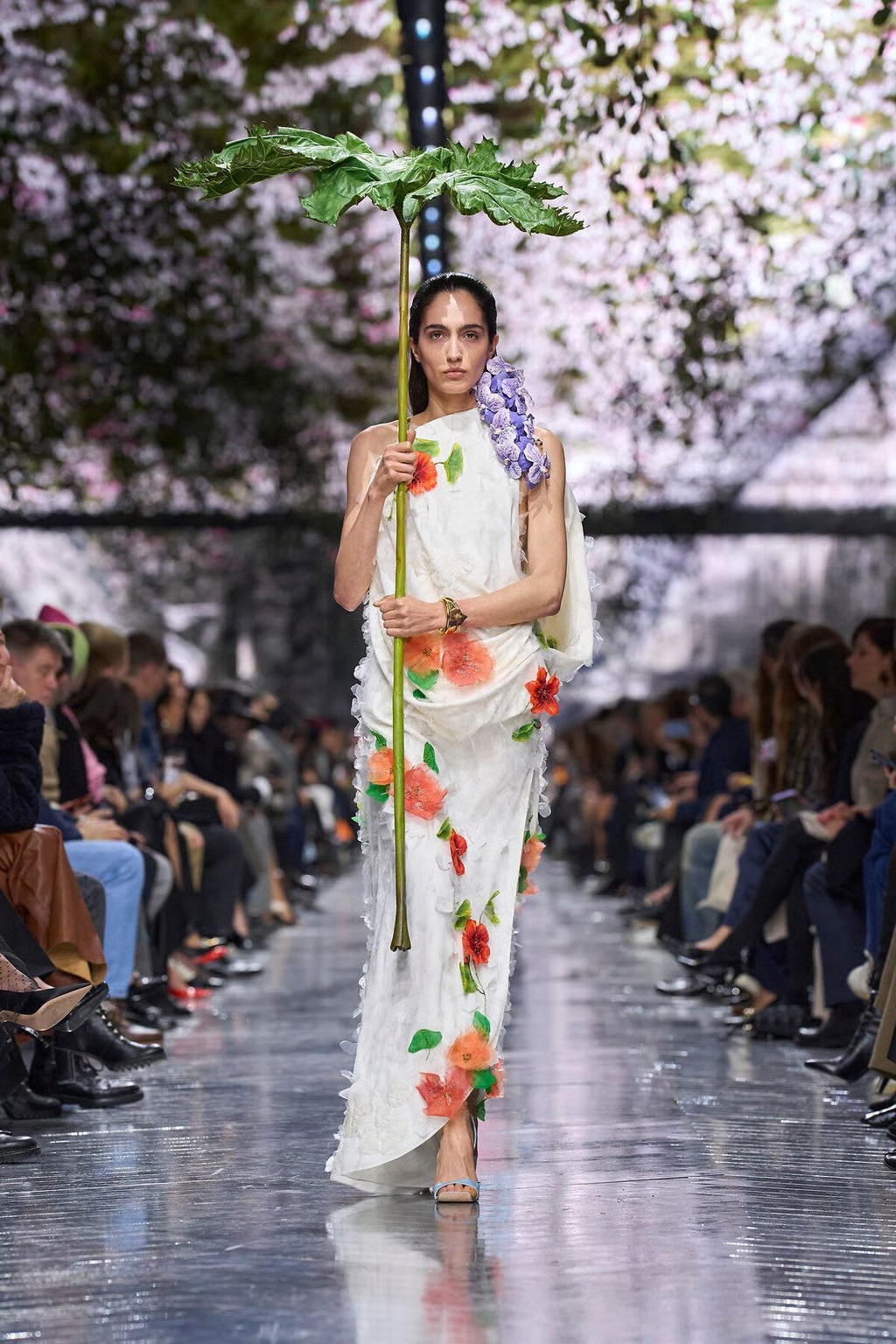
Anticipation ran high for the Dior Spring/Summer 2026 Haute Couture show, which marked Jonathan Anderson’s couture debut for the storied house. The collection was met with a spectrum of responses, yet what ultimately lingers is not its immediate impact but its cumulative effect. Rather than asserting itself through overt theatricality, Anderson’s proposal unfolds gradually, with its beauty embedded in construction, material choice, and the discipline of restraint. At first encounter, the collection may appear somewhat understated, particularly when measured against the grandeur often synonymous with haute couture. Yet it behaves less like a declaration than a living thing. With time, through subsequent viewings, its logic begins to assert itself; details and craftsmanship emerge like petals coming into bloom. In this sense, the collection operates as a slow-burning meditation on nature, craft, and continuity, inviting reflection rather than demanding awe. Turning to the show itself, Jonathan Anderson transformed the Musée Rodin venue into an immersive botanical dream, with guests walking beneath a literal hanging meadow of cyclamen and moss suspended from the ceiling, their fragrance filling a mirrored “greenhouse” runway. This choice of cyclamen was deeply symbolic. As Anderson revealed, John Galliano had gifted him wild cyclamen posies as a good-luck charm, a poetic baton of creative continuity passing the Dior legacy to a new generation. In the show notes, Anderson wrote, “When you copy nature, you always learn something… Nature offers no fixed conclusions, only systems in motion – evolving, adapting, and enduring. Haute Couture belongs to this same lineage. It is a laboratory of ideas, where experimentation is inseparable from craft, and time-honored techniques are not preserved as relics but activated as living knowledge.”
The collection itself unfolded like a Wunderkammer – a cabinet of curiosities – of Dior’s past and future treasures. Anderson’s fascination with objects marked by time was evident in the incorporation of 18th-century textiles, upcycled into new gowns and accessories, such as pannier-skirted dresses that hinted at Dior’s New Look silhouette and were crafted from antique brocades. Tiny vintage cameo miniatures sourced from auctions became jewelled brooches and adornments for garments. Fragments of actual meteorites and fossils were set into cuff bracelets and rings, bringing cosmic antiquity into the couture parlour. Anderson spun these elements together with masterful lightness. Models emerged in sculptural silk dresses with pleated, bulbous hems tied like blossoms at the knee, inspired by a vase form of his collaborator Magdalene Odundo. There were pieces with tulle that provided a stitched armature for rounded silhouettes; pieces with netting that functioned as a veil over inflated proportions; shredded chiffon and organza that built up in thin layers for texture; and cyclamen motifs that appeared as sculpted silk applications and delicate embroidery extending onto jewelry and shoes. In palette and mood, the collection was like dawn in an imaginary garden: soft petal pinks, moss greens, sky blues, punctuated by the black-and-white of shadows and light. Anderson even nodded to Christian Dior’s own love of gardening by referencing the iconic “flower women” of the house, reinterpreted via knit cocoon capes and bell-shaped skirts that evoked blossoms in silhouette. Accessories continued the dialogue between eras, with models carrying molded handbags covered in centuries-old fabrics and embroidery, as well as surreal clutches shaped like seedpods and insect carapaces. On their feet, some wore golden slippers reimagining Dior’s classic Roger Vivier-designed square-toe shoes of the 1950s. And the couture jewelry pieces were a story unto themselves, with 18th-century portrait miniatures framed in pearls and lacquer, ornate silk ear cuffs that unfurled like literal flowers, and chunky rings made of semiprecious stones and meteorite shards, symbolizing a union of earth and sky.
As with each of his Dior collections to date, Jonathan Anderson, no matter how fantastical, respected and still paid homage to the house and its history, from the Bar jacket’s architectural lines (this time reinvented with a swooping collar and cape attached), to the spirit of elegance and femininity that Dior pioneered, to taking inspiration from and inviting John Galliano. It was a high Renaissancegarden of fashion, steeped in the tailored history of the house but germinating new ideas, a reminder of the beauty that grows when new ideas and tradition blossom hand in hand.
Anticipation ran high for the Dior Spring/Summer 2026 Haute Couture show, which marked Jonathan Anderson’s couture debut for the storied house. The collection was met with a spectrum of responses, yet what ultimately lingers is not its immediate impact but its cumulative effect. Rather than asserting itself through overt theatricality, Anderson’s proposal unfolds gradually, with its beauty embedded in construction, material choice, and the discipline of restraint. At first encounter, the collection may appear somewhat understated, particularly when measured against the grandeur often synonymous with haute couture. Yet it behaves less like a declaration than a living thing. With time, through subsequent viewings, its logic begins to assert itself; details and craftsmanship emerge like petals coming into bloom. In this sense, the collection operates as a slow-burning meditation on nature, craft, and continuity, inviting reflection rather than demanding awe. Turning to the show itself, Jonathan Anderson transformed the Musée Rodin venue into an immersive botanical dream, with guests walking beneath a literal hanging meadow of cyclamen and moss suspended from the ceiling, their fragrance filling a mirrored “greenhouse” runway. This choice of cyclamen was deeply symbolic. As Anderson revealed, John Galliano had gifted him wild cyclamen posies as a good-luck charm, a poetic baton of creative continuity passing the Dior legacy to a new generation. In the show notes, Anderson wrote, “When you copy nature, you always learn something… Nature offers no fixed conclusions, only systems in motion – evolving, adapting, and enduring. Haute Couture belongs to this same lineage. It is a laboratory of ideas, where experimentation is inseparable from craft, and time-honored techniques are not preserved as relics but activated as living knowledge.”
The collection itself unfolded like a Wunderkammer – a cabinet of curiosities – of Dior’s past and future treasures. Anderson’s fascination with objects marked by time was evident in the incorporation of 18th-century textiles, upcycled into new gowns and accessories, such as pannier-skirted dresses that hinted at Dior’s New Look silhouette and were crafted from antique brocades. Tiny vintage cameo miniatures sourced from auctions became jewelled brooches and adornments for garments. Fragments of actual meteorites and fossils were set into cuff bracelets and rings, bringing cosmic antiquity into the couture parlour. Anderson spun these elements together with masterful lightness. Models emerged in sculptural silk dresses with pleated, bulbous hems tied like blossoms at the knee, inspired by a vase form of his collaborator Magdalene Odundo. There were pieces with tulle that provided a stitched armature for rounded silhouettes; pieces with netting that functioned as a veil over inflated proportions; shredded chiffon and organza that built up in thin layers for texture; and cyclamen motifs that appeared as sculpted silk applications and delicate embroidery extending onto jewelry and shoes. In palette and mood, the collection was like dawn in an imaginary garden: soft petal pinks, moss greens, sky blues, punctuated by the black-and-white of shadows and light. Anderson even nodded to Christian Dior’s own love of gardening by referencing the iconic “flower women” of the house, reinterpreted via knit cocoon capes and bell-shaped skirts that evoked blossoms in silhouette. Accessories continued the dialogue between eras, with models carrying molded handbags covered in centuries-old fabrics and embroidery, as well as surreal clutches shaped like seedpods and insect carapaces. On their feet, some wore golden slippers reimagining Dior’s classic Roger Vivier-designed square-toe shoes of the 1950s. And the couture jewelry pieces were a story unto themselves, with 18th-century portrait miniatures framed in pearls and lacquer, ornate silk ear cuffs that unfurled like literal flowers, and chunky rings made of semiprecious stones and meteorite shards, symbolizing a union of earth and sky.
As with each of his Dior collections to date, Jonathan Anderson, no matter how fantastical, respected and still paid homage to the house and its history, from the Bar jacket’s architectural lines (this time reinvented with a swooping collar and cape attached), to the spirit of elegance and femininity that Dior pioneered, to taking inspiration from and inviting John Galliano. It was a high Renaissancegarden of fashion, steeped in the tailored history of the house but germinating new ideas, a reminder of the beauty that grows when new ideas and tradition blossom hand in hand.
Anticipation ran high for the Dior Spring/Summer 2026 Haute Couture show, which marked Jonathan Anderson’s couture debut for the storied house. The collection was met with a spectrum of responses, yet what ultimately lingers is not its immediate impact but its cumulative effect. Rather than asserting itself through overt theatricality, Anderson’s proposal unfolds gradually, with its beauty embedded in construction, material choice, and the discipline of restraint. At first encounter, the collection may appear somewhat understated, particularly when measured against the grandeur often synonymous with haute couture. Yet it behaves less like a declaration than a living thing. With time, through subsequent viewings, its logic begins to assert itself; details and craftsmanship emerge like petals coming into bloom. In this sense, the collection operates as a slow-burning meditation on nature, craft, and continuity, inviting reflection rather than demanding awe. Turning to the show itself, Jonathan Anderson transformed the Musée Rodin venue into an immersive botanical dream, with guests walking beneath a literal hanging meadow of cyclamen and moss suspended from the ceiling, their fragrance filling a mirrored “greenhouse” runway. This choice of cyclamen was deeply symbolic. As Anderson revealed, John Galliano had gifted him wild cyclamen posies as a good-luck charm, a poetic baton of creative continuity passing the Dior legacy to a new generation. In the show notes, Anderson wrote, “When you copy nature, you always learn something… Nature offers no fixed conclusions, only systems in motion – evolving, adapting, and enduring. Haute Couture belongs to this same lineage. It is a laboratory of ideas, where experimentation is inseparable from craft, and time-honored techniques are not preserved as relics but activated as living knowledge.”
The collection itself unfolded like a Wunderkammer – a cabinet of curiosities – of Dior’s past and future treasures. Anderson’s fascination with objects marked by time was evident in the incorporation of 18th-century textiles, upcycled into new gowns and accessories, such as pannier-skirted dresses that hinted at Dior’s New Look silhouette and were crafted from antique brocades. Tiny vintage cameo miniatures sourced from auctions became jewelled brooches and adornments for garments. Fragments of actual meteorites and fossils were set into cuff bracelets and rings, bringing cosmic antiquity into the couture parlour. Anderson spun these elements together with masterful lightness. Models emerged in sculptural silk dresses with pleated, bulbous hems tied like blossoms at the knee, inspired by a vase form of his collaborator Magdalene Odundo. There were pieces with tulle that provided a stitched armature for rounded silhouettes; pieces with netting that functioned as a veil over inflated proportions; shredded chiffon and organza that built up in thin layers for texture; and cyclamen motifs that appeared as sculpted silk applications and delicate embroidery extending onto jewelry and shoes. In palette and mood, the collection was like dawn in an imaginary garden: soft petal pinks, moss greens, sky blues, punctuated by the black-and-white of shadows and light. Anderson even nodded to Christian Dior’s own love of gardening by referencing the iconic “flower women” of the house, reinterpreted via knit cocoon capes and bell-shaped skirts that evoked blossoms in silhouette. Accessories continued the dialogue between eras, with models carrying molded handbags covered in centuries-old fabrics and embroidery, as well as surreal clutches shaped like seedpods and insect carapaces. On their feet, some wore golden slippers reimagining Dior’s classic Roger Vivier-designed square-toe shoes of the 1950s. And the couture jewelry pieces were a story unto themselves, with 18th-century portrait miniatures framed in pearls and lacquer, ornate silk ear cuffs that unfurled like literal flowers, and chunky rings made of semiprecious stones and meteorite shards, symbolizing a union of earth and sky.
As with each of his Dior collections to date, Jonathan Anderson, no matter how fantastical, respected and still paid homage to the house and its history, from the Bar jacket’s architectural lines (this time reinvented with a swooping collar and cape attached), to the spirit of elegance and femininity that Dior pioneered, to taking inspiration from and inviting John Galliano. It was a high Renaissancegarden of fashion, steeped in the tailored history of the house but germinating new ideas, a reminder of the beauty that grows when new ideas and tradition blossom hand in hand.
Our Favourite Looks
Our Favourite Looks
Our Favourite Looks
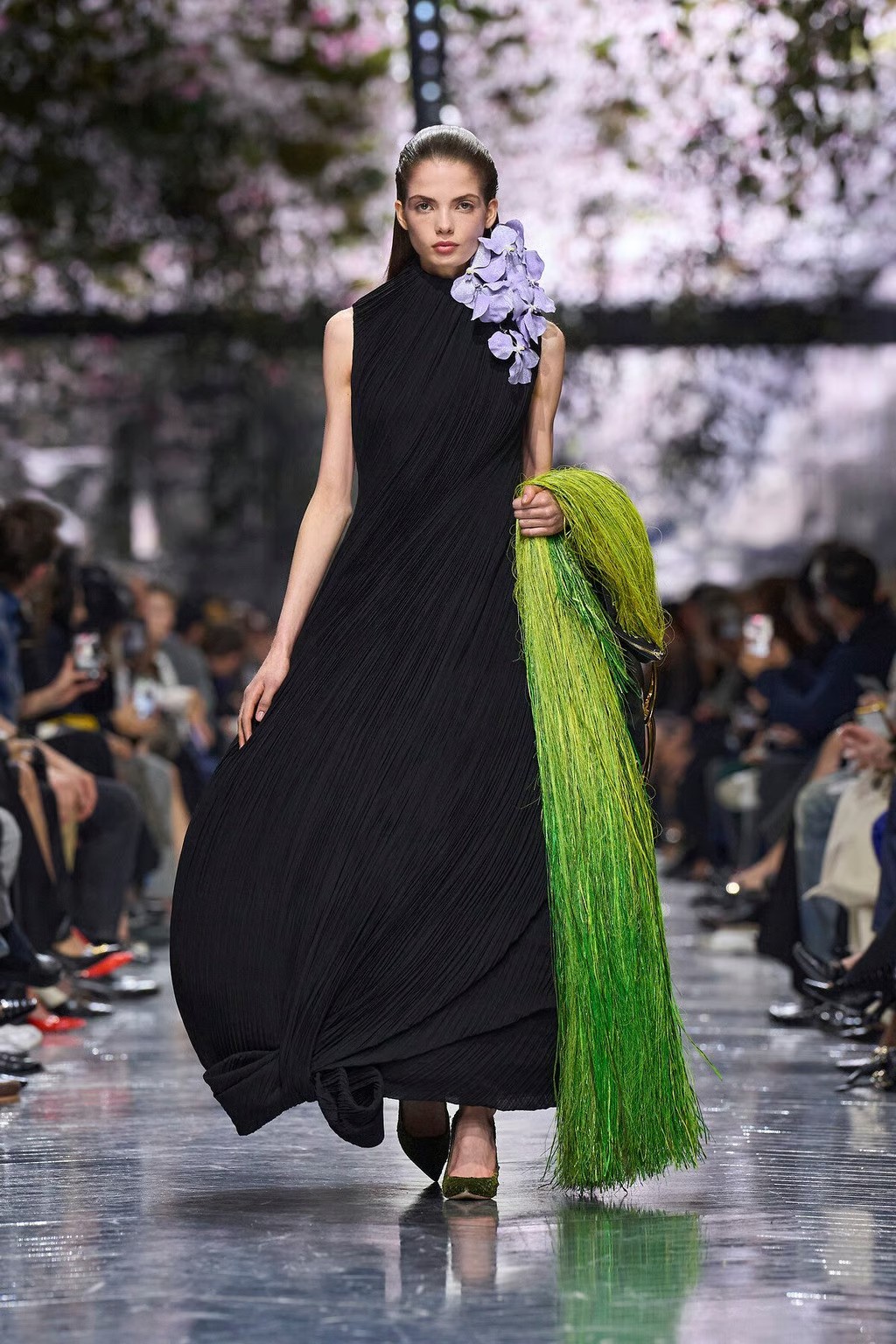
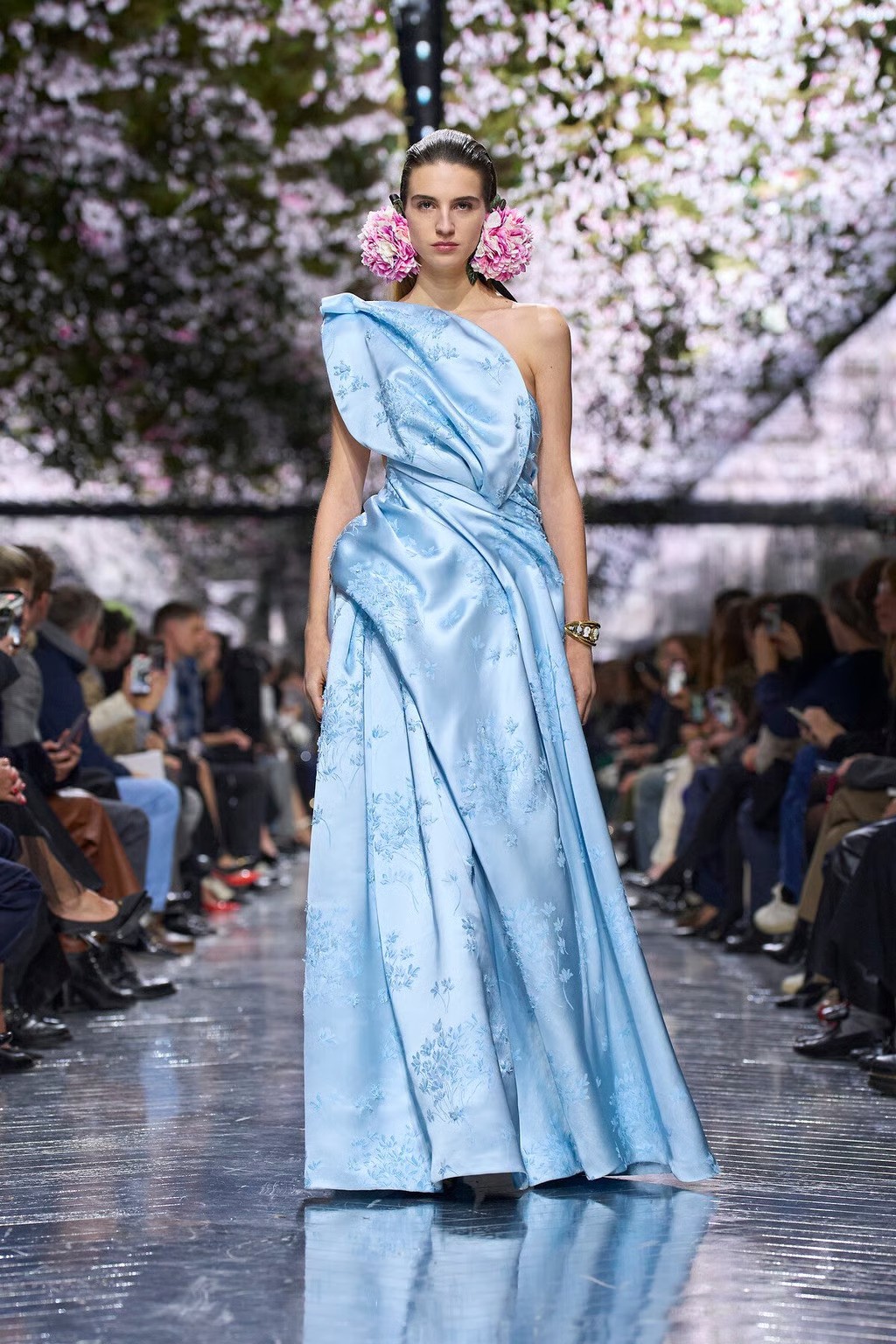
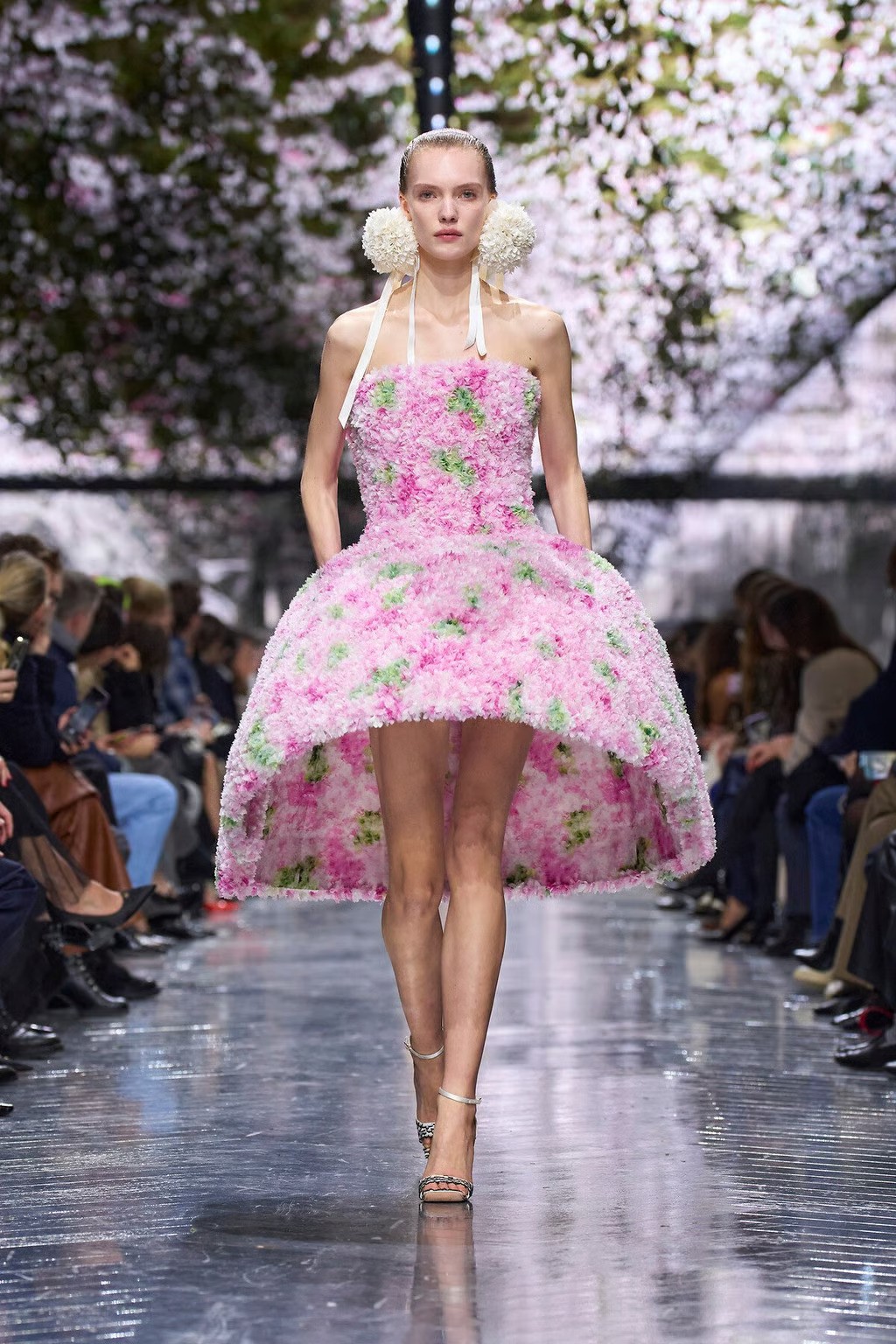
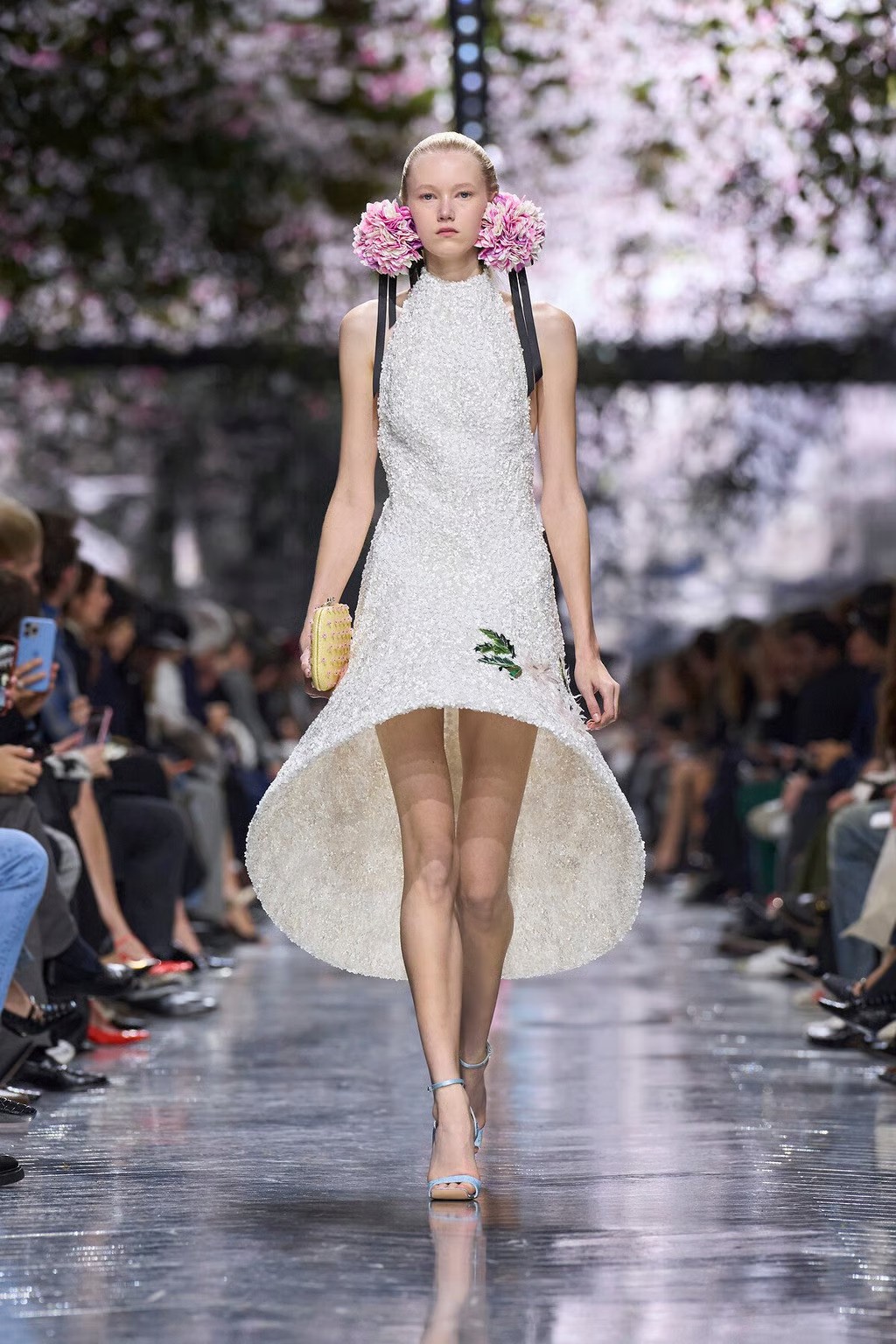
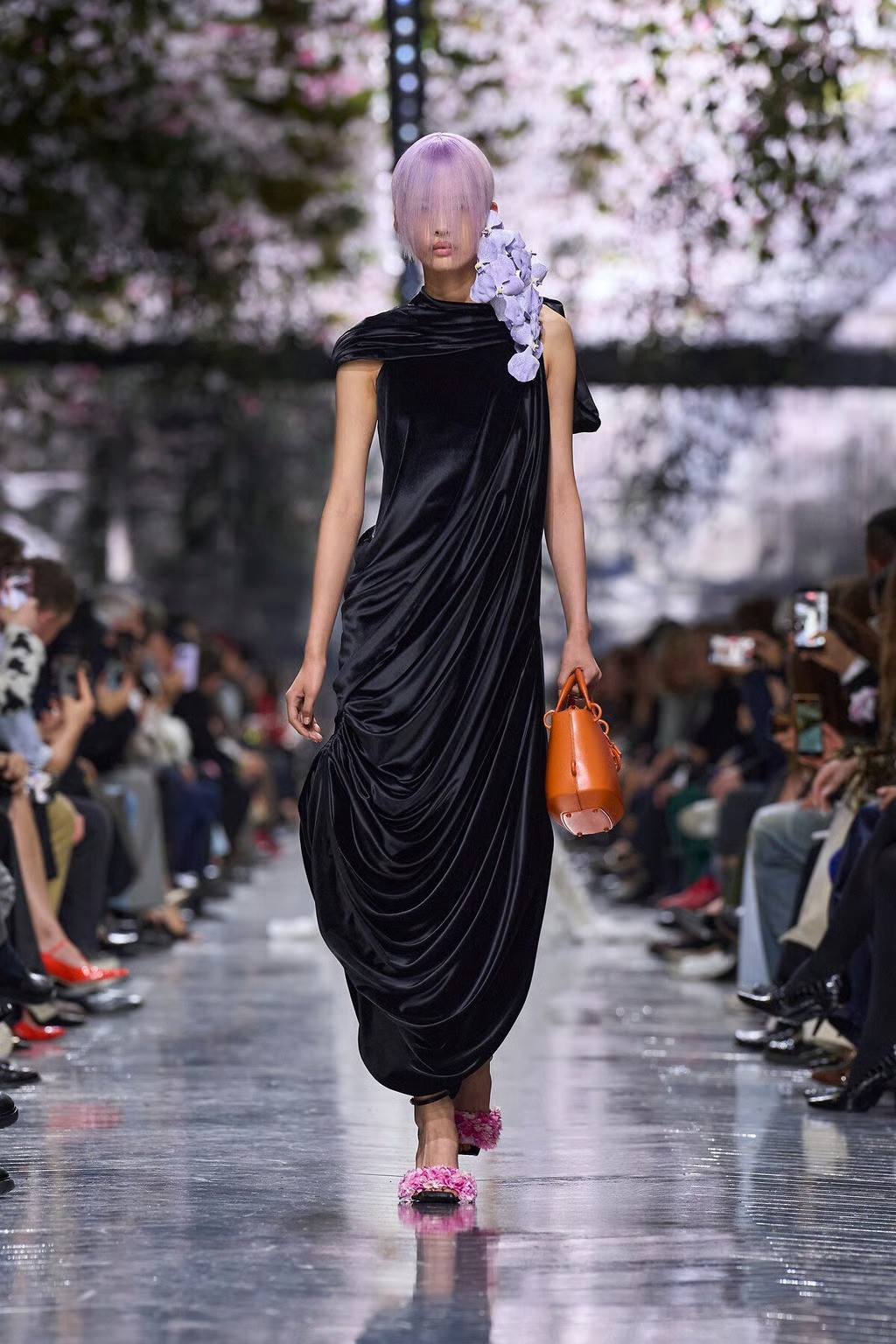
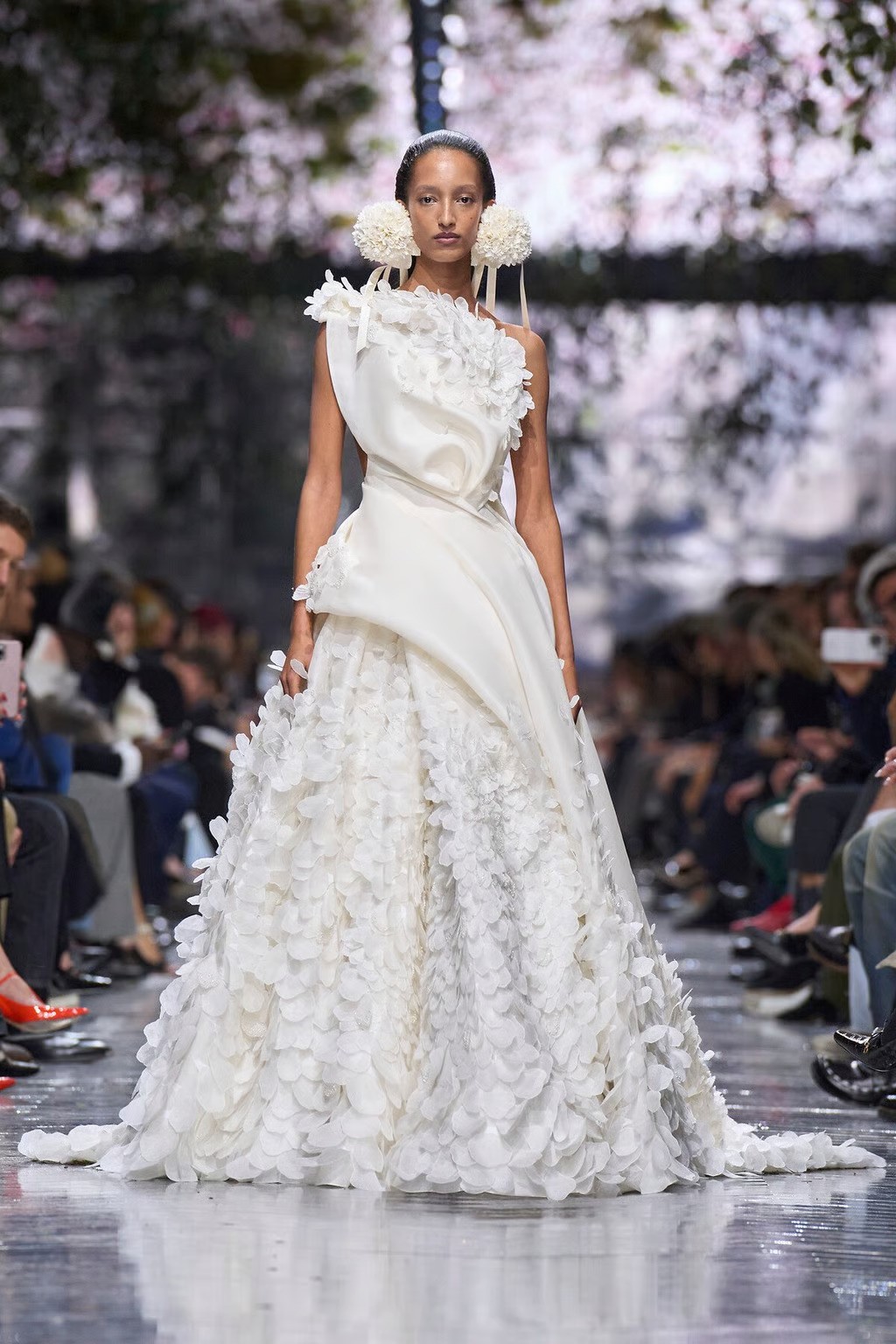
Courtesy of Dior.
Courtesy of Dior.
Courtesy of Dior.
Discover More Stories
Discover More Stories
Discover More Stories
Tap Anywhere
Tap Anywhere
Tap Anywhere
Fashion
Fashion