Dec 26, 2025
Dec 26, 2025
Dec 26, 2025
The Best of Pre-Fall 2026: Five Collections Leading the Way
The Best of Pre-Fall 2026: Five Collections Leading the Way
The Best of Pre-Fall 2026: Five Collections Leading the Way
Fashion
Fashion
Fashion
The Best of Pre-Fall 2026: Five Collections Leading the Way
The Best of Pre-Fall 2026: Five Collections Leading the Way
The Best of Pre-Fall 2026: Five Collections Leading the Way
by
by
by
L’essence Studios Editorial HQ
L’essence Studios Editorial HQ
L’essence Studios Editorial HQ
Courtesy of Saint Laurent
Dec 18, 2025
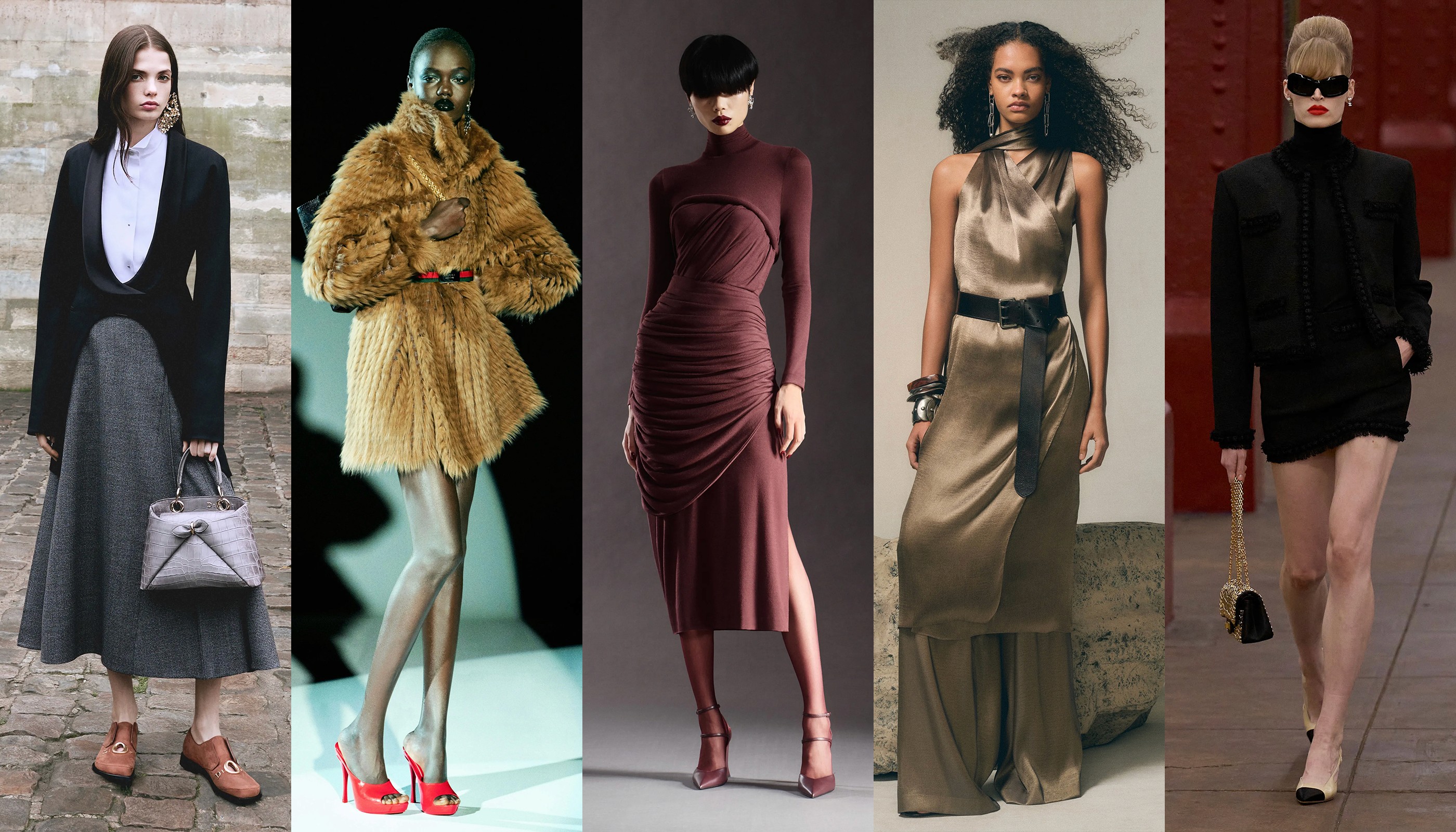
In the seasonal interlude between the runway highs of the fashion calendar, Pre-Fall collections occupy a space of nuanced dialogue between past and future, as houses translate their recent runway codes into a broader, more immediately wearable wardrobe while extending the its narrative into what comes next. The Pre-Fall 2026 season is no exception, with a select few collections standing out as exemplars of creative vision and craftsmanship. Below, we explore five of the most compelling Pre-Fall 2026 collections – each a story unto itself, each honoring house heritage while pushing it forward.
In the seasonal interlude between the runway highs of the fashion calendar, Pre-Fall collections occupy a space of nuanced dialogue between past and future, as houses translate their recent runway codes into a broader, more immediately wearable wardrobe while extending the its narrative into what comes next. The Pre-Fall 2026 season is no exception, with a select few collections standing out as exemplars of creative vision and craftsmanship. Below, we explore five of the most compelling Pre-Fall 2026 collections – each a story unto itself, each honoring house heritage while pushing it forward.
In the seasonal interlude between the runway highs of the fashion calendar, Pre-Fall collections occupy a space of nuanced dialogue between past and future, as houses translate their recent runway codes into a broader, more immediately wearable wardrobe while extending the its narrative into what comes next. The Pre-Fall 2026 season is no exception, with a select few collections standing out as exemplars of creative vision and craftsmanship. Below, we explore five of the most compelling Pre-Fall 2026 collections – each a story unto itself, each honoring house heritage while pushing it forward.
Share
Dior Pre-Fall 2026
Dior Pre-Fall 2026
Dior Pre-Fall 2026
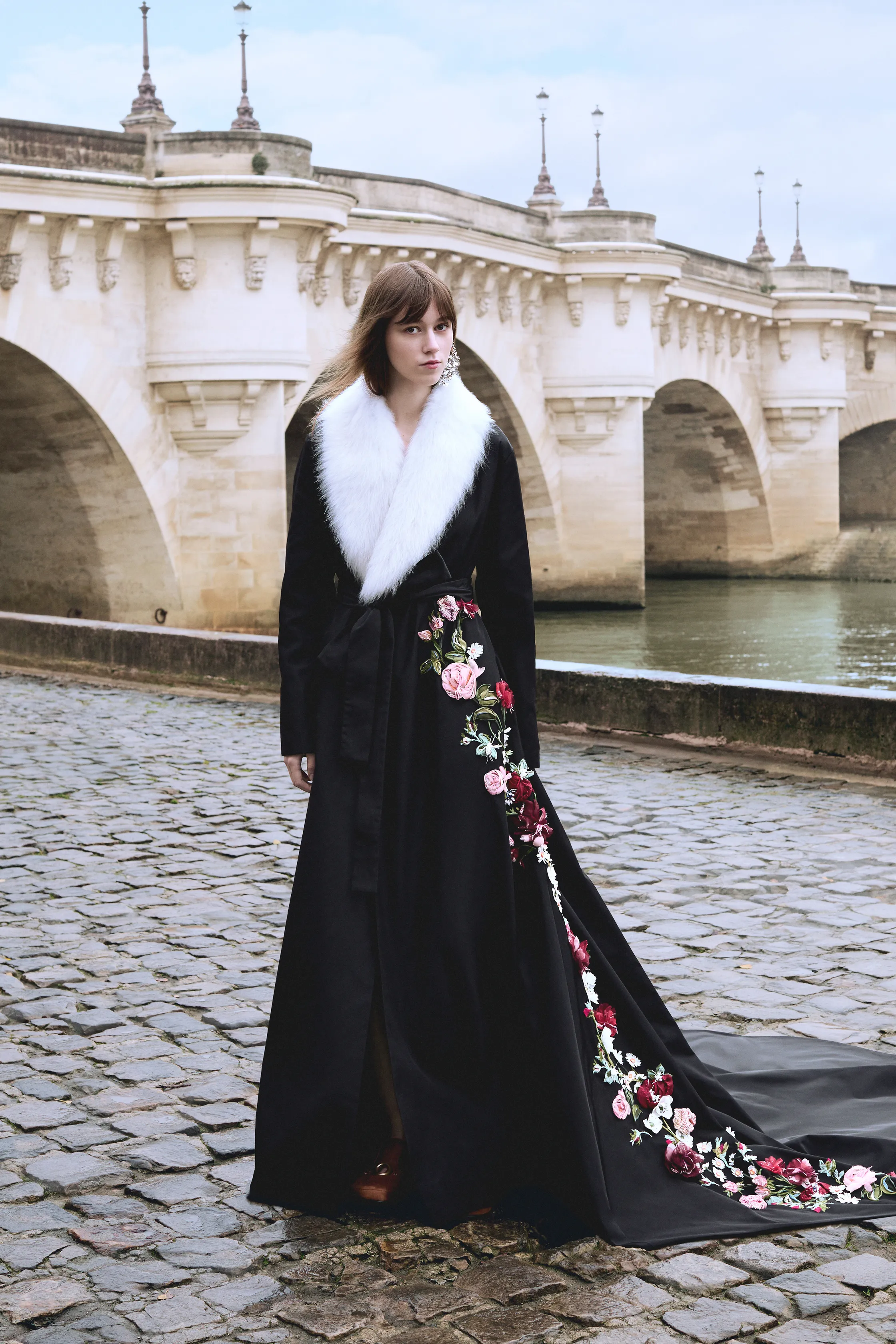
Jonathan Anderson’s sophomore women’s collection for Dior continues to recalibrate the house’s sartorial language. Building on the bold gestures of his debut, Anderson refines last season’s radical ideas into silhouettes intended for real life – yet he pointedly retains their edge. The most arresting example is his play on proportion: ultra-light denim trousers cut so wide they could be mistaken for a pleated skirt from the collection’s foundation. This silhouette, worn by the Seine in the lookbook images, nods to Gen-Z’s penchant for exaggerated volume even as it transforms one of Dior’s iconic codes – the Bar jacket – in multiple new guises. Anderson presents the Bar in plural forms: cropped and elongated, sharply tailored and soft-shouldered, even translated into an outerwear coat. Each iteration maintains the jacket’s timeless elegance while reinterpreting what once defined it, offering a contemporary, free-spirited Dior woman new ways to wear a legend.
Anderson’s approach to Dior’s heritage remains thoughtful and oblique with this collection. Rather than quote the archives verbatim, he dissolves them into fresh forms. For instance, a hint of Dior’s 1948 trapeze coat can be seen in the gentle swing of a chocolate-brown jacket with a relaxed shawl collar, and in generous double-faced blanket coats playfully fastened with vintage-inspired hat pins. These references are present but never literal; it is as if Anderson is in quiet conversation with Dior’s past rather than loudly citing it. Craftsmanship, of course, remains paramount. Circling back to the Bar jacket, one standout ensemble sees it woven entirely from multicolored ribbons, paired unexpectedly with pleated bloomer shorts. This tactile tour de force showcases the Dior ateliers’ prowess and speaks to Anderson’s intellectual side, a wink to devotees of his experimental work. Shifting focus to another ensemble, one finds other innovative fabrications, for instance, a ribbed cobalt-blue knit cardigan that is cleverly sculpted into the shape of a tailcoat to merge the whimsy with the practical.
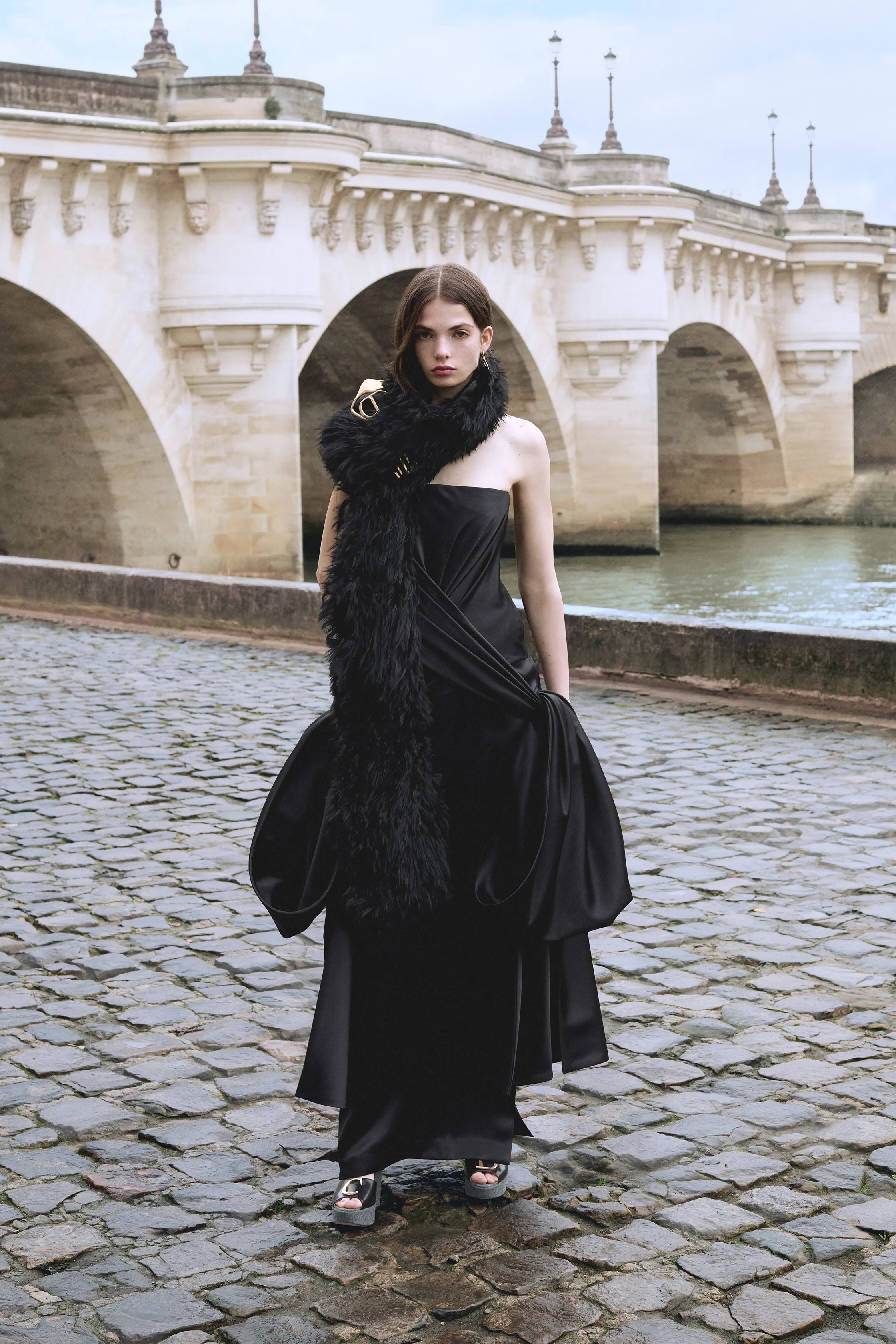
Despite the collection’s exploratory spirit, Dior’s feminine allure is, however, far from forgotten. Anderson works in notes of romance that have been one of the key elements to the house’s recent buzz. Diaphanous silk scarf dresses appear, draped and fluttering, their surfaces enriched by laser-cut floral appliqués that invite close inspection. Bias-cut slip dresses – reintroducing a slinky technique not prominent at Dior since the Galliano era – float with ease but gain structure from hidden tulle supports, delivering ethereality without fragility. For evening, Anderson indulges in drama: voluminous satin gowns are knotted at one hip in a casual flourish, and asymmetrical moiré silk dresses gather into sculptural side bows. Speaking of bows, the motif has emerged as a recurring signature within Anderson’s Dior vocabulary thus far, threading through this collection as well as his previous outings for the house in the form of sculptural fabric knots, side-draped closures, and discreet details across accessories and footwear. Often framed under the umbrella of so-called quiet luxury, this broader shift reflects a move away from overt branding toward subtler modes of expression, where luxury is communicated through small nuances and recognition rather than conspicuous logos.
Within this context, Anderson’s sustained use of the bow reads as a deliberate response to this recalibration, echoing Dior’s enduring notions of femininity through a symbol that operates across multiple scales and categories, and which finds parallel expression throughout the house’s wider product universe.Looking ahead, Jonathan Anderson’s inaugural Dior haute couture show looms on the horizon. With less than a month to go, the Pre-Fall collection certainly sparks speculation as to whether it offers early clues to his vision of Dior at the highest echelon of fashion.
Jonathan Anderson’s sophomore women’s collection for Dior continues to recalibrate the house’s sartorial language. Building on the bold gestures of his debut, Anderson refines last season’s radical ideas into silhouettes intended for real life – yet he pointedly retains their edge. The most arresting example is his play on proportion: ultra-light denim trousers cut so wide they could be mistaken for a pleated skirt from the collection’s foundation. This silhouette, worn by the Seine in the lookbook images, nods to Gen-Z’s penchant for exaggerated volume even as it transforms one of Dior’s iconic codes – the Bar jacket – in multiple new guises. Anderson presents the Bar in plural forms: cropped and elongated, sharply tailored and soft-shouldered, even translated into an outerwear coat. Each iteration maintains the jacket’s timeless elegance while reinterpreting what once defined it, offering a contemporary, free-spirited Dior woman new ways to wear a legend.
Anderson’s approach to Dior’s heritage remains thoughtful and oblique with this collection. Rather than quote the archives verbatim, he dissolves them into fresh forms. For instance, a hint of Dior’s 1948 trapeze coat can be seen in the gentle swing of a chocolate-brown jacket with a relaxed shawl collar, and in generous double-faced blanket coats playfully fastened with vintage-inspired hat pins. These references are present but never literal; it is as if Anderson is in quiet conversation with Dior’s past rather than loudly citing it. Craftsmanship, of course, remains paramount. Circling back to the Bar jacket, one standout ensemble sees it woven entirely from multicolored ribbons, paired unexpectedly with pleated bloomer shorts. This tactile tour de force showcases the Dior ateliers’ prowess and speaks to Anderson’s intellectual side, a wink to devotees of his experimental work. Shifting focus to another ensemble, one finds other innovative fabrications, for instance, a ribbed cobalt-blue knit cardigan that is cleverly sculpted into the shape of a tailcoat to merge the whimsy with the practical.
Despite the collection’s exploratory spirit, Dior’s feminine allure is, however, far from forgotten. Anderson works in notes of romance that have been one of the key elements to the house’s recent buzz. Diaphanous silk scarf dresses appear, draped and fluttering, their surfaces enriched by laser-cut floral appliqués that invite close inspection. Bias-cut slip dresses – reintroducing a slinky technique not prominent at Dior since the Galliano era – float with ease but gain structure from hidden tulle supports, delivering ethereality without fragility. For evening, Anderson indulges in drama: voluminous satin gowns are knotted at one hip in a casual flourish, and asymmetrical moiré silk dresses gather into sculptural side bows. Speaking of bows, the motif has emerged as a recurring signature within Anderson’s Dior vocabulary thus far, threading through this collection as well as his previous outings for the house in the form of sculptural fabric knots, side-draped closures, and discreet details across accessories and footwear. Often framed under the umbrella of so-called quiet luxury, this broader shift reflects a move away from overt branding toward subtler modes of expression, where luxury is communicated through small nuances and recognition rather than conspicuous logos.
Within this context, Anderson’s sustained use of the bow reads as a deliberate response to this recalibration, echoing Dior’s enduring notions of femininity through a symbol that operates across multiple scales and categories, and which finds parallel expression throughout the house’s wider product universe.Looking ahead, Jonathan Anderson’s inaugural Dior haute couture show looms on the horizon. With less than a month to go, the Pre-Fall collection certainly sparks speculation as to whether it offers early clues to his vision of Dior at the highest echelon of fashion.
Jonathan Anderson’s sophomore women’s collection for Dior continues to recalibrate the house’s sartorial language. Building on the bold gestures of his debut, Anderson refines last season’s radical ideas into silhouettes intended for real life – yet he pointedly retains their edge. The most arresting example is his play on proportion: ultra-light denim trousers cut so wide they could be mistaken for a pleated skirt from the collection’s foundation. This silhouette, worn by the Seine in the lookbook images, nods to Gen-Z’s penchant for exaggerated volume even as it transforms one of Dior’s iconic codes – the Bar jacket – in multiple new guises. Anderson presents the Bar in plural forms: cropped and elongated, sharply tailored and soft-shouldered, even translated into an outerwear coat. Each iteration maintains the jacket’s timeless elegance while reinterpreting what once defined it, offering a contemporary, free-spirited Dior woman new ways to wear a legend.
Anderson’s approach to Dior’s heritage remains thoughtful and oblique with this collection. Rather than quote the archives verbatim, he dissolves them into fresh forms. For instance, a hint of Dior’s 1948 trapeze coat can be seen in the gentle swing of a chocolate-brown jacket with a relaxed shawl collar, and in generous double-faced blanket coats playfully fastened with vintage-inspired hat pins. These references are present but never literal; it is as if Anderson is in quiet conversation with Dior’s past rather than loudly citing it. Craftsmanship, of course, remains paramount. Circling back to the Bar jacket, one standout ensemble sees it woven entirely from multicolored ribbons, paired unexpectedly with pleated bloomer shorts. This tactile tour de force showcases the Dior ateliers’ prowess and speaks to Anderson’s intellectual side, a wink to devotees of his experimental work. Shifting focus to another ensemble, one finds other innovative fabrications, for instance, a ribbed cobalt-blue knit cardigan that is cleverly sculpted into the shape of a tailcoat to merge the whimsy with the practical.
Despite the collection’s exploratory spirit, Dior’s feminine allure is, however, far from forgotten. Anderson works in notes of romance that have been one of the key elements to the house’s recent buzz. Diaphanous silk scarf dresses appear, draped and fluttering, their surfaces enriched by laser-cut floral appliqués that invite close inspection. Bias-cut slip dresses – reintroducing a slinky technique not prominent at Dior since the Galliano era – float with ease but gain structure from hidden tulle supports, delivering ethereality without fragility. For evening, Anderson indulges in drama: voluminous satin gowns are knotted at one hip in a casual flourish, and asymmetrical moiré silk dresses gather into sculptural side bows. Speaking of bows, the motif has emerged as a recurring signature within Anderson’s Dior vocabulary thus far, threading through this collection as well as his previous outings for the house in the form of sculptural fabric knots, side-draped closures, and discreet details across accessories and footwear. Often framed under the umbrella of so-called quiet luxury, this broader shift reflects a move away from overt branding toward subtler modes of expression, where luxury is communicated through small nuances and recognition rather than conspicuous logos.
Within this context, Anderson’s sustained use of the bow reads as a deliberate response to this recalibration, echoing Dior’s enduring notions of femininity through a symbol that operates across multiple scales and categories, and which finds parallel expression throughout the house’s wider product universe.Looking ahead, Jonathan Anderson’s inaugural Dior haute couture show looms on the horizon. With less than a month to go, the Pre-Fall collection certainly sparks speculation as to whether it offers early clues to his vision of Dior at the highest echelon of fashion.
Our Favourite Looks
Our Favourite Looks
Our Favourite Looks
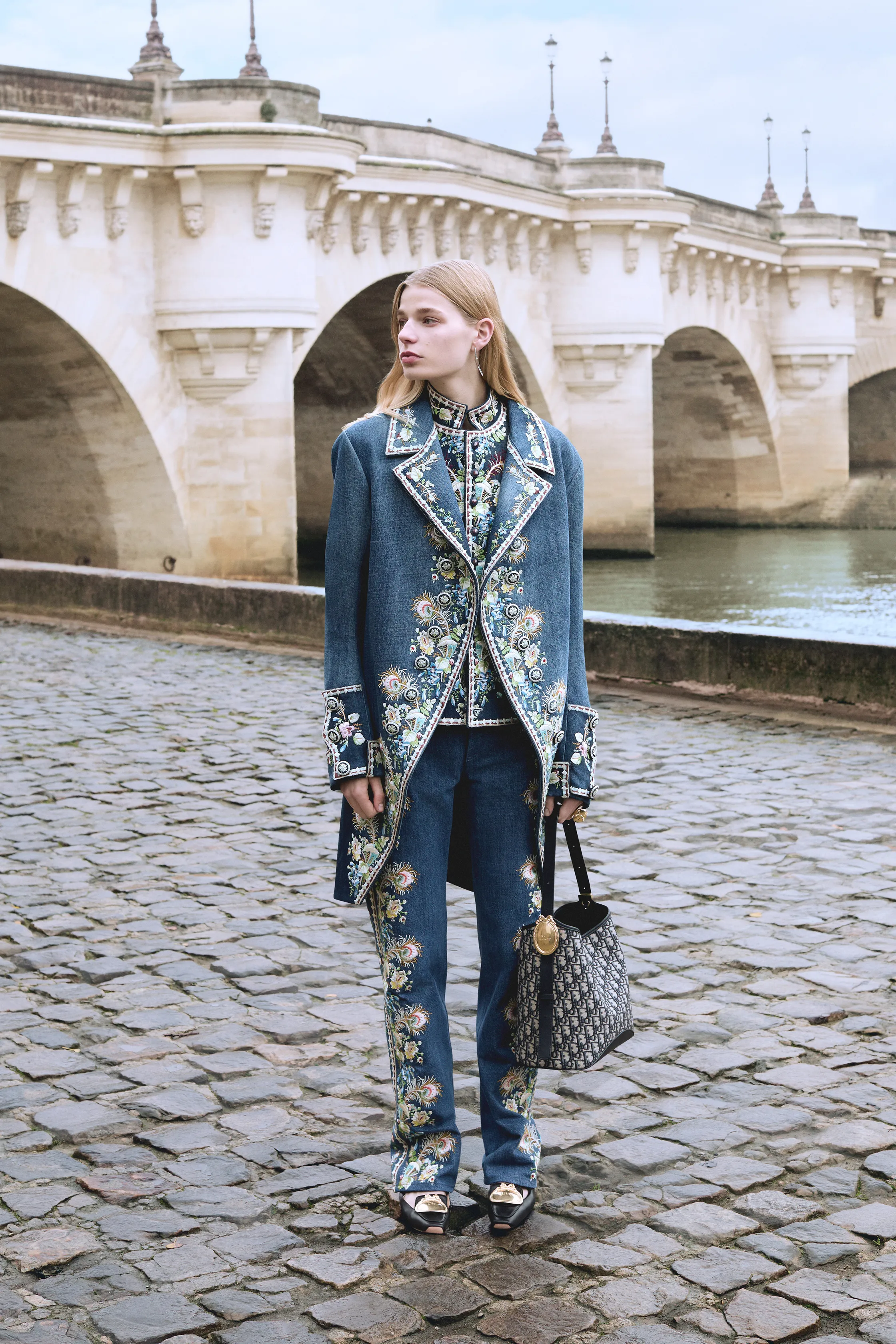
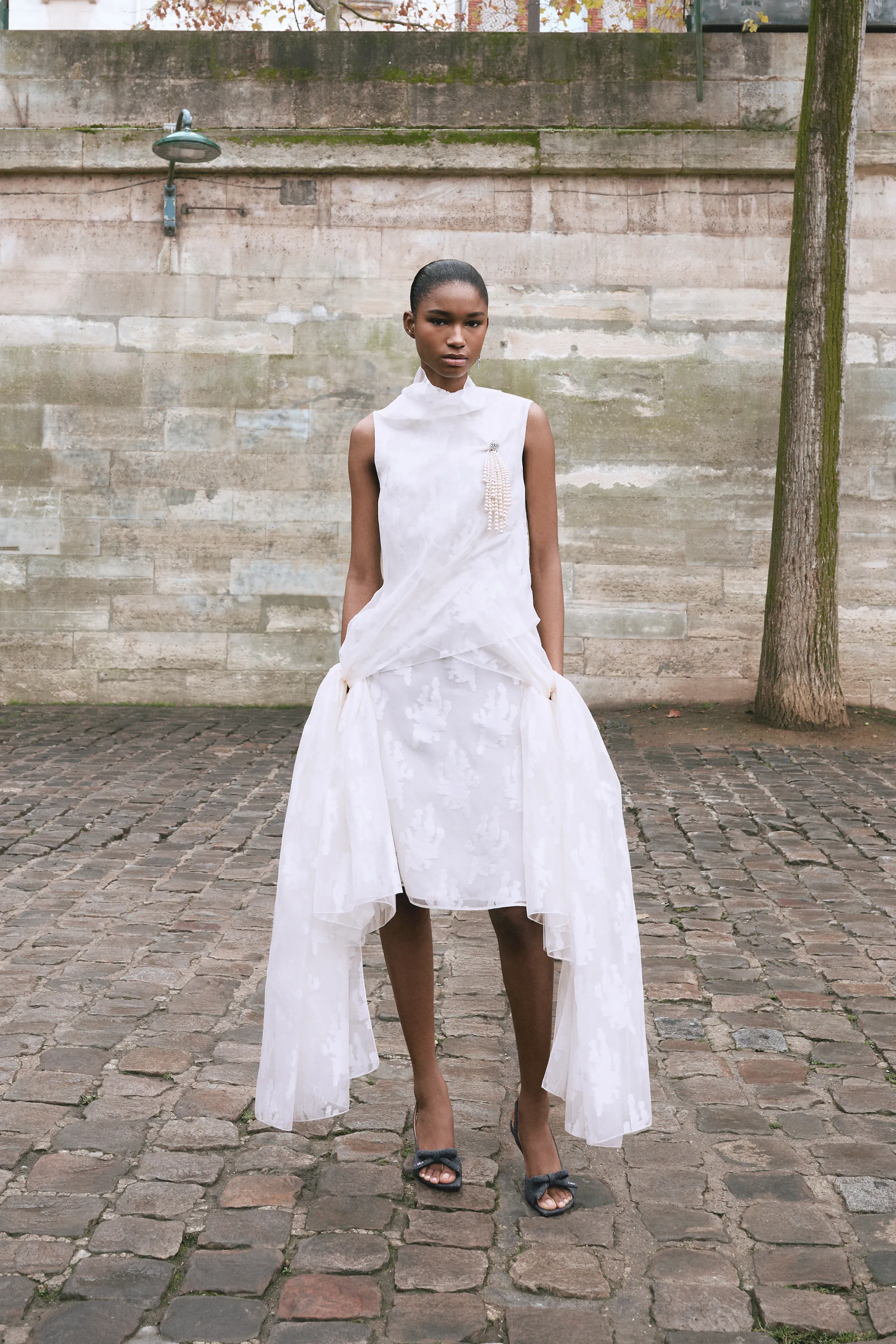
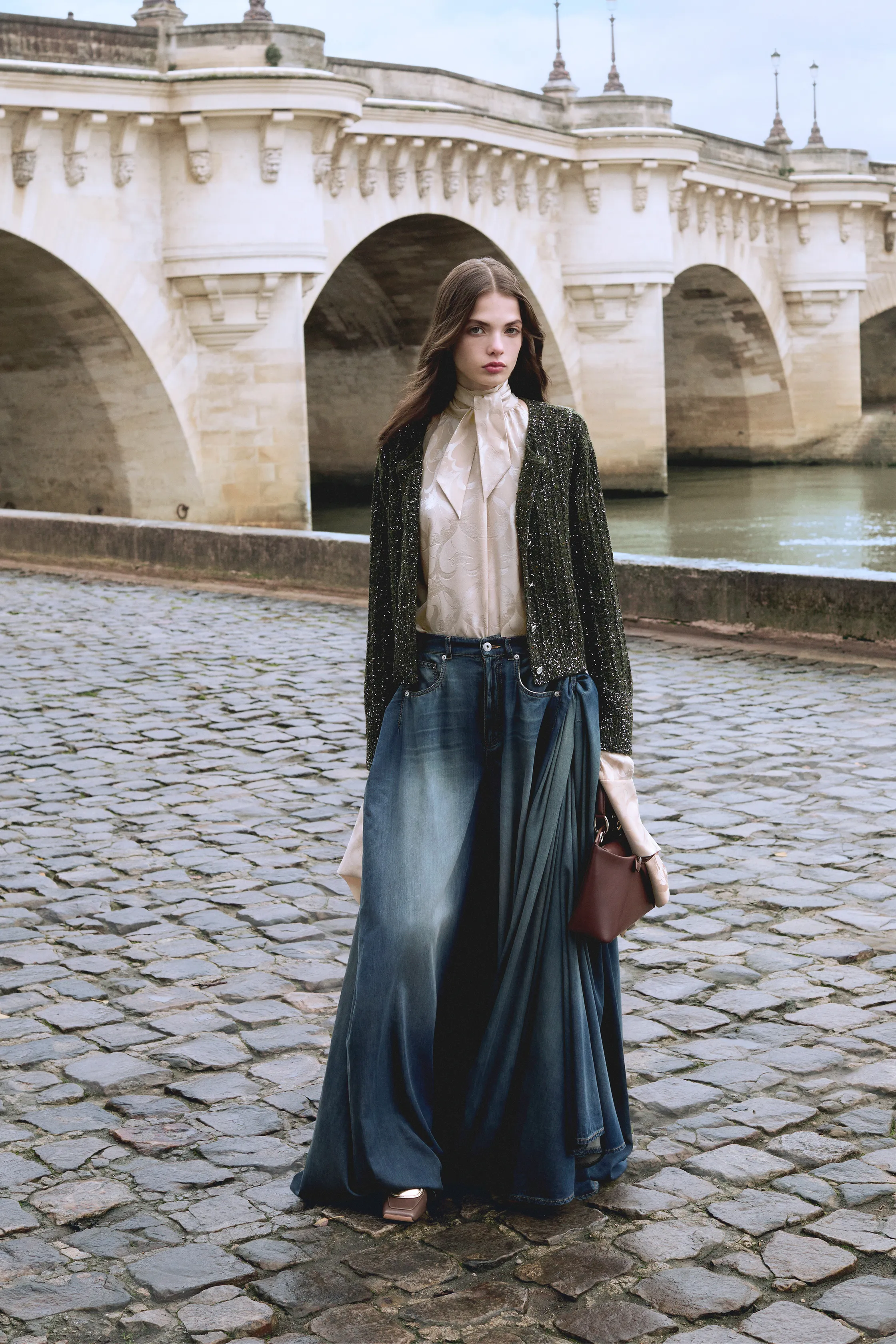
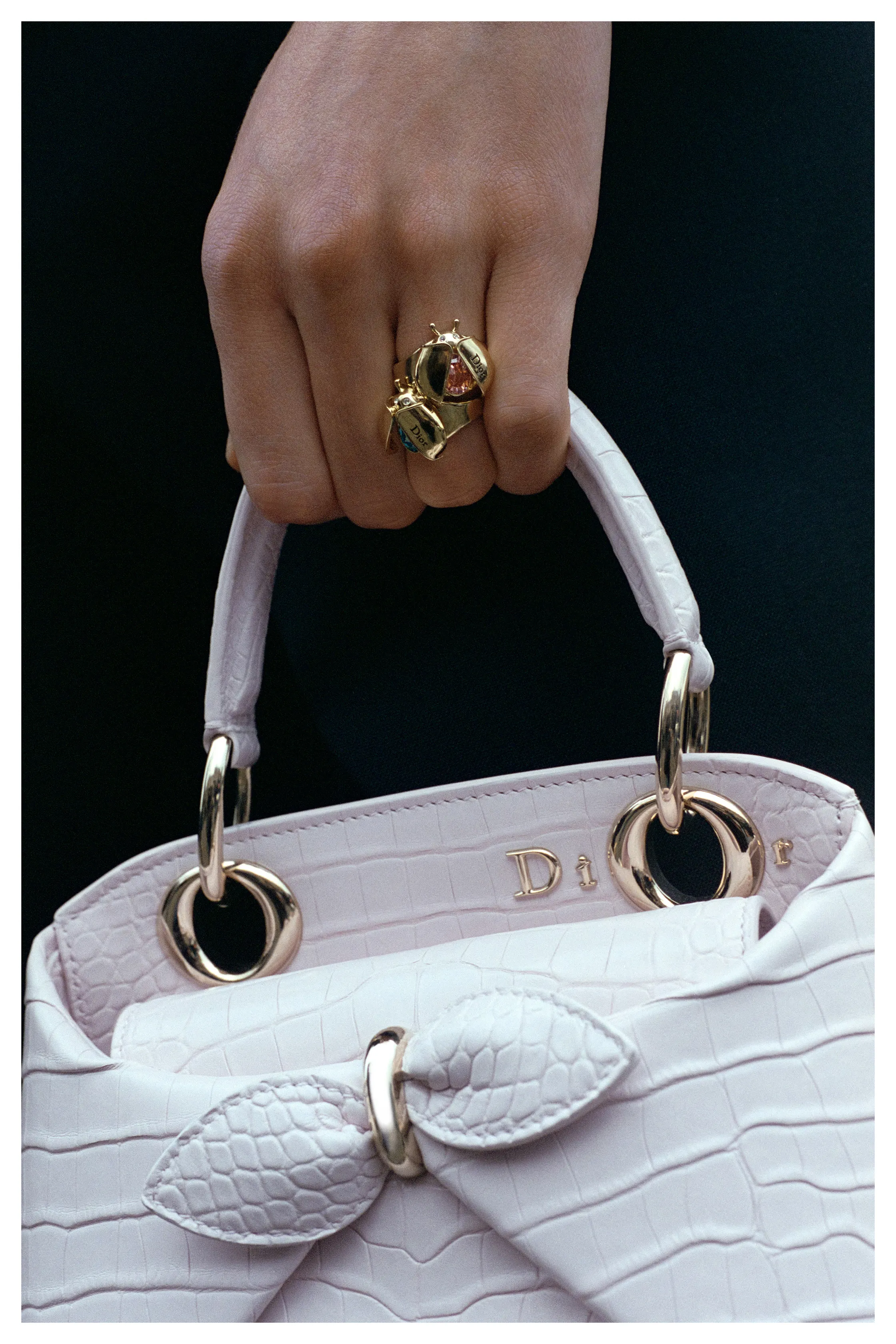
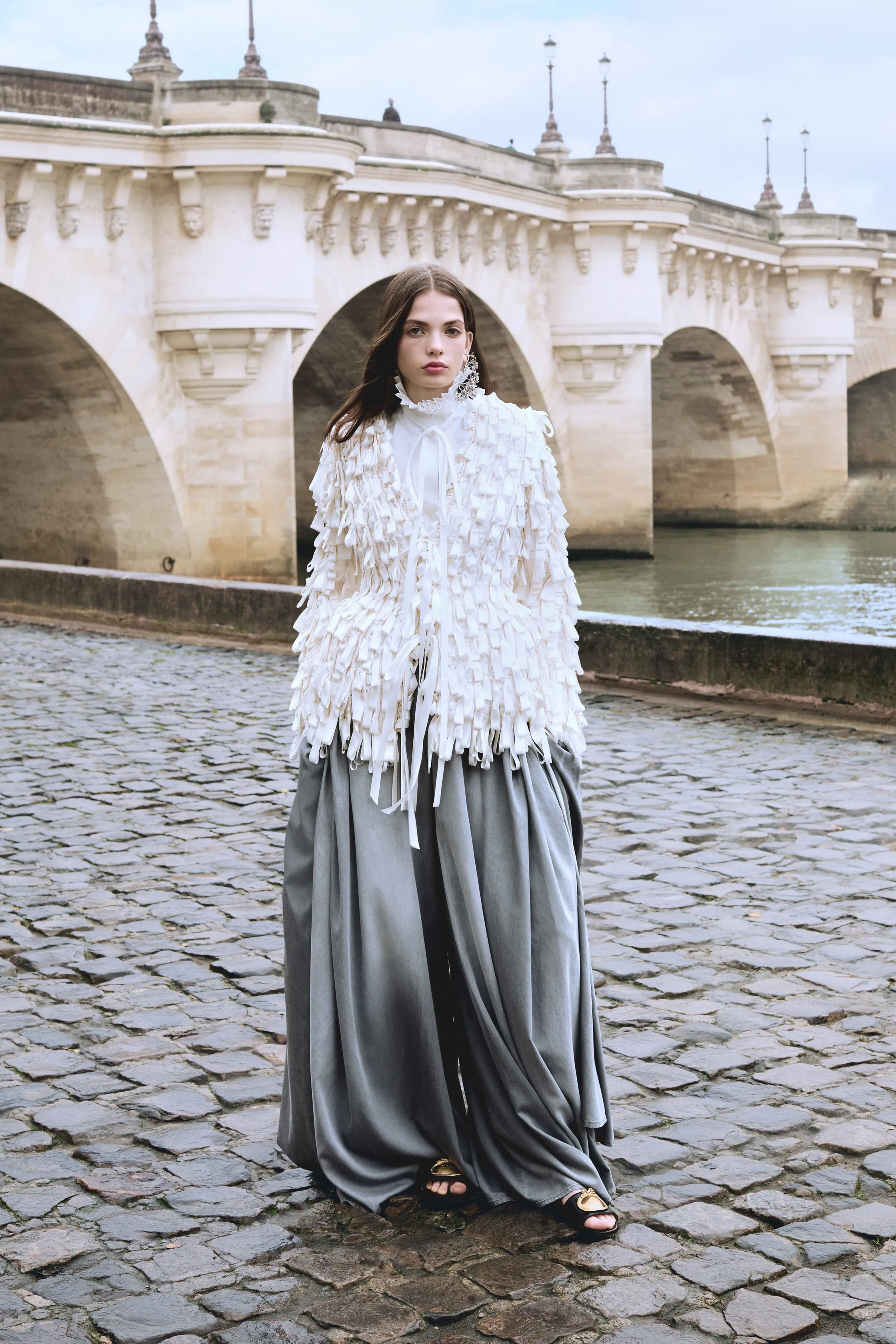
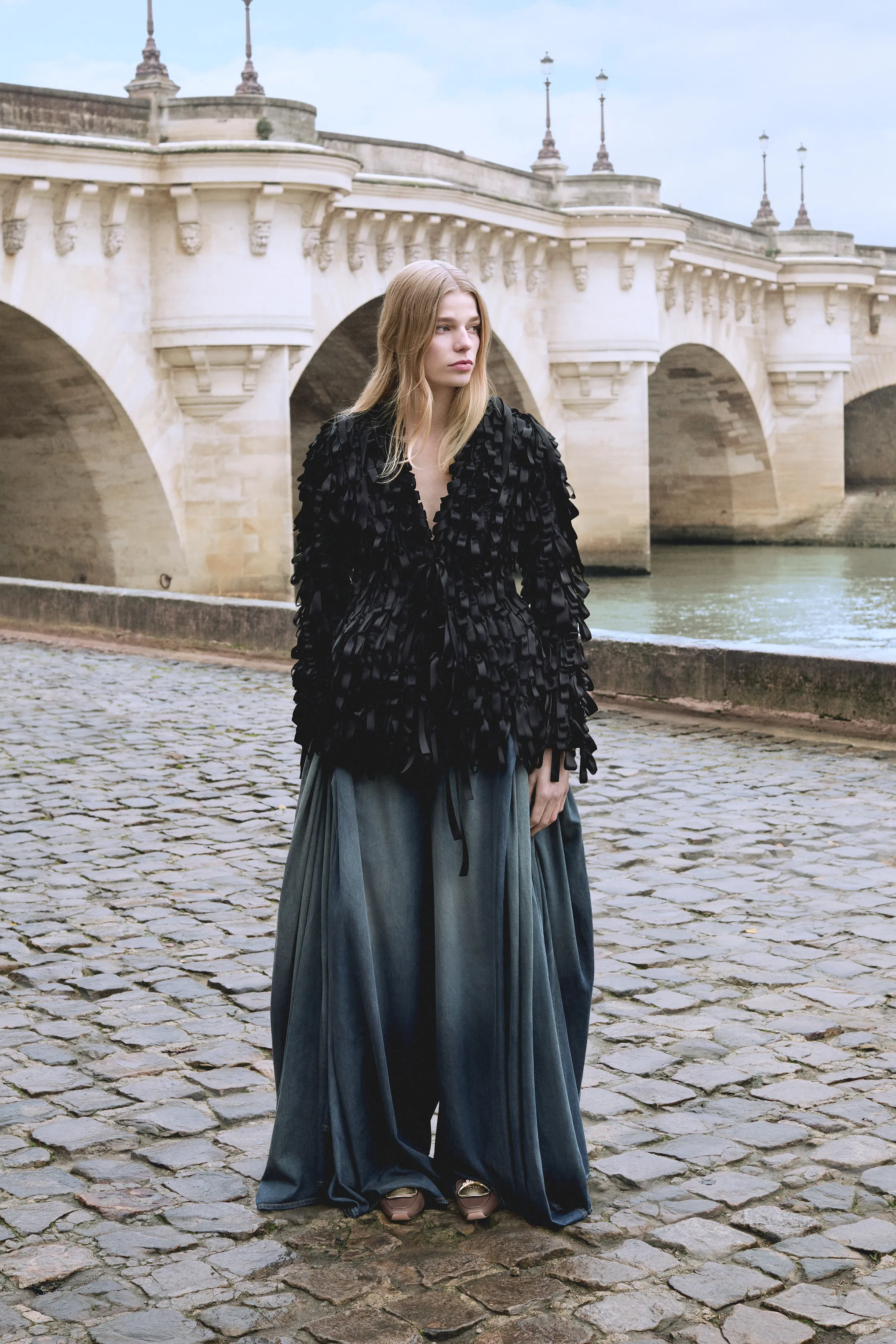
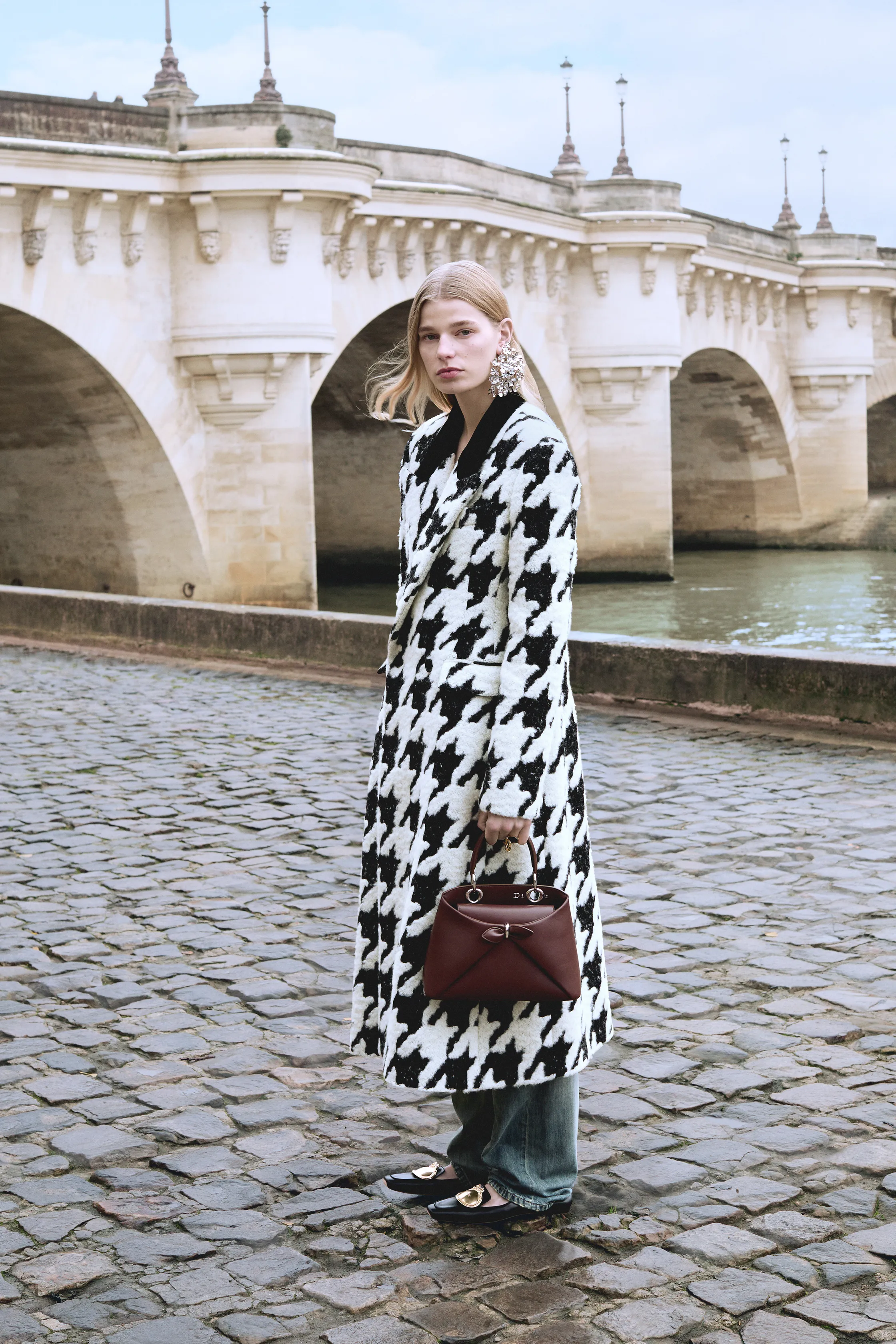
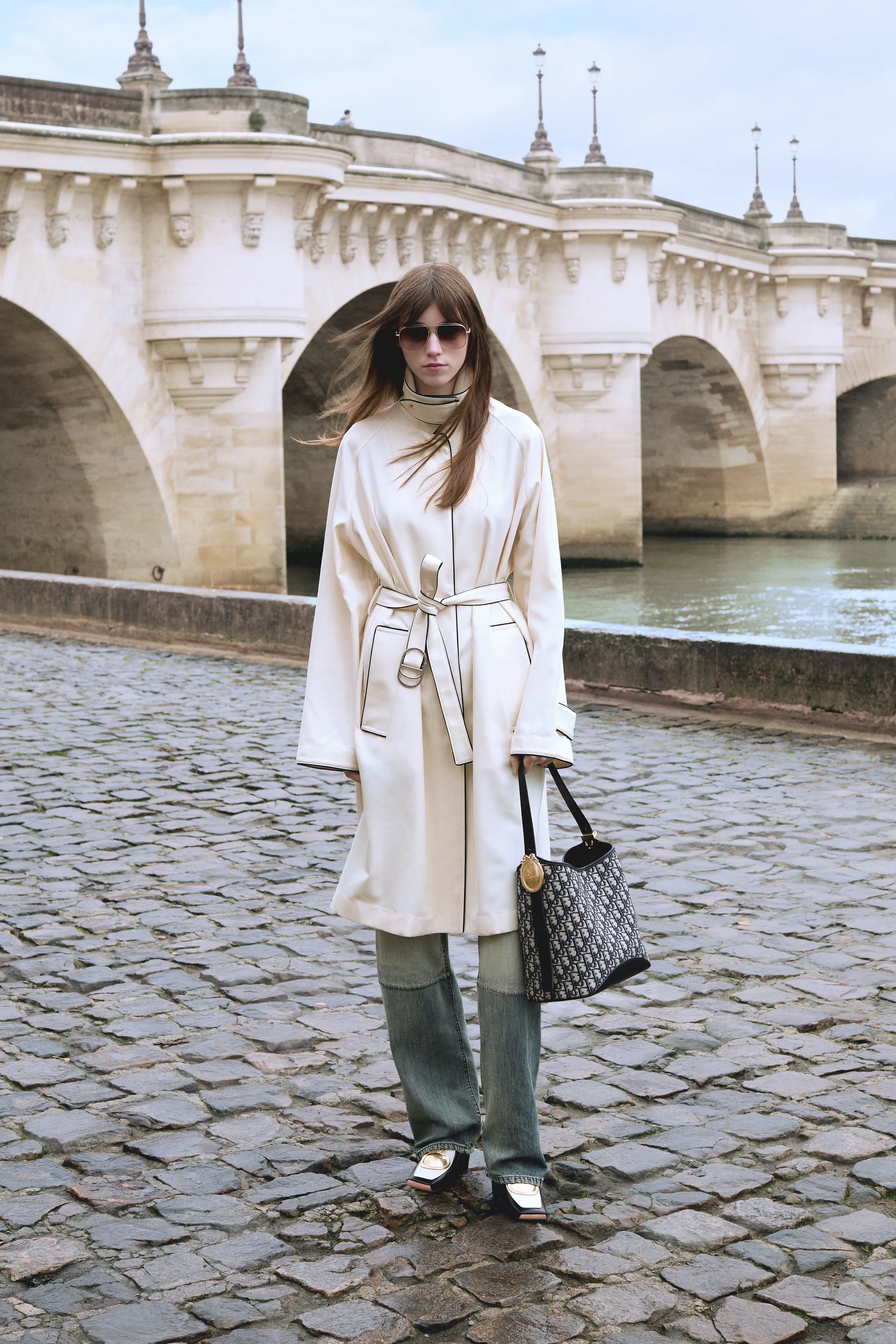
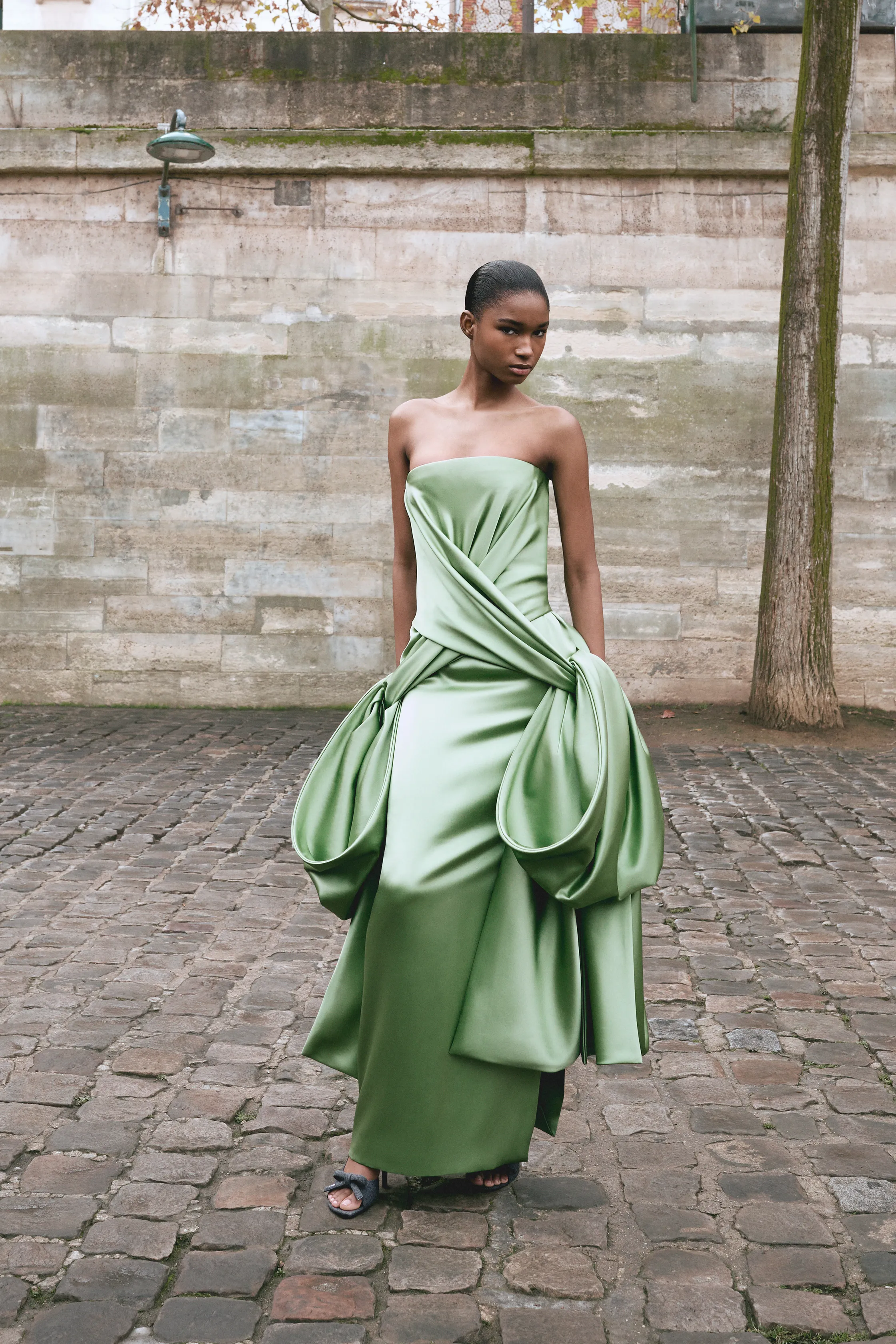
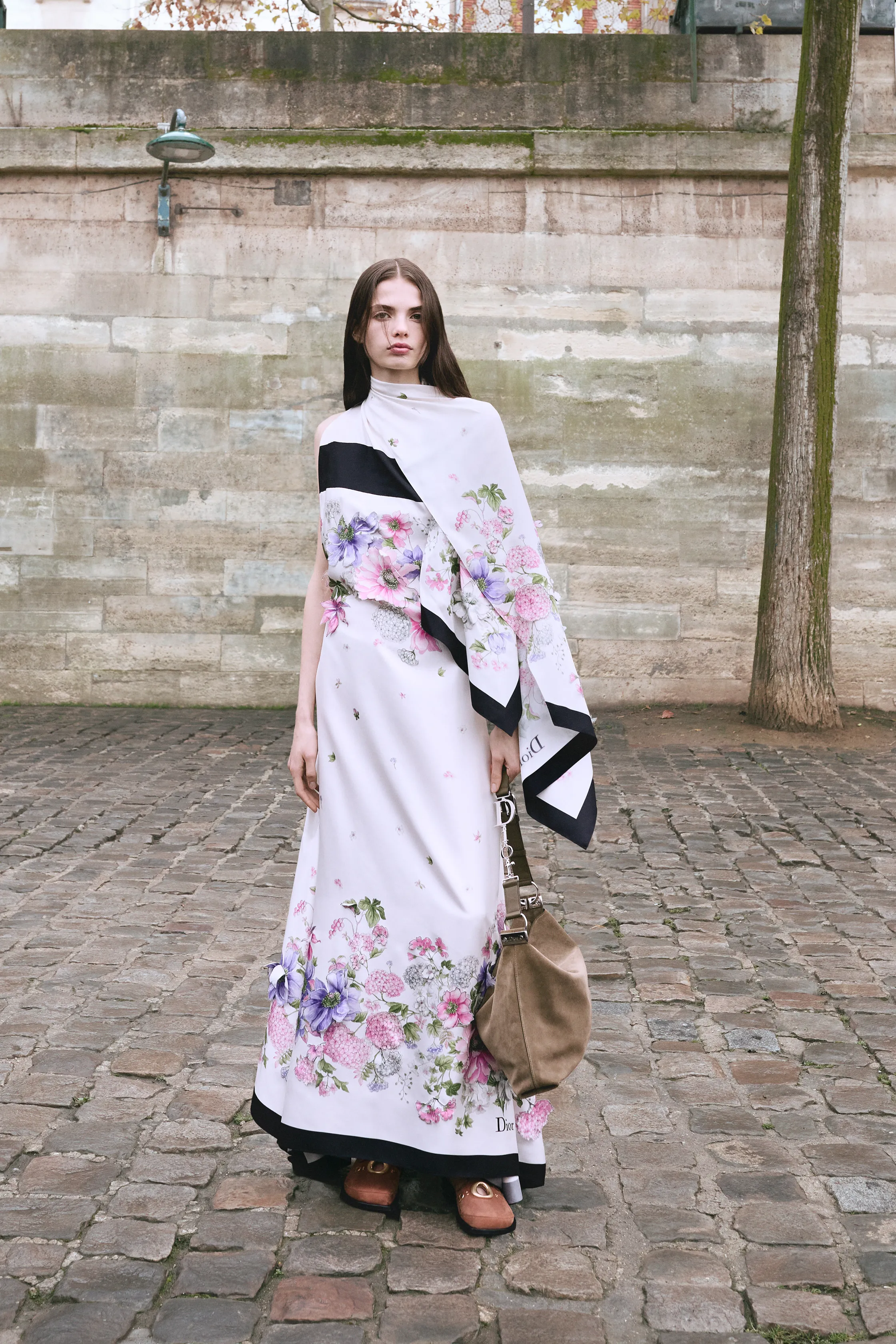
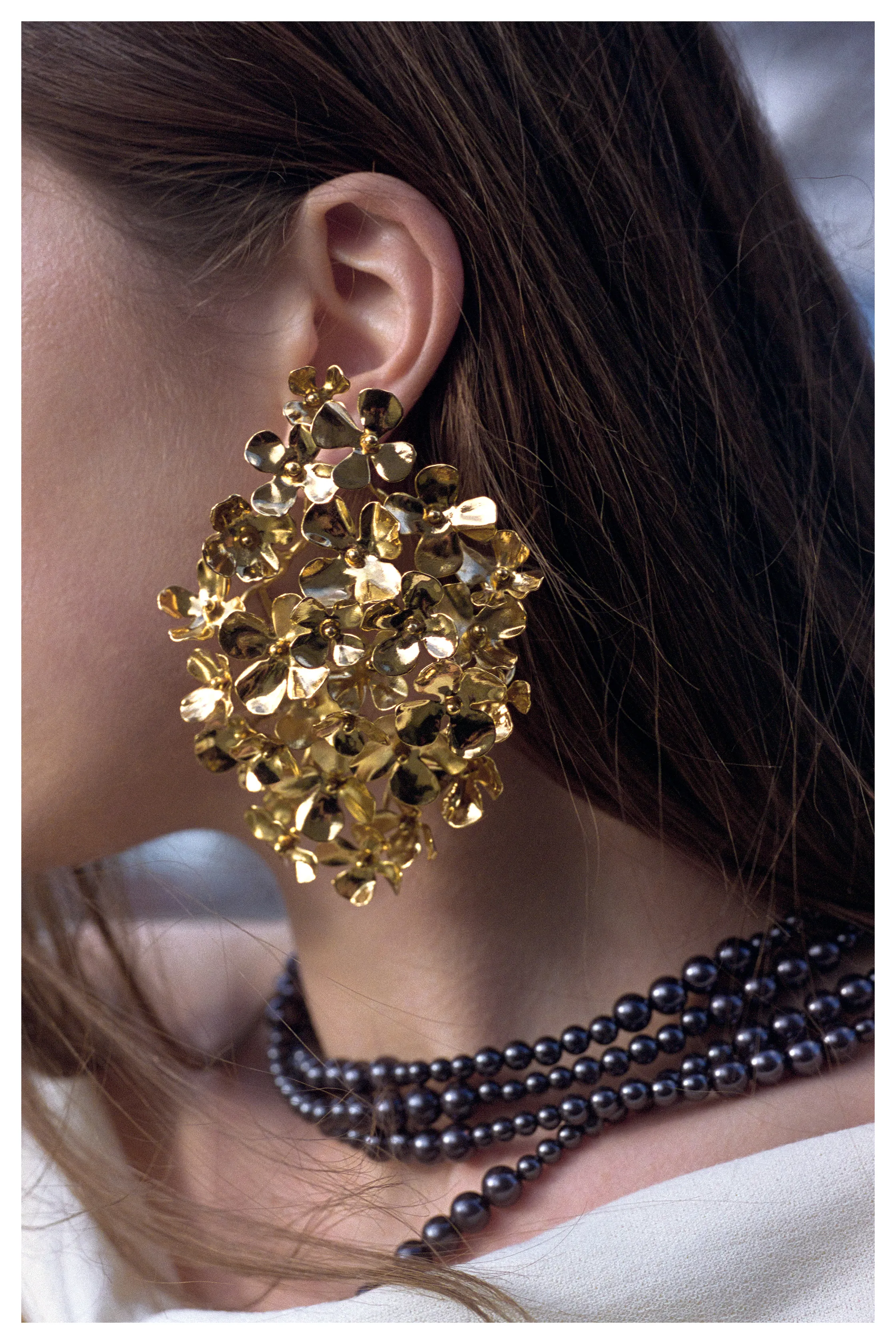
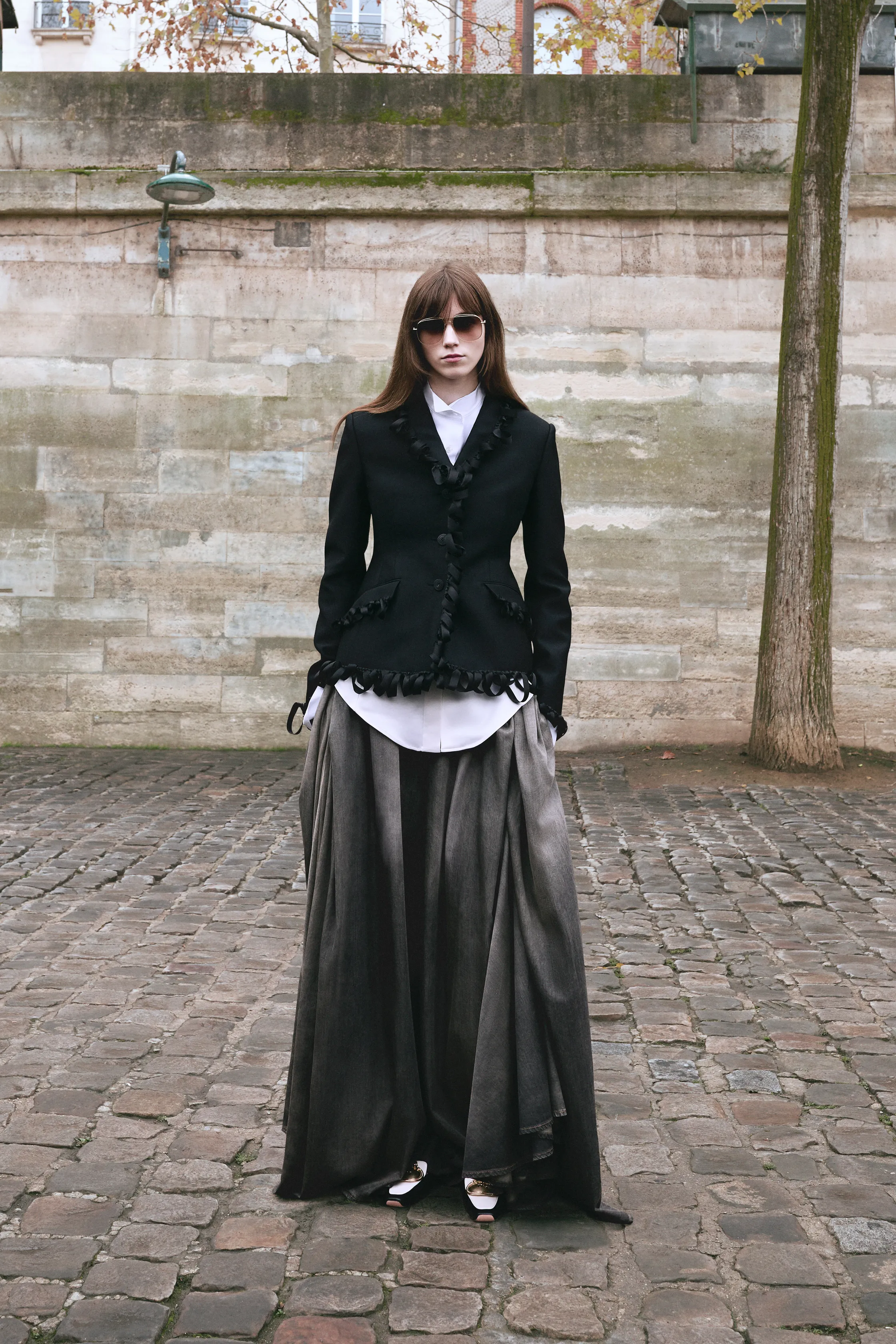
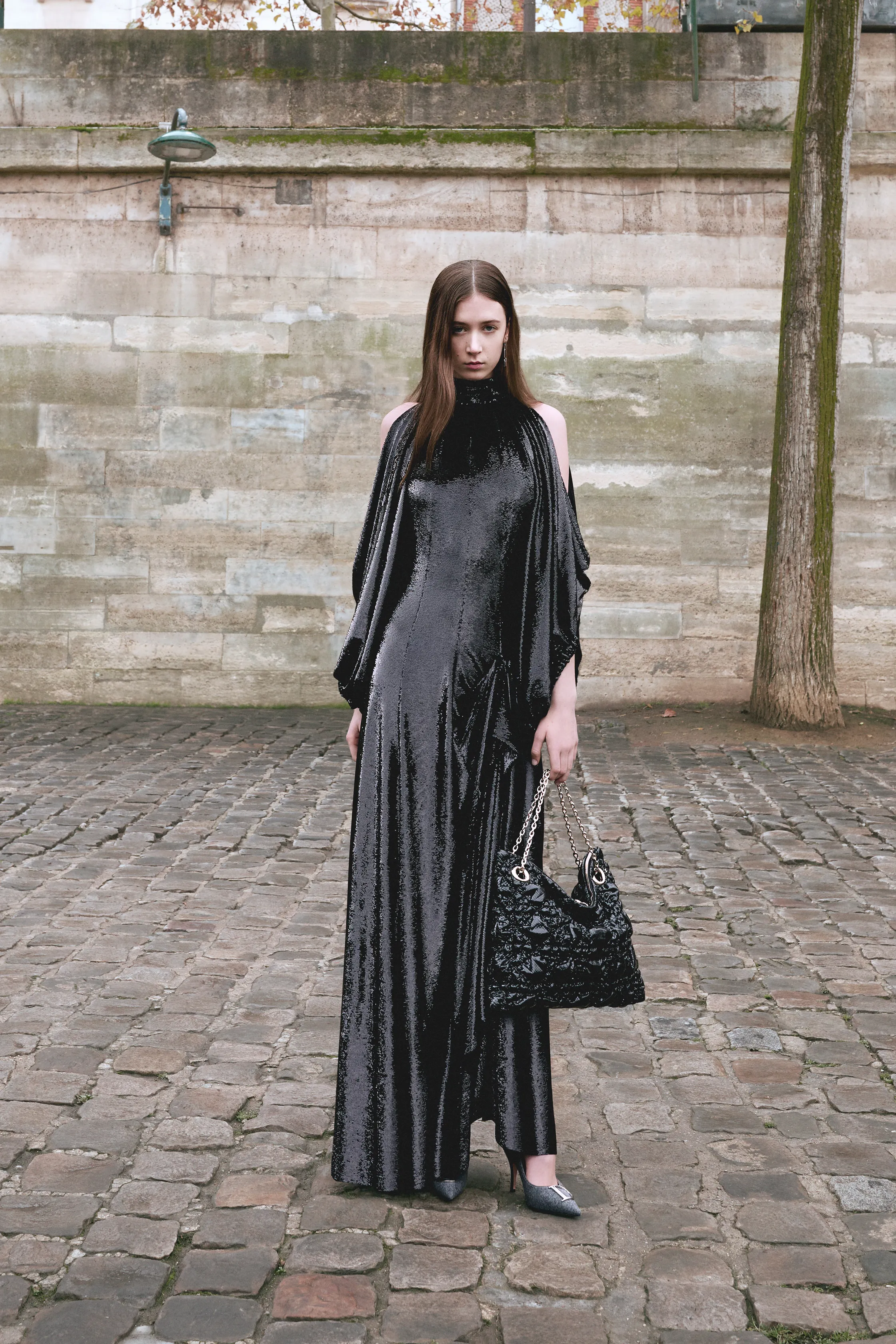
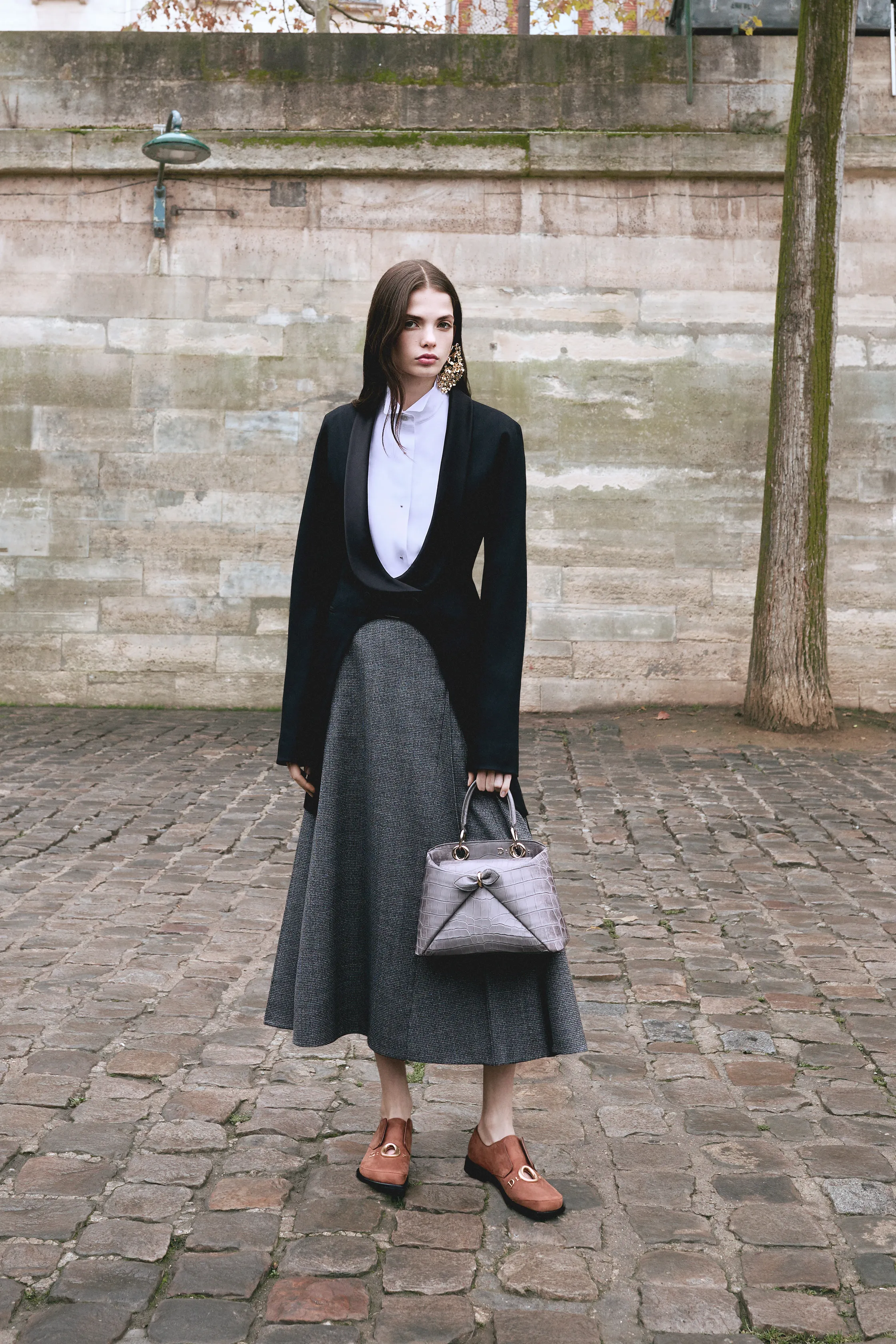
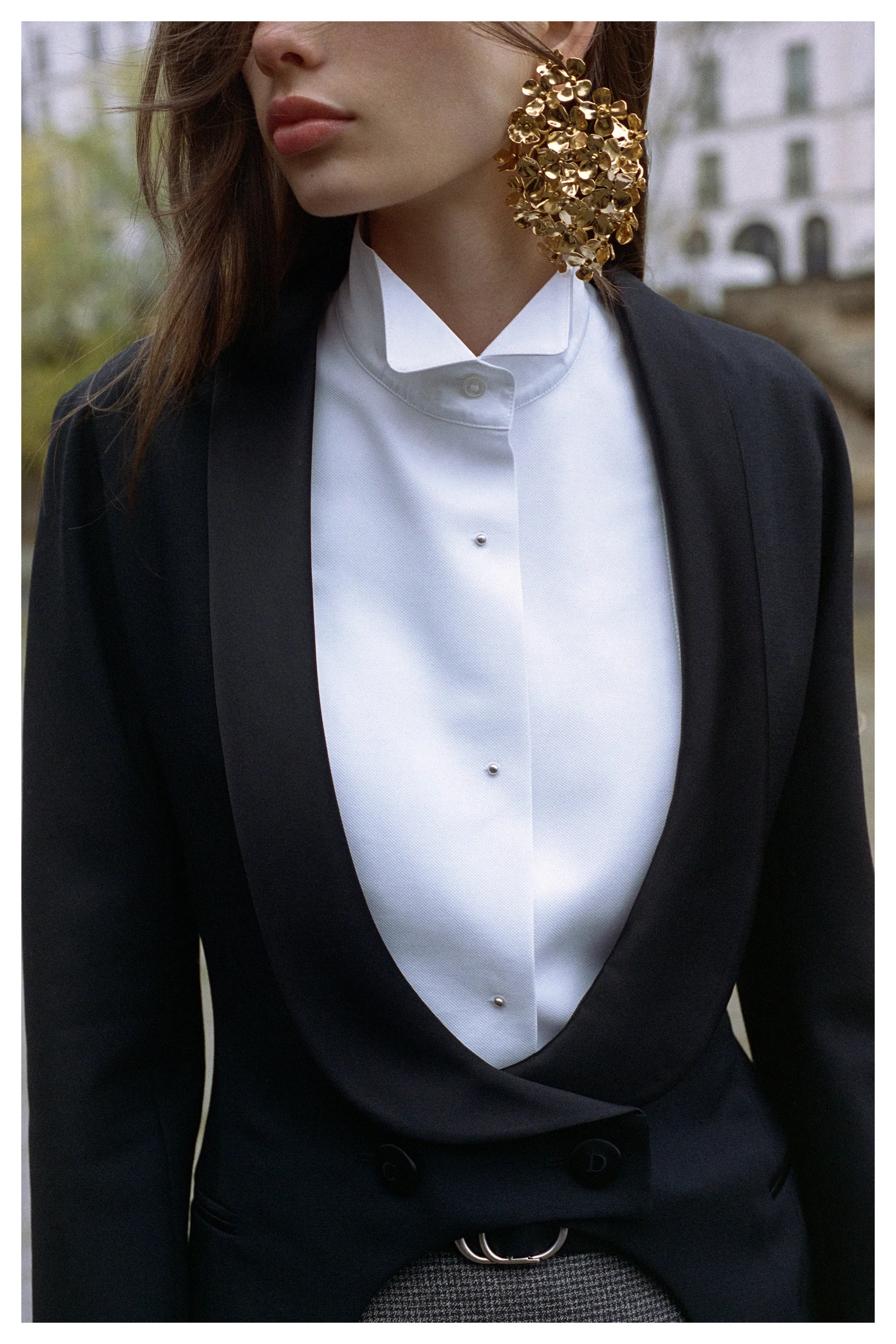
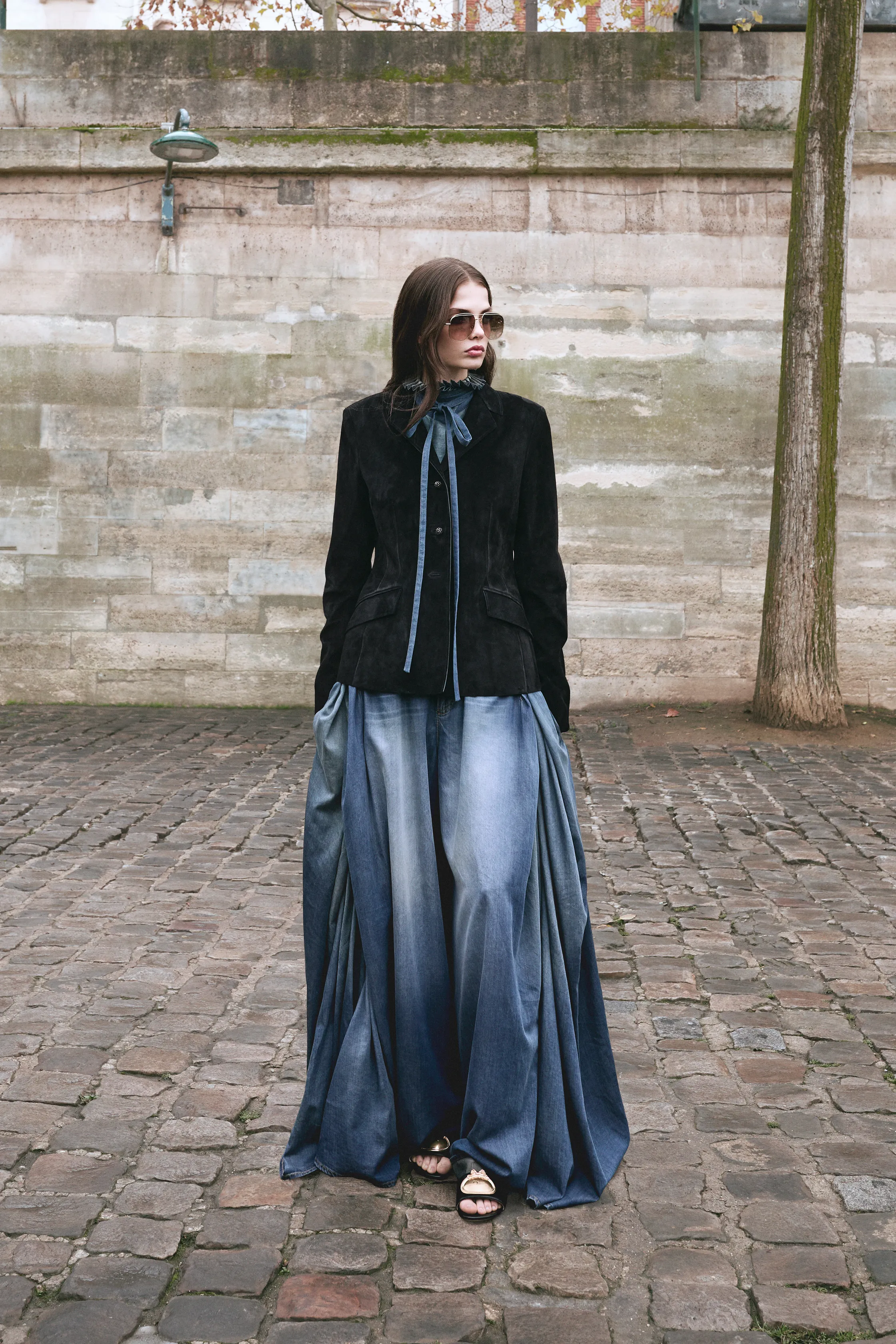
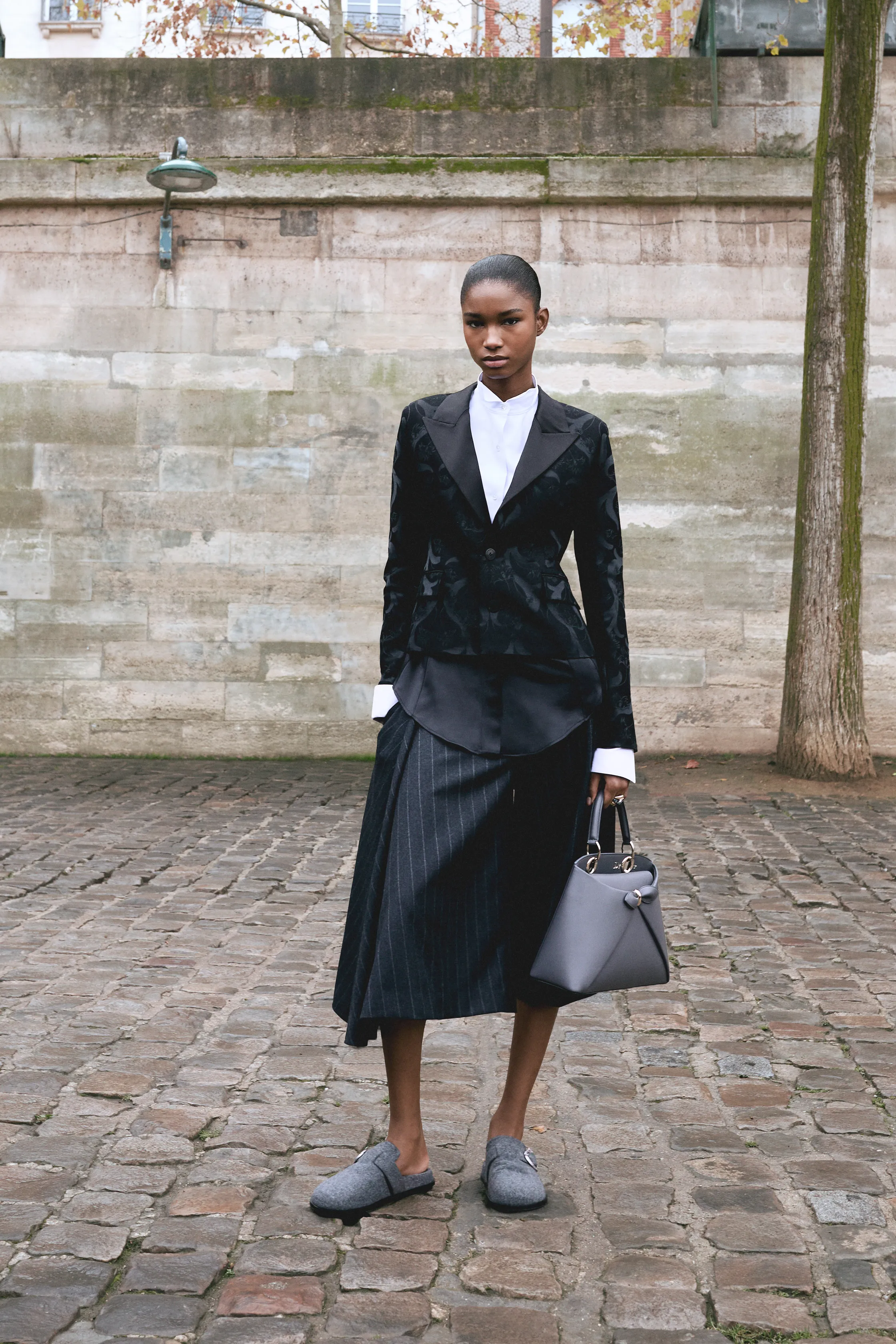
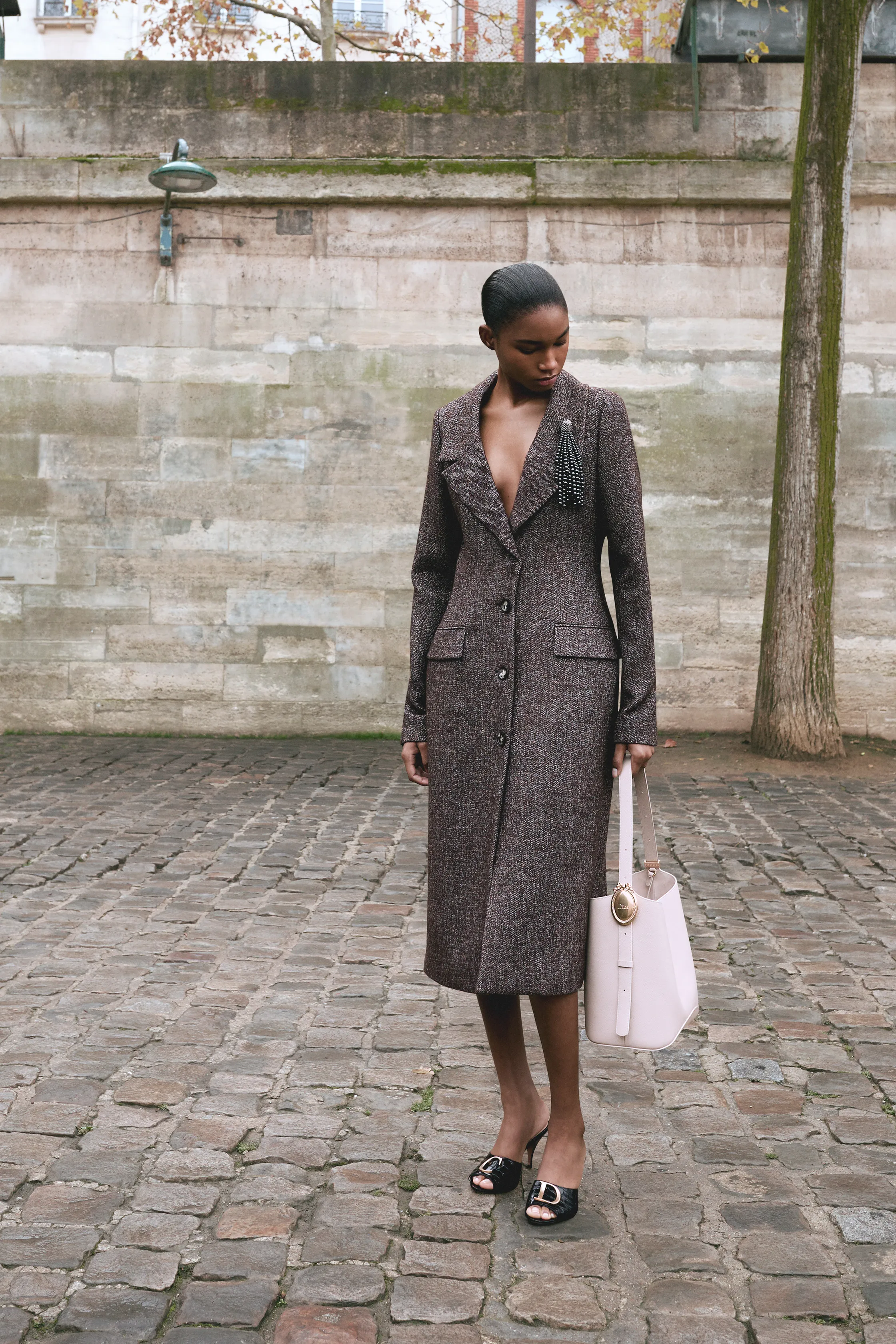
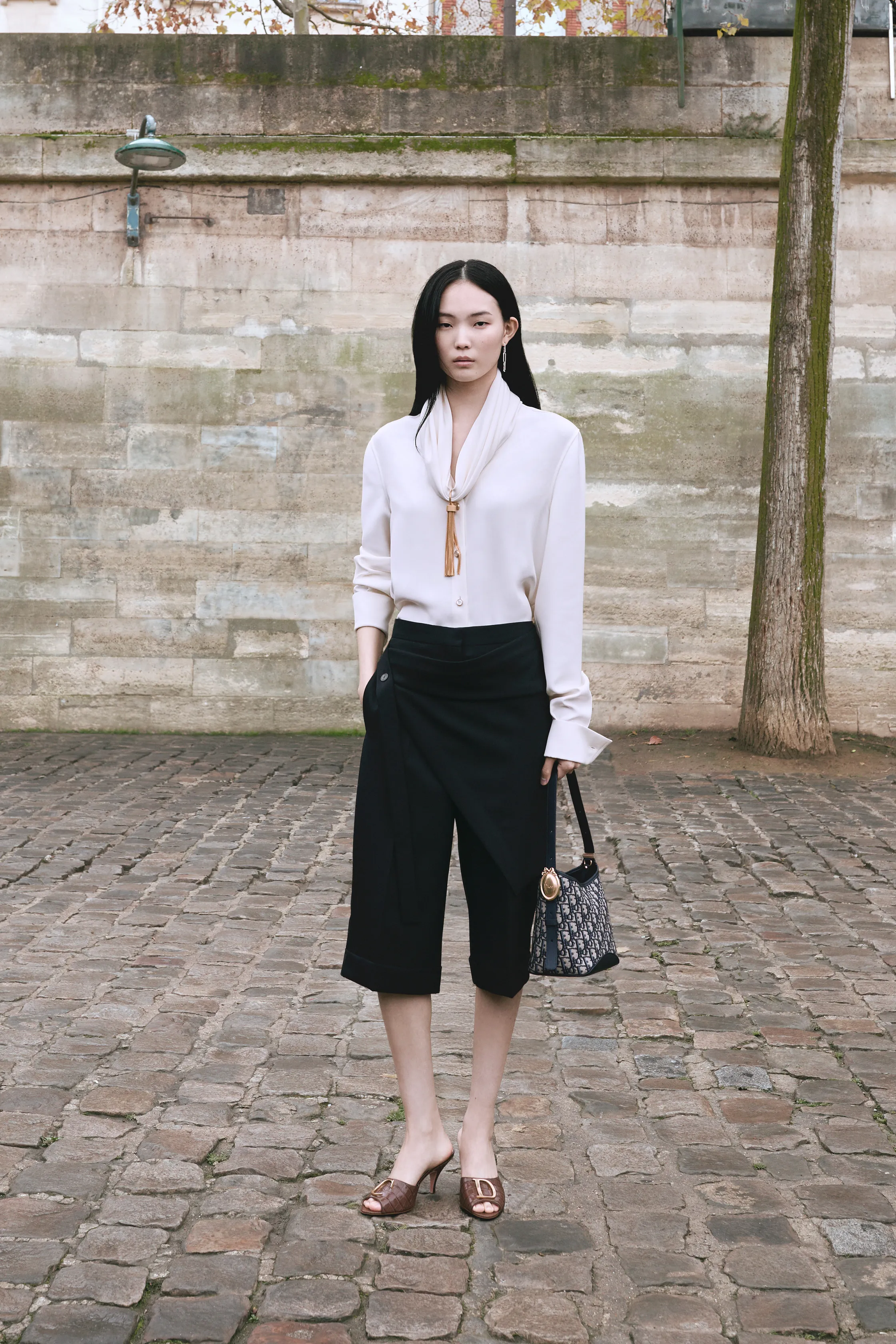
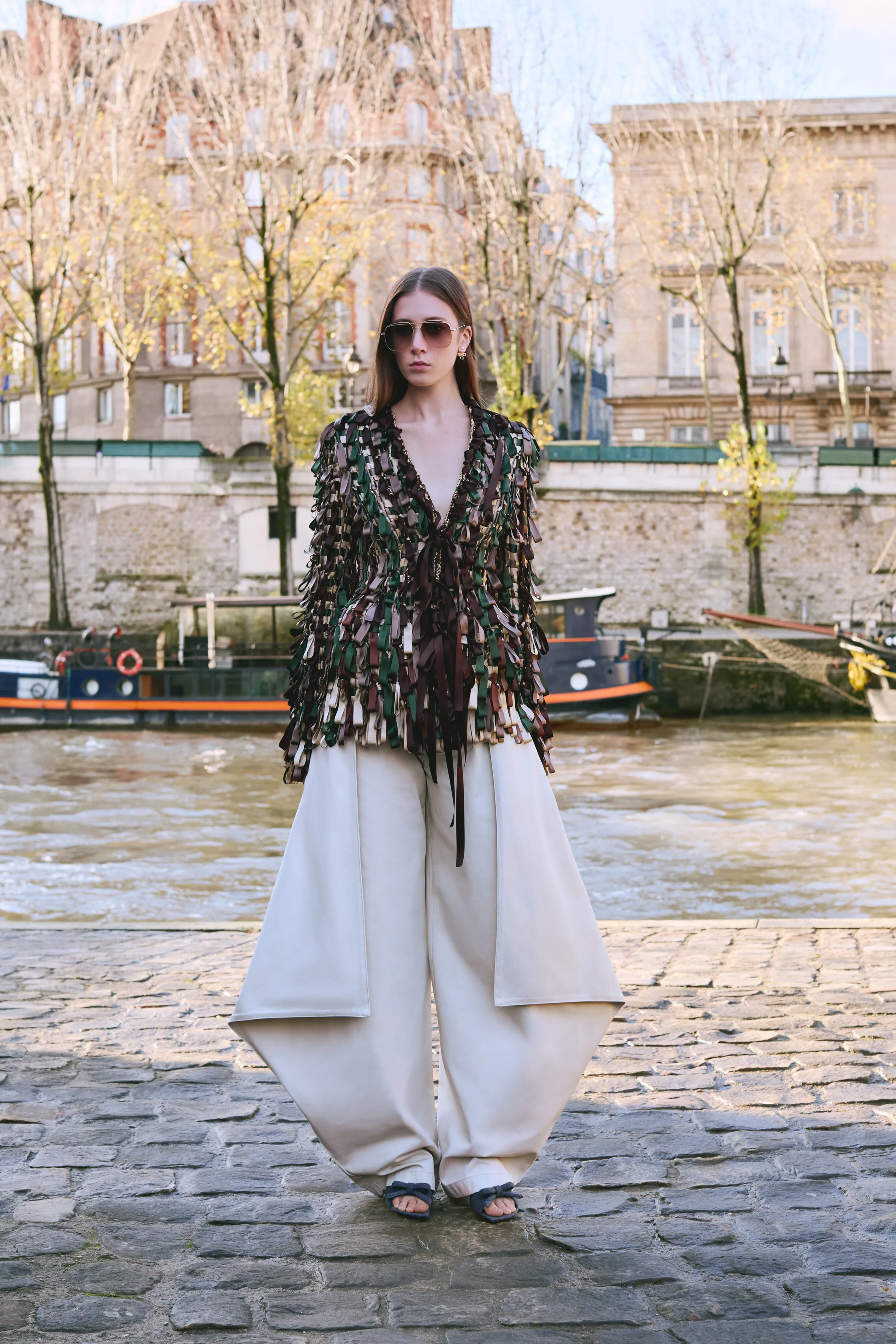
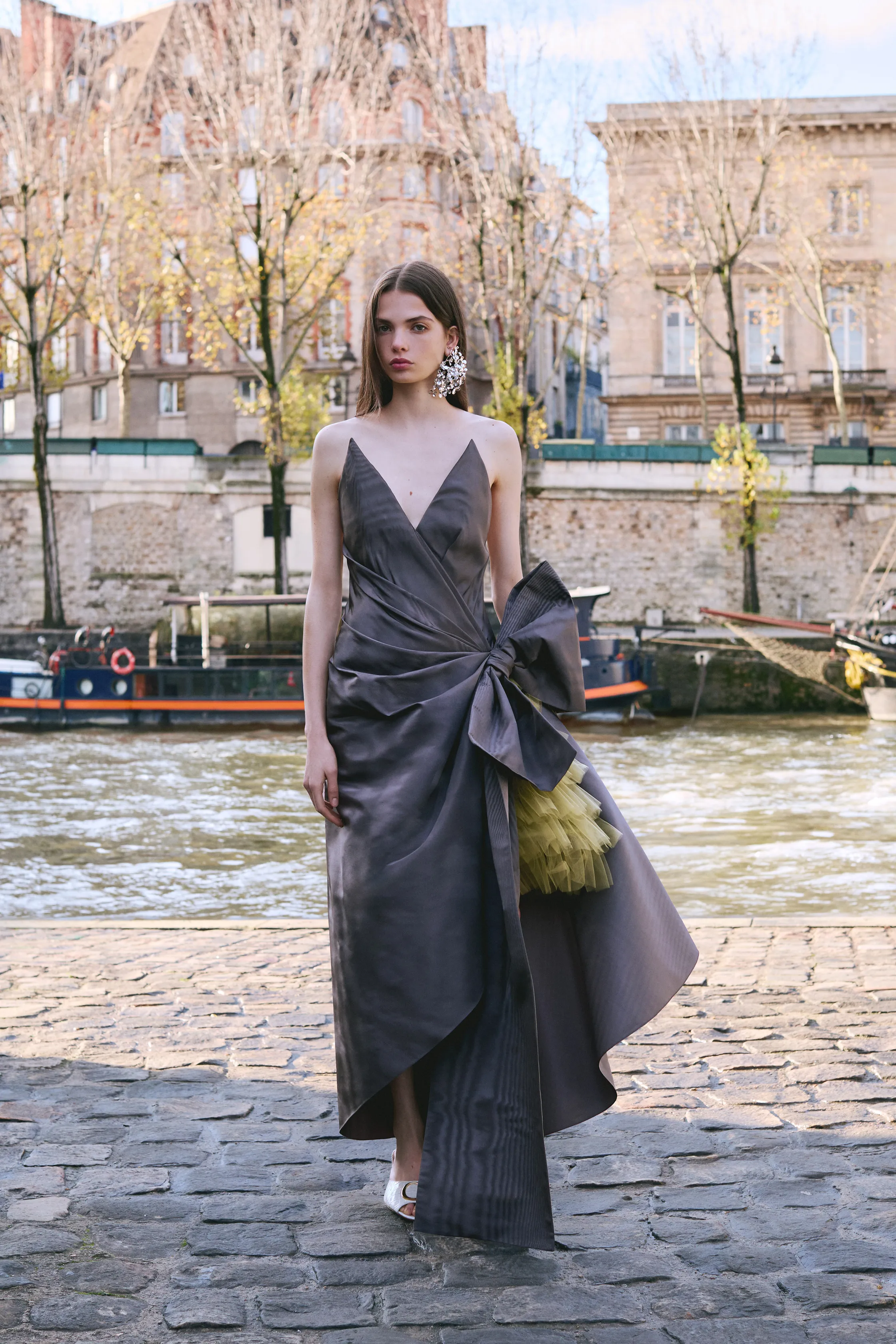
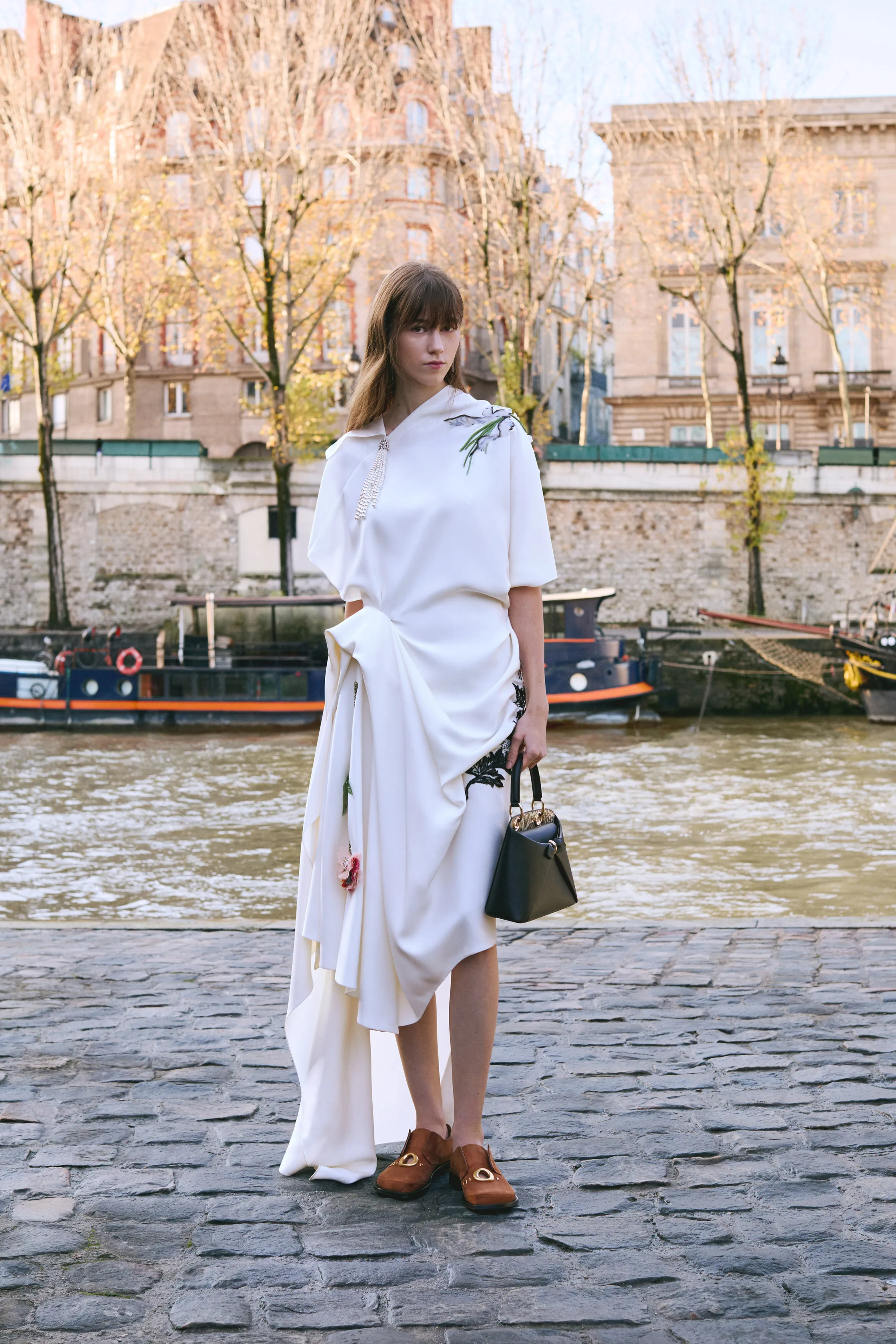
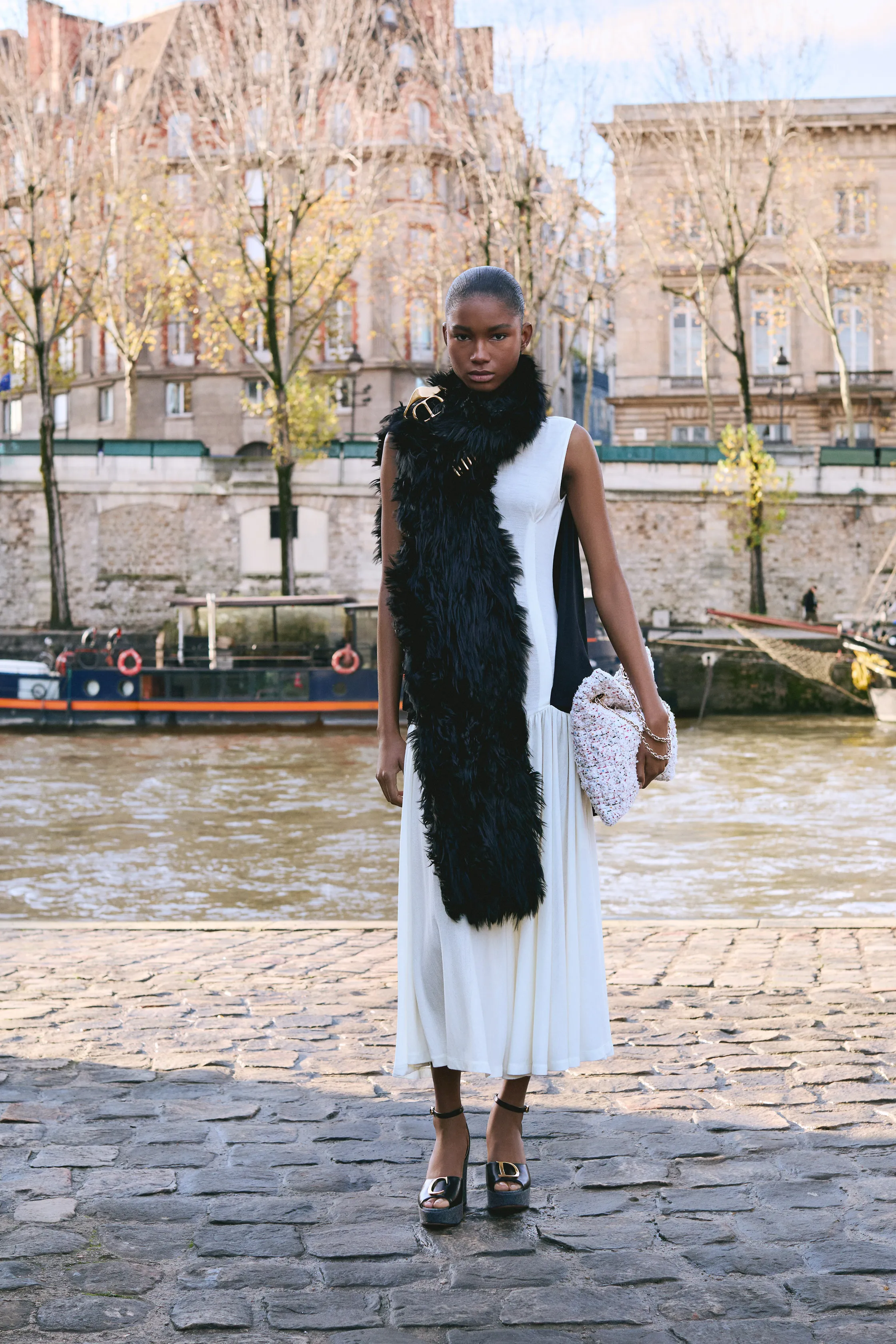
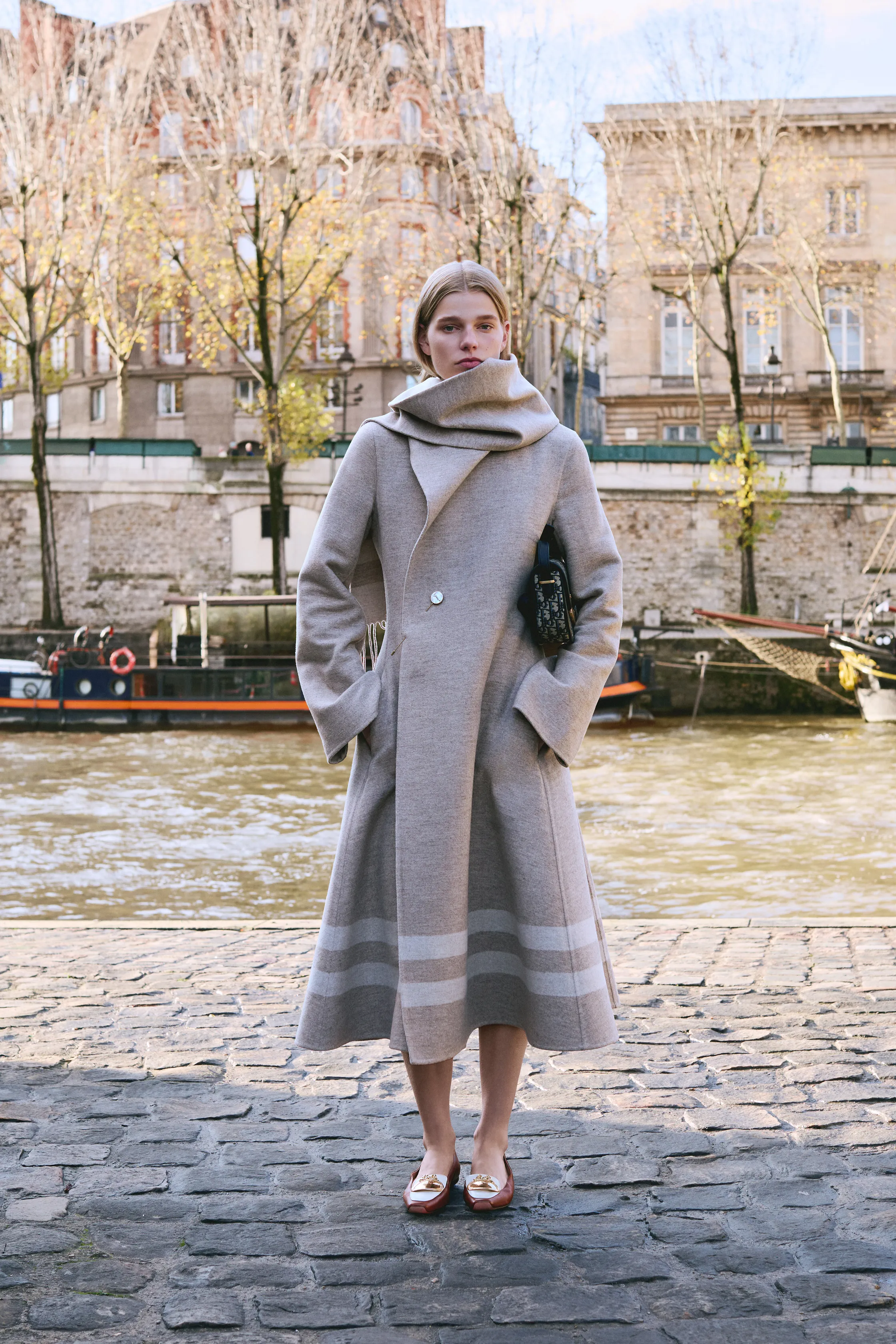
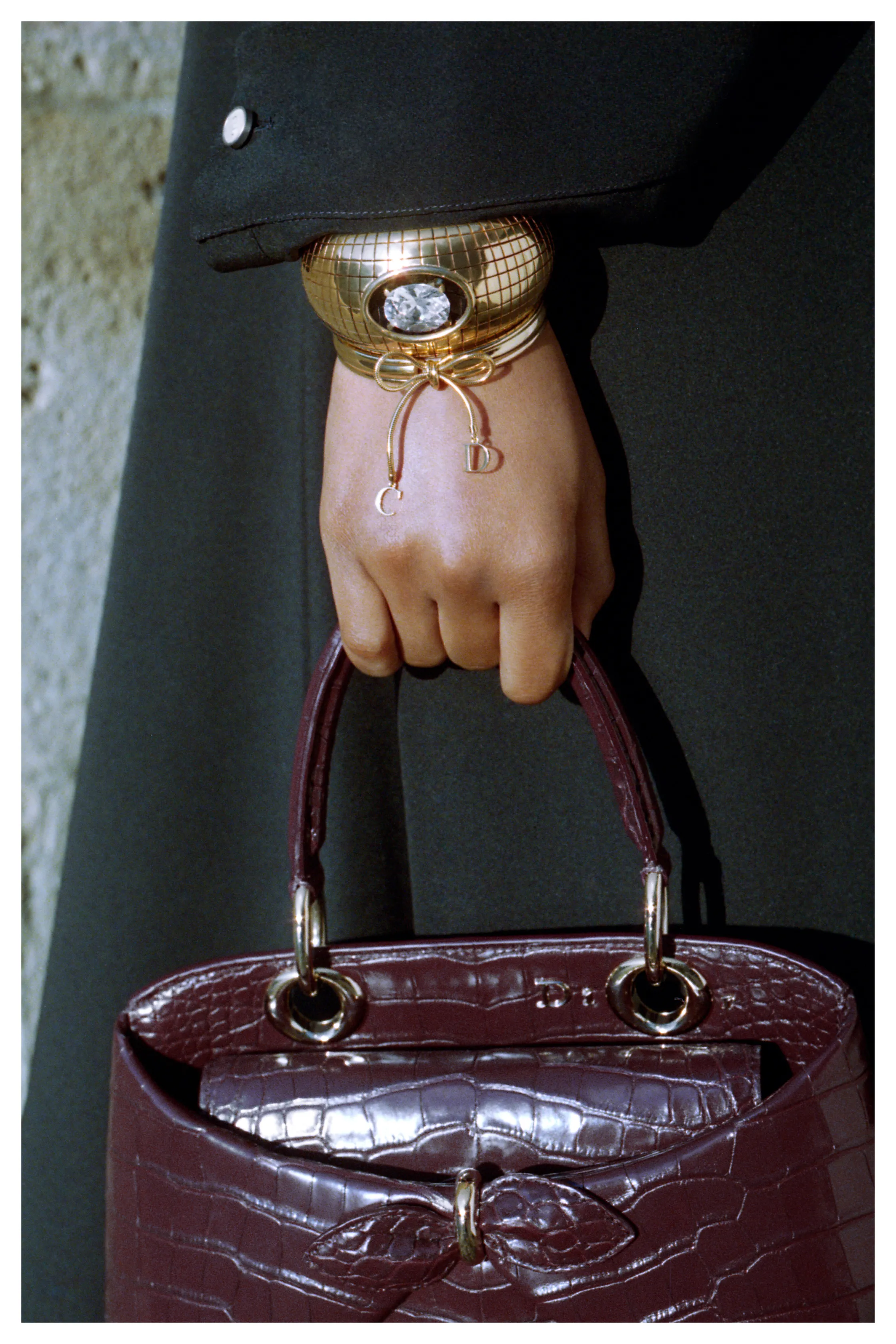
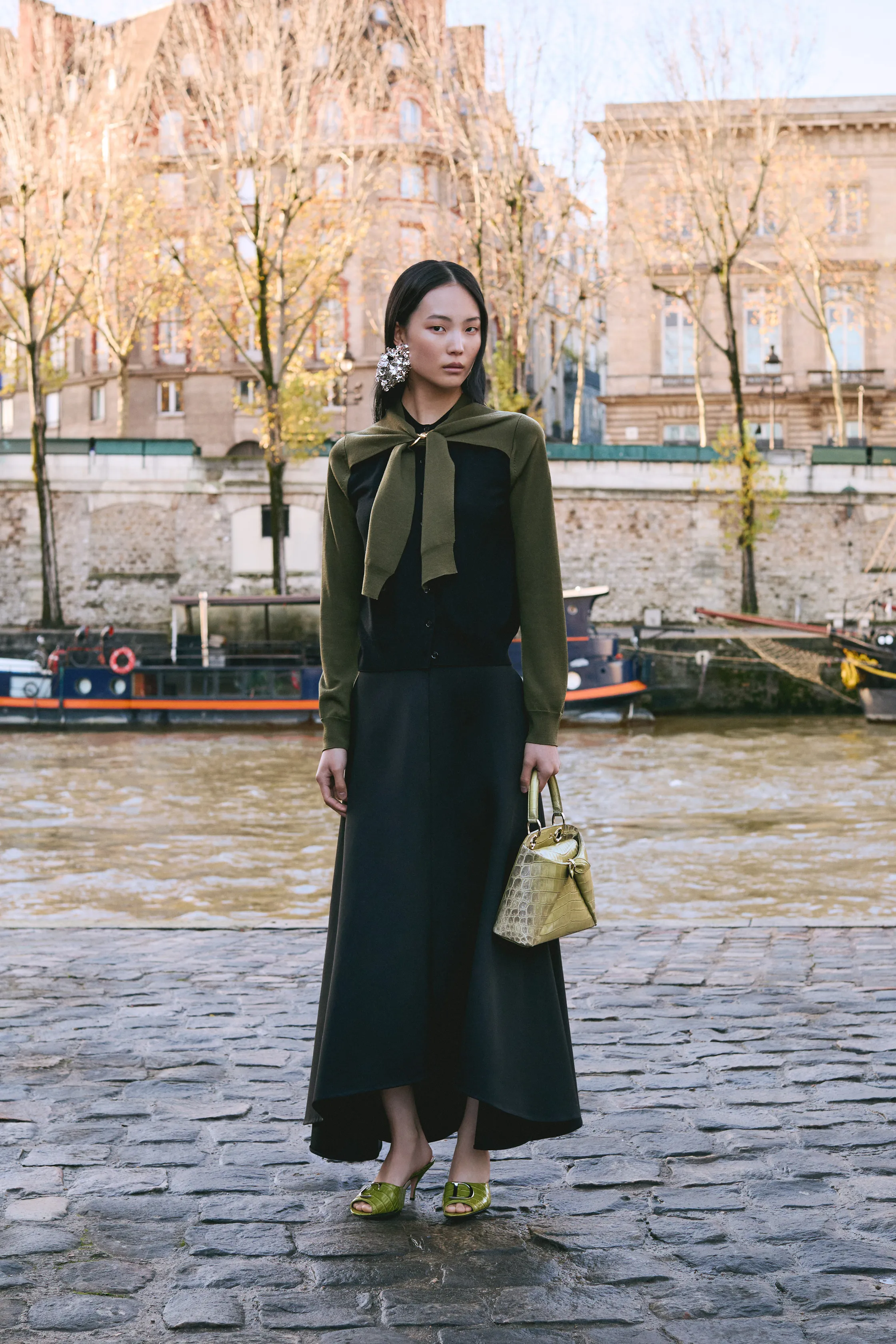
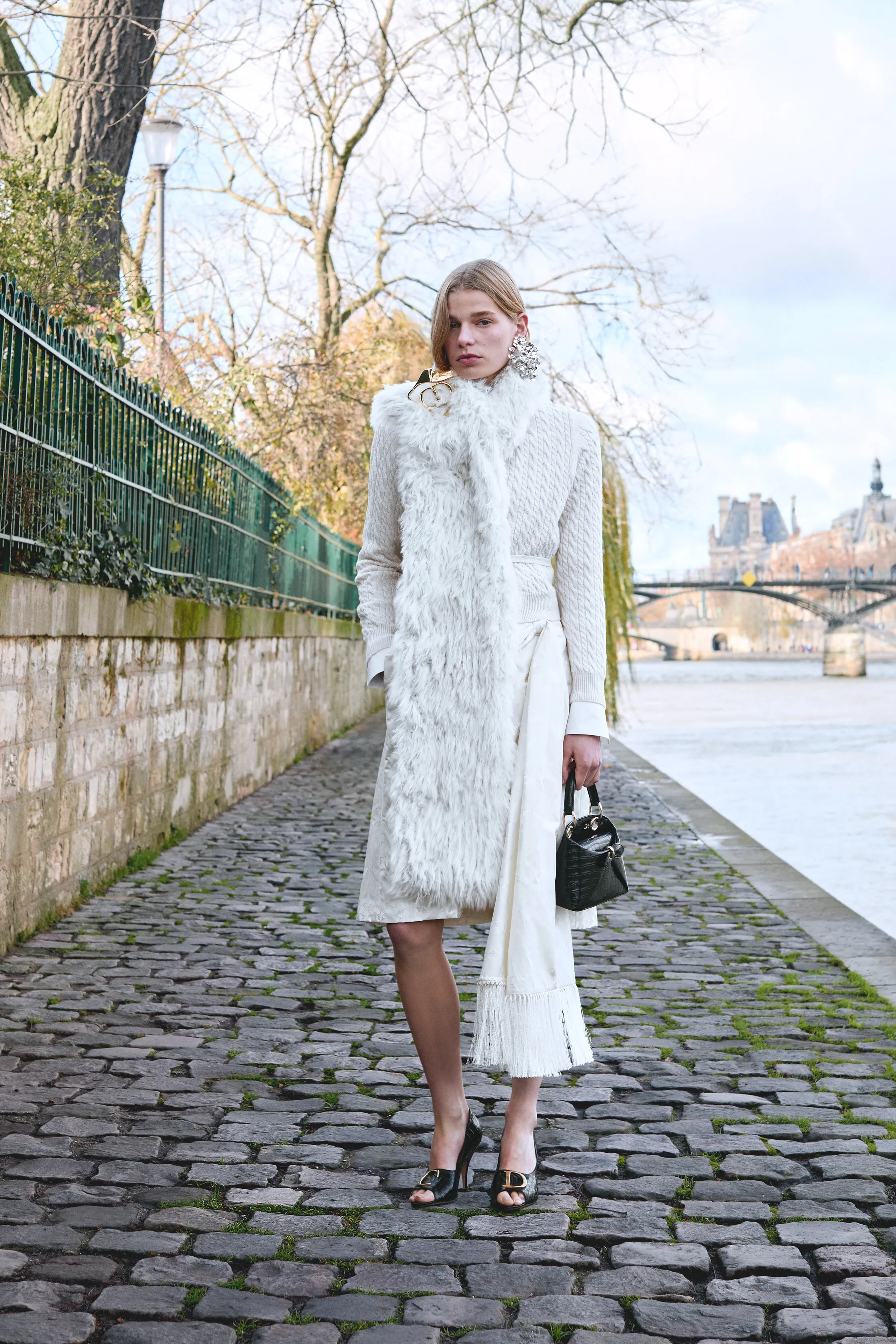
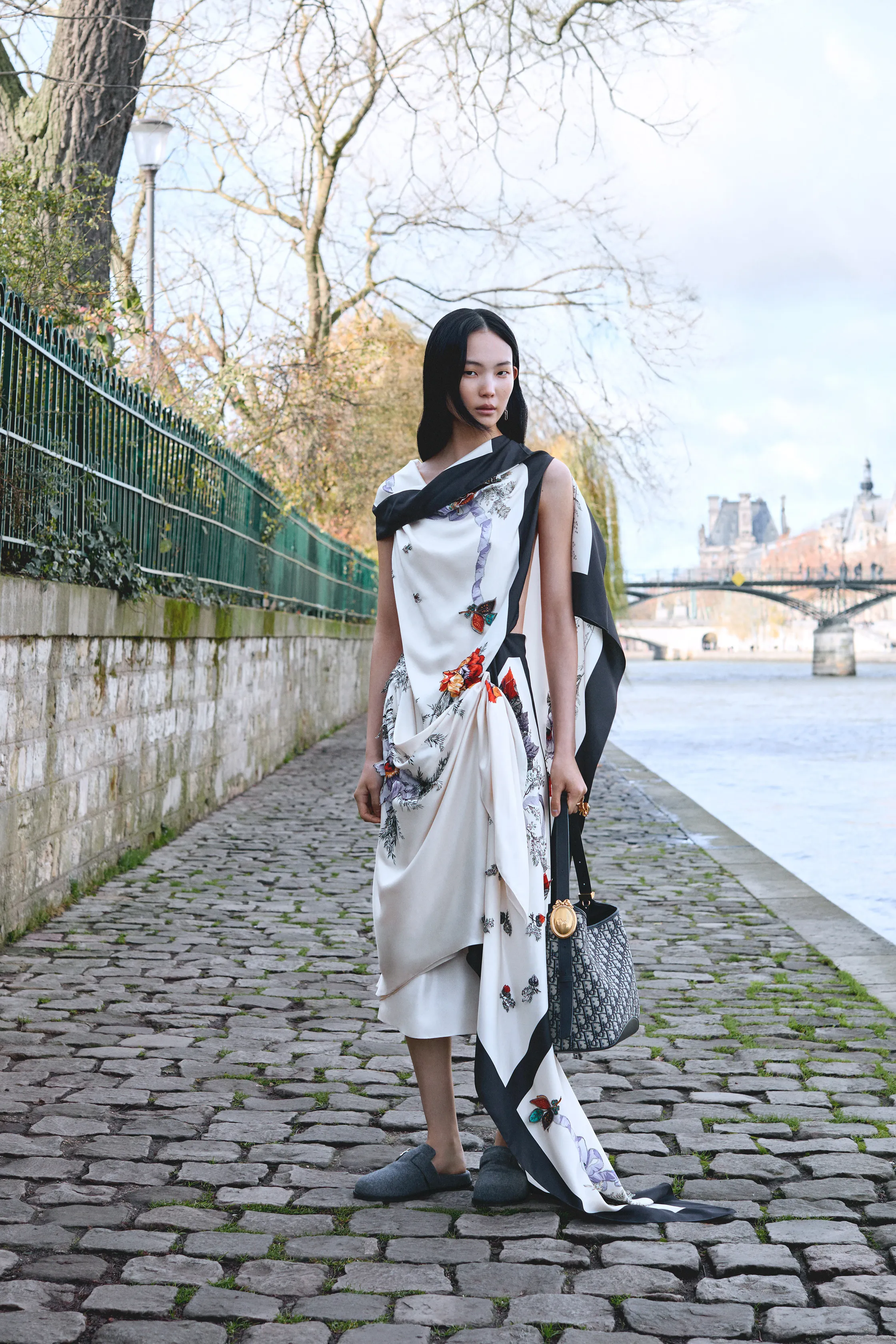
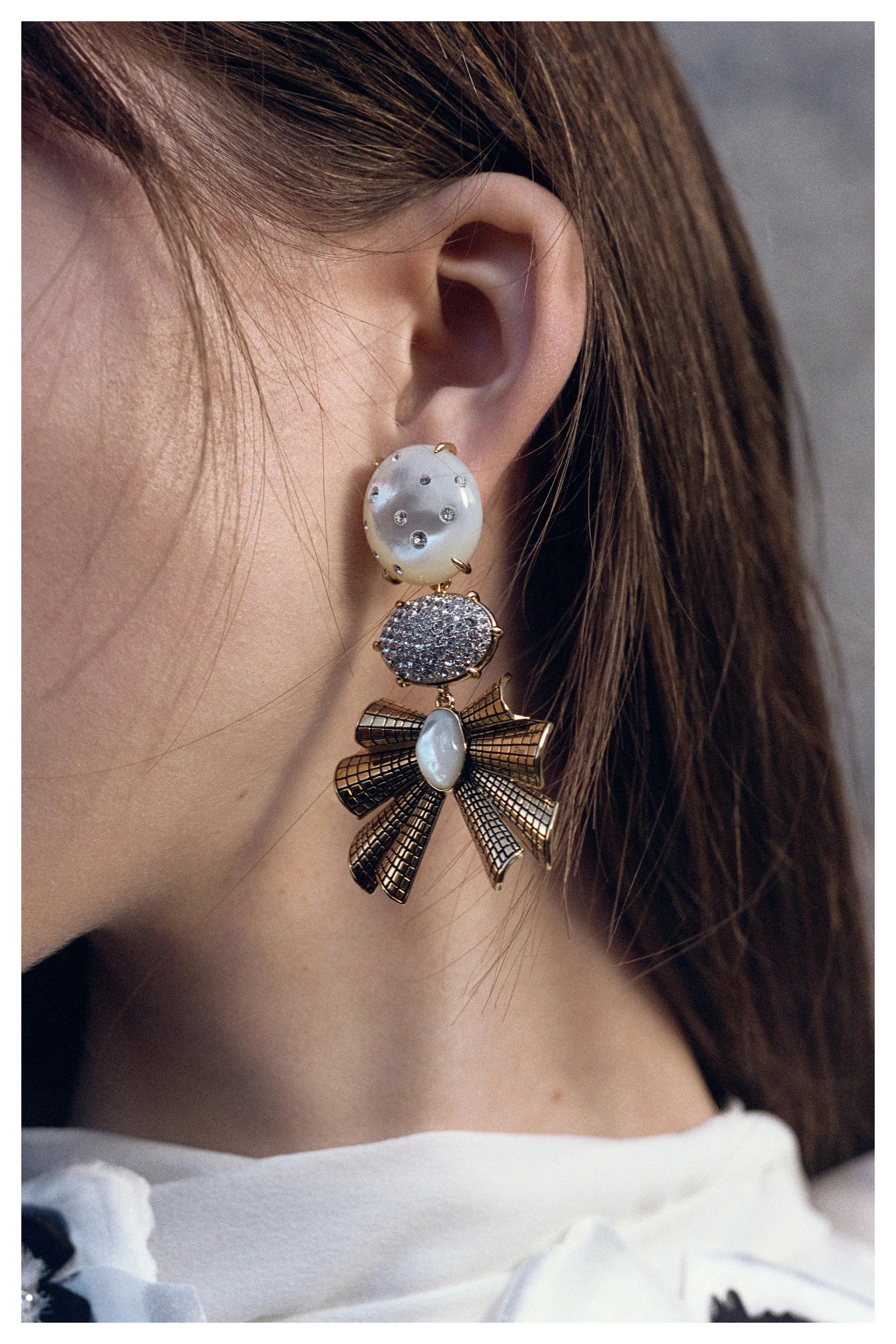
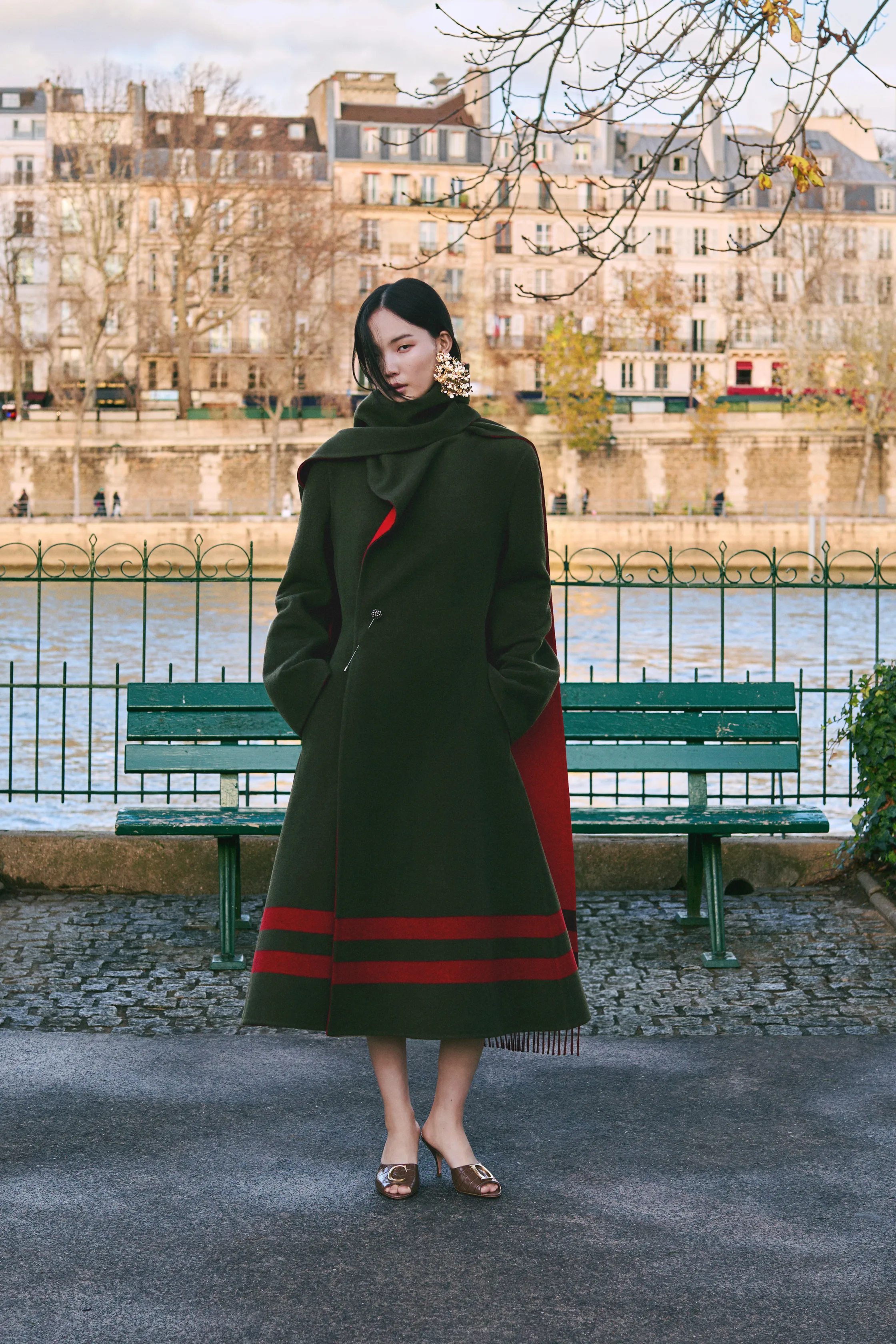
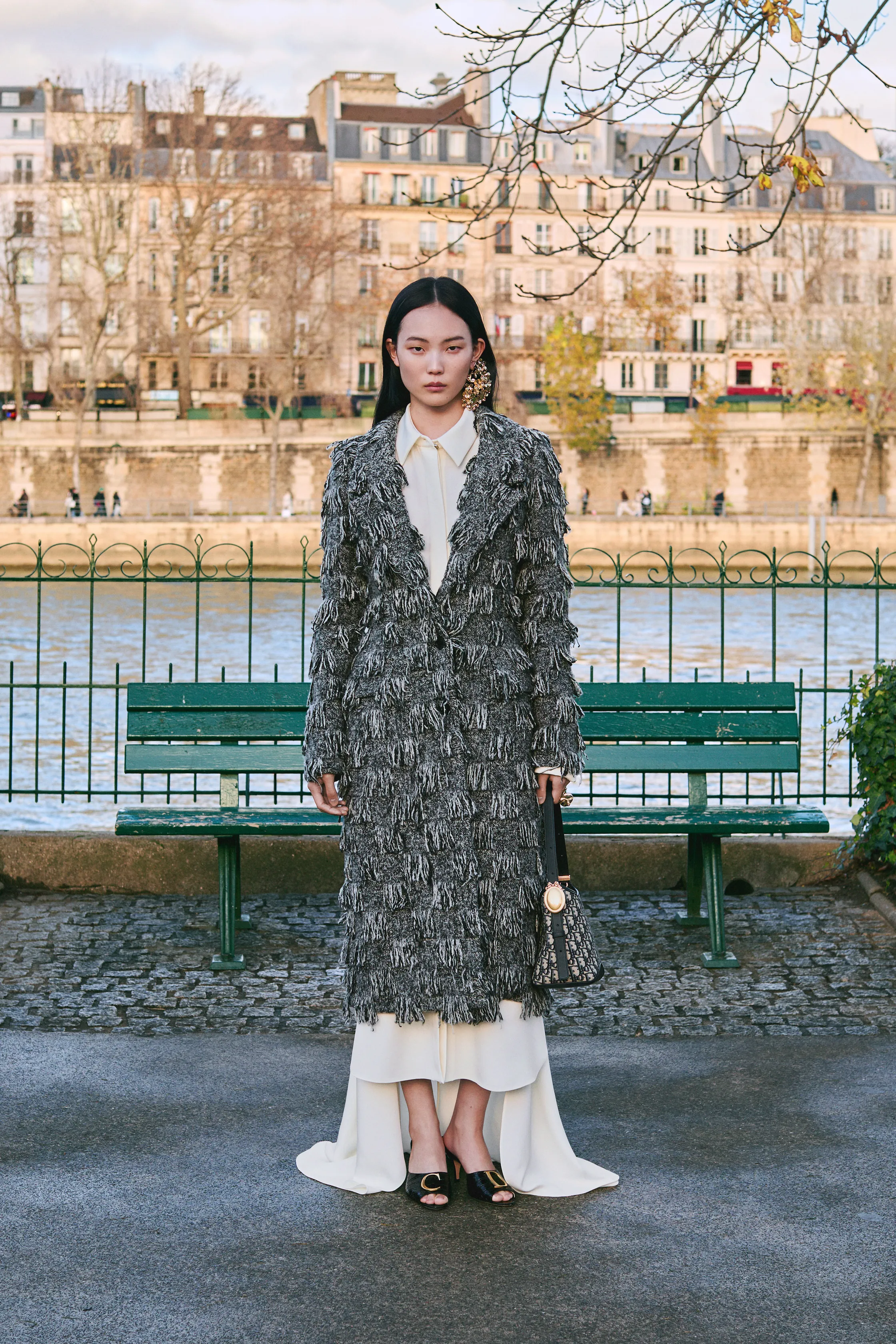
Courtesy of Dior.
Courtesy of Dior.
Courtesy of Dior.
Gucci Pre-Fall 2026
Gucci Pre-Fall 2026
Gucci Pre-Fall 2026
For his second collection at the helm of Gucci, Demna presents Generation Gucci, a lookbook that reads as a love letter to the house’s eclectic archives. Eschewing a traditional runway show, the collection was unveiled in imagery styled as a show that never was, with models captured mid-stride as if on a phantom catwalk. This artful format underscores Demna’s intent to remix Gucci’s past eras into something pointedly of-the-moment. The collection features the sensual sleekness of the Tom Ford–led 1990s with echoes of the bohemian maximalism championed by Alessandro Michele in the 2010s, all filtered through Demna’s own irreverent, street-savvy lens. And the result? A collection brimming with nostalgia and subversion; it feels at once like rediscovering a vintage Gucci treasure trove and witnessing a futuristic reinvention of those treasures.
The collection sees Demna’s archival exploration is on full display through silhouettes and details. Signature house motifs reappear, often with a twist. For instance, the famed green-red-green web stripe races across the chest of motocross-inspired leather jackets – a direct nod to Gucci’s 1970s sporty glamour – now reimagined for a digital-age youth culture. Beside these hang slinky jersey gowns and diaphanous blouses that could have walked out of a 90s Gucci campaign, exuding the era’s unbridled sex appeal via plunging necklines and sheer, second-skin fabrics. Demna heightens the drama by pairing such pieces with oversized dark sunglasses and ultra-tall patent boots, amplifying the movie-star attitude. Color palettes swing from rich jewel tones to classic monochrome, conjuring both Michele’s romantic eccentricity and Ford’s sultry simplicity. Yet amid the retro references, Demna inserts his own idiosyncratic touches through unexpected pairings of proportions, tongue-in-cheek graphics, and layered styling that speaks to a contemporary, chaos-embracing aesthetic.
The accessories also tell a compelling story of heritage re-crafted. Gucci’s iconic handbags are not mere props but protagonists in this tale of continuity and change. The Jackie 1961 shoulder bag, for example, appears in refreshed form: one model cradles a compact, softly rounded Jackie in lustrous black leather, while another carries an exaggerated, oversized version boldly rendered in emerald crocodile – two opposing plays on a 60s classic, each making a statement. The Dionysus bag, a symbol of the Michele era, is also reborn: Demna streamlines its famed hardware into sharper lines and offers it in unexpected materials, giving the once-whimsical accessory a new edginess. A particularly modern addition is the Lunetta Phone+ shoulder bag, a petite high-tech pouch in GG-monogram canvas interwoven with glinting chainmail – purpose-built for the essentials of 2026 (namely one’s smartphone) and emblematic of Demna’s knack for blending luxury with utility.
Beneath the stylistic mash-up lies a strategic narrative about Gucci’s direction. By spanning decades in a single collection, Demna positions Generation Gucci as a bridge between the house’s golden eras and its future. The collection revels in Gucci’s distinct design DNA – from sumptuous silk foulard prints reminiscent of its equestrian scarves, to glimmering sequined minis evoking Studio 54 nights – yet nothing feels museum-like. Instead, Demna’s Gucci looks vibrant and alive, propelled by the energy of today’s cultural landscape. This is also a deeply personal project for the designer: known for his own streetwear-meets-couture sensibility, Demna infuses the lineup with hints of punkish humor and exaggerated shapes that longtime followers of his work will recognize. In doing so, he ensures that the collection isn’t just retrospective; it’s dialogic, it engages Gucci’s past in a conversation about what luxury means now. As the house prepares for Demna’s first live runway show in the coming months, the Pre-Fall 2026 outing serves as a bold statement of intent. It declares that the new Gucci era will neither erase its predecessors nor idolize them in amber; instead, it will cannily remix and reanimate the archive. Continuing from his debut collection, La Famiglia, with Generation Gucci, Demna has effectively written the opening lines of this new chapter – one that respects the house’s multitudes and invites its devotees, old and new, to join in the revelry.
For his second collection at the helm of Gucci, Demna presents Generation Gucci, a lookbook that reads as a love letter to the house’s eclectic archives. Eschewing a traditional runway show, the collection was unveiled in imagery styled as a show that never was, with models captured mid-stride as if on a phantom catwalk. This artful format underscores Demna’s intent to remix Gucci’s past eras into something pointedly of-the-moment. The collection features the sensual sleekness of the Tom Ford–led 1990s with echoes of the bohemian maximalism championed by Alessandro Michele in the 2010s, all filtered through Demna’s own irreverent, street-savvy lens. And the result? A collection brimming with nostalgia and subversion; it feels at once like rediscovering a vintage Gucci treasure trove and witnessing a futuristic reinvention of those treasures.
The collection sees Demna’s archival exploration is on full display through silhouettes and details. Signature house motifs reappear, often with a twist. For instance, the famed green-red-green web stripe races across the chest of motocross-inspired leather jackets – a direct nod to Gucci’s 1970s sporty glamour – now reimagined for a digital-age youth culture. Beside these hang slinky jersey gowns and diaphanous blouses that could have walked out of a 90s Gucci campaign, exuding the era’s unbridled sex appeal via plunging necklines and sheer, second-skin fabrics. Demna heightens the drama by pairing such pieces with oversized dark sunglasses and ultra-tall patent boots, amplifying the movie-star attitude. Color palettes swing from rich jewel tones to classic monochrome, conjuring both Michele’s romantic eccentricity and Ford’s sultry simplicity. Yet amid the retro references, Demna inserts his own idiosyncratic touches through unexpected pairings of proportions, tongue-in-cheek graphics, and layered styling that speaks to a contemporary, chaos-embracing aesthetic.
The accessories also tell a compelling story of heritage re-crafted. Gucci’s iconic handbags are not mere props but protagonists in this tale of continuity and change. The Jackie 1961 shoulder bag, for example, appears in refreshed form: one model cradles a compact, softly rounded Jackie in lustrous black leather, while another carries an exaggerated, oversized version boldly rendered in emerald crocodile – two opposing plays on a 60s classic, each making a statement. The Dionysus bag, a symbol of the Michele era, is also reborn: Demna streamlines its famed hardware into sharper lines and offers it in unexpected materials, giving the once-whimsical accessory a new edginess. A particularly modern addition is the Lunetta Phone+ shoulder bag, a petite high-tech pouch in GG-monogram canvas interwoven with glinting chainmail – purpose-built for the essentials of 2026 (namely one’s smartphone) and emblematic of Demna’s knack for blending luxury with utility.
Beneath the stylistic mash-up lies a strategic narrative about Gucci’s direction. By spanning decades in a single collection, Demna positions Generation Gucci as a bridge between the house’s golden eras and its future. The collection revels in Gucci’s distinct design DNA – from sumptuous silk foulard prints reminiscent of its equestrian scarves, to glimmering sequined minis evoking Studio 54 nights – yet nothing feels museum-like. Instead, Demna’s Gucci looks vibrant and alive, propelled by the energy of today’s cultural landscape. This is also a deeply personal project for the designer: known for his own streetwear-meets-couture sensibility, Demna infuses the lineup with hints of punkish humor and exaggerated shapes that longtime followers of his work will recognize. In doing so, he ensures that the collection isn’t just retrospective; it’s dialogic, it engages Gucci’s past in a conversation about what luxury means now. As the house prepares for Demna’s first live runway show in the coming months, the Pre-Fall 2026 outing serves as a bold statement of intent. It declares that the new Gucci era will neither erase its predecessors nor idolize them in amber; instead, it will cannily remix and reanimate the archive. Continuing from his debut collection, La Famiglia, with Generation Gucci, Demna has effectively written the opening lines of this new chapter – one that respects the house’s multitudes and invites its devotees, old and new, to join in the revelry.
For his second collection at the helm of Gucci, Demna presents Generation Gucci, a lookbook that reads as a love letter to the house’s eclectic archives. Eschewing a traditional runway show, the collection was unveiled in imagery styled as a show that never was, with models captured mid-stride as if on a phantom catwalk. This artful format underscores Demna’s intent to remix Gucci’s past eras into something pointedly of-the-moment. The collection features the sensual sleekness of the Tom Ford–led 1990s with echoes of the bohemian maximalism championed by Alessandro Michele in the 2010s, all filtered through Demna’s own irreverent, street-savvy lens. And the result? A collection brimming with nostalgia and subversion; it feels at once like rediscovering a vintage Gucci treasure trove and witnessing a futuristic reinvention of those treasures.
The collection sees Demna’s archival exploration is on full display through silhouettes and details. Signature house motifs reappear, often with a twist. For instance, the famed green-red-green web stripe races across the chest of motocross-inspired leather jackets – a direct nod to Gucci’s 1970s sporty glamour – now reimagined for a digital-age youth culture. Beside these hang slinky jersey gowns and diaphanous blouses that could have walked out of a 90s Gucci campaign, exuding the era’s unbridled sex appeal via plunging necklines and sheer, second-skin fabrics. Demna heightens the drama by pairing such pieces with oversized dark sunglasses and ultra-tall patent boots, amplifying the movie-star attitude. Color palettes swing from rich jewel tones to classic monochrome, conjuring both Michele’s romantic eccentricity and Ford’s sultry simplicity. Yet amid the retro references, Demna inserts his own idiosyncratic touches through unexpected pairings of proportions, tongue-in-cheek graphics, and layered styling that speaks to a contemporary, chaos-embracing aesthetic.
The accessories also tell a compelling story of heritage re-crafted. Gucci’s iconic handbags are not mere props but protagonists in this tale of continuity and change. The Jackie 1961 shoulder bag, for example, appears in refreshed form: one model cradles a compact, softly rounded Jackie in lustrous black leather, while another carries an exaggerated, oversized version boldly rendered in emerald crocodile – two opposing plays on a 60s classic, each making a statement. The Dionysus bag, a symbol of the Michele era, is also reborn: Demna streamlines its famed hardware into sharper lines and offers it in unexpected materials, giving the once-whimsical accessory a new edginess. A particularly modern addition is the Lunetta Phone+ shoulder bag, a petite high-tech pouch in GG-monogram canvas interwoven with glinting chainmail – purpose-built for the essentials of 2026 (namely one’s smartphone) and emblematic of Demna’s knack for blending luxury with utility.
Beneath the stylistic mash-up lies a strategic narrative about Gucci’s direction. By spanning decades in a single collection, Demna positions Generation Gucci as a bridge between the house’s golden eras and its future. The collection revels in Gucci’s distinct design DNA – from sumptuous silk foulard prints reminiscent of its equestrian scarves, to glimmering sequined minis evoking Studio 54 nights – yet nothing feels museum-like. Instead, Demna’s Gucci looks vibrant and alive, propelled by the energy of today’s cultural landscape. This is also a deeply personal project for the designer: known for his own streetwear-meets-couture sensibility, Demna infuses the lineup with hints of punkish humor and exaggerated shapes that longtime followers of his work will recognize. In doing so, he ensures that the collection isn’t just retrospective; it’s dialogic, it engages Gucci’s past in a conversation about what luxury means now. As the house prepares for Demna’s first live runway show in the coming months, the Pre-Fall 2026 outing serves as a bold statement of intent. It declares that the new Gucci era will neither erase its predecessors nor idolize them in amber; instead, it will cannily remix and reanimate the archive. Continuing from his debut collection, La Famiglia, with Generation Gucci, Demna has effectively written the opening lines of this new chapter – one that respects the house’s multitudes and invites its devotees, old and new, to join in the revelry.
Our Favourite Looks
Our Favourite Looks
Our Favourite Looks
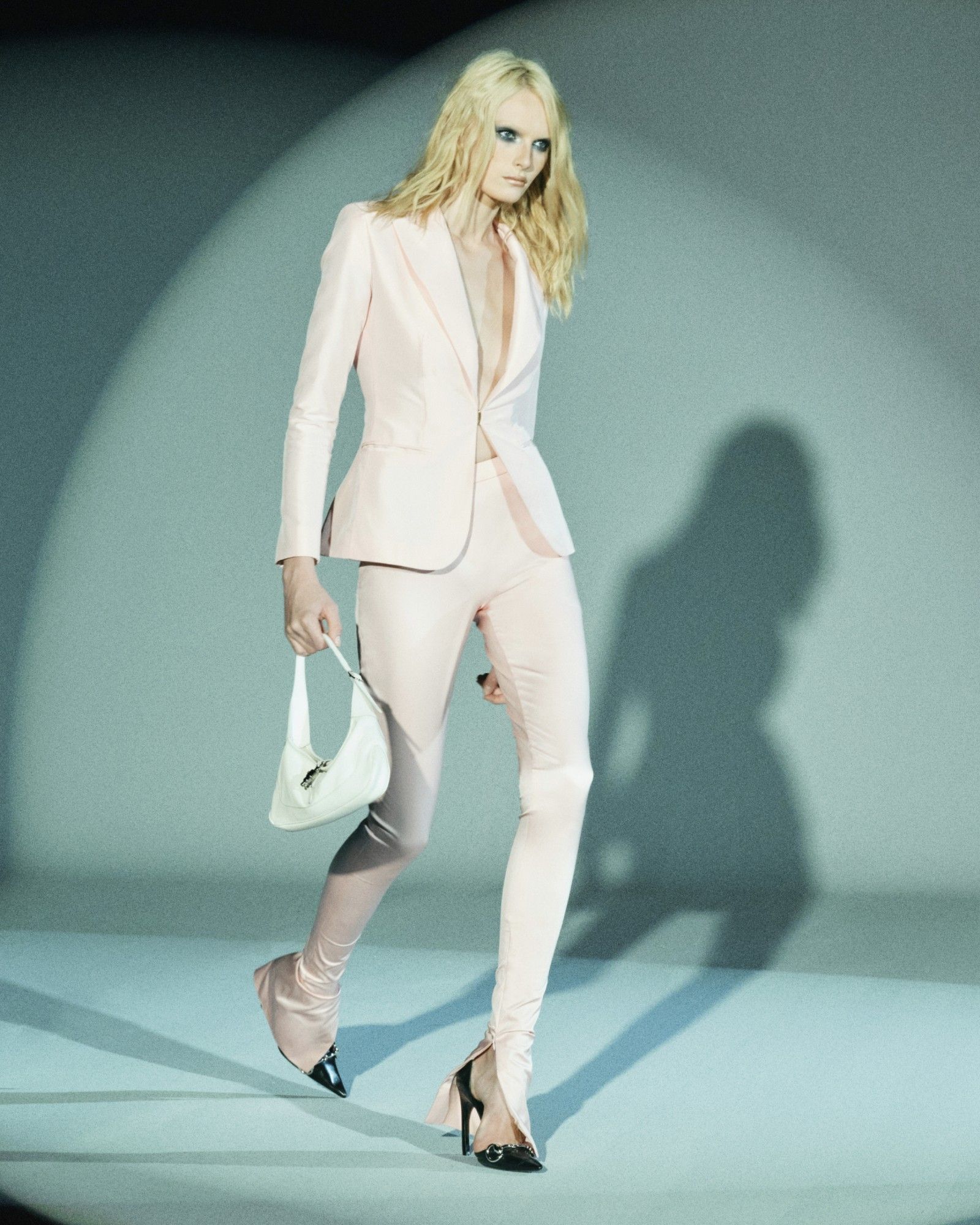
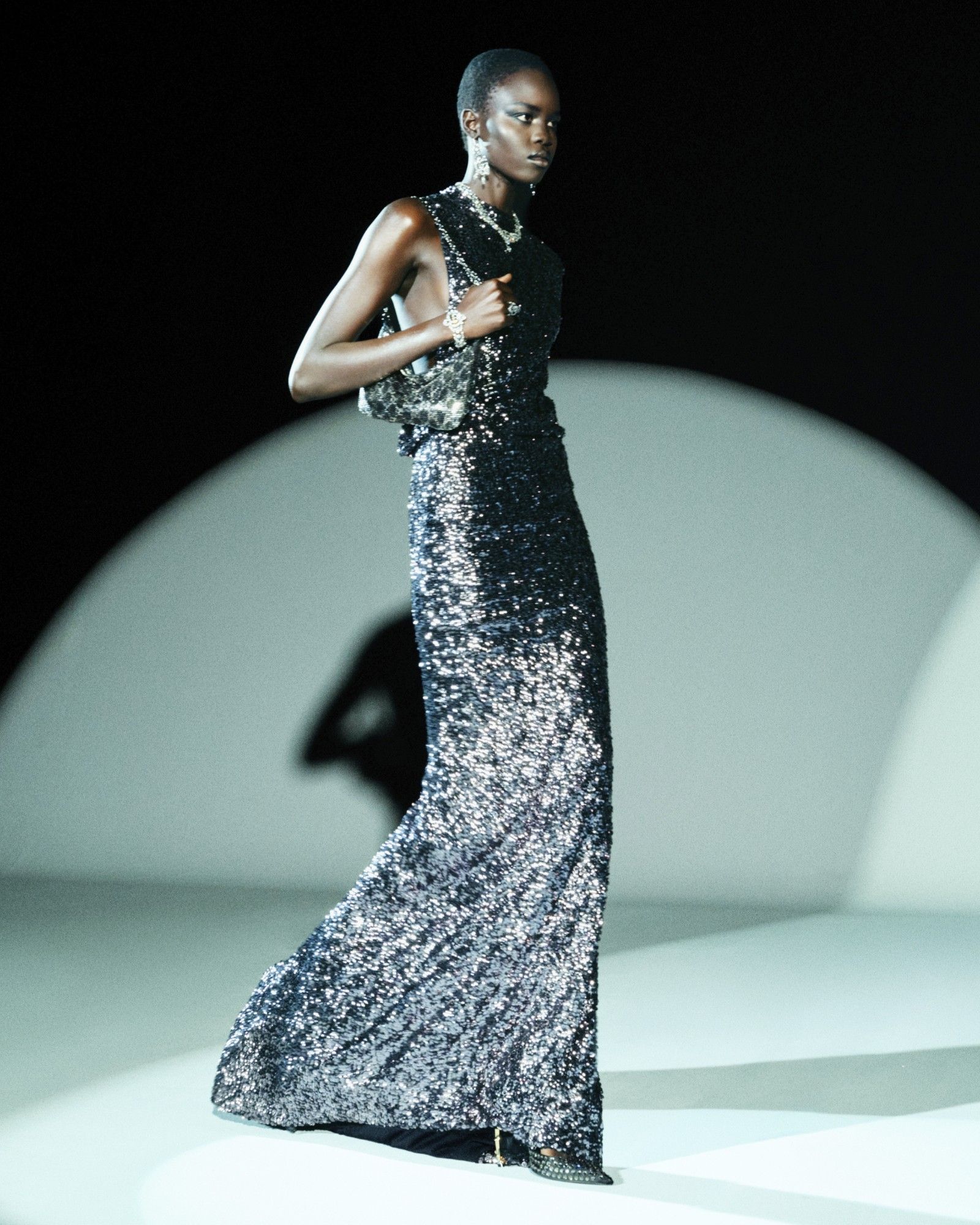
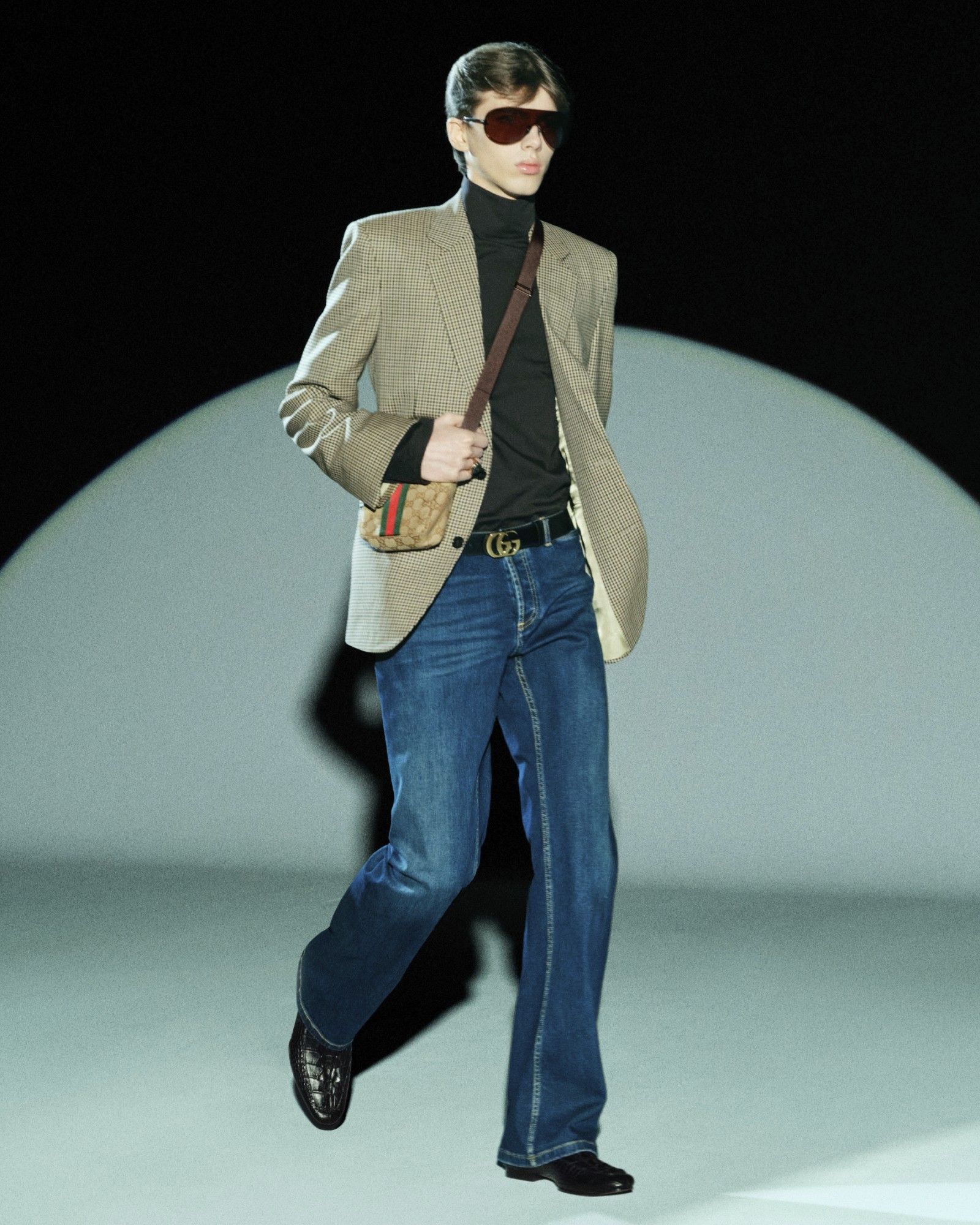
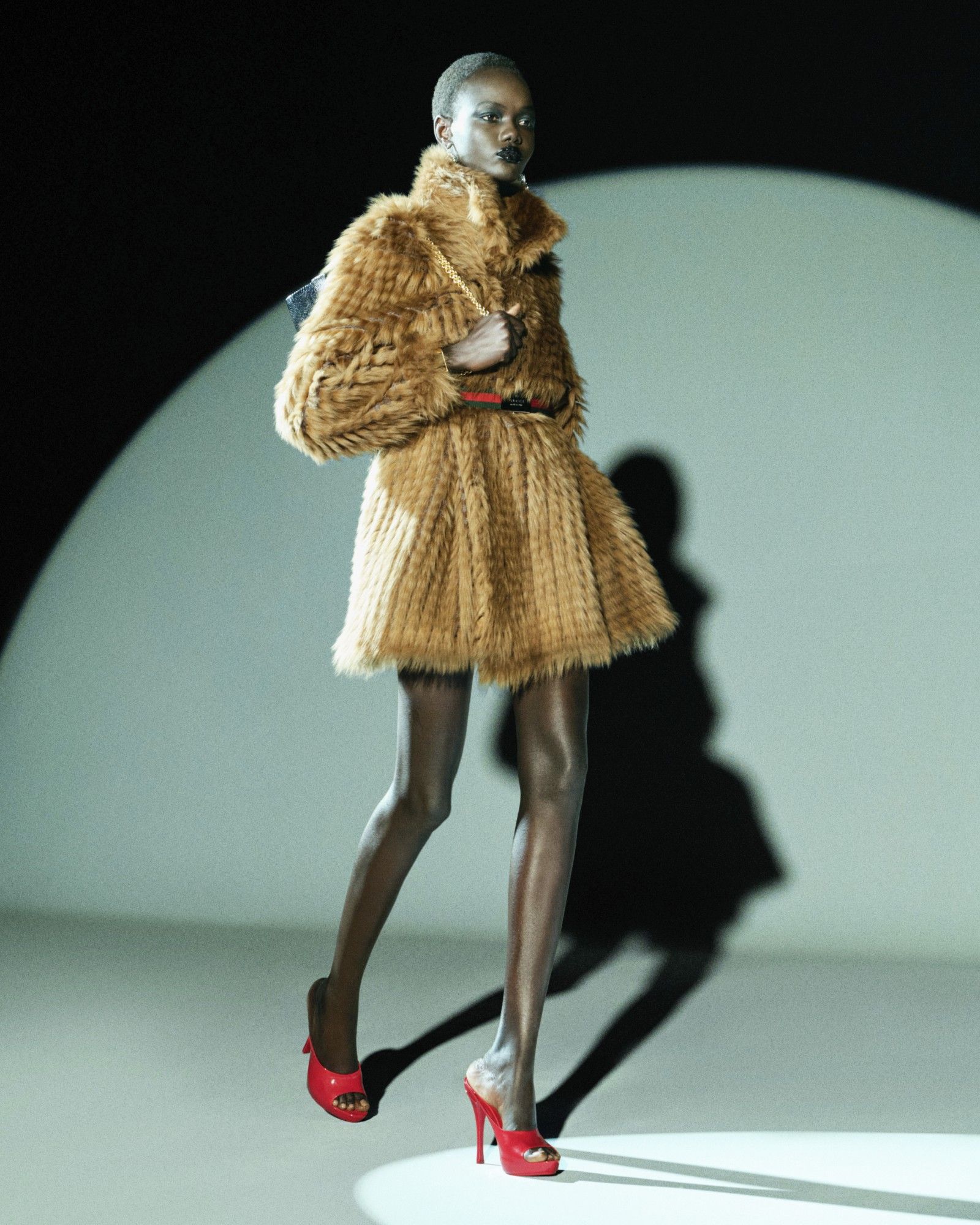
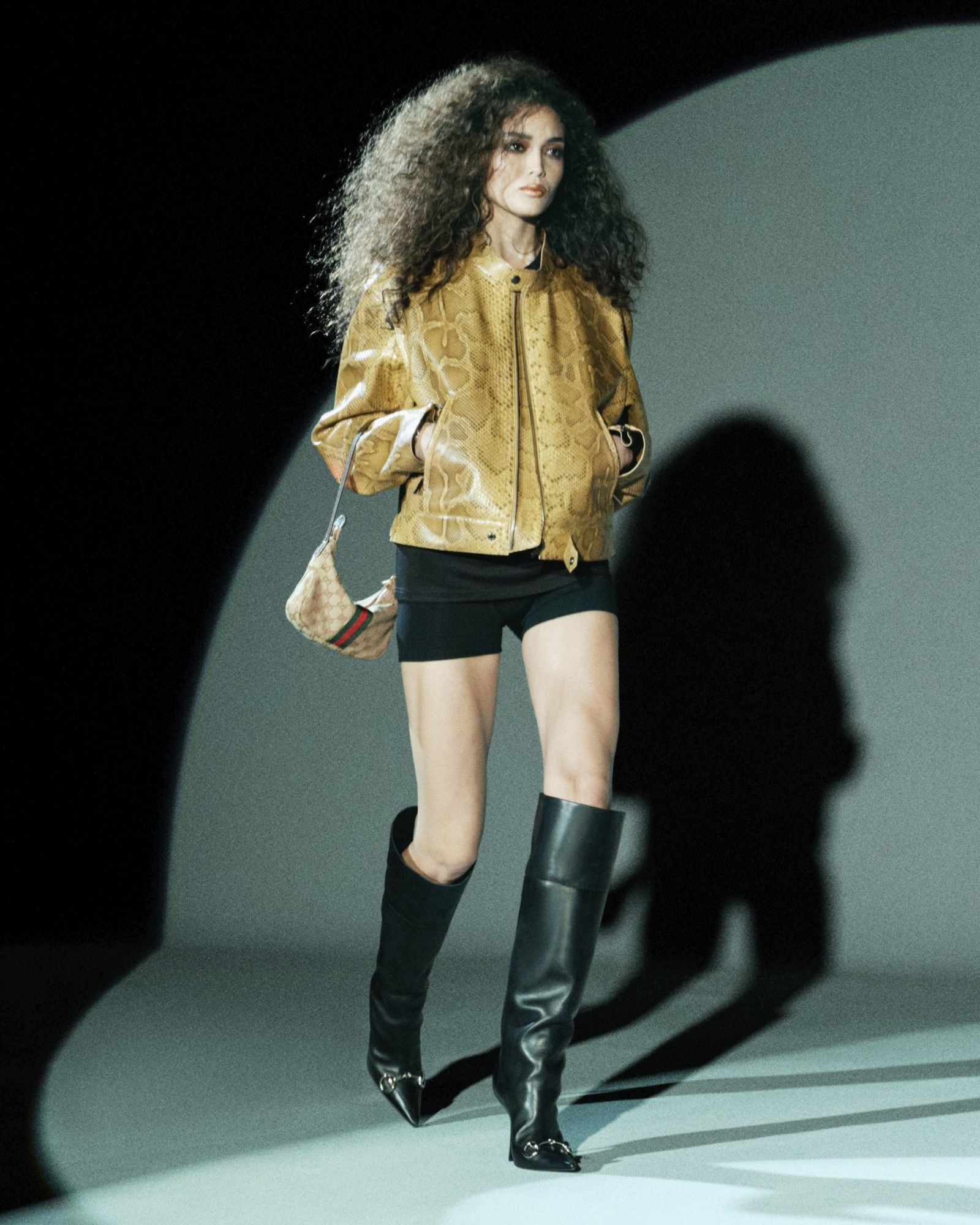
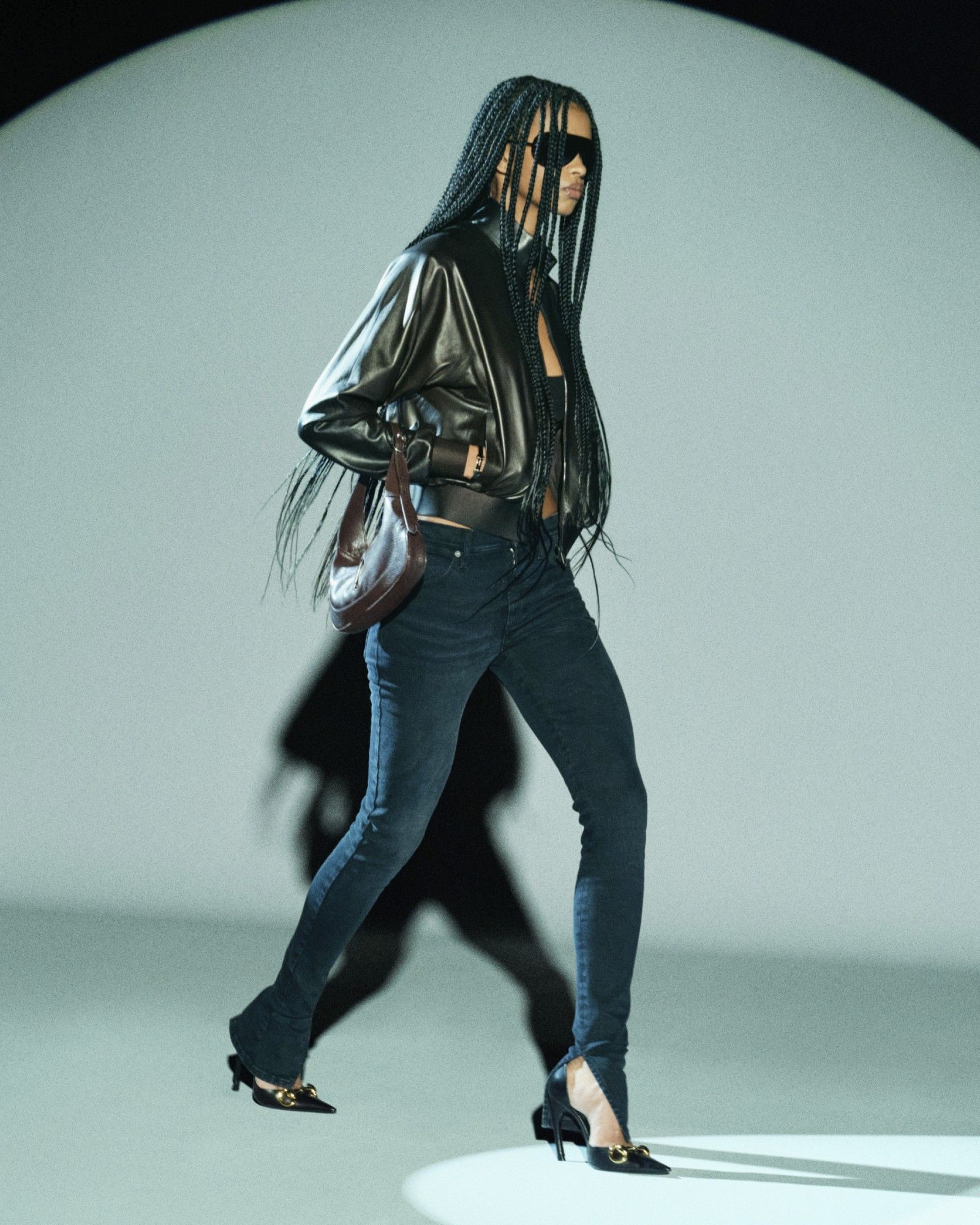
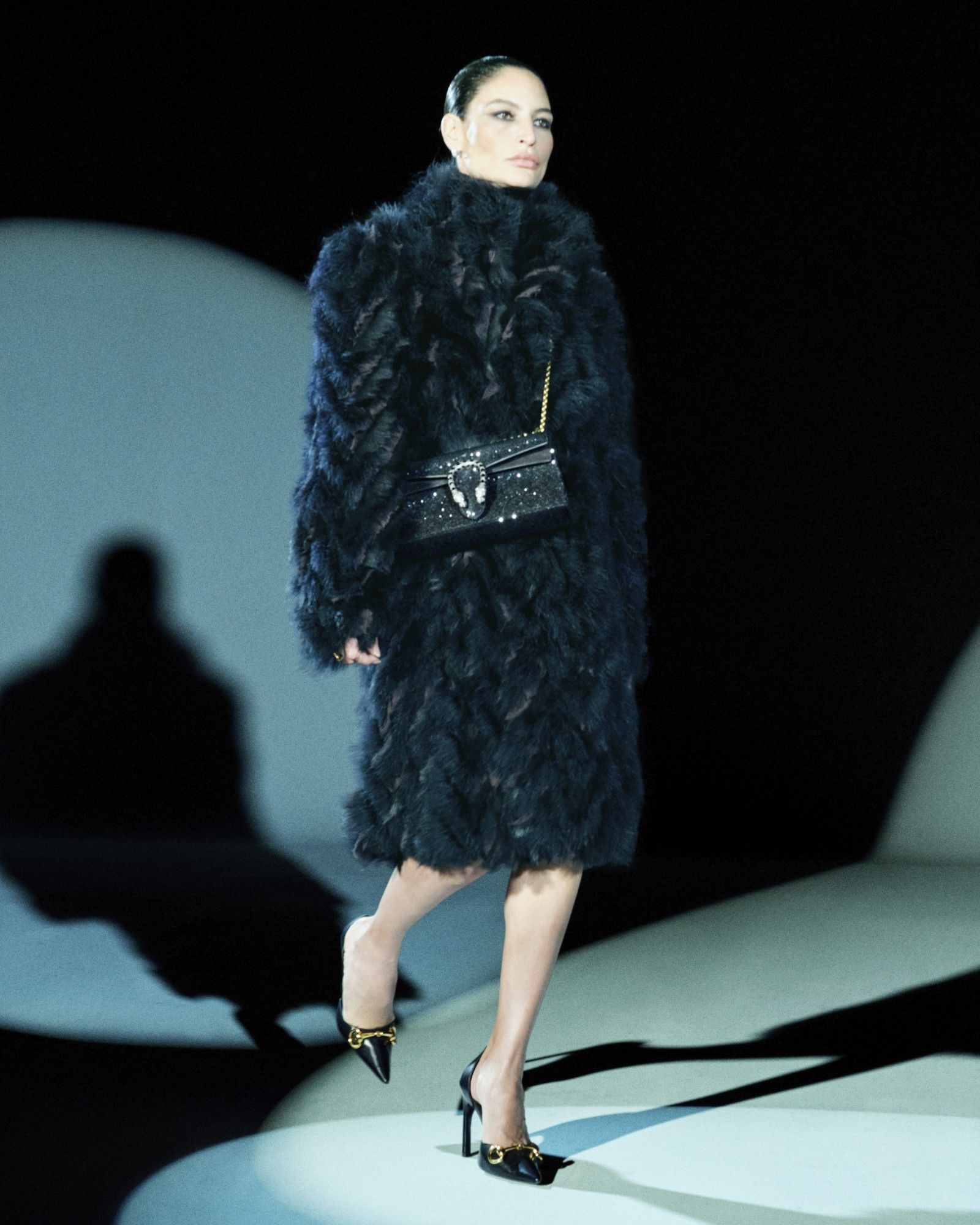
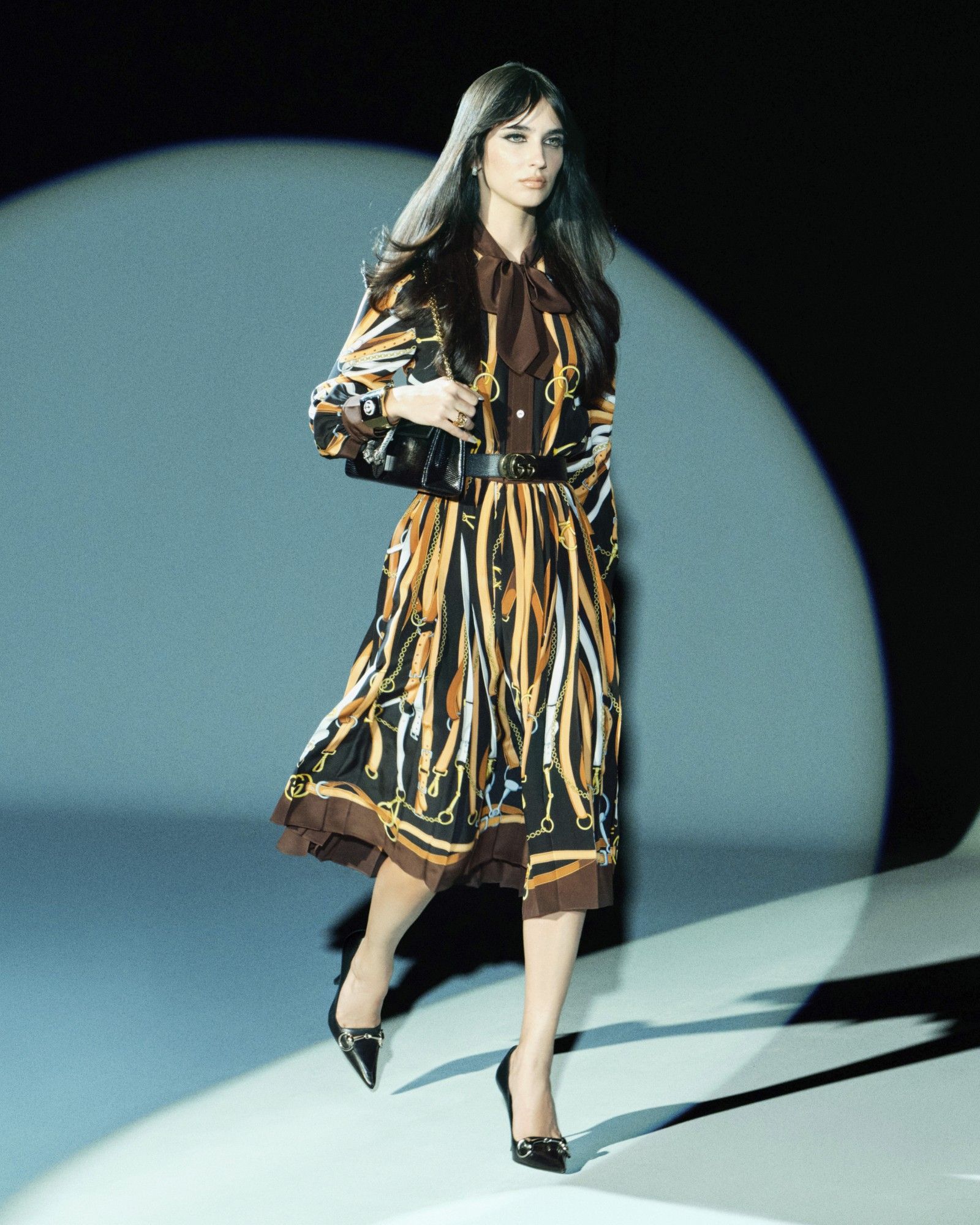
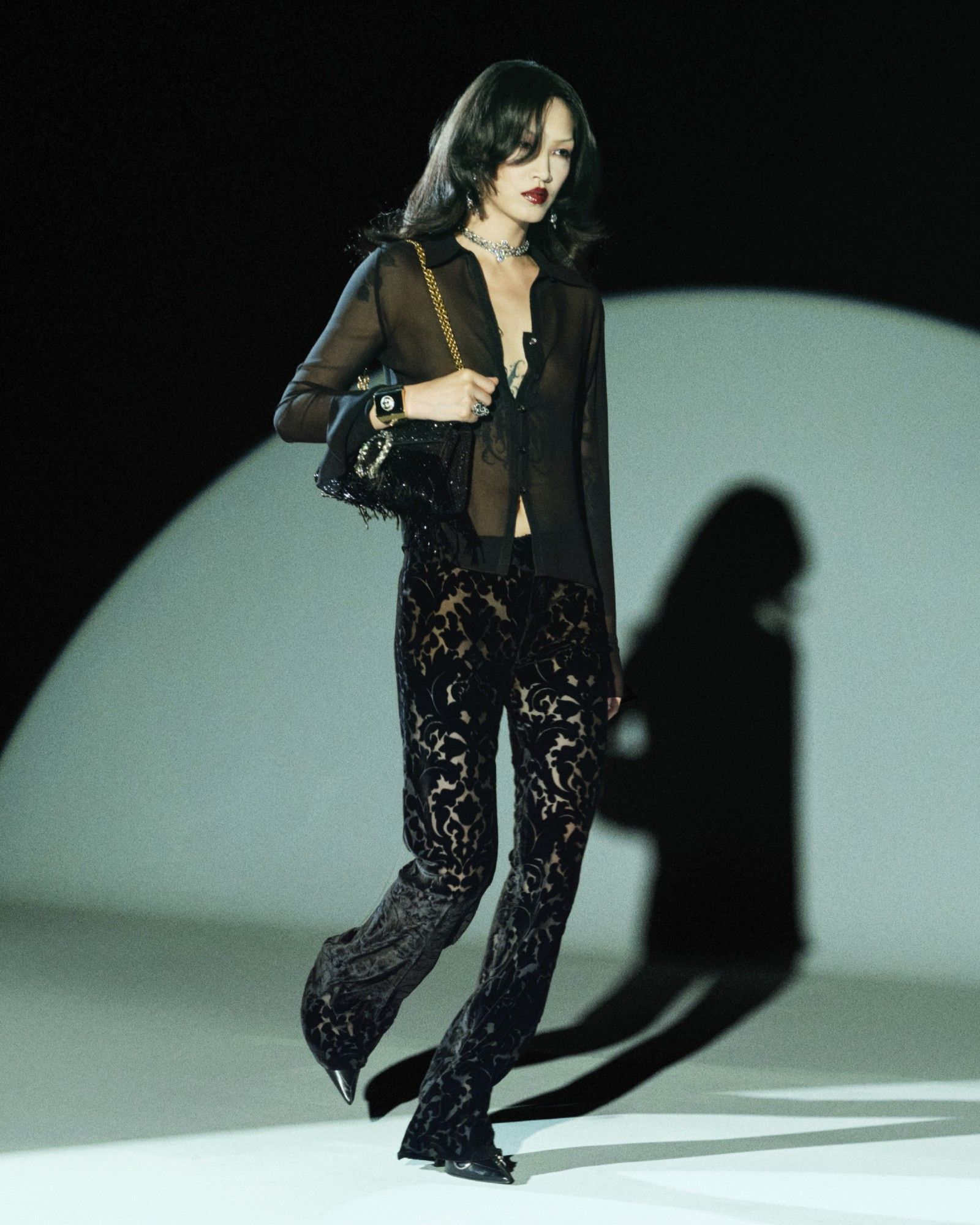
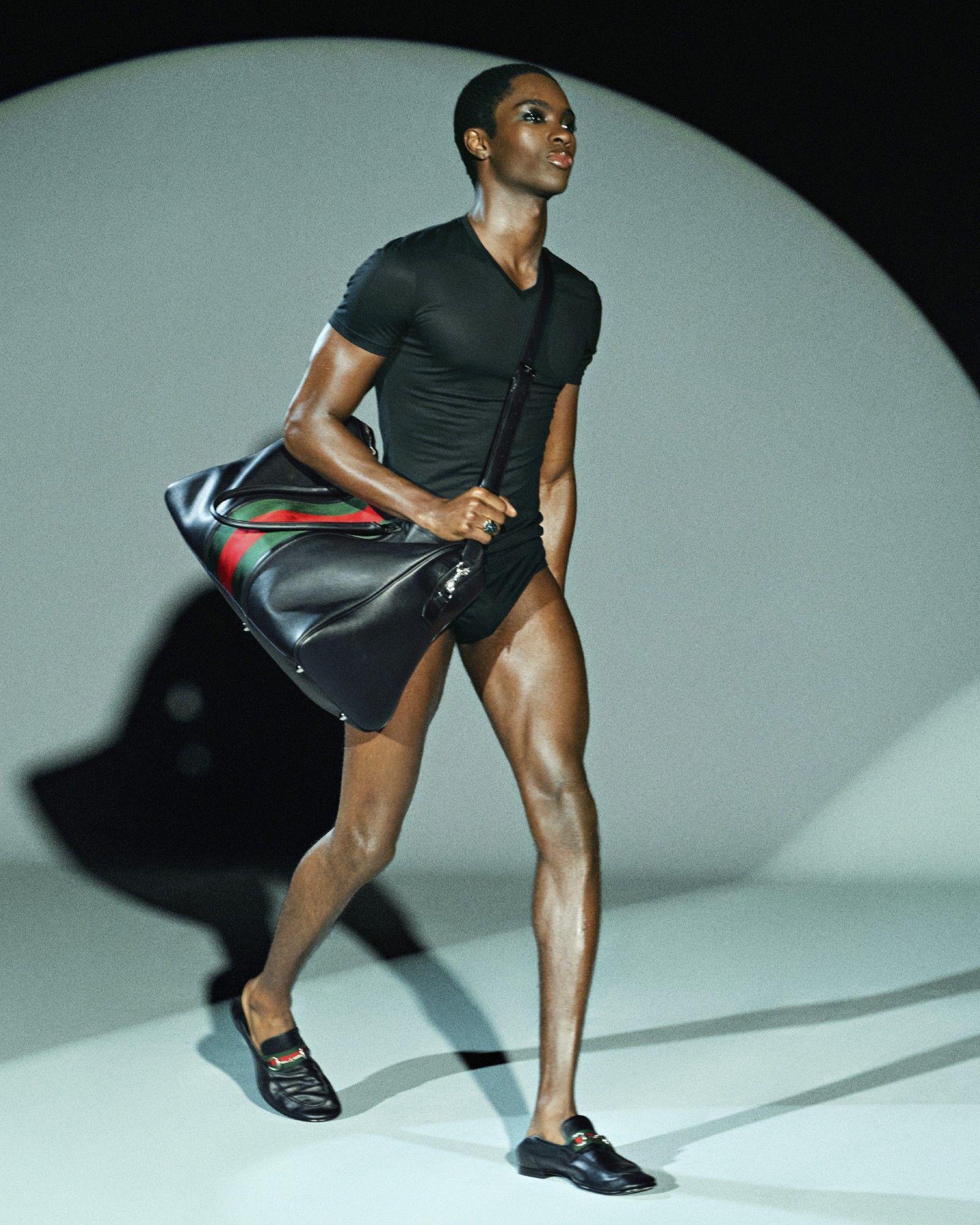
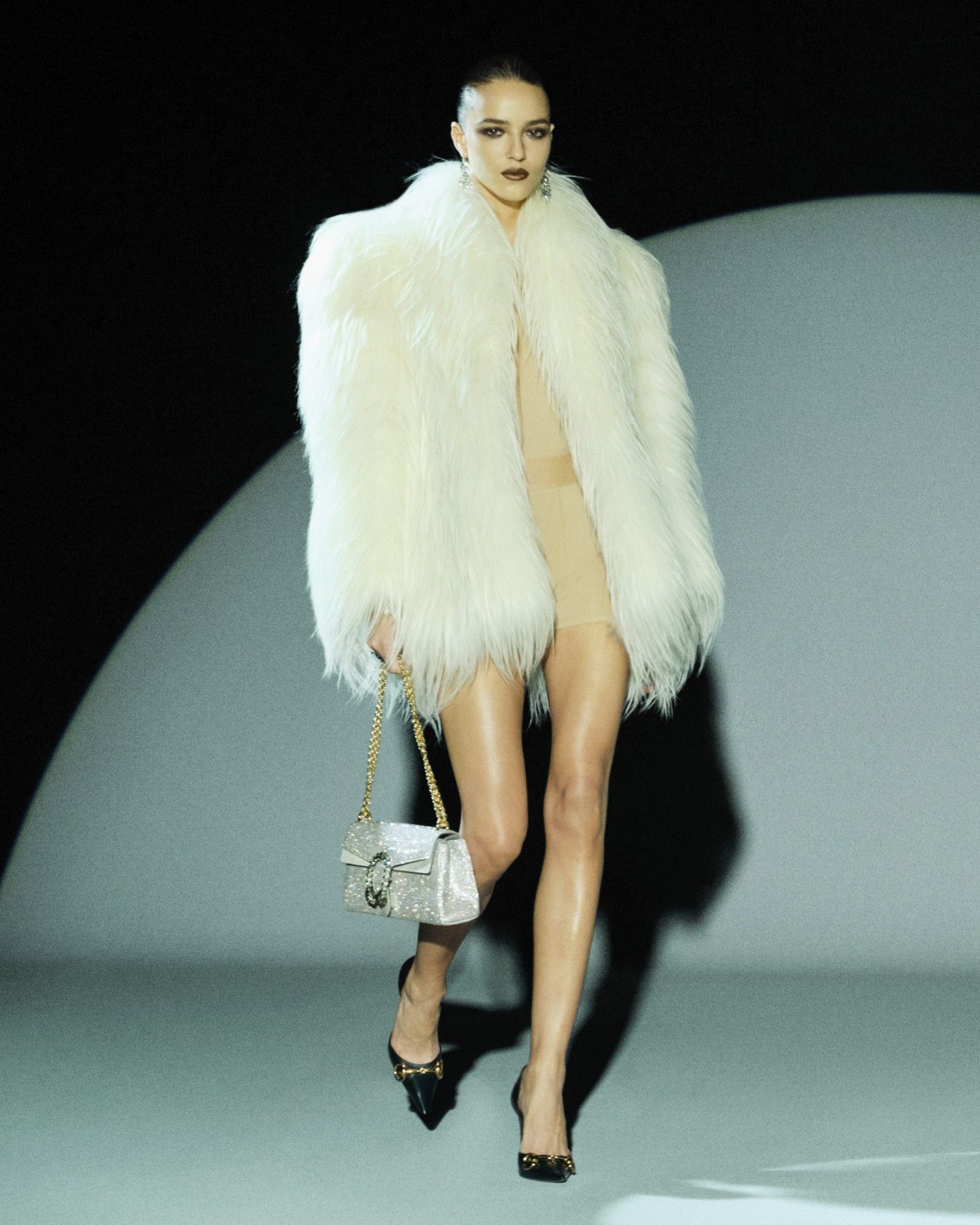
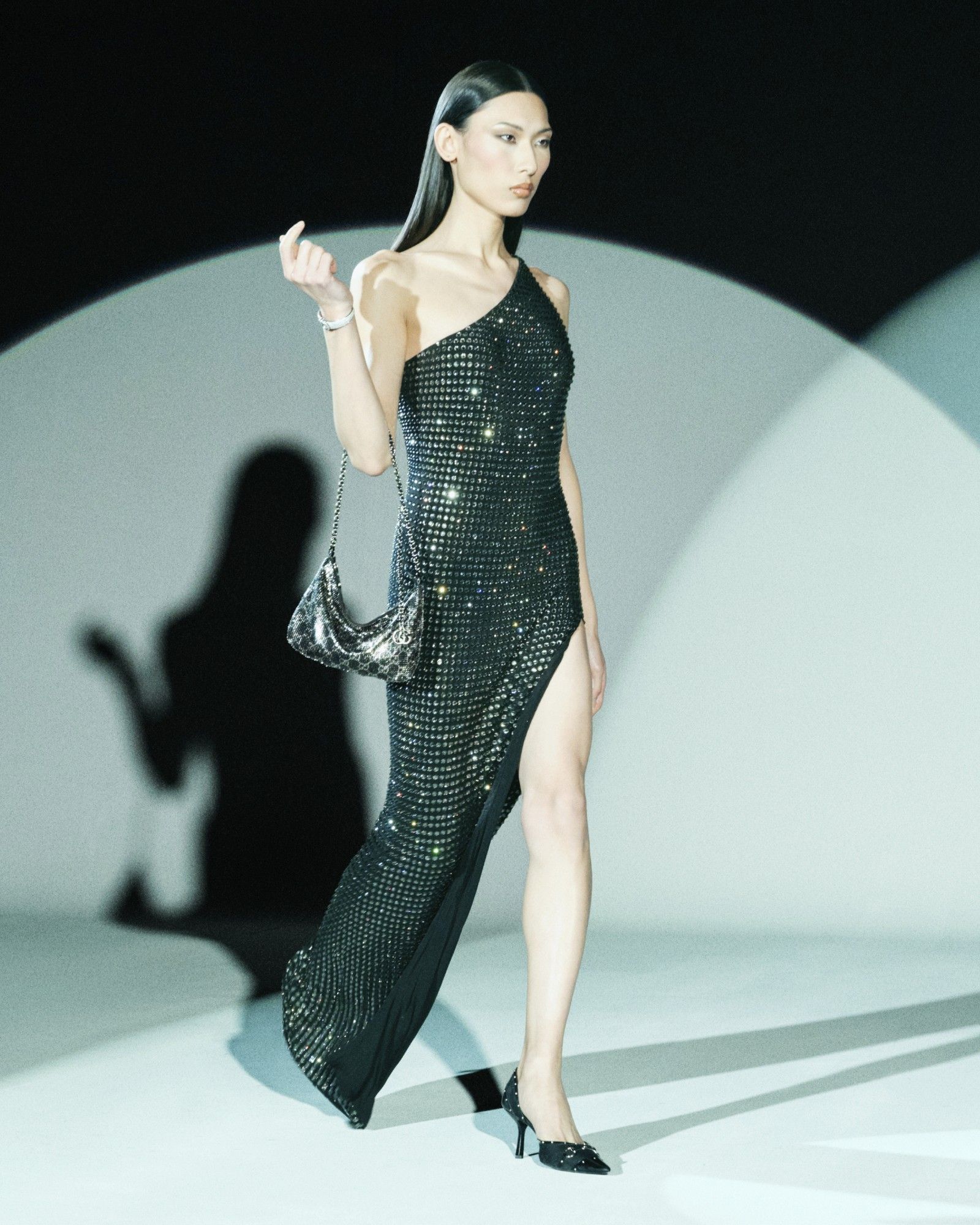
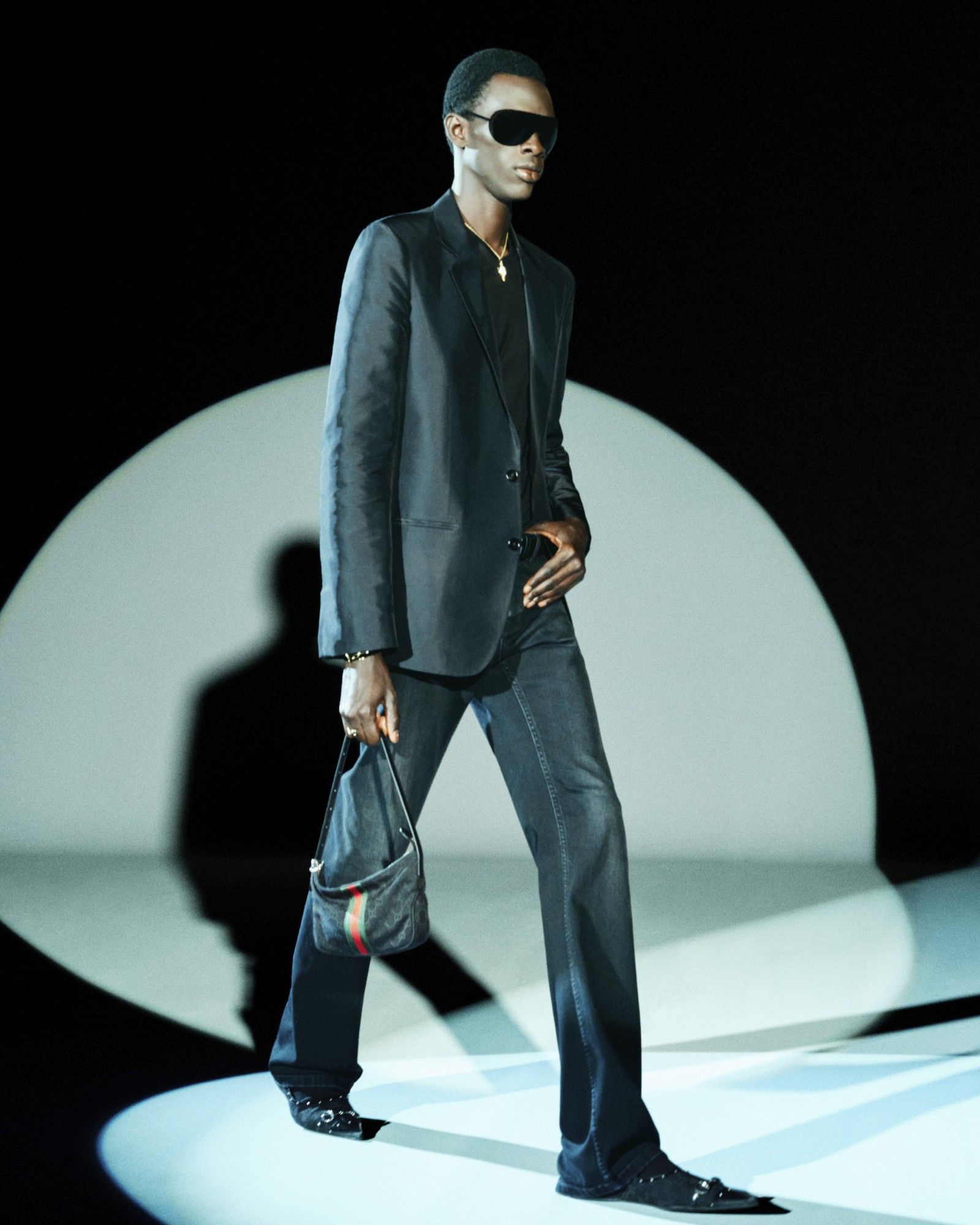
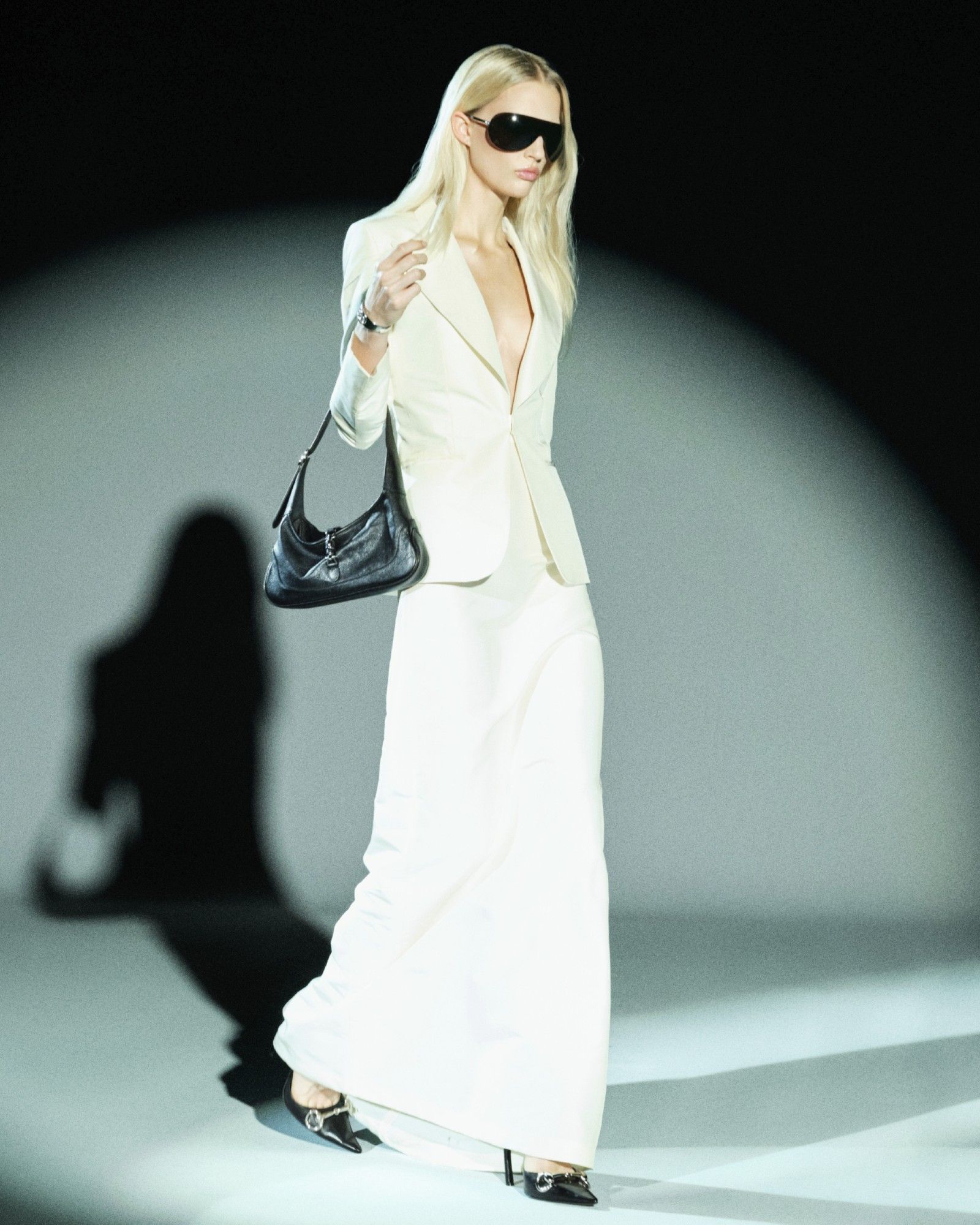
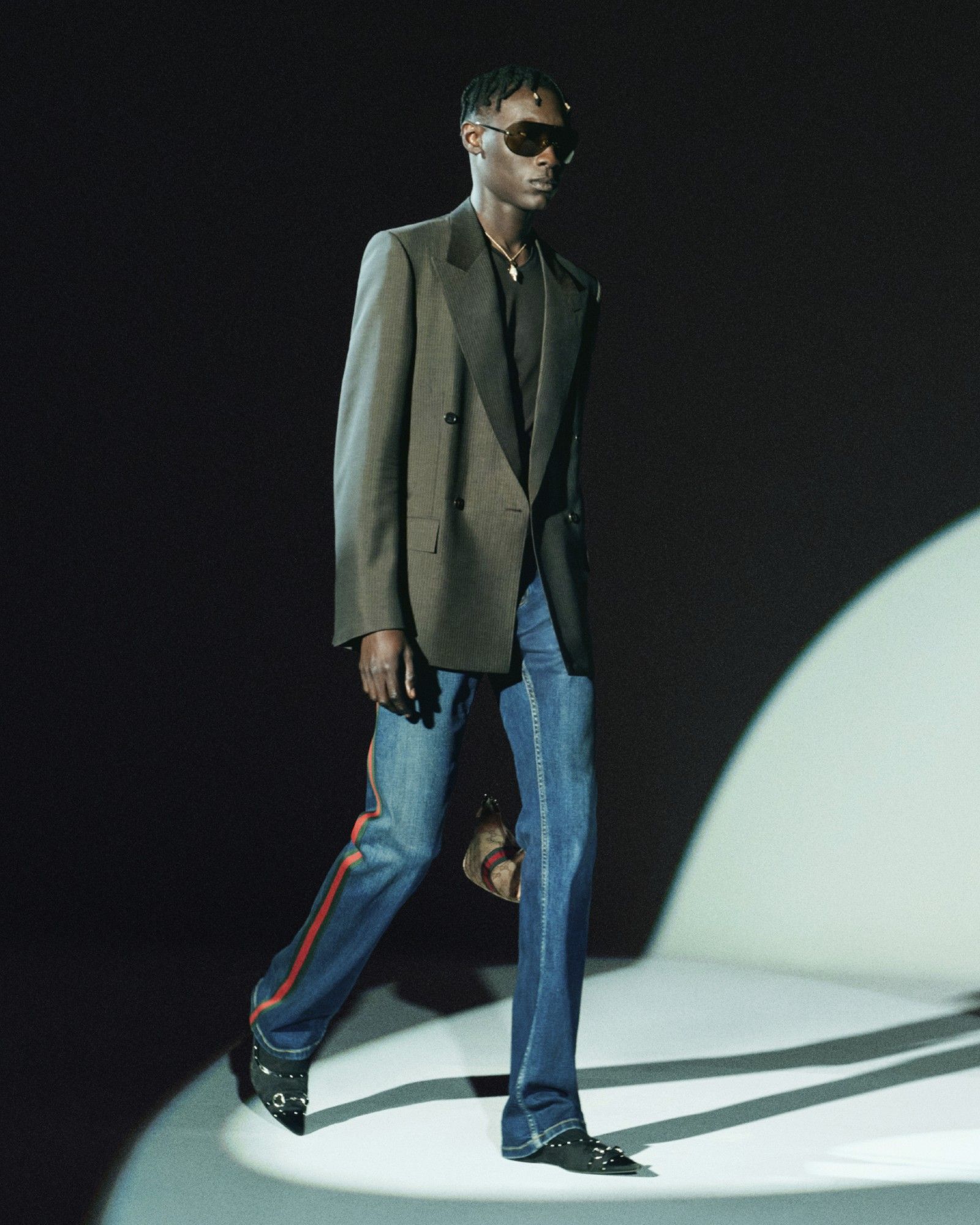
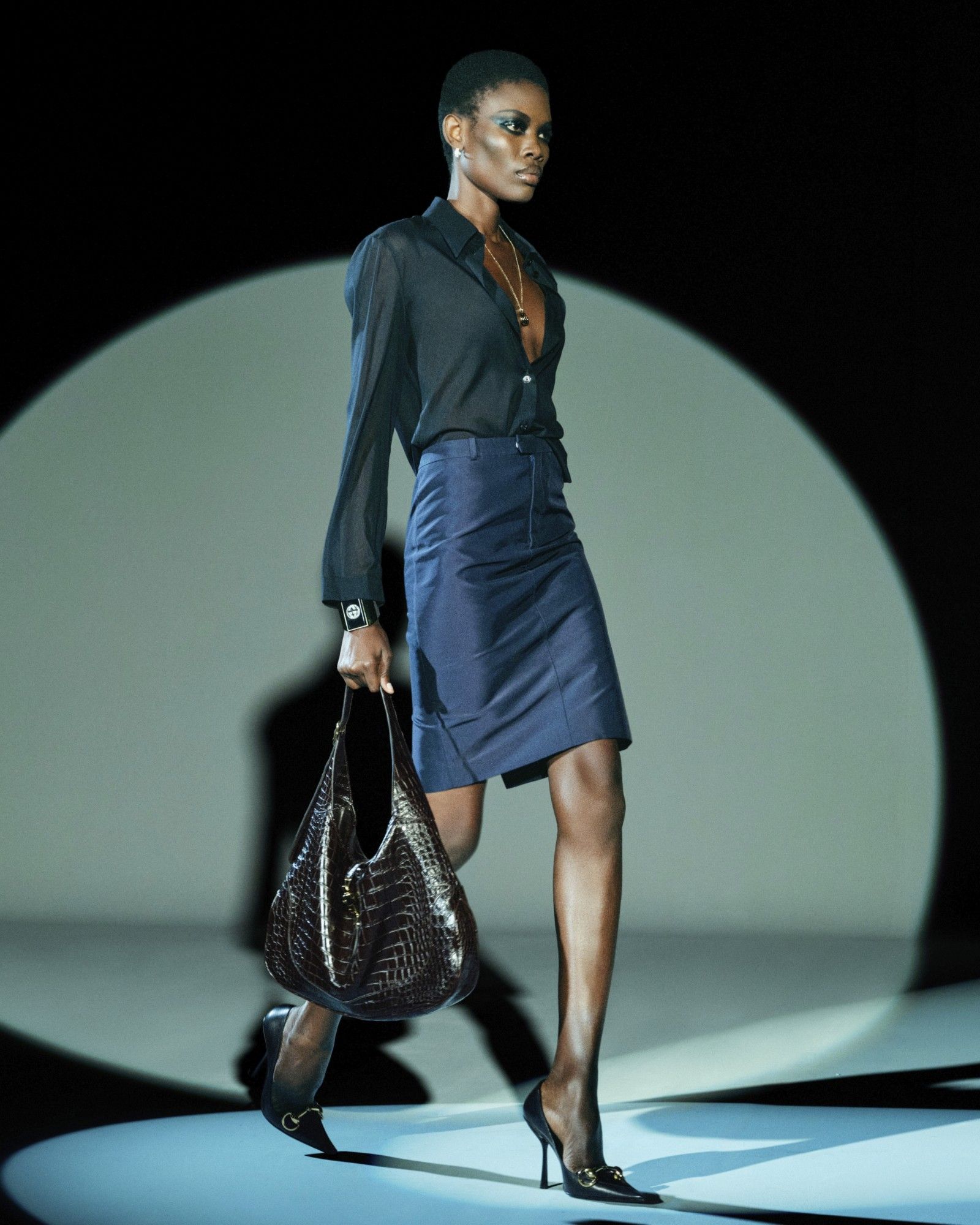
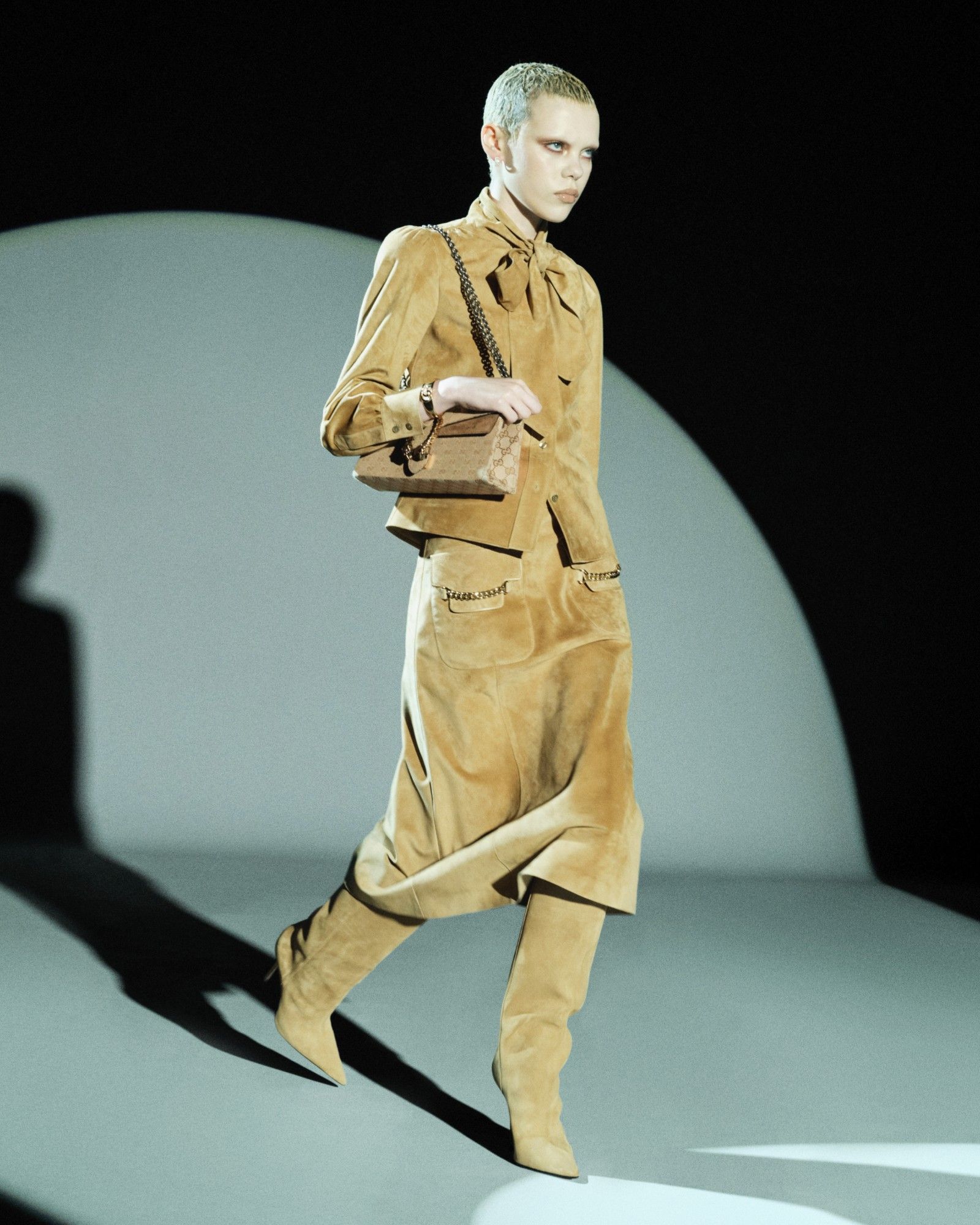
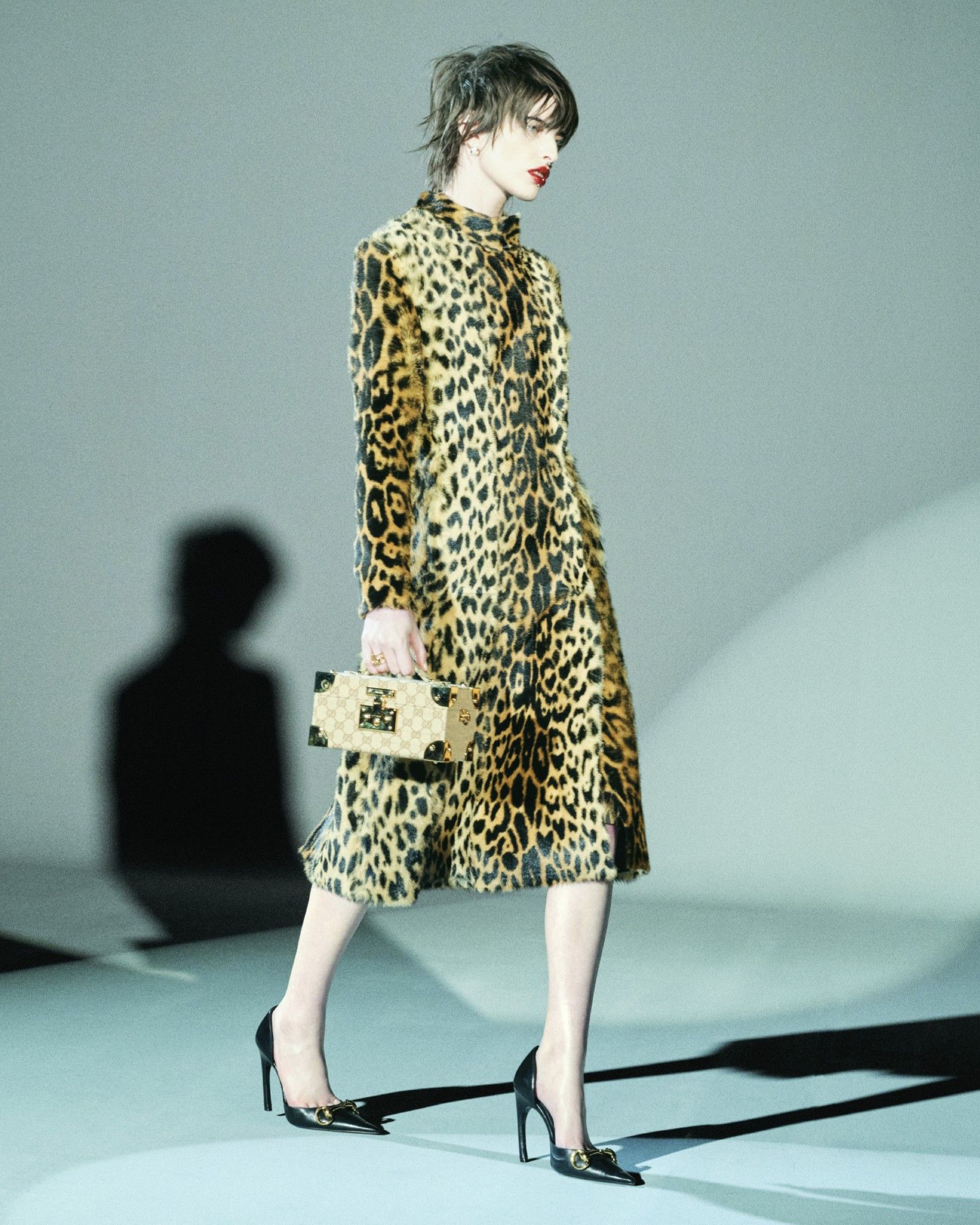
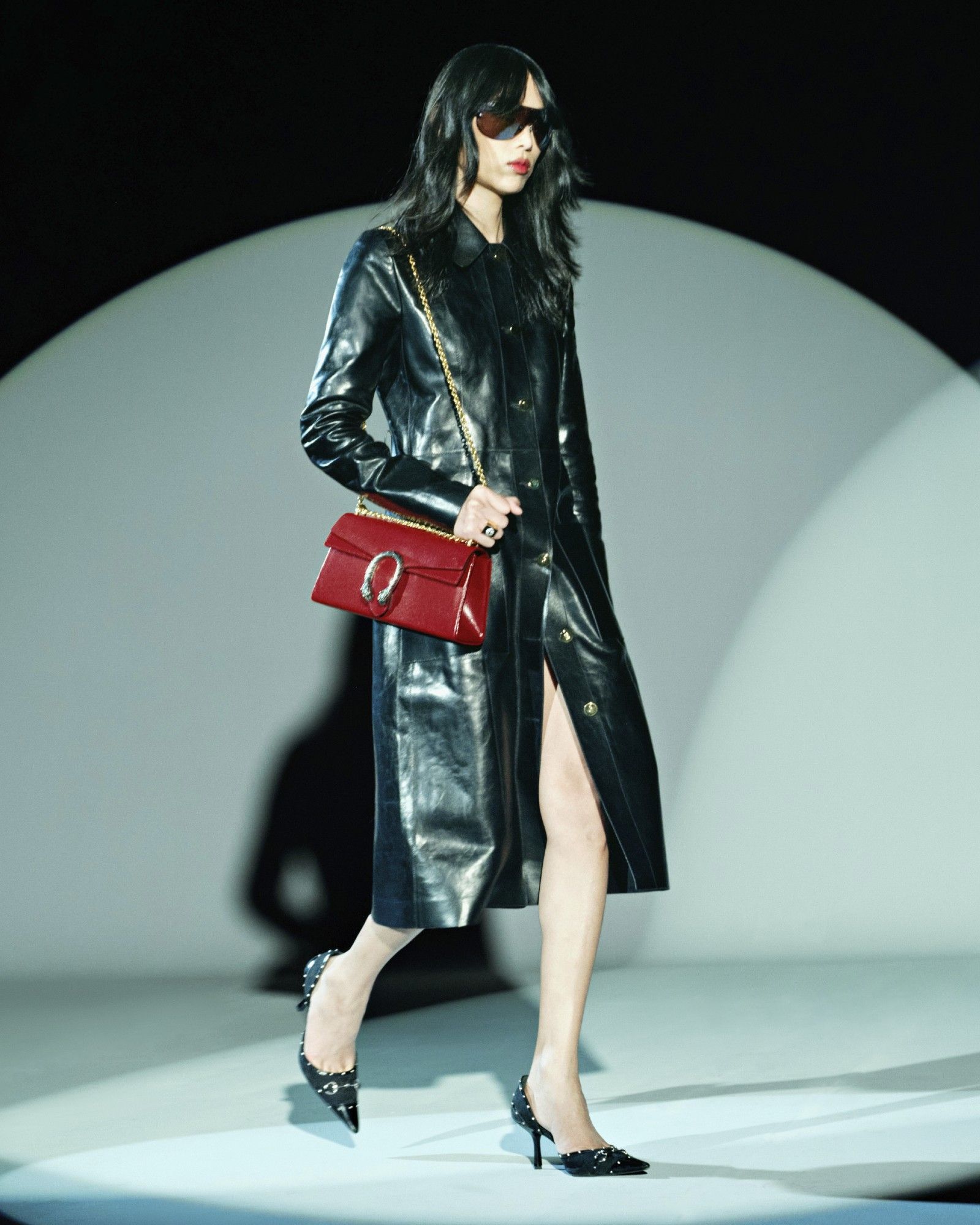
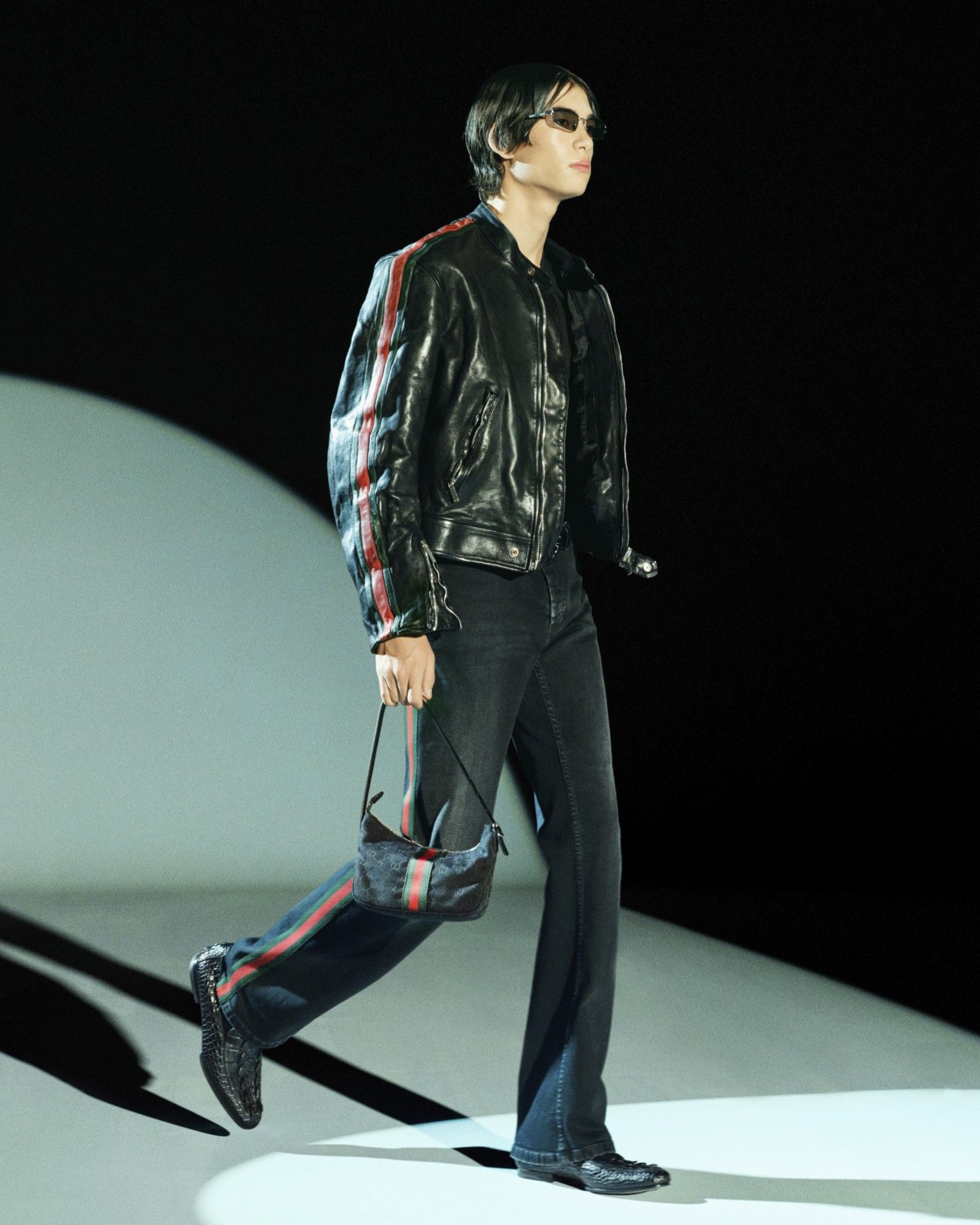
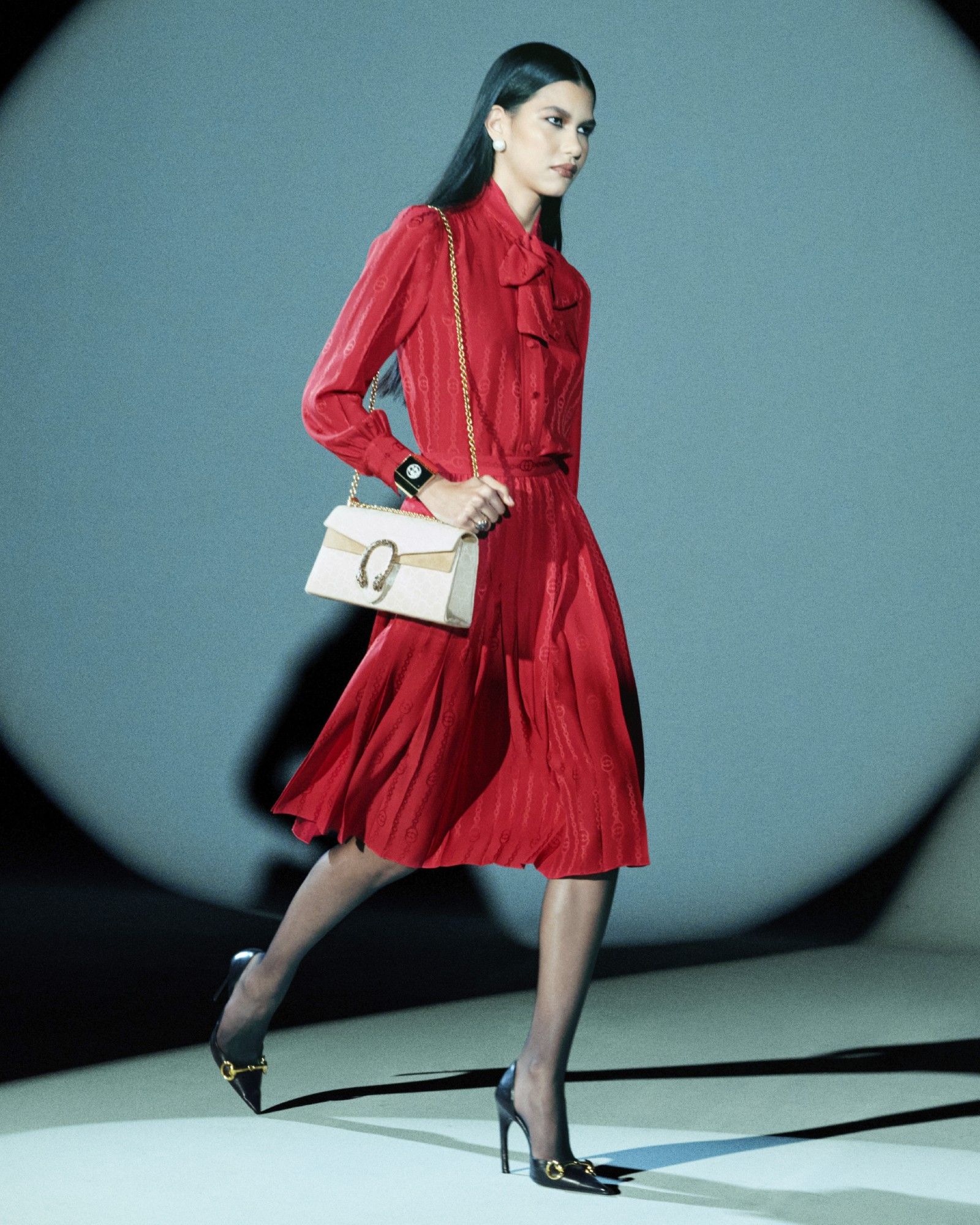
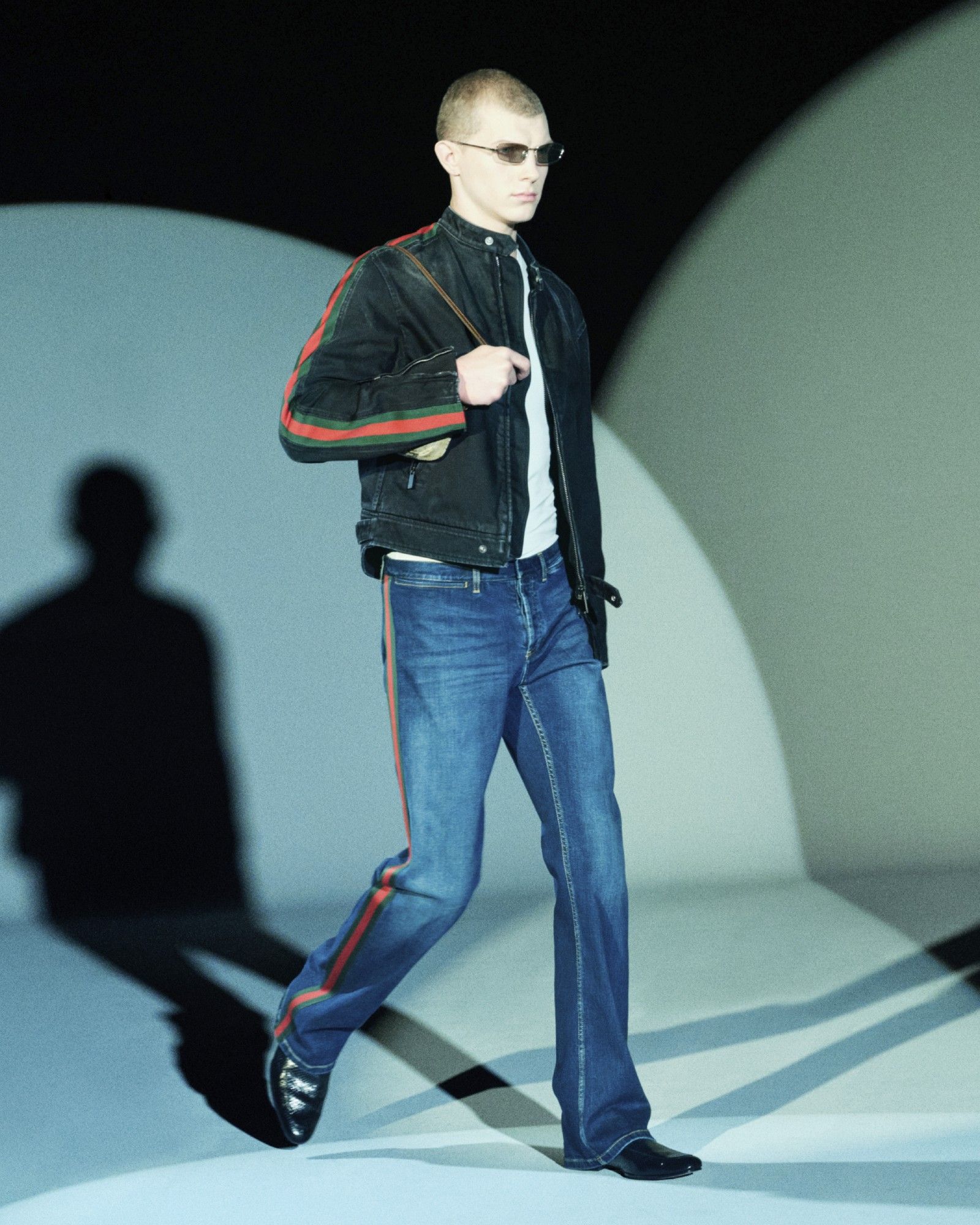
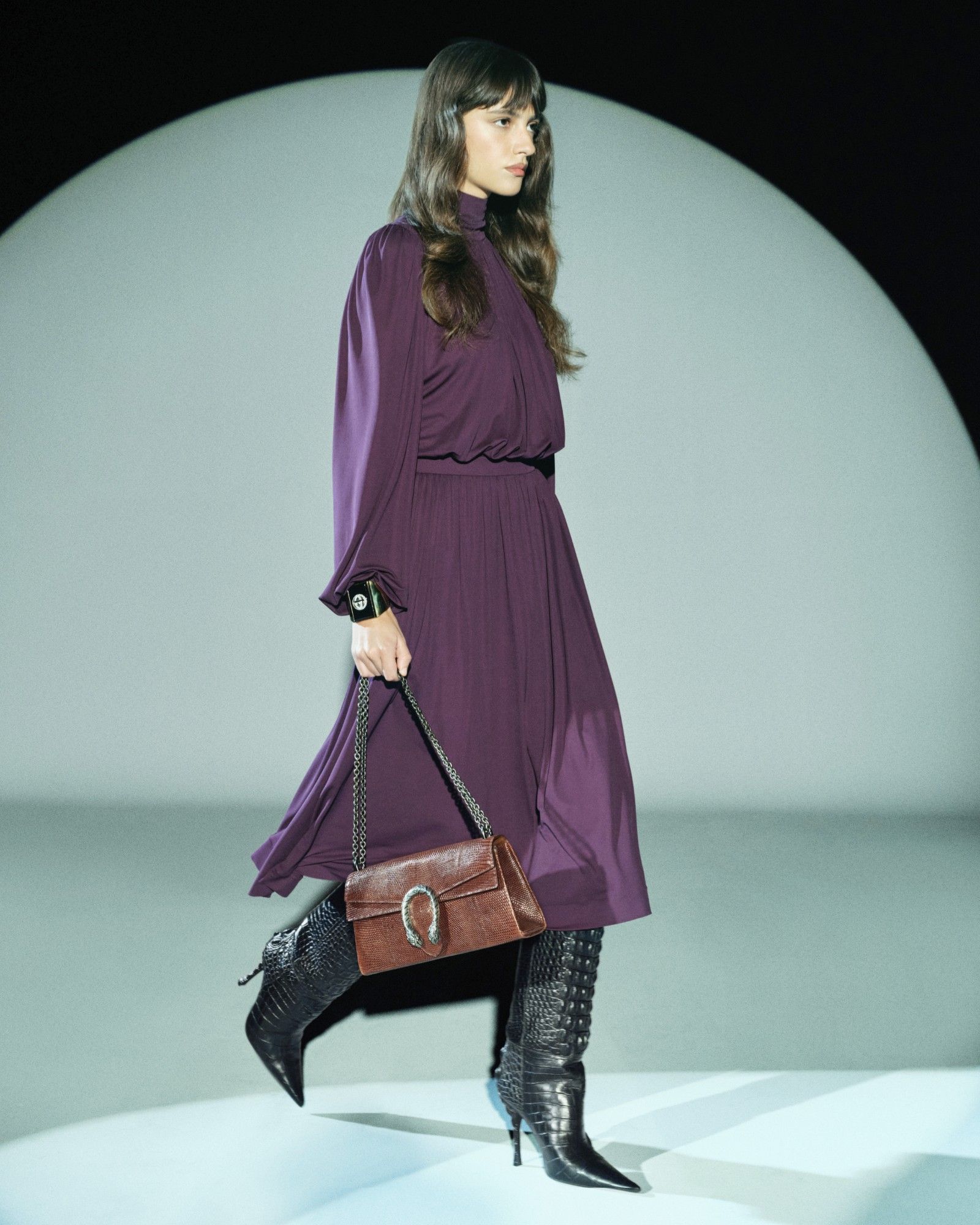
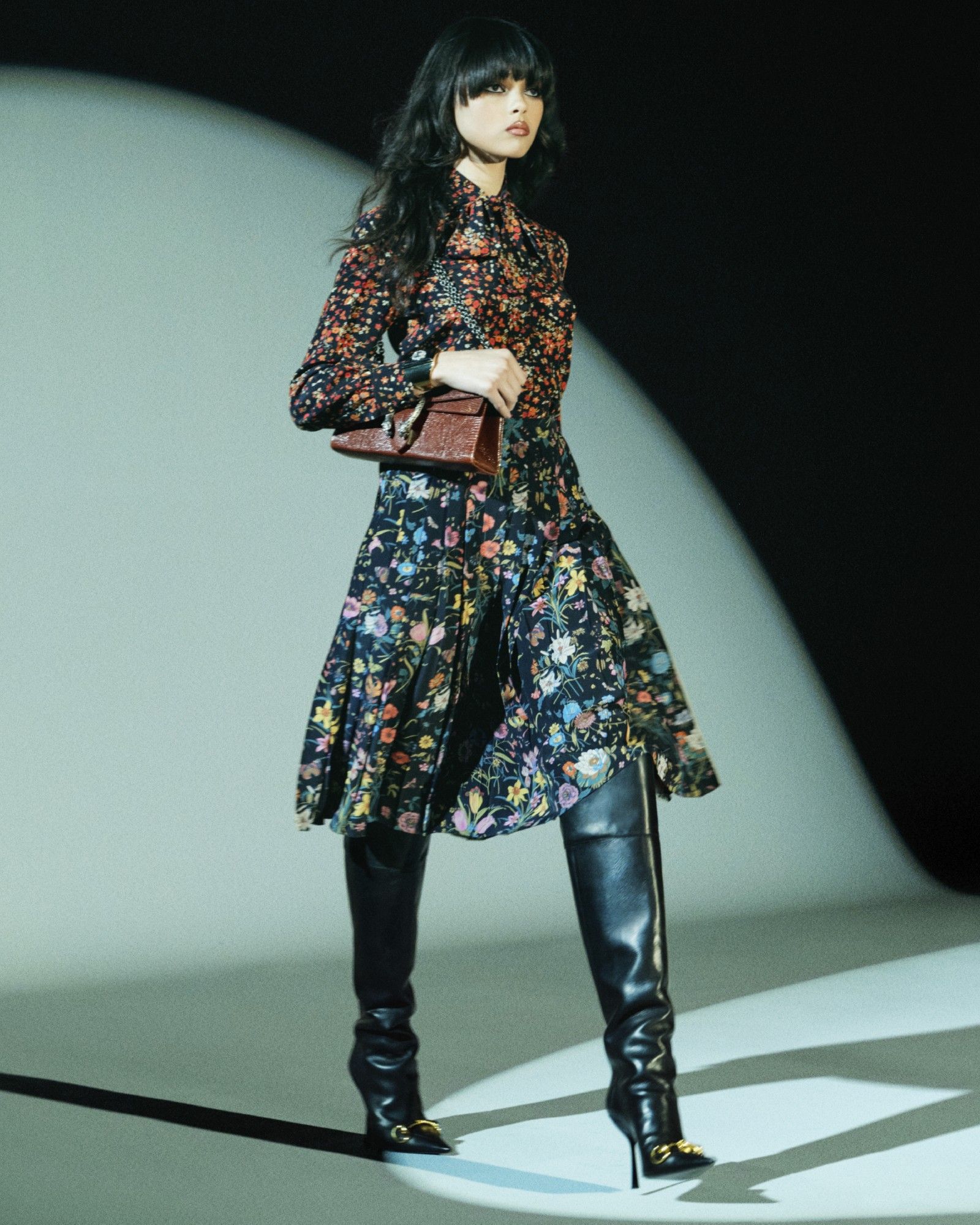
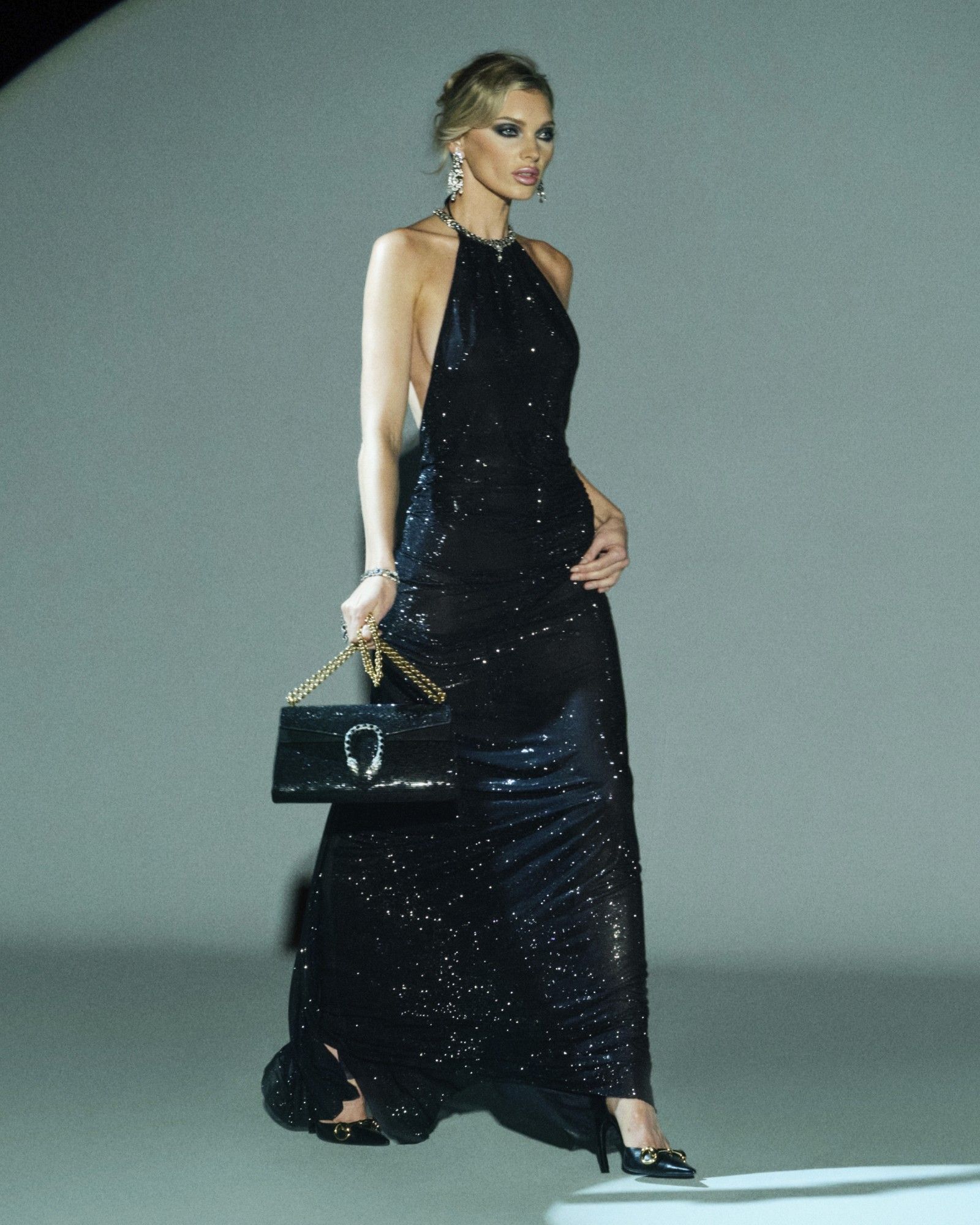
Courtesy of Gucci.
Courtesy of Gucci.
Courtesy of Gucci.
Ferrari Pre-Fall 2026
Ferrari Pre-Fall 2026
Ferrari Pre-Fall 2026
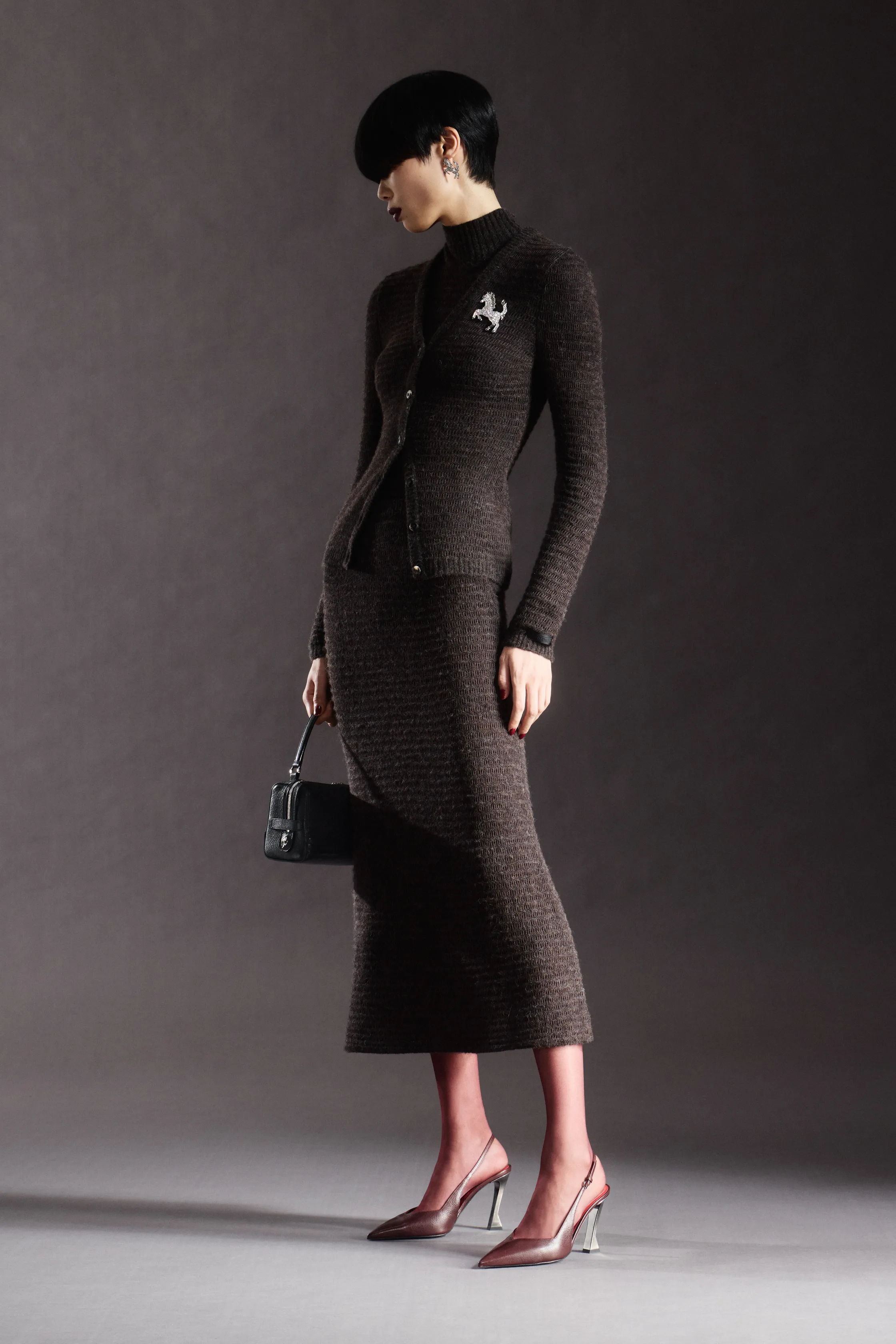
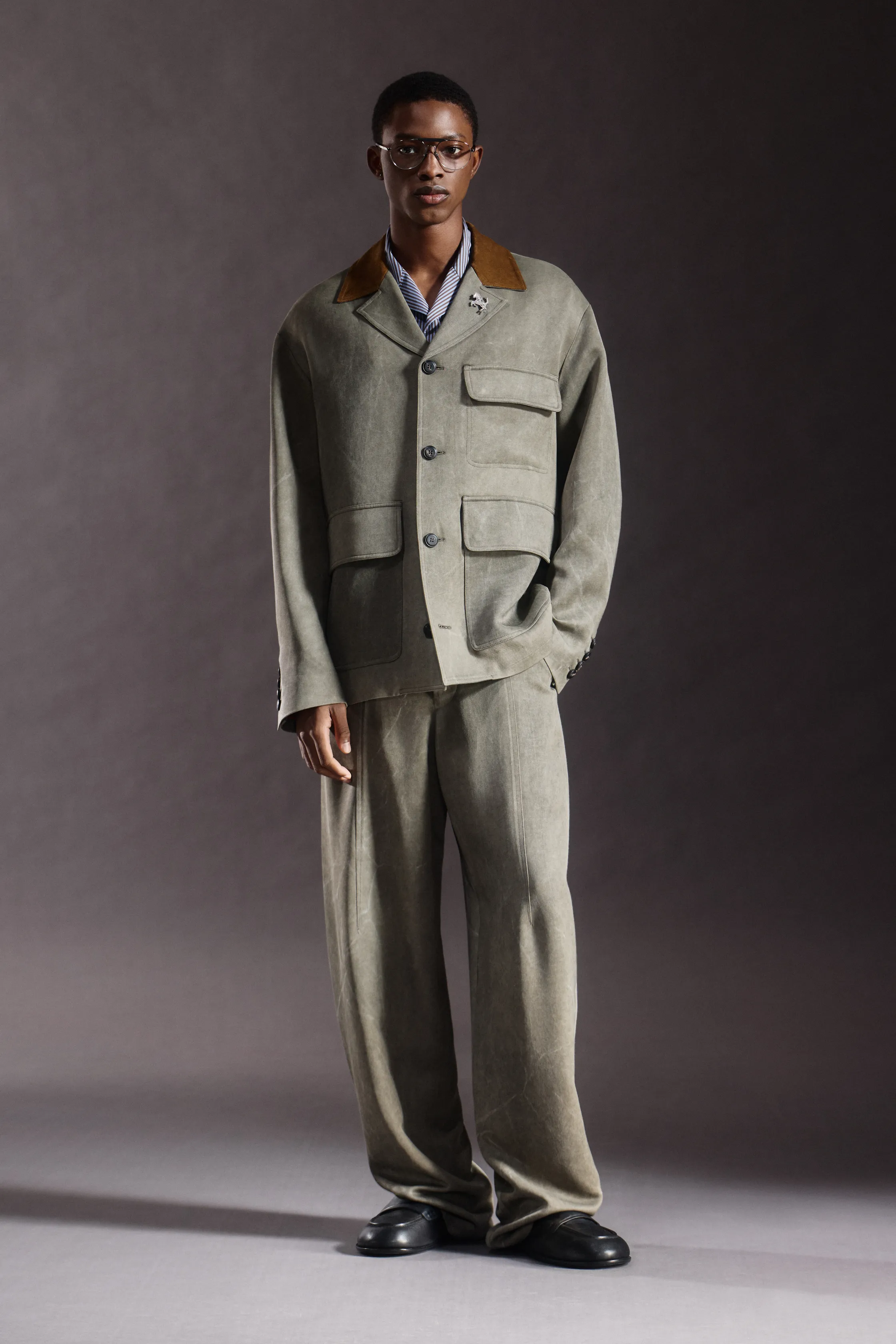
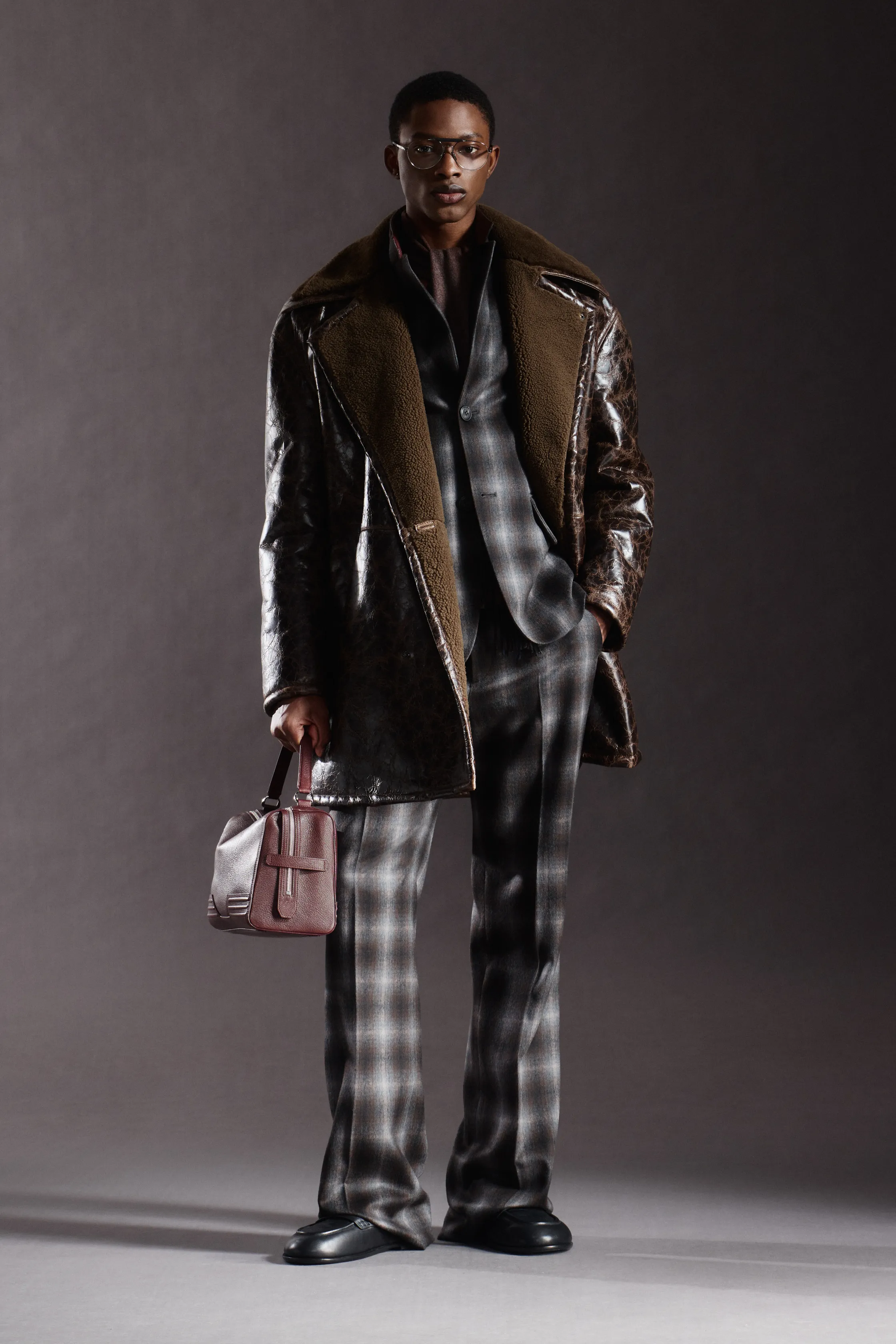
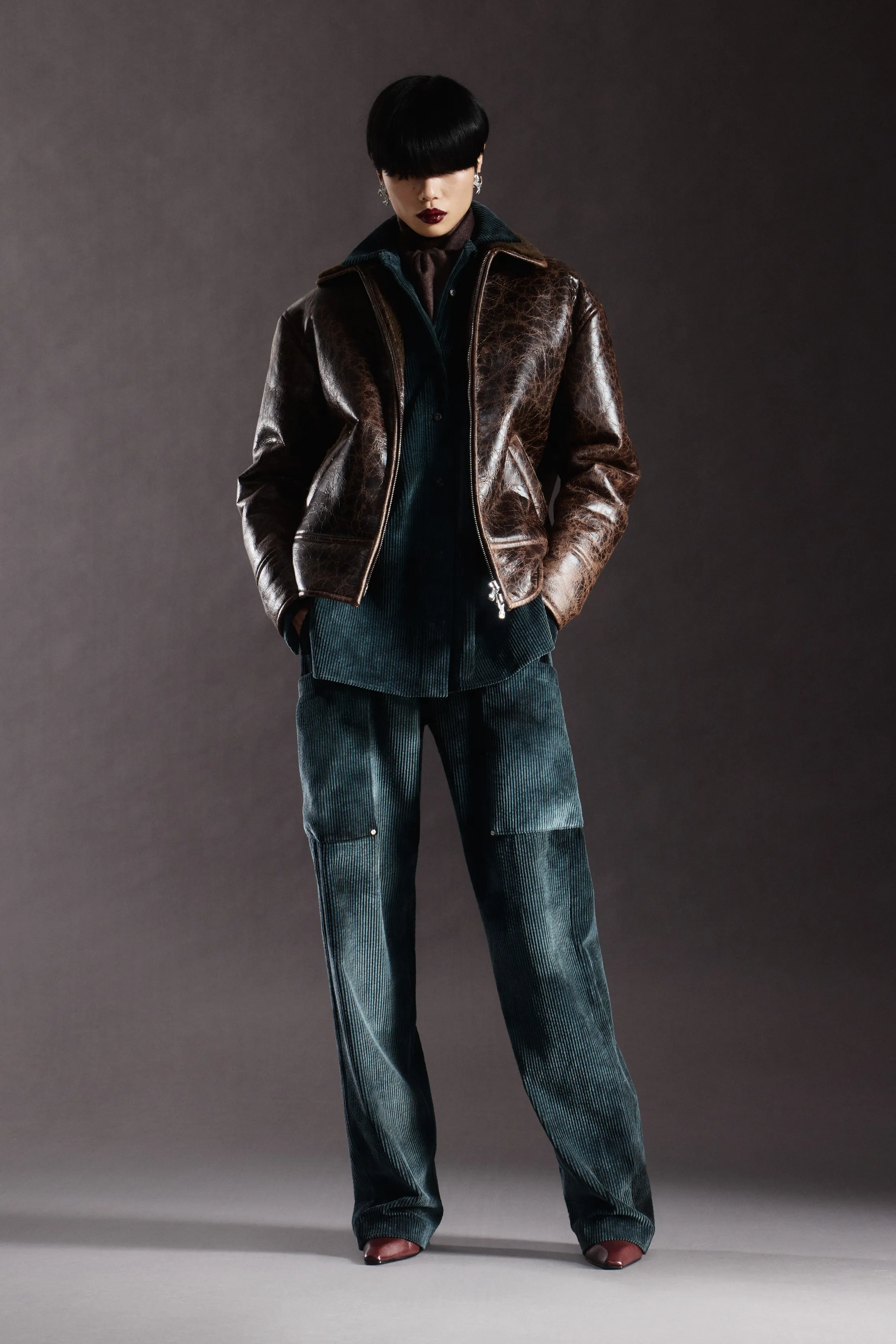
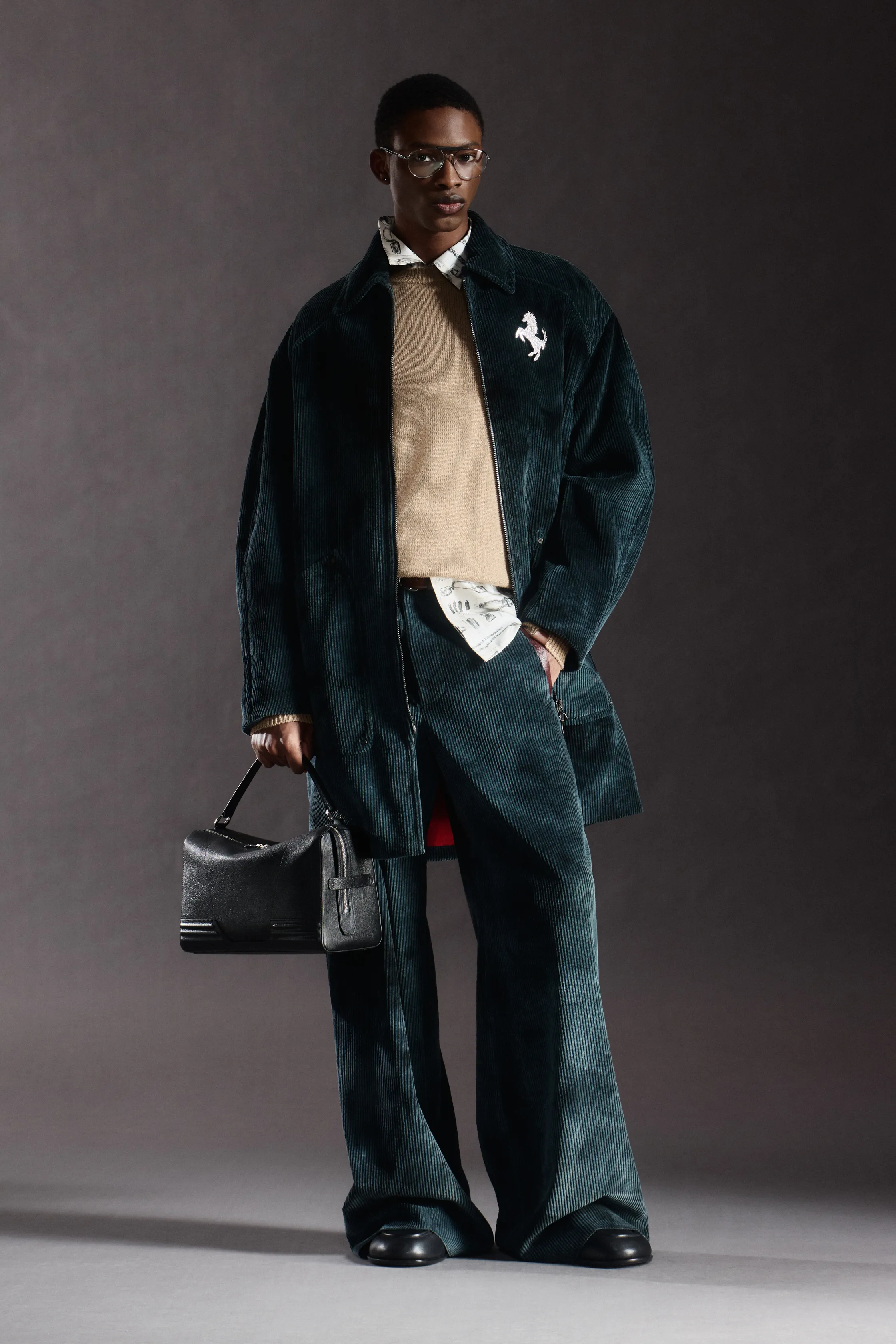
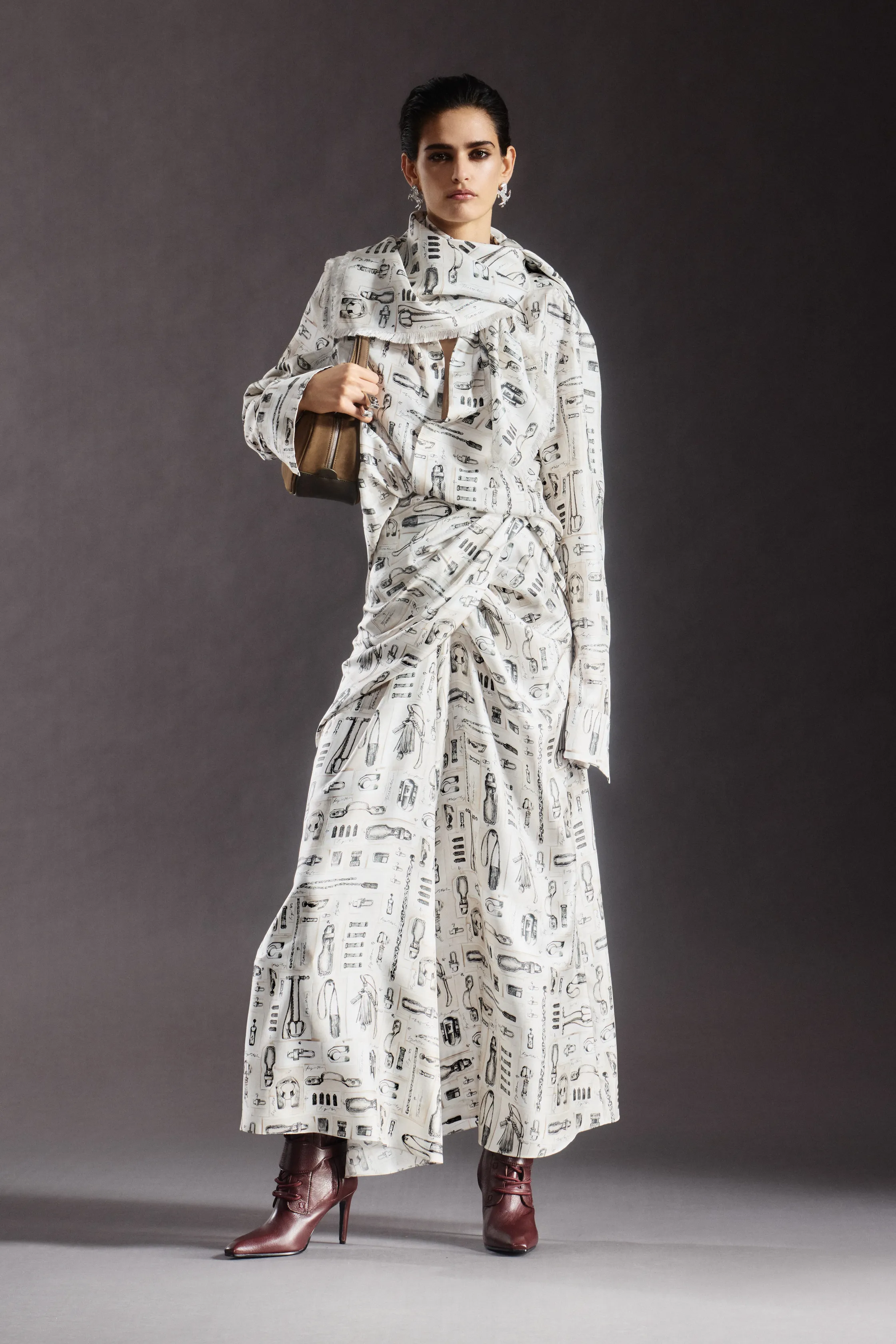
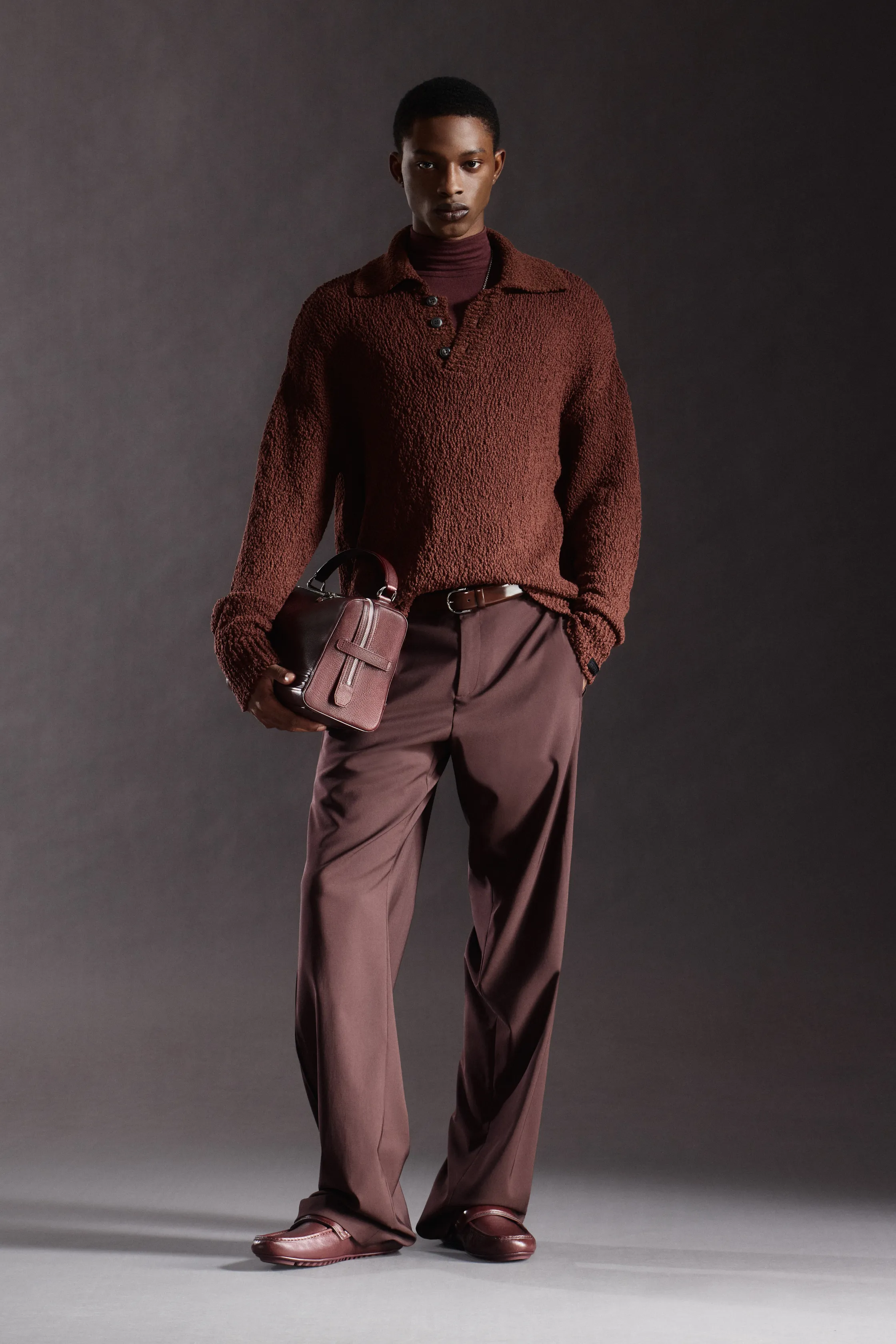
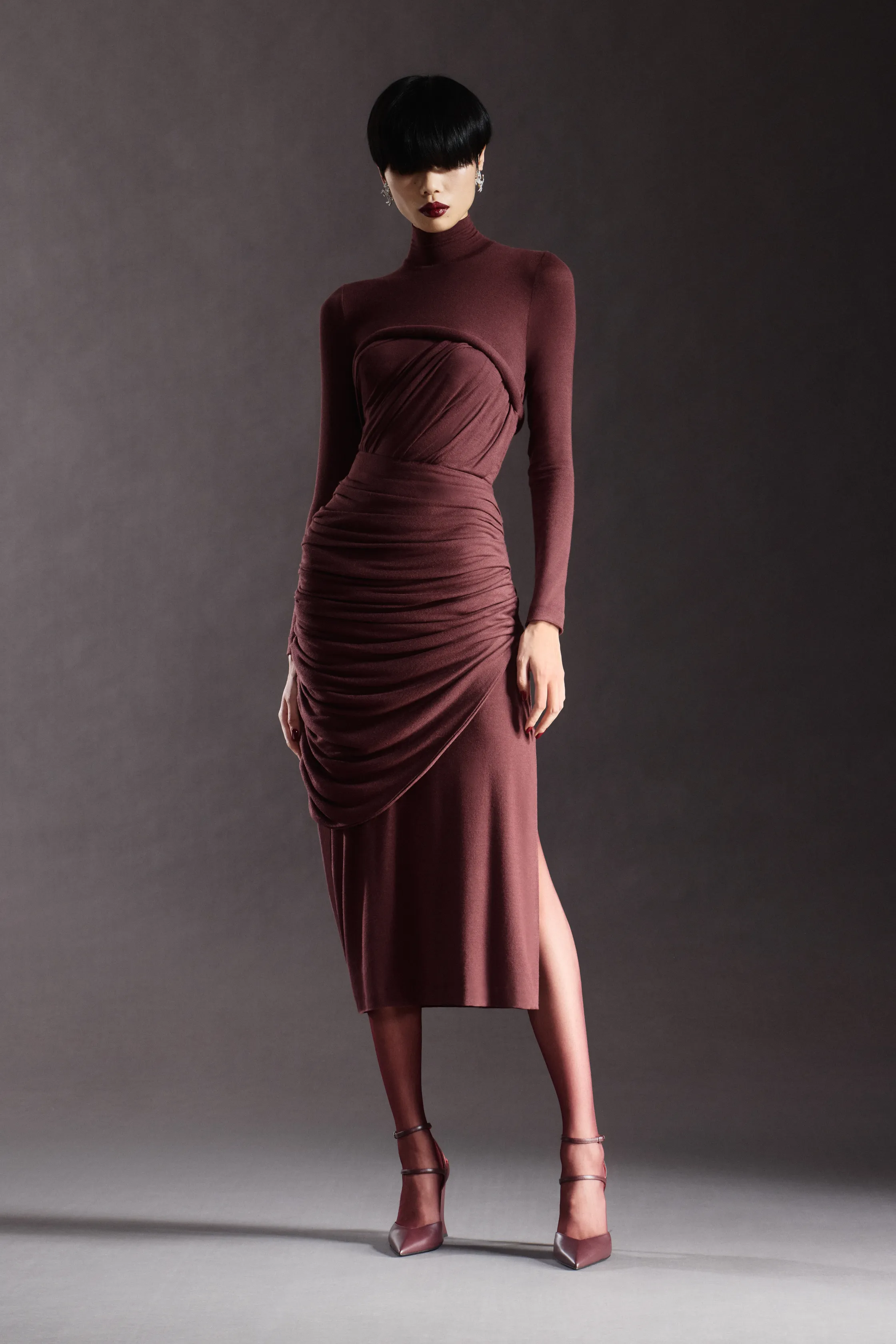
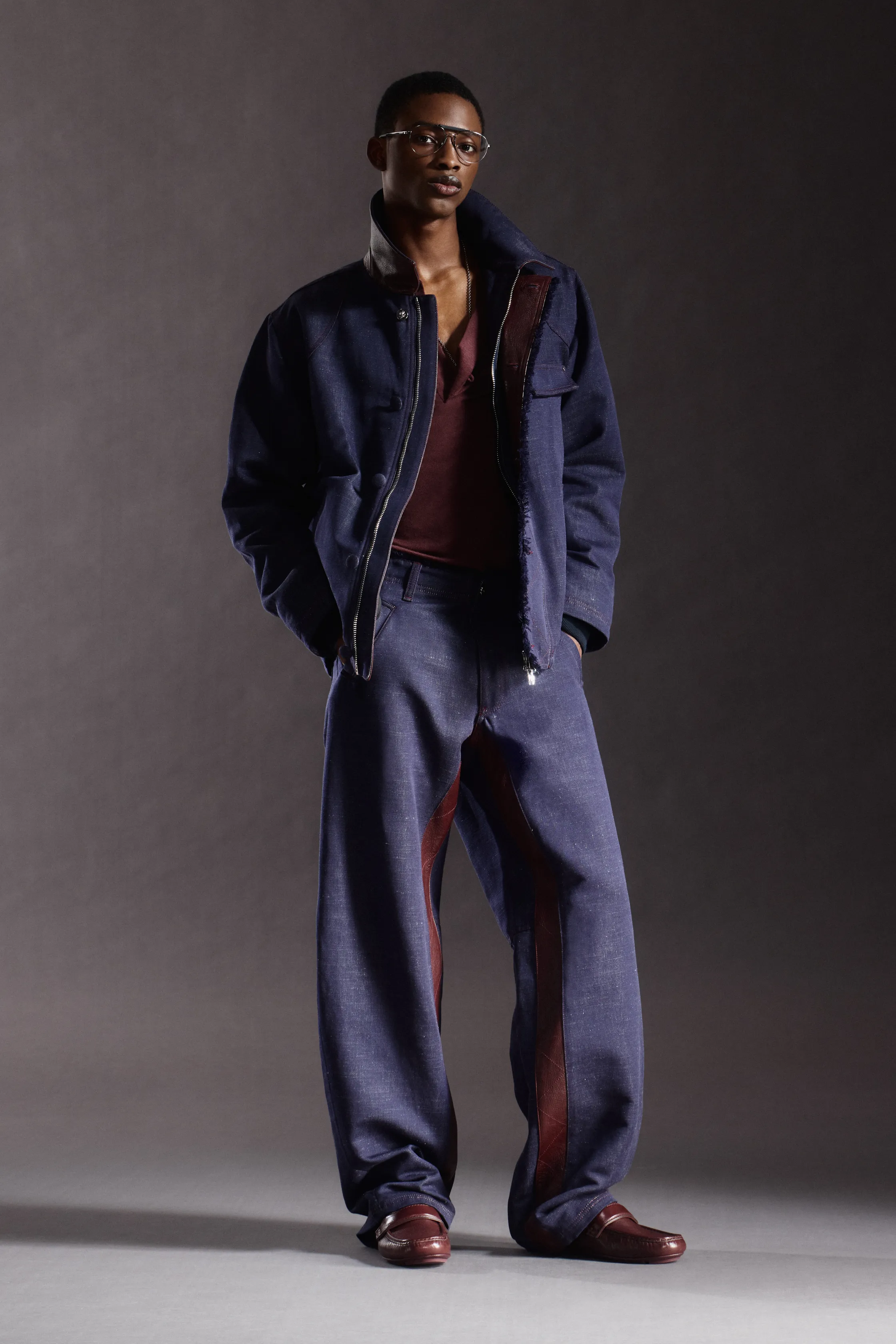
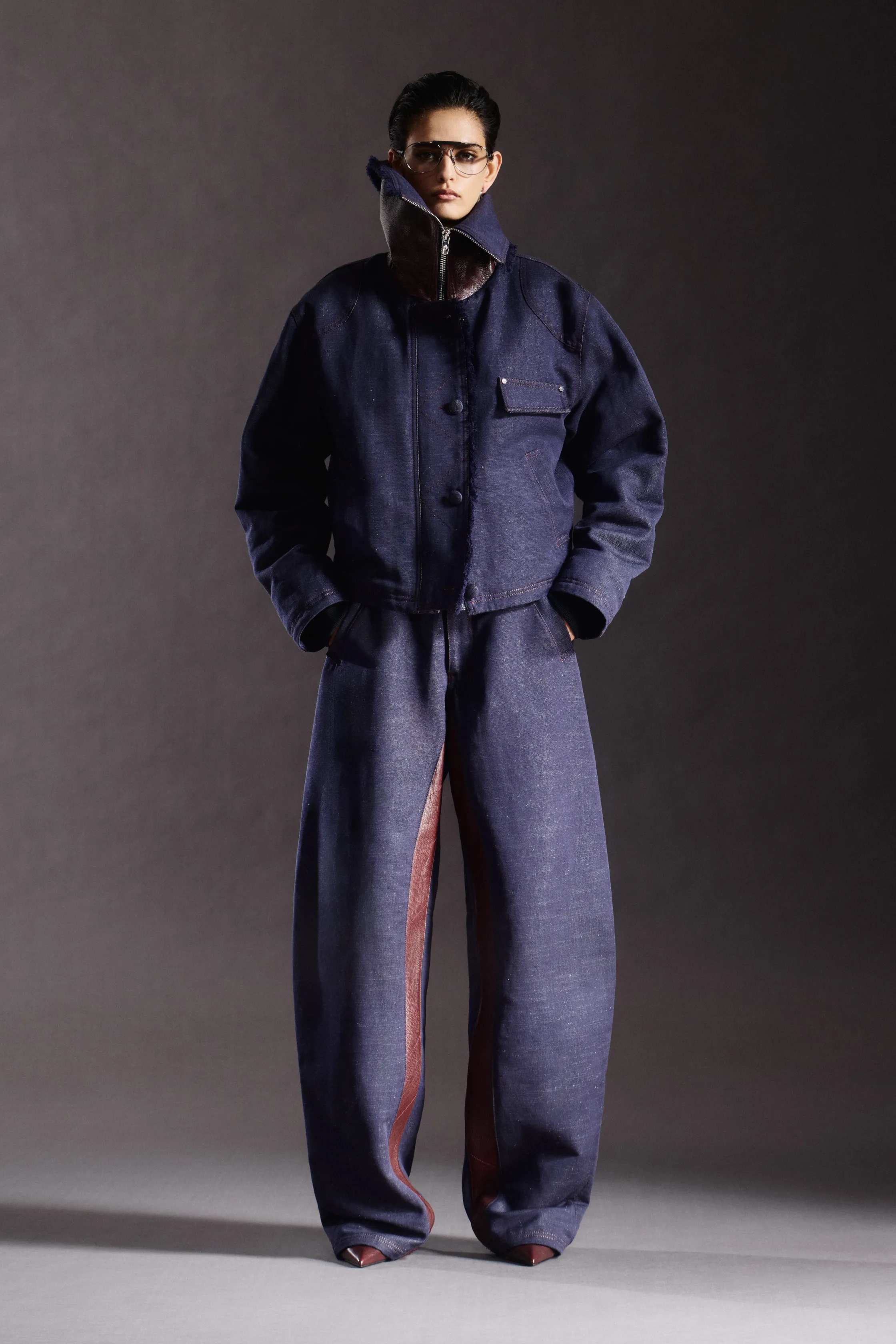
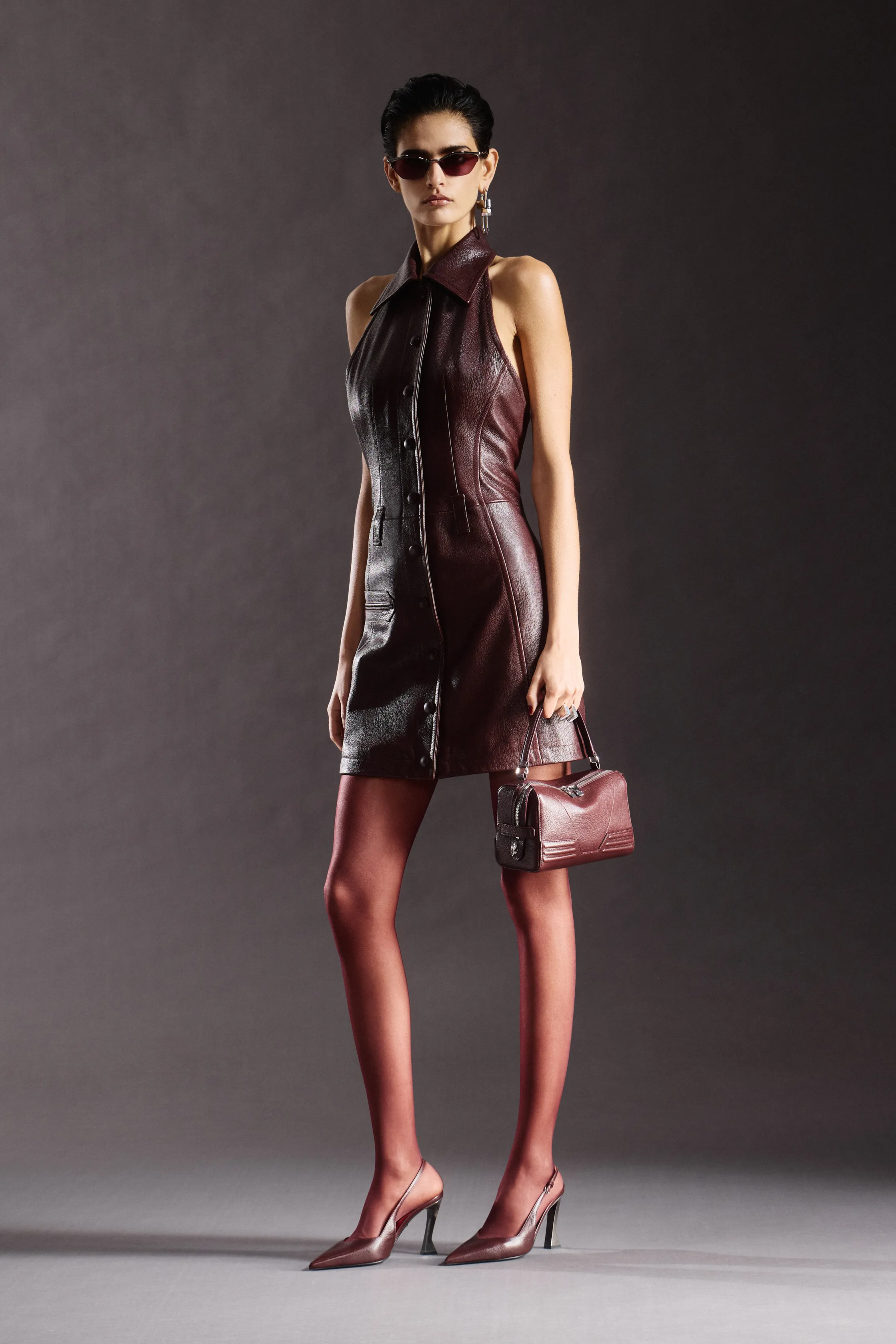
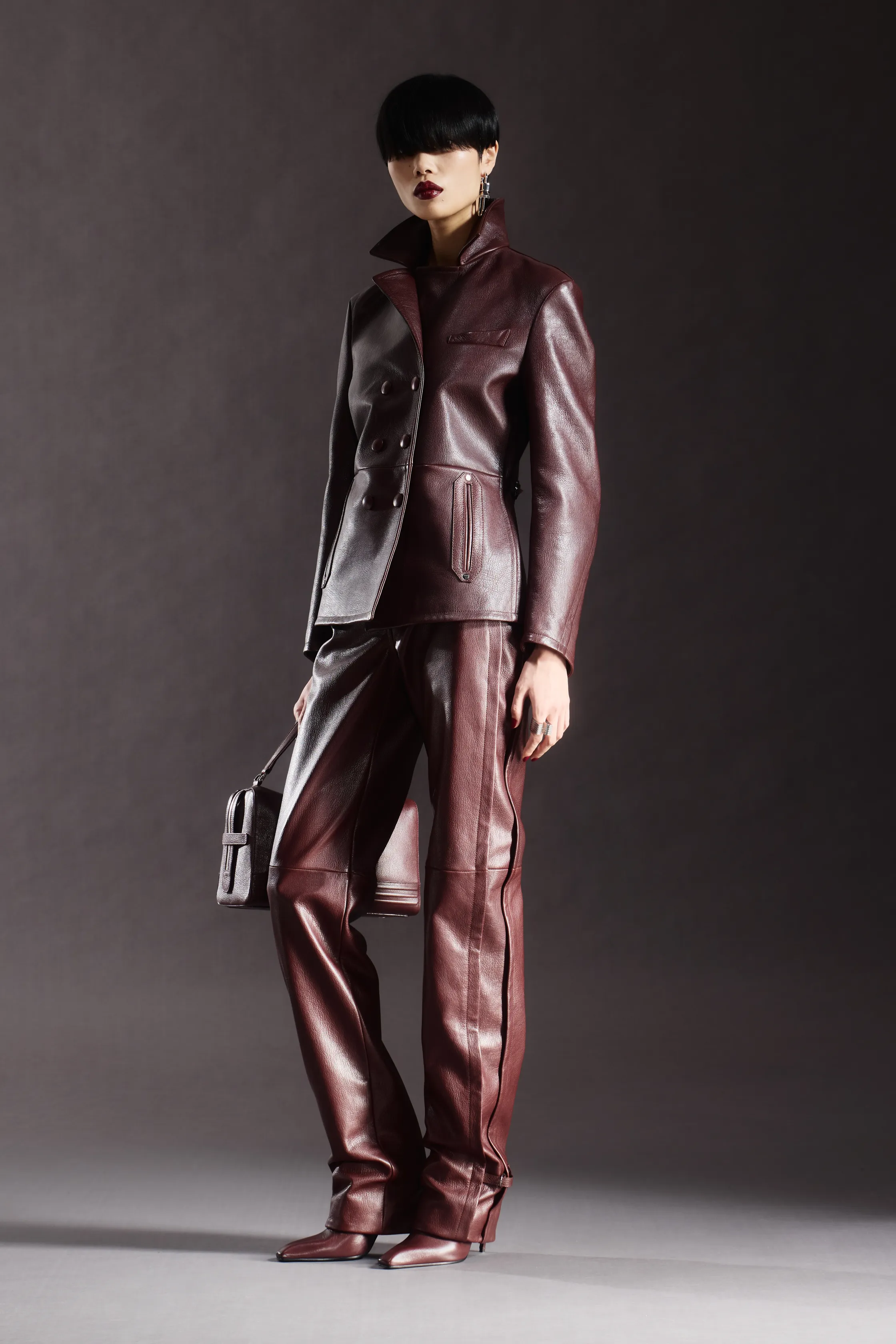
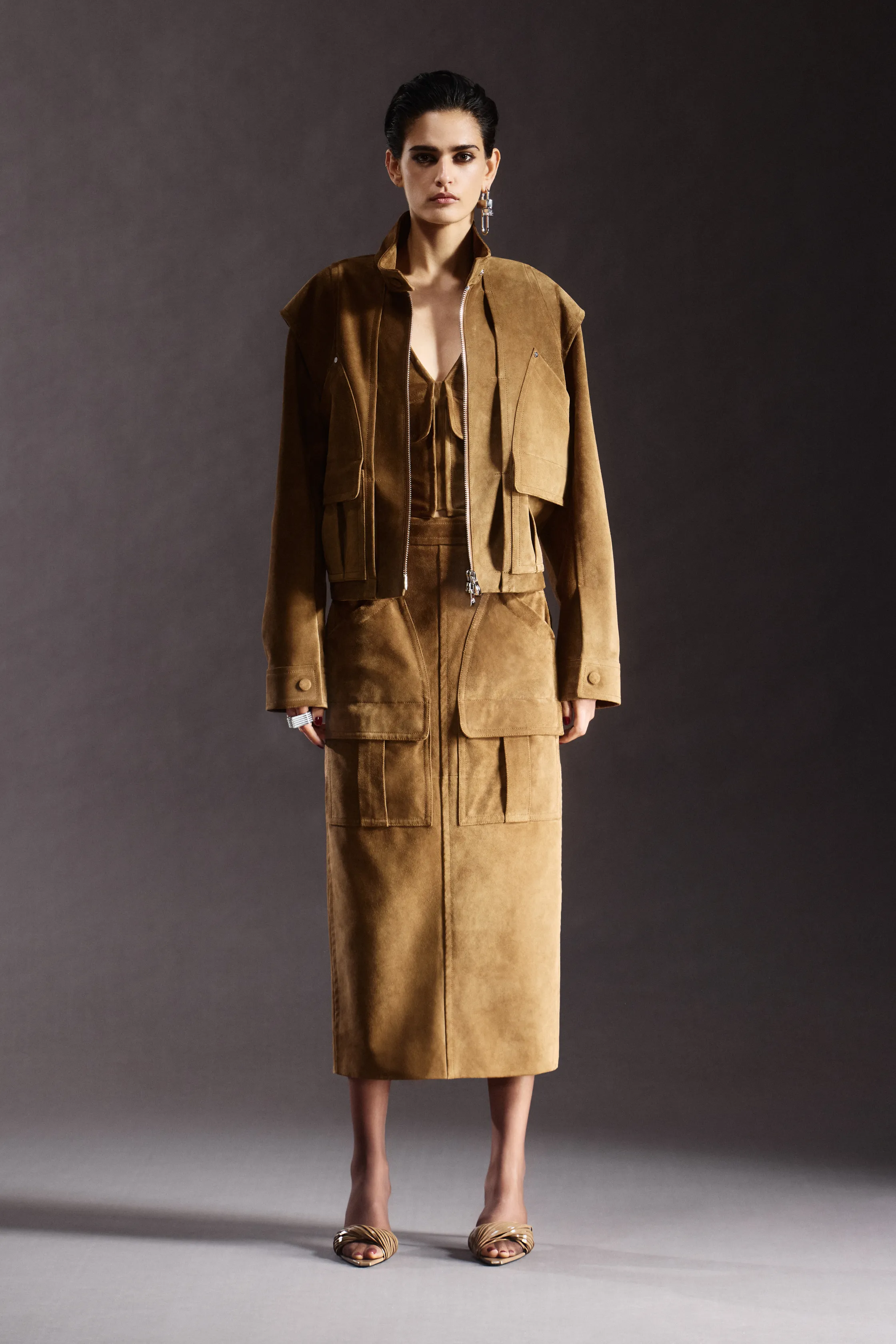
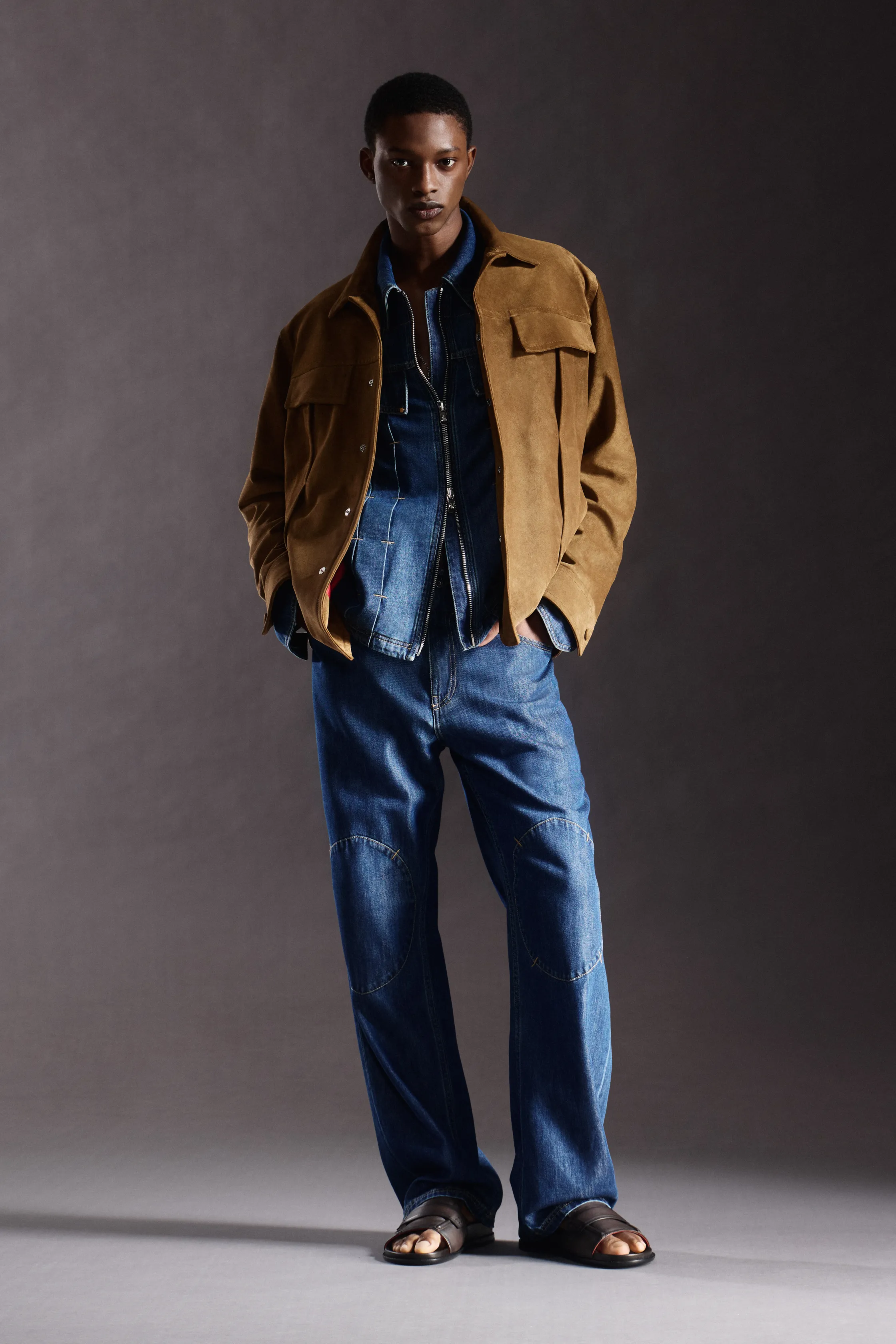
Ferrari, a name long established in the realms of supercars and racing, continues to steer its fashion division in compelling directions. For Pre-Fall 2026, it takes a cosmopolitan turn, adopting a distinctly British accent in both inspiration and execution. Creative director Rocco Iannone looked to London’s rich cultural tapestry as the muse, a choice sparked by Ferrari’s first UK flagship store opening this year. On his mood board, images of British icons abound: the effortless sophistication of Princess Diana, the rule-bending style of David Bowie and John Lennon, the mod energy of Twiggy, and even the quirky flair of Jamiroquai. These diverse influences, spanning royalty to rock ’n’ roll, are all filtered through Ferrari’s distinctive lens of sleek modernity and performance-driven craftsmanship. The resulting collection feels like a dynamic dialogue between Maranello and London – marrying Ferrari’s technical prowess and love of speed with the sartorial traditions and subcultures of Britain’s capital.
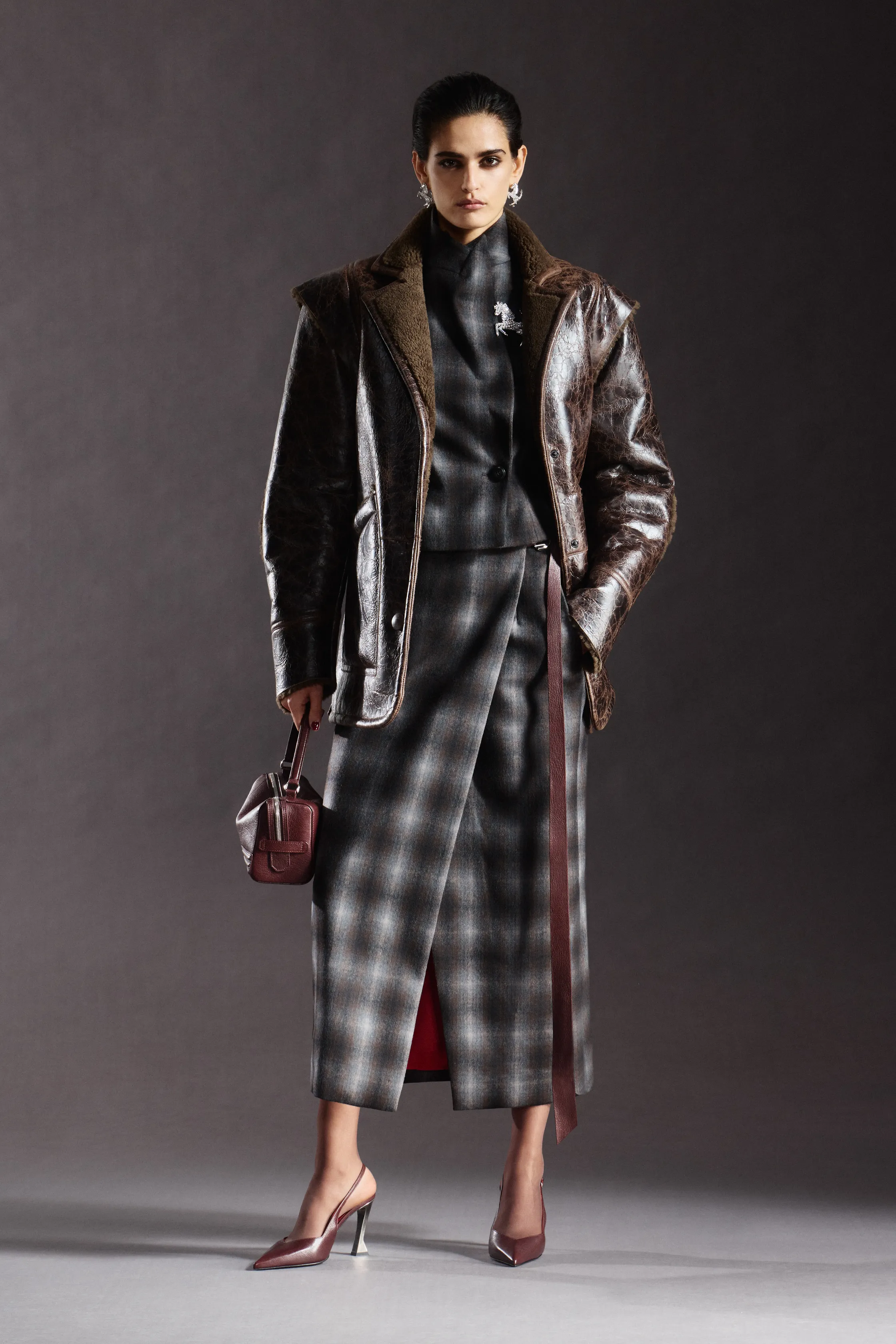
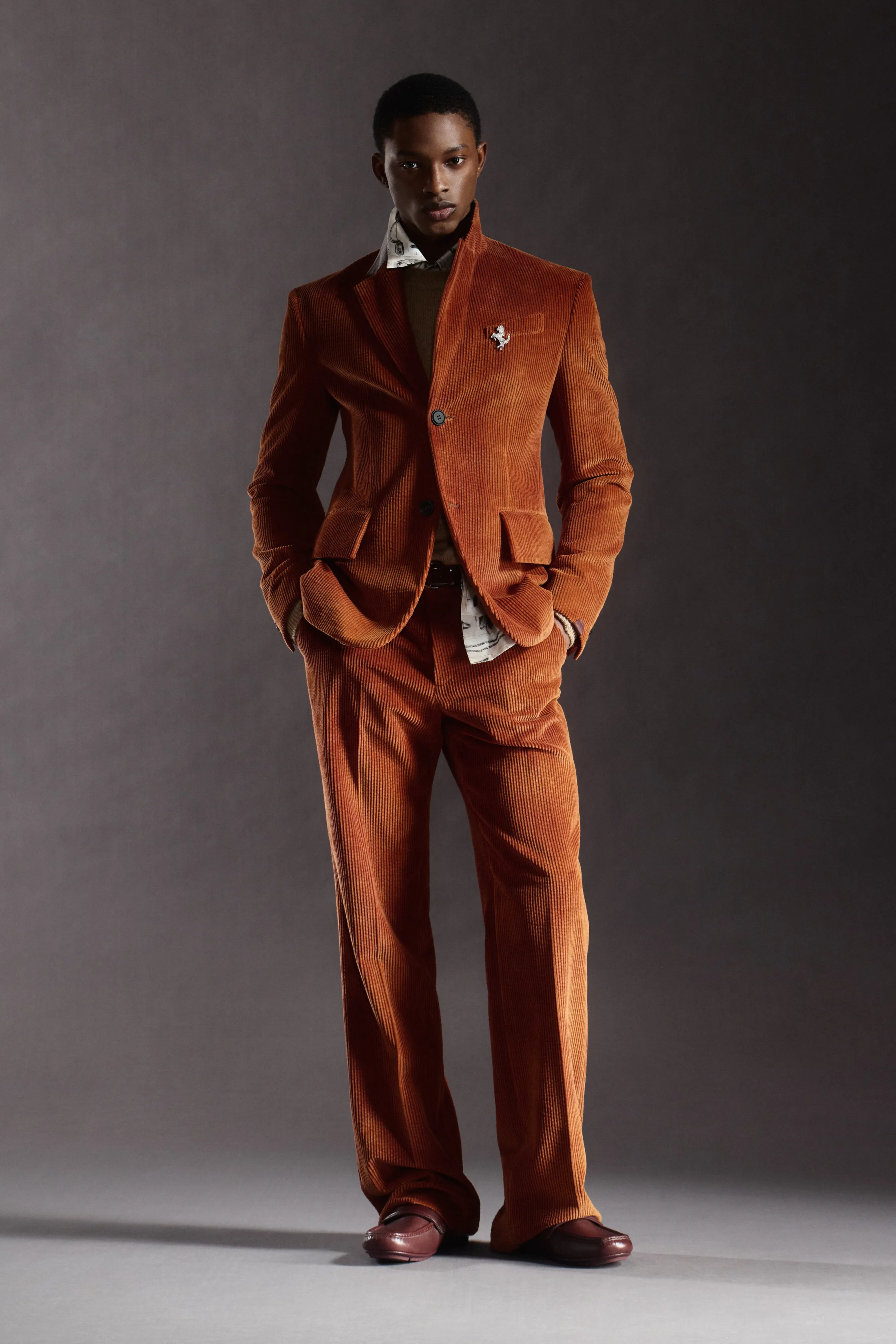
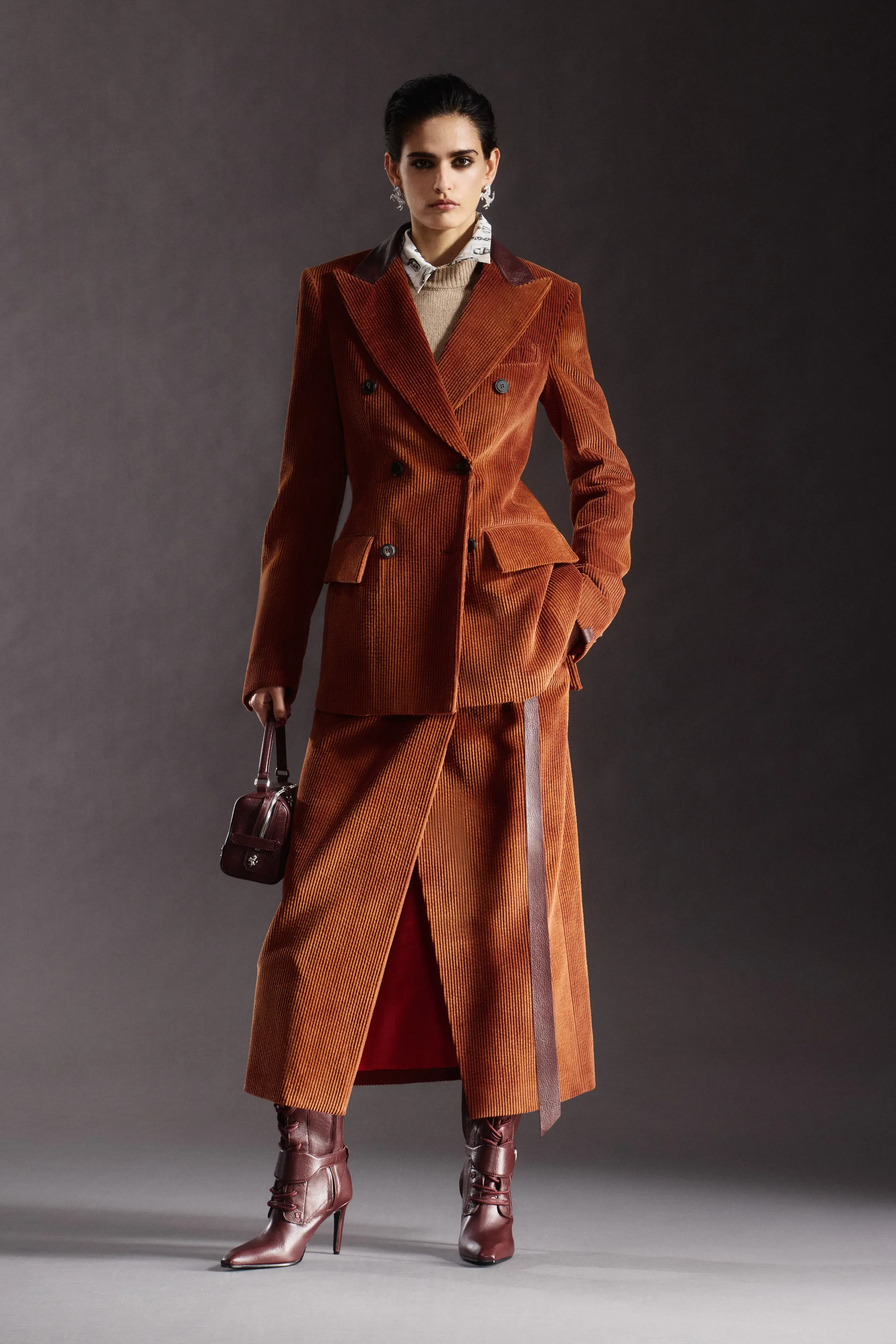
One immediately striking aspect of Ferrari’s Pre-Fall presentation is its chronological flow. The collection unfolds in three thematic “drops,” mirroring a journey from late summer into deep autumn. First come the lighter pieces: fluid silks and breezy linens in bright, saturated hues that hint at the waning days of warmth. For instance, a flowing handkerchief-hem dress in a moody, bluish-purple, floral silk captures both an English garden’s romance and an aerodynamic sense of motion. Next, as if summer yields to chillier air, the lineup shifts into heartier fabrics and urban attitude – think structured cotton twill jackets with leather racing-stripe trims, indigo denim co-ords punctuated by black calfskin, and corduroy suits cut with Savile Row precision. Finally, the collection crescendos into full fall texture and richness: sumptuous wool flannels, hearty tweeds, and plush shearling make their entrance. A standout in this phase is a cropped bomber jacket in ivory shearling, its surface treated with a crackled, high-gloss finish that suggests the patina of a well-loved vintage leather seat.
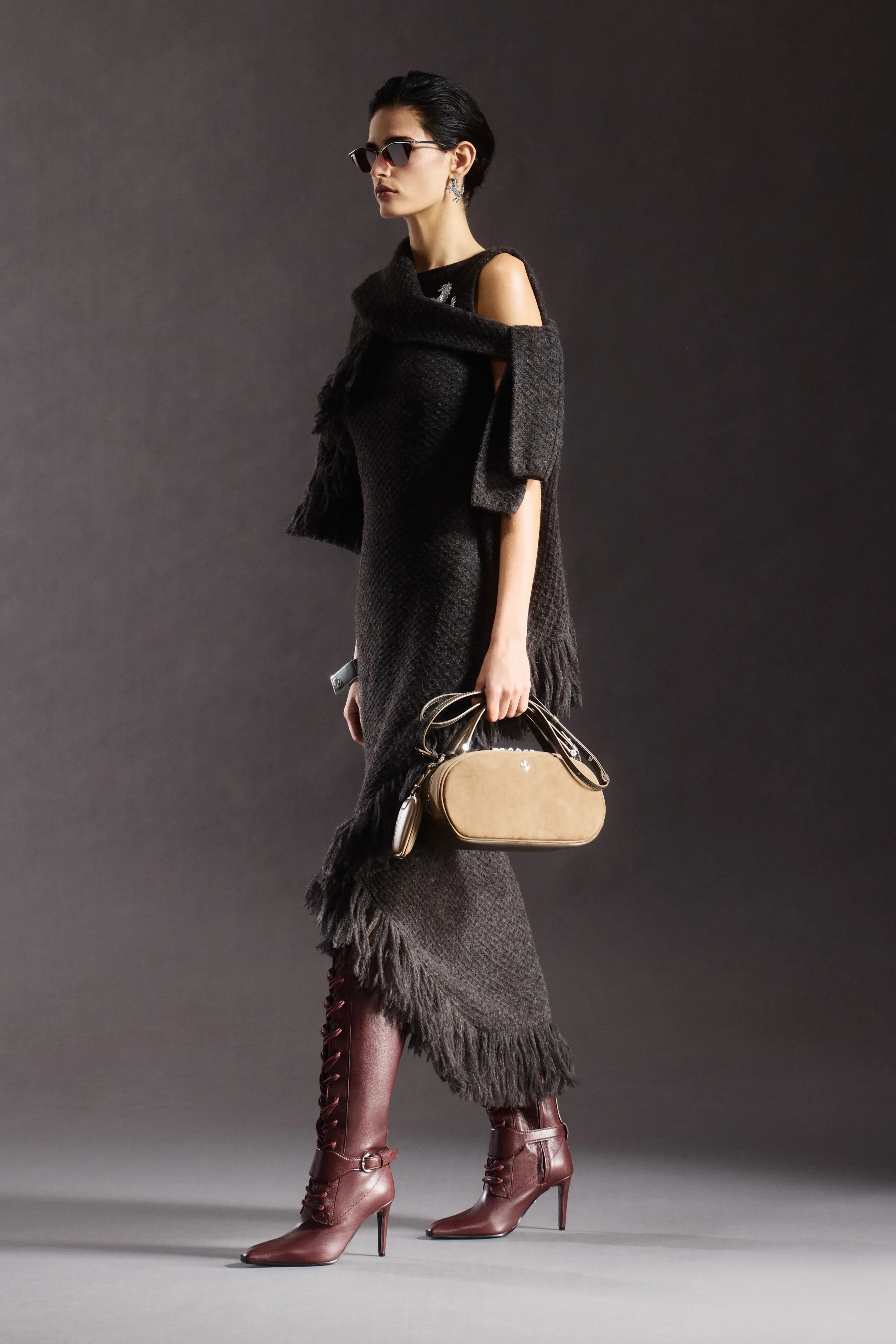
Through all stages, Ferrari’s hallmark commitment to garment architecture and innovation is evident. Iannone’s tailoring background shows in the razor-sharp cut of pencil skirts and the disciplined lines of single-breasted coats, which elongate the form with an almost aerodynamic intent. Even when a piece hugs the body, it’s engineered for ease: a cocoa-brown cashmere jersey dress, for example, skims the figure with meticulous pleats down the torso and conceals discreet side zippers – a technical solution that allows a whisper-thin fit without restricting movement. This marriage of form and function, sensuality and speed, lies at the heart of Ferrari’s fashion identity. It’s also seen in the brand’s inventive use of materials. In a nod to Ferrari’s automotive innovation, the collection incorporates Q-Cycle®, the company’s proprietary fabric made from recycled tire fibers. Blending Q-Cycle with wool, Iannone creates outerwear that is both eco-conscious and exquisitely refined: a charcoal overcoat has the smooth, compact feel of technical gear but the drape and warmth of a classic wool gabardine – a perfect encapsulation of sustainable luxury. Such material experimentation imbues the collection with a forward-looking ethos, proving that Ferrari’s quest for engineering excellence extends to the realm of textiles as well.
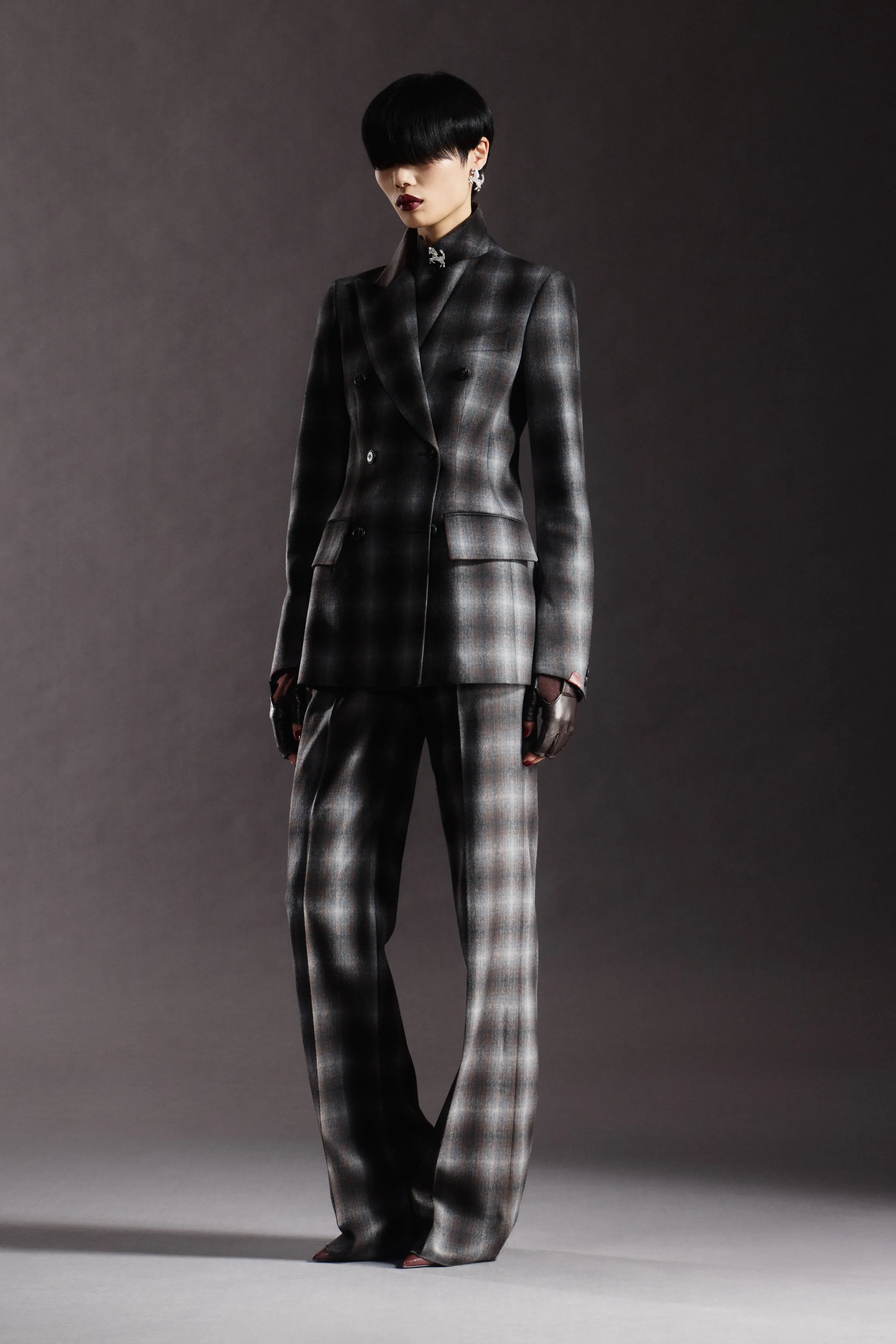
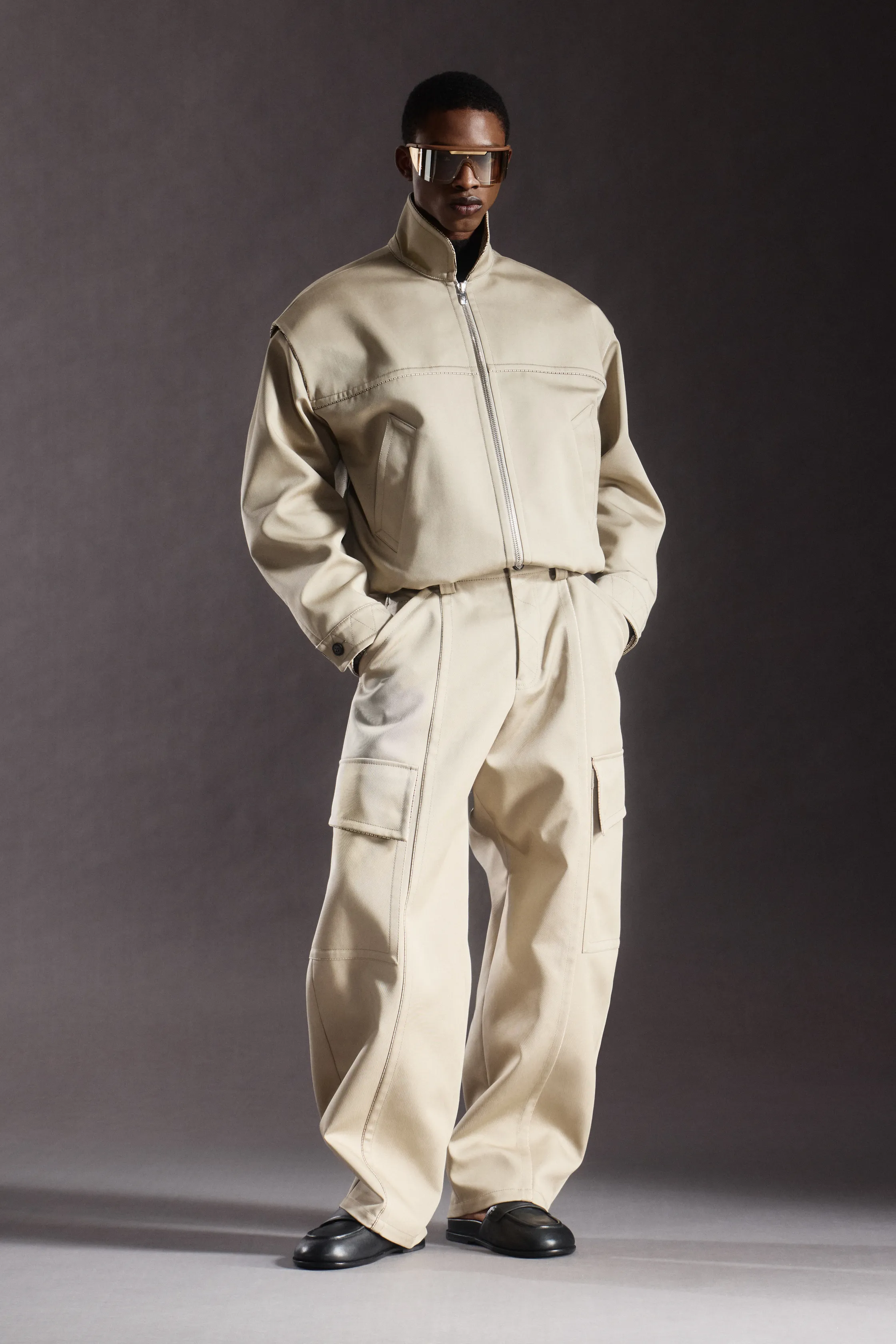
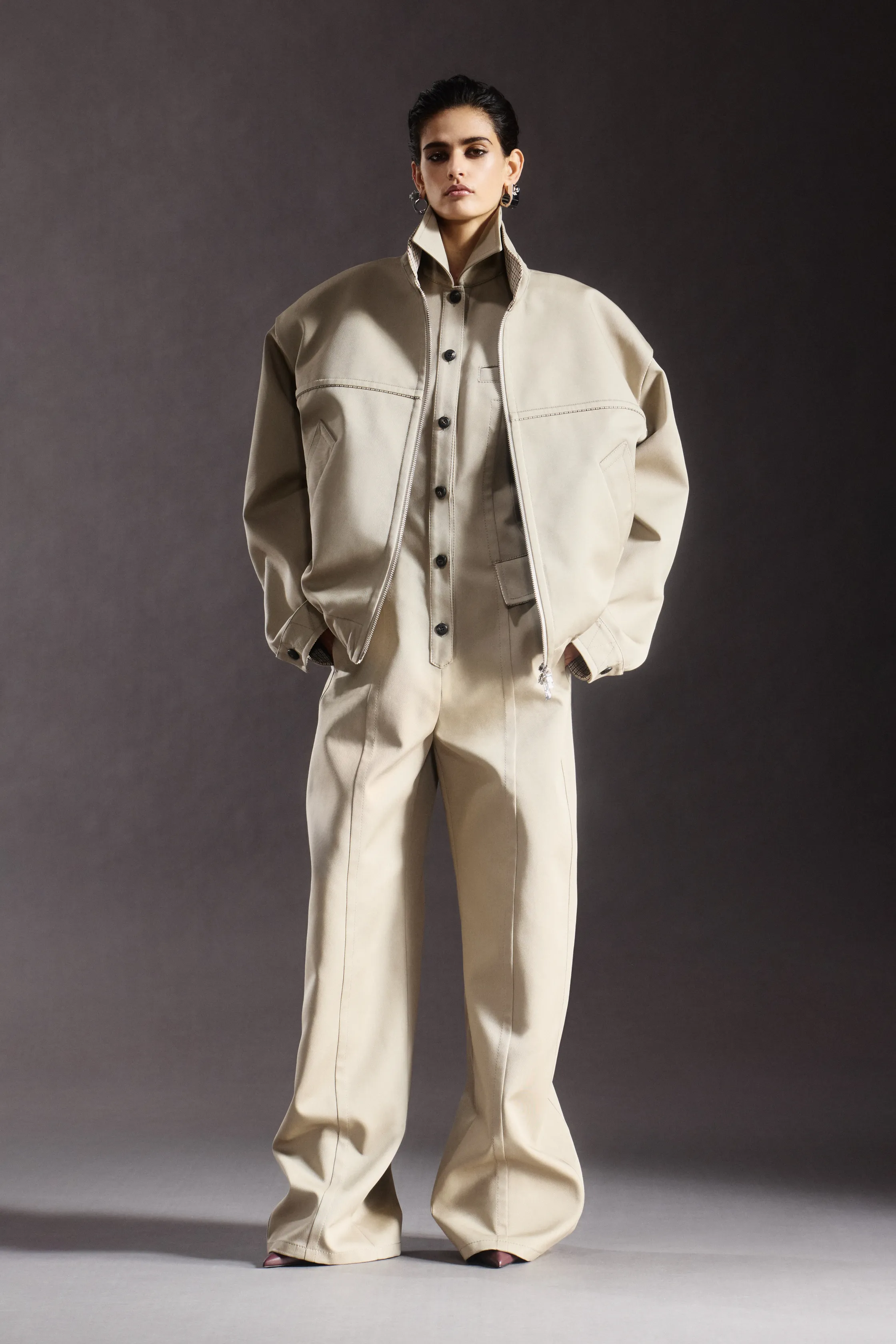
While Ferrari’s DNA is grounded in Italian luxury, the British codes referenced in this collection add a compelling layer of storytelling. Traditional patterns and motifs are cleverly reinterpreted. The Prince of Wales check – that symbol of British suiting – appears in a blurred, diffused print on a tailored pantsuit, as if seen at high speed. This subtle distortion modernizes the venerable plaid, making it echo the vibration of a revving engine. Elsewhere, the influence of London’s working-class chic is present in high-fashion form: a series of tailored jumpsuits and cropped blousons pay homage to the mechanics’ boiler suits of Ferrari’s own Maranello workshops. Cut in slick technical cotton and embellished with tiny bolt-shaped rivets along denim collars and cuffs, these pieces transform utilitarian uniform into a style statement. Even Ferrari’s automotive heritage tools become artful prints; for instance, one silky shirtdress is patterned with interlocking wrench and gear motifs, rendered so abstractly they read like a bold geometric design until inspected up close. The accessories likewise balance heritage and whimsy. The house’s hit carryalls, La Ferrari Dino and Ferrari GT soft bags, reappear this season with subtle updates: think plush nubuck paneling and polished hardware that nods to vintage car interiors. Adding a touch of restrained sparkle, Iannone scatters in sequined brooches shaped like the Prancing Horse, Ferrari’s famed emblem. Pinned on the lapel of a houndstooth coat or the beret of a model, these glittering stallions provide a wink of fantasia amid the pragmatic tones. The palette tying everything together is rooted in neutrals – warm mushroom, stone grey, deep navy – punctuated by the rusts and burgundies of autumn leaves and the inky petrol blue of twilight. It’s a color story that feels both natural and sophisticated, as if the English countryside and a Ferrari showroom met and found common ground.
By infusing London’s style legacy into Ferrari’s design engine, Iannone shows a deft understanding of how to expand a nascent fashion house’s identity without diluting it. The collection resonates with confidence and cosmopolitan flair. It suggests that Ferrari’s fashion venture is not a mere brand extension or marketing exercise, but a genuine creative endeavor capable of standing alongside established luxury houses. With its disciplined yet dynamic silhouettes, innovative fabrics, and nuanced storytelling, this collection functions as yet another chapter in the exciting story that is Ferrari’s venture into luxury fashion – one we are eager to continue reading.
Ferrari, a name long established in the realms of supercars and racing, continues to steer its fashion division in compelling directions. For Pre-Fall 2026, it takes a cosmopolitan turn, adopting a distinctly British accent in both inspiration and execution. Creative director Rocco Iannone looked to London’s rich cultural tapestry as the muse, a choice sparked by Ferrari’s first UK flagship store opening this year. On his mood board, images of British icons abound: the effortless sophistication of Princess Diana, the rule-bending style of David Bowie and John Lennon, the mod energy of Twiggy, and even the quirky flair of Jamiroquai. These diverse influences, spanning royalty to rock ’n’ roll, are all filtered through Ferrari’s distinctive lens of sleek modernity and performance-driven craftsmanship. The resulting collection feels like a dynamic dialogue between Maranello and London – marrying Ferrari’s technical prowess and love of speed with the sartorial traditions and subcultures of Britain’s capital.
One immediately striking aspect of Ferrari’s Pre-Fall presentation is its chronological flow. The collection unfolds in three thematic “drops,” mirroring a journey from late summer into deep autumn. First come the lighter pieces: fluid silks and breezy linens in bright, saturated hues that hint at the waning days of warmth. For instance, a flowing handkerchief-hem dress in a moody, bluish-purple, floral silk captures both an English garden’s romance and an aerodynamic sense of motion. Next, as if summer yields to chillier air, the lineup shifts into heartier fabrics and urban attitude – think structured cotton twill jackets with leather racing-stripe trims, indigo denim co-ords punctuated by black calfskin, and corduroy suits cut with Savile Row precision. Finally, the collection crescendos into full fall texture and richness: sumptuous wool flannels, hearty tweeds, and plush shearling make their entrance. A standout in this phase is a cropped bomber jacket in ivory shearling, its surface treated with a crackled, high-gloss finish that suggests the patina of a well-loved vintage leather seat.
Through all stages, Ferrari’s hallmark commitment to garment architecture and innovation is evident. Iannone’s tailoring background shows in the razor-sharp cut of pencil skirts and the disciplined lines of single-breasted coats, which elongate the form with an almost aerodynamic intent. Even when a piece hugs the body, it’s engineered for ease: a cocoa-brown cashmere jersey dress, for example, skims the figure with meticulous pleats down the torso and conceals discreet side zippers – a technical solution that allows a whisper-thin fit without restricting movement. This marriage of form and function, sensuality and speed, lies at the heart of Ferrari’s fashion identity. It’s also seen in the brand’s inventive use of materials. In a nod to Ferrari’s automotive innovation, the collection incorporates Q-Cycle®, the company’s proprietary fabric made from recycled tire fibers. Blending Q-Cycle with wool, Iannone creates outerwear that is both eco-conscious and exquisitely refined: a charcoal overcoat has the smooth, compact feel of technical gear but the drape and warmth of a classic wool gabardine – a perfect encapsulation of sustainable luxury. Such material experimentation imbues the collection with a forward-looking ethos, proving that Ferrari’s quest for engineering excellence extends to the realm of textiles as well.
While Ferrari’s DNA is grounded in Italian luxury, the British codes referenced in this collection add a compelling layer of storytelling. Traditional patterns and motifs are cleverly reinterpreted. The Prince of Wales check – that symbol of British suiting – appears in a blurred, diffused print on a tailored pantsuit, as if seen at high speed. This subtle distortion modernizes the venerable plaid, making it echo the vibration of a revving engine. Elsewhere, the influence of London’s working-class chic is present in high-fashion form: a series of tailored jumpsuits and cropped blousons pay homage to the mechanics’ boiler suits of Ferrari’s own Maranello workshops. Cut in slick technical cotton and embellished with tiny bolt-shaped rivets along denim collars and cuffs, these pieces transform utilitarian uniform into a style statement. Even Ferrari’s automotive heritage tools become artful prints; for instance, one silky shirtdress is patterned with interlocking wrench and gear motifs, rendered so abstractly they read like a bold geometric design until inspected up close. The accessories likewise balance heritage and whimsy. The house’s hit carryalls, La Ferrari Dino and Ferrari GT soft bags, reappear this season with subtle updates: think plush nubuck paneling and polished hardware that nods to vintage car interiors. Adding a touch of restrained sparkle, Iannone scatters in sequined brooches shaped like the Prancing Horse, Ferrari’s famed emblem. Pinned on the lapel of a houndstooth coat or the beret of a model, these glittering stallions provide a wink of fantasia amid the pragmatic tones. The palette tying everything together is rooted in neutrals – warm mushroom, stone grey, deep navy – punctuated by the rusts and burgundies of autumn leaves and the inky petrol blue of twilight. It’s a color story that feels both natural and sophisticated, as if the English countryside and a Ferrari showroom met and found common ground.
By infusing London’s style legacy into Ferrari’s design engine, Iannone shows a deft understanding of how to expand a nascent fashion house’s identity without diluting it. The collection resonates with confidence and cosmopolitan flair. It suggests that Ferrari’s fashion venture is not a mere brand extension or marketing exercise, but a genuine creative endeavor capable of standing alongside established luxury houses. With its disciplined yet dynamic silhouettes, innovative fabrics, and nuanced storytelling, this collection functions as yet another chapter in the exciting story that is Ferrari’s venture into luxury fashion – one we are eager to continue reading.
Ferrari, a name long established in the realms of supercars and racing, continues to steer its fashion division in compelling directions. For Pre-Fall 2026, it takes a cosmopolitan turn, adopting a distinctly British accent in both inspiration and execution. Creative director Rocco Iannone looked to London’s rich cultural tapestry as the muse, a choice sparked by Ferrari’s first UK flagship store opening this year. On his mood board, images of British icons abound: the effortless sophistication of Princess Diana, the rule-bending style of David Bowie and John Lennon, the mod energy of Twiggy, and even the quirky flair of Jamiroquai. These diverse influences, spanning royalty to rock ’n’ roll, are all filtered through Ferrari’s distinctive lens of sleek modernity and performance-driven craftsmanship. The resulting collection feels like a dynamic dialogue between Maranello and London – marrying Ferrari’s technical prowess and love of speed with the sartorial traditions and subcultures of Britain’s capital.
One immediately striking aspect of Ferrari’s Pre-Fall presentation is its chronological flow. The collection unfolds in three thematic “drops,” mirroring a journey from late summer into deep autumn. First come the lighter pieces: fluid silks and breezy linens in bright, saturated hues that hint at the waning days of warmth. For instance, a flowing handkerchief-hem dress in a moody, bluish-purple, floral silk captures both an English garden’s romance and an aerodynamic sense of motion. Next, as if summer yields to chillier air, the lineup shifts into heartier fabrics and urban attitude – think structured cotton twill jackets with leather racing-stripe trims, indigo denim co-ords punctuated by black calfskin, and corduroy suits cut with Savile Row precision. Finally, the collection crescendos into full fall texture and richness: sumptuous wool flannels, hearty tweeds, and plush shearling make their entrance. A standout in this phase is a cropped bomber jacket in ivory shearling, its surface treated with a crackled, high-gloss finish that suggests the patina of a well-loved vintage leather seat.
Through all stages, Ferrari’s hallmark commitment to garment architecture and innovation is evident. Iannone’s tailoring background shows in the razor-sharp cut of pencil skirts and the disciplined lines of single-breasted coats, which elongate the form with an almost aerodynamic intent. Even when a piece hugs the body, it’s engineered for ease: a cocoa-brown cashmere jersey dress, for example, skims the figure with meticulous pleats down the torso and conceals discreet side zippers – a technical solution that allows a whisper-thin fit without restricting movement. This marriage of form and function, sensuality and speed, lies at the heart of Ferrari’s fashion identity. It’s also seen in the brand’s inventive use of materials. In a nod to Ferrari’s automotive innovation, the collection incorporates Q-Cycle®, the company’s proprietary fabric made from recycled tire fibers. Blending Q-Cycle with wool, Iannone creates outerwear that is both eco-conscious and exquisitely refined: a charcoal overcoat has the smooth, compact feel of technical gear but the drape and warmth of a classic wool gabardine – a perfect encapsulation of sustainable luxury. Such material experimentation imbues the collection with a forward-looking ethos, proving that Ferrari’s quest for engineering excellence extends to the realm of textiles as well.
While Ferrari’s DNA is grounded in Italian luxury, the British codes referenced in this collection add a compelling layer of storytelling. Traditional patterns and motifs are cleverly reinterpreted. The Prince of Wales check – that symbol of British suiting – appears in a blurred, diffused print on a tailored pantsuit, as if seen at high speed. This subtle distortion modernizes the venerable plaid, making it echo the vibration of a revving engine. Elsewhere, the influence of London’s working-class chic is present in high-fashion form: a series of tailored jumpsuits and cropped blousons pay homage to the mechanics’ boiler suits of Ferrari’s own Maranello workshops. Cut in slick technical cotton and embellished with tiny bolt-shaped rivets along denim collars and cuffs, these pieces transform utilitarian uniform into a style statement. Even Ferrari’s automotive heritage tools become artful prints; for instance, one silky shirtdress is patterned with interlocking wrench and gear motifs, rendered so abstractly they read like a bold geometric design until inspected up close. The accessories likewise balance heritage and whimsy. The house’s hit carryalls, La Ferrari Dino and Ferrari GT soft bags, reappear this season with subtle updates: think plush nubuck paneling and polished hardware that nods to vintage car interiors. Adding a touch of restrained sparkle, Iannone scatters in sequined brooches shaped like the Prancing Horse, Ferrari’s famed emblem. Pinned on the lapel of a houndstooth coat or the beret of a model, these glittering stallions provide a wink of fantasia amid the pragmatic tones. The palette tying everything together is rooted in neutrals – warm mushroom, stone grey, deep navy – punctuated by the rusts and burgundies of autumn leaves and the inky petrol blue of twilight. It’s a color story that feels both natural and sophisticated, as if the English countryside and a Ferrari showroom met and found common ground.
By infusing London’s style legacy into Ferrari’s design engine, Iannone shows a deft understanding of how to expand a nascent fashion house’s identity without diluting it. The collection resonates with confidence and cosmopolitan flair. It suggests that Ferrari’s fashion venture is not a mere brand extension or marketing exercise, but a genuine creative endeavor capable of standing alongside established luxury houses. With its disciplined yet dynamic silhouettes, innovative fabrics, and nuanced storytelling, this collection functions as yet another chapter in the exciting story that is Ferrari’s venture into luxury fashion – one we are eager to continue reading.
Our Favourite Looks
Our Favourite Looks
Our Favourite Looks
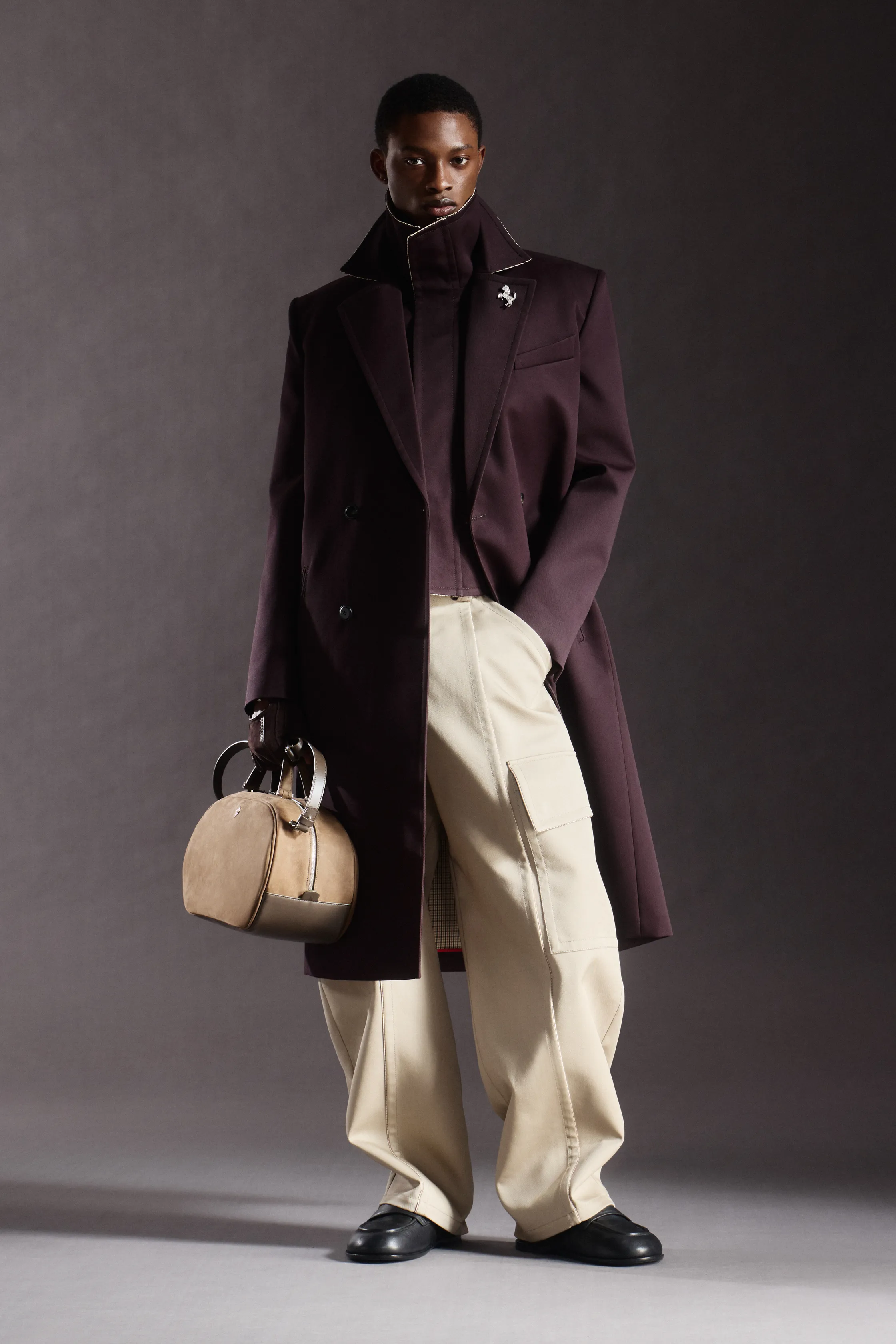
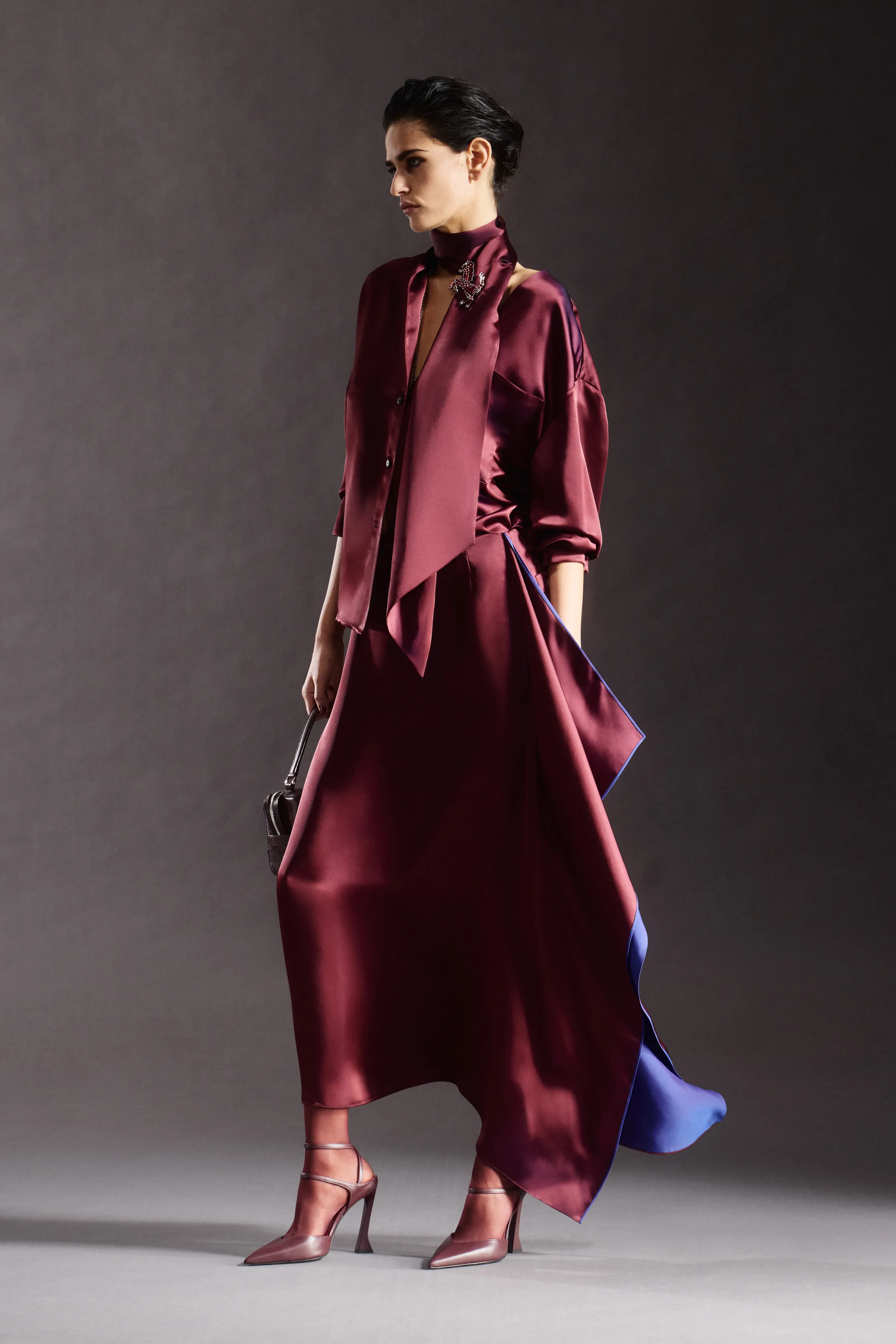
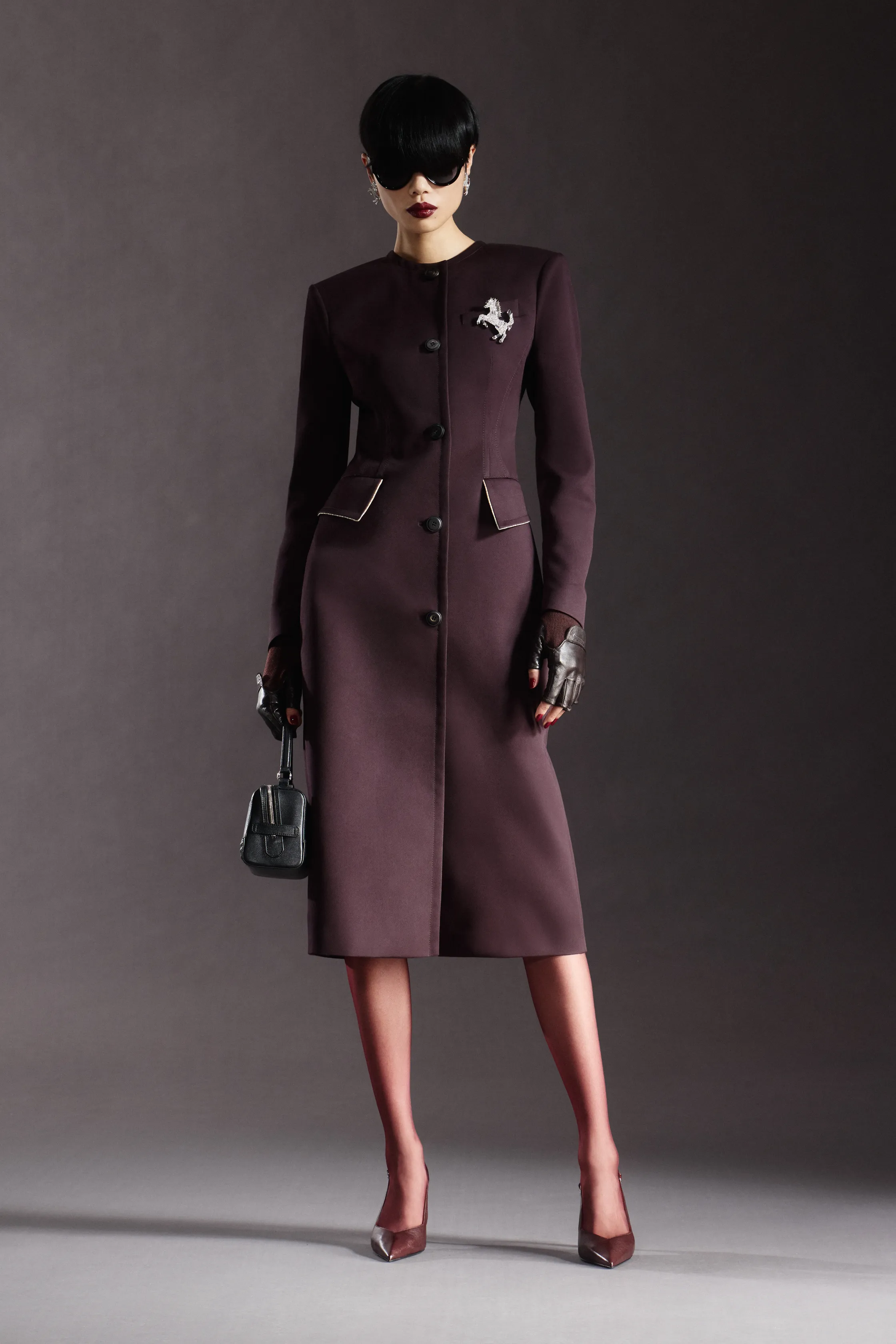
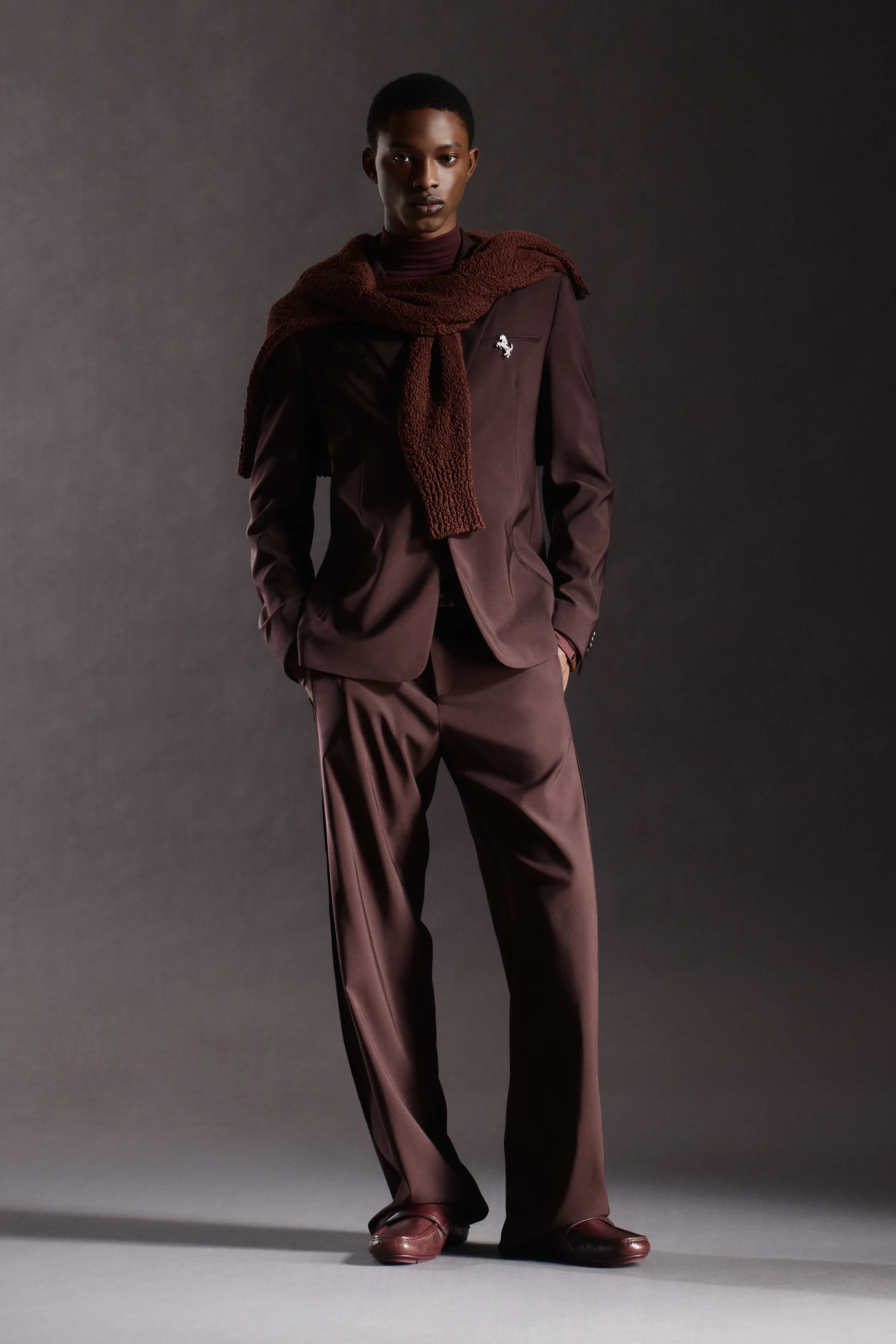
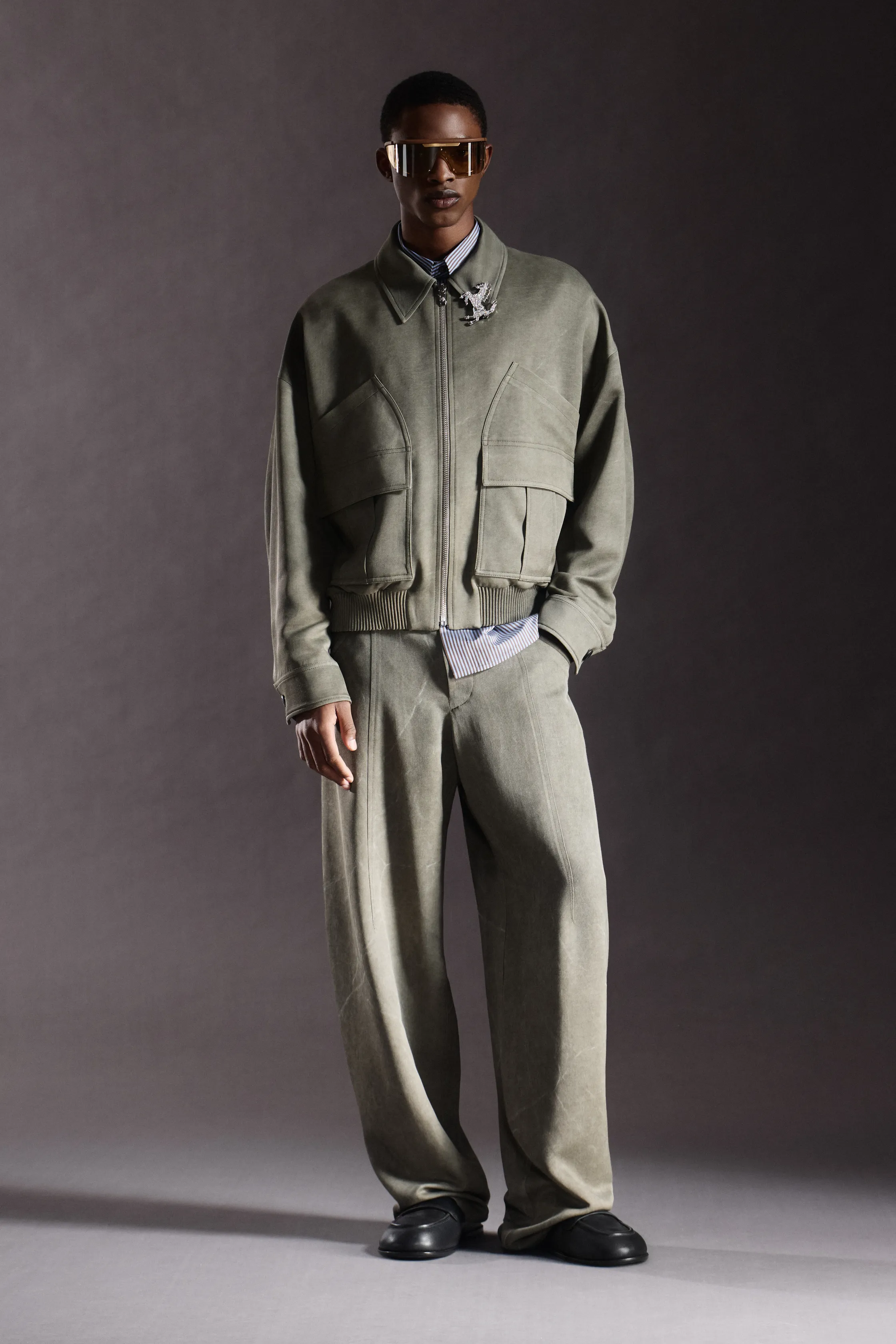
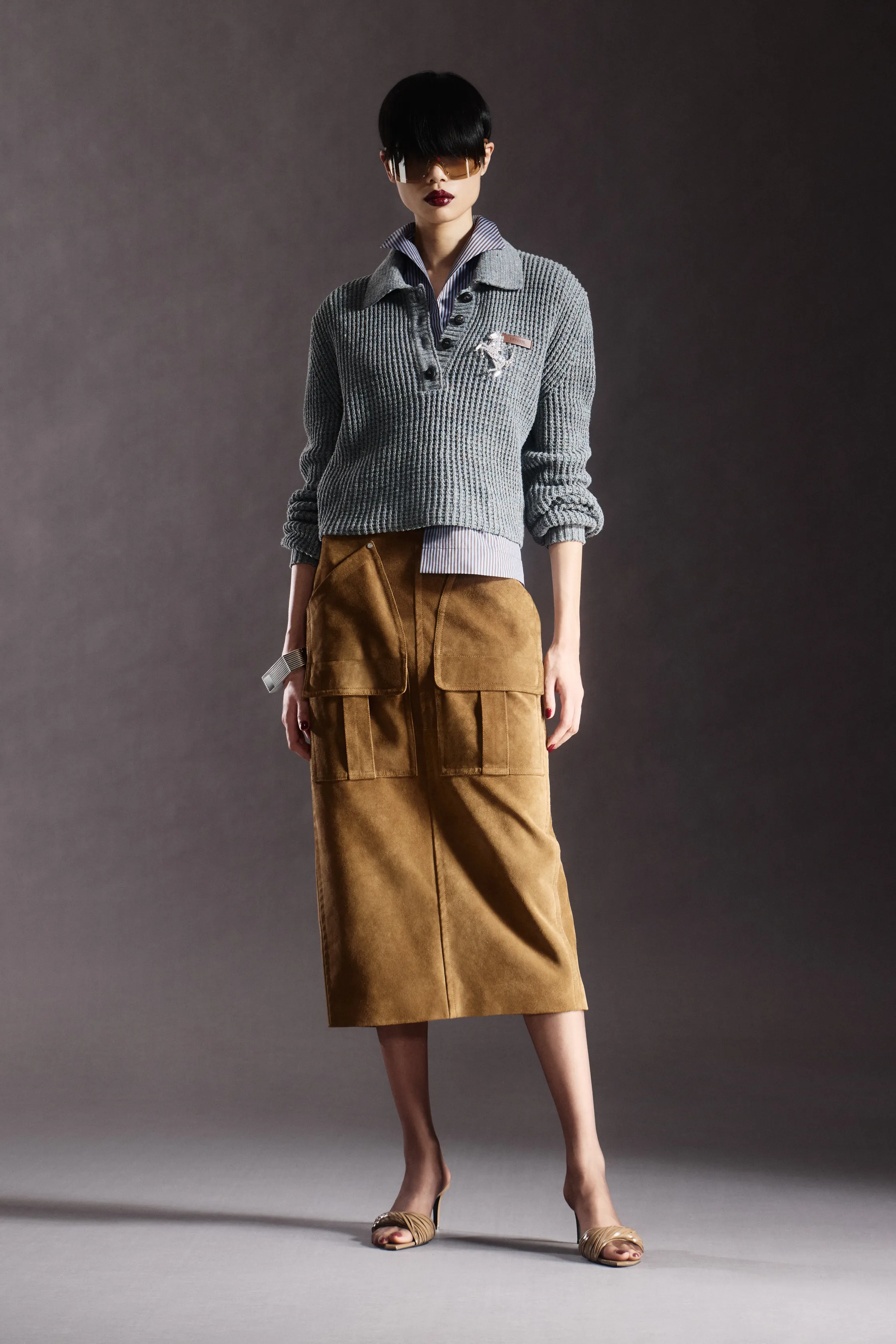
Courtesy of Ferrari.
Courtesy of Ferrari.
Courtesy of Ferrari.
Ralph Lauren Pre-Fall 2026
Ralph Lauren Pre-Fall 2026
Ralph Lauren Pre-Fall 2026
For Pre-Fall 2026, Ralph Lauren distills the essence of his brand into a collection that is at once earthy and elegant. Dubbed Modern Nature, the lineup finds harmony between the organic world and the cosmopolitan wardrobe, expressing a confident femininity shaped by ease, polish, and quiet strength. Lauren’s enduring house codes – impeccable tailoring, rich textures, and nods to bygone glamour – are all present, but they’re rendered with a fresh subtlety as if viewed through a sunlit, autumn haze. The color palette is drawn from the earth itself: mushroom taupe, warm chocolate, deep khaki green, stone grey, and granite blue. These tones anchor the collection, flowing seamlessly from day into evening. Far from feeling drab, the hues are alive with nuanced depth – a testament to the quality of materials and finishes that give each shade an inner glow. Even the most casual ensembles exude refinement; even the most formal hold an undercurrent of simplicity.
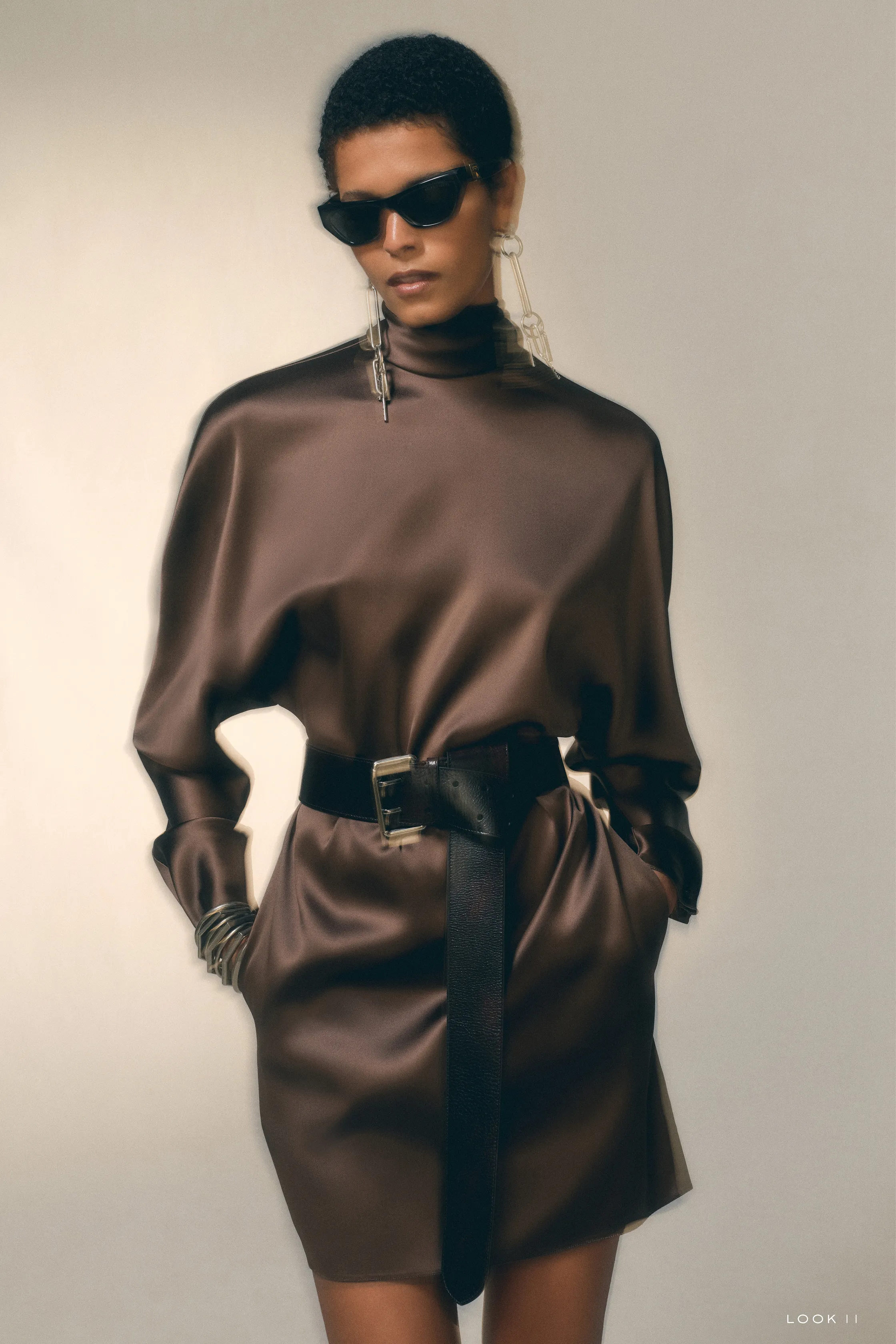
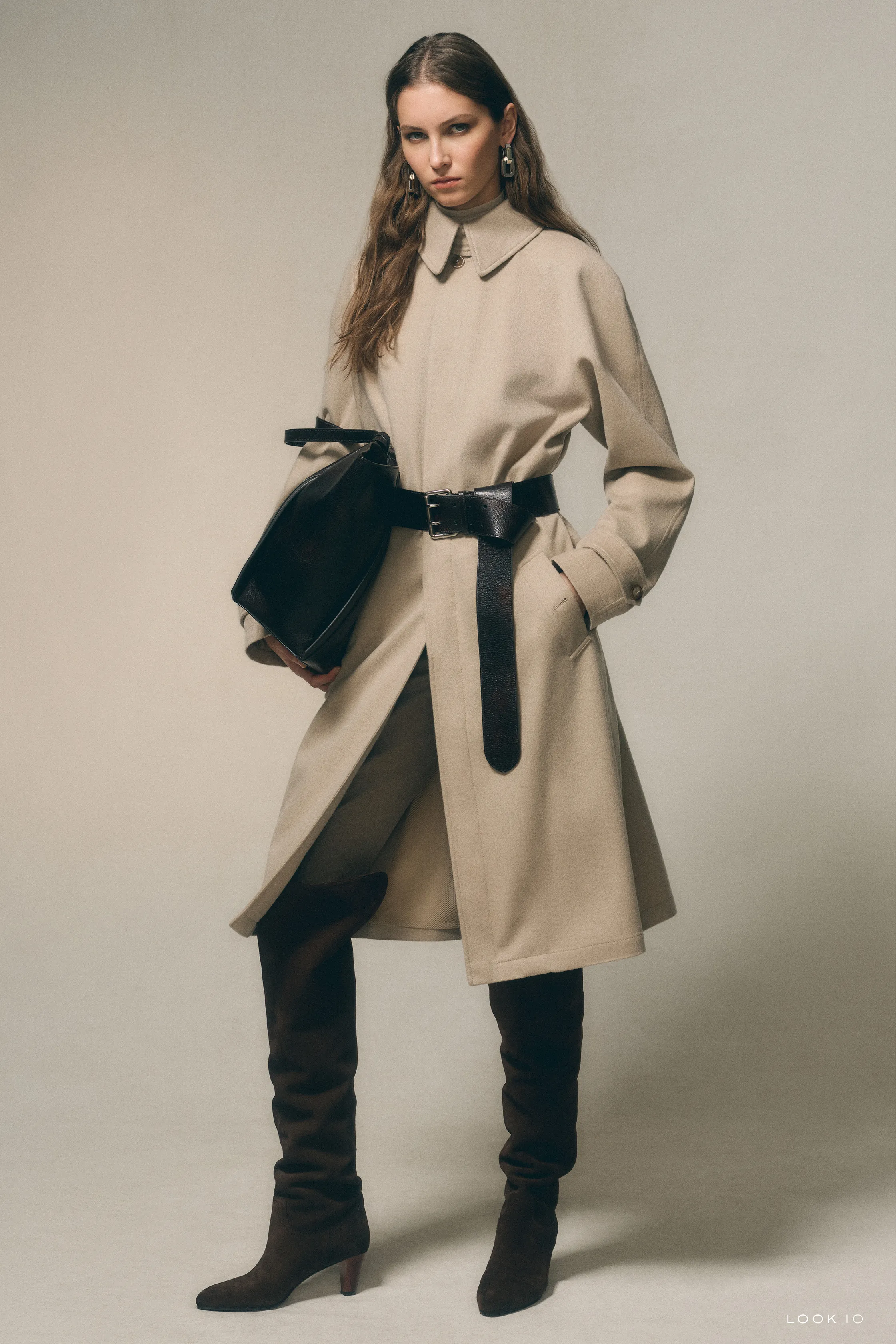
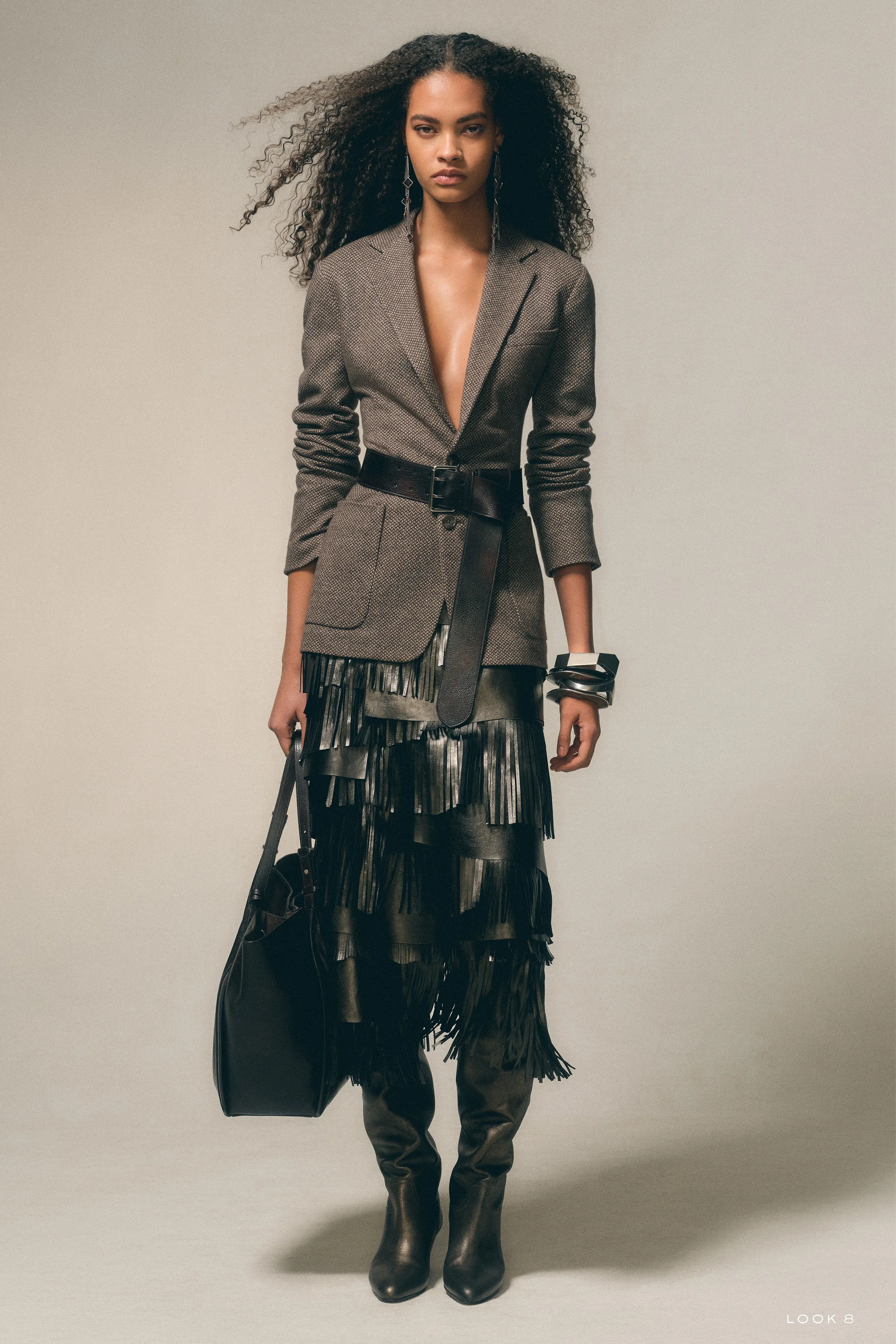
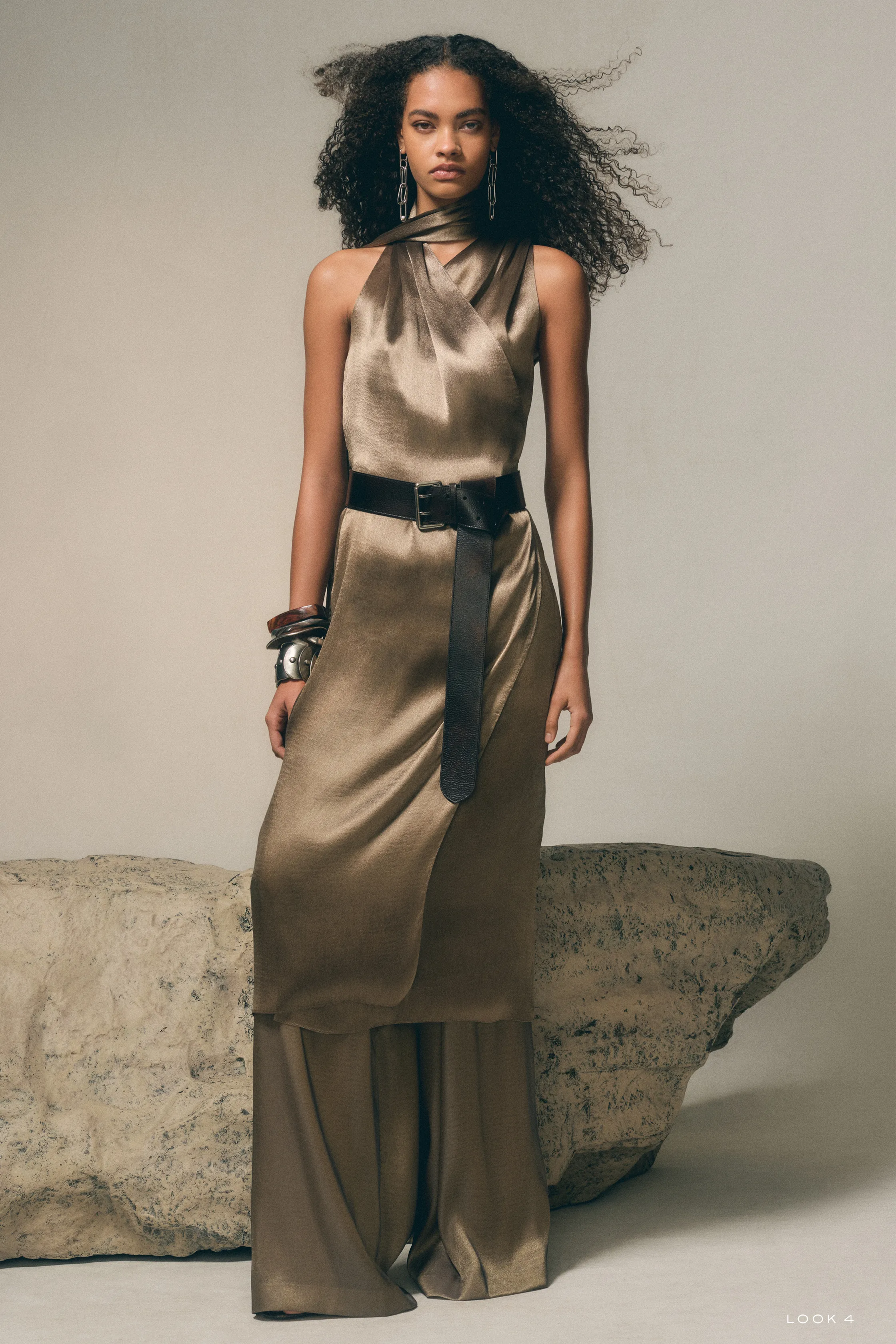
Tailoring remains the cornerstone of Ralph Lauren’s vision, and in this collection, it speaks in a softer register. Take the opening look: a sharp-shouldered double-breasted suit in lustrous cocoa-brown wool, cut with the precision of Savile Row yet styled with an unexpected nonchalance. Beneath the blazer’s structured lines, a silky bronze blouse is left partly unbuttoned, its liquid sheen catching the light, creating a subtle tension between masculine and feminine, structure and fluidity. This interplay of contrasts becomes a design language throughout the collection. In lieu of dramatic prints or logos, Lauren uses texture and finish to create visual interest. A supple trench coat is bonded with a barely-there metallic membrane, giving it a faint reflective gleam when it moves; a classic Balmacaan raincoat in oatmeal tweed is unexpectedly outfitted with a hidden technical lining, so raindrops bead off its surface even as it looks heritage-rich. High-shine satin skirts are grounded by rugged equestrian-inspired boots, and airy chiffon blouses are cinched at the waist with weighty leather belts. These elongated leather belts, in fact, emerge as a signature accessory of the season, wrapped and artfully knotted over everything from a smoky charcoal charmeuse dress to a chunky cream fisherman-knit sweater. The belts unify the diverse silhouettes, literally pulling together the looks and accentuating the waist with a bold, modern touch. They are at once decorative and functional, reinforcing both the shape and the self-assured attitude that permeates the collection.
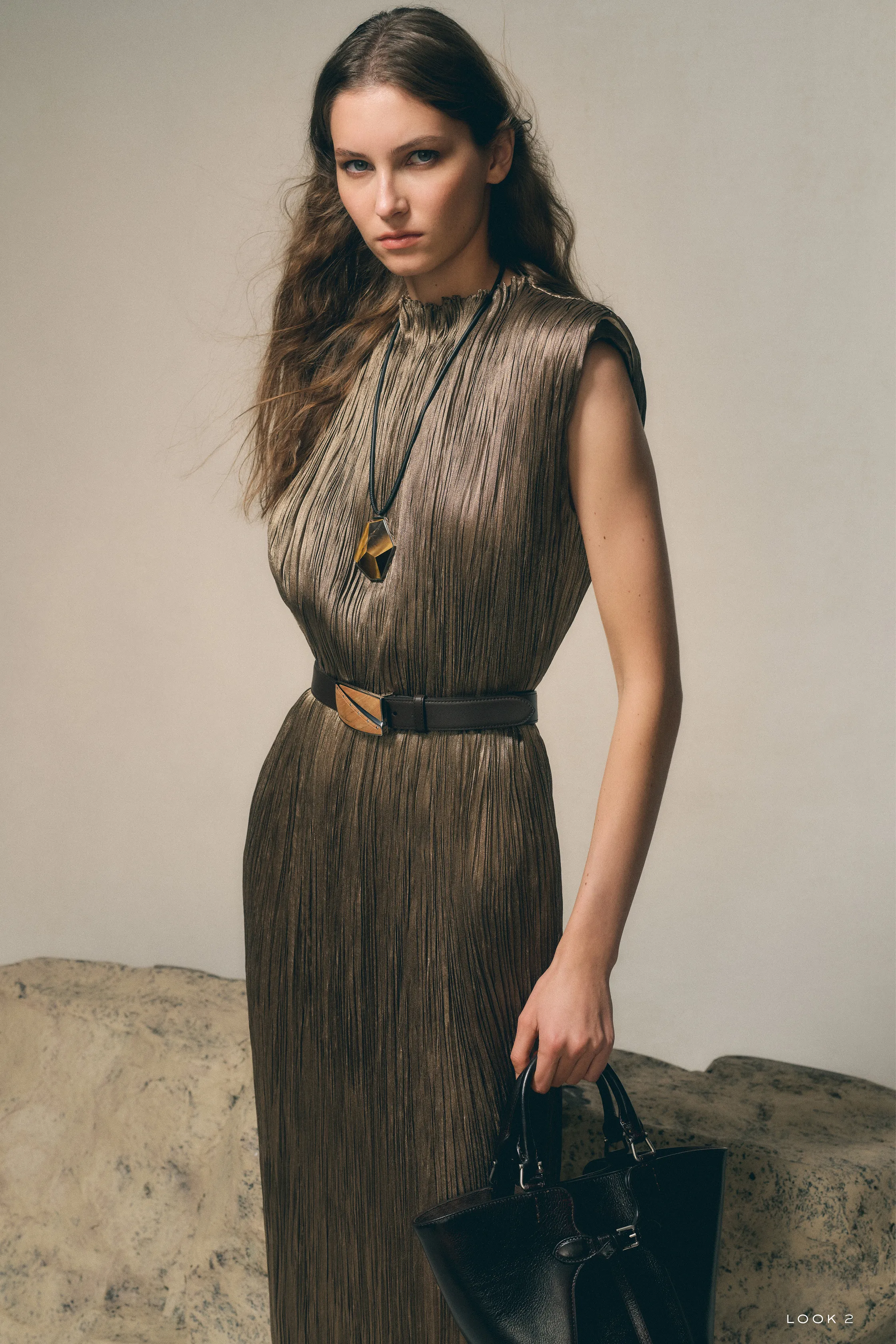
Delving into eveningwear, Lauren gently evokes the glamour of the 1930s – a decade he often references for its timeless elegance. One can see it in a series of ivory silk gowns that glide with bias-cut grace, each featuring built-in capelet shoulders that add sculptural poise to the otherwise fluid form. These gowns whisper of old Hollywood, yet they are pared-back enough to feel completely present-day. For instance, a show-stopping cocktail skirt showcases the house’s artisanship: composed of dozens of individual lacquered leather strips hand-applied over layers of tulle, it forms a shimmering black fringe that swings hypnotically with each step. Paired with a simple cashmere turtleneck, this piece epitomizes the collection’s ethos of understated drama. Knitwear, too, makes a statement. A matching set of ribbed sweater and long skirt comes in a pewter metallic yarn that has been specially treated for shine; the ensemble clings and drapes in all the right places, its metallic threads catching the light like ripples on water at dusk. It’s glamorous, yes, but also cozy – a prime example of Lauren’s talent for blending comfort with opulence.
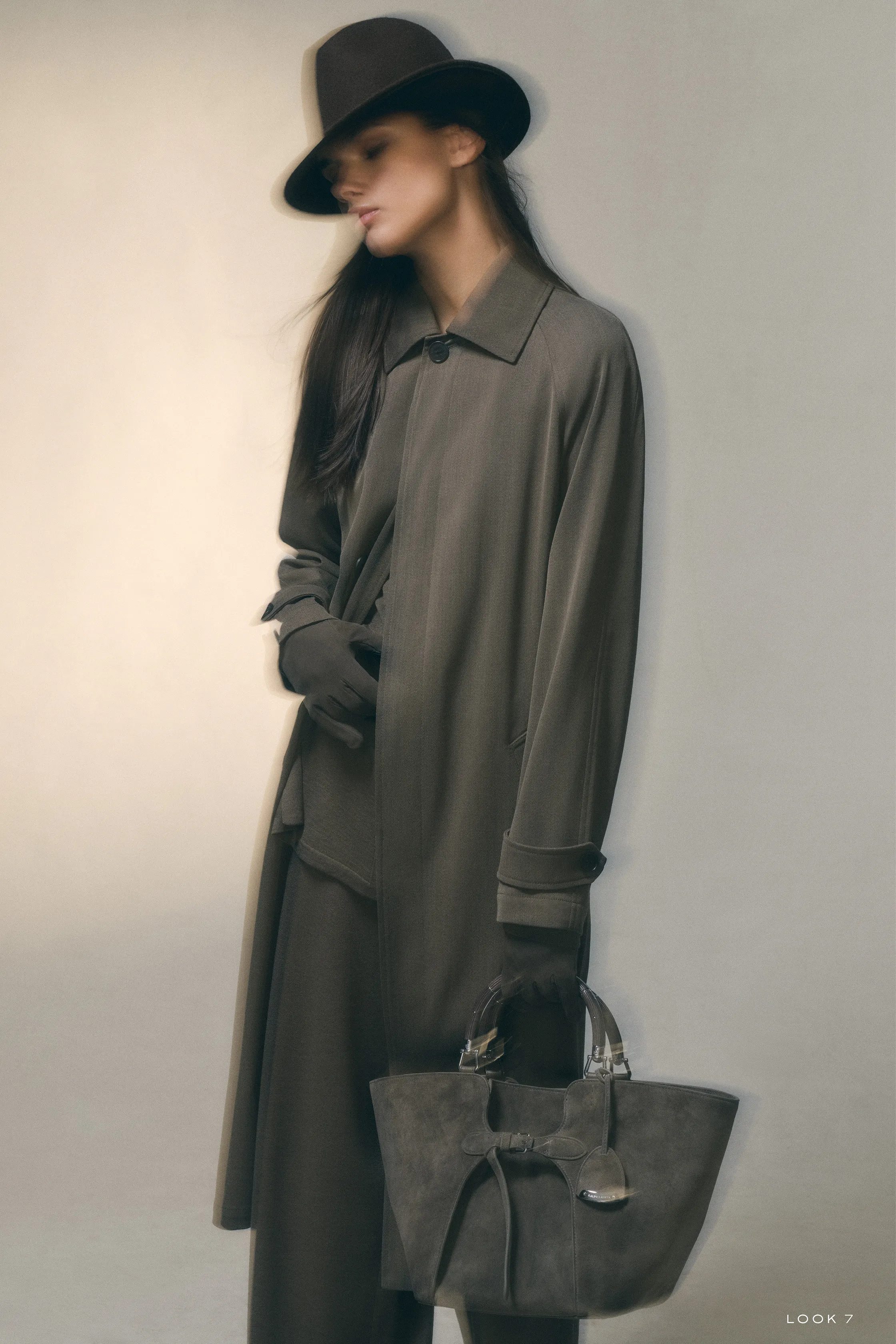
Finally, the outerwear offering cements the collection’s theme of pragmatic glamour. Even the most beautiful outfit must confront the elements, and Lauren ensures it can do so with style intact. Two instances of this are the collection’s silk bomber jacket and covert Balmacaan coat, which are coated in a nearly invisible film that renders them water-resistant to shield against autumn showers and wind. It speaks to how the collections explore innovative ideas and proportions while preserving the brand’s DNA of quality and sophistication. Modern Nature feels grounded in the natural world – its colors and tactility evoke rough-hewn landscapes and organic forms – yet each look is unmistakably urban in polish and versatility. As the house nears its 60th anniversary, the collection serves as another reminder of Ralph Lauren’s enduring mastery in balancing modernity and tradition, allowing its wearer to feel equally at home in nature’s embrace and the modern metropolis.
For Pre-Fall 2026, Ralph Lauren distills the essence of his brand into a collection that is at once earthy and elegant. Dubbed Modern Nature, the lineup finds harmony between the organic world and the cosmopolitan wardrobe, expressing a confident femininity shaped by ease, polish, and quiet strength. Lauren’s enduring house codes – impeccable tailoring, rich textures, and nods to bygone glamour – are all present, but they’re rendered with a fresh subtlety as if viewed through a sunlit, autumn haze. The color palette is drawn from the earth itself: mushroom taupe, warm chocolate, deep khaki green, stone grey, and granite blue. These tones anchor the collection, flowing seamlessly from day into evening. Far from feeling drab, the hues are alive with nuanced depth – a testament to the quality of materials and finishes that give each shade an inner glow. Even the most casual ensembles exude refinement; even the most formal hold an undercurrent of simplicity.
Tailoring remains the cornerstone of Ralph Lauren’s vision, and in this collection, it speaks in a softer register. Take the opening look: a sharp-shouldered double-breasted suit in lustrous cocoa-brown wool, cut with the precision of Savile Row yet styled with an unexpected nonchalance. Beneath the blazer’s structured lines, a silky bronze blouse is left partly unbuttoned, its liquid sheen catching the light, creating a subtle tension between masculine and feminine, structure and fluidity. This interplay of contrasts becomes a design language throughout the collection. In lieu of dramatic prints or logos, Lauren uses texture and finish to create visual interest. A supple trench coat is bonded with a barely-there metallic membrane, giving it a faint reflective gleam when it moves; a classic Balmacaan raincoat in oatmeal tweed is unexpectedly outfitted with a hidden technical lining, so raindrops bead off its surface even as it looks heritage-rich. High-shine satin skirts are grounded by rugged equestrian-inspired boots, and airy chiffon blouses are cinched at the waist with weighty leather belts. These elongated leather belts, in fact, emerge as a signature accessory of the season, wrapped and artfully knotted over everything from a smoky charcoal charmeuse dress to a chunky cream fisherman-knit sweater. The belts unify the diverse silhouettes, literally pulling together the looks and accentuating the waist with a bold, modern touch. They are at once decorative and functional, reinforcing both the shape and the self-assured attitude that permeates the collection.
Delving into eveningwear, Lauren gently evokes the glamour of the 1930s – a decade he often references for its timeless elegance. One can see it in a series of ivory silk gowns that glide with bias-cut grace, each featuring built-in capelet shoulders that add sculptural poise to the otherwise fluid form. These gowns whisper of old Hollywood, yet they are pared-back enough to feel completely present-day. For instance, a show-stopping cocktail skirt showcases the house’s artisanship: composed of dozens of individual lacquered leather strips hand-applied over layers of tulle, it forms a shimmering black fringe that swings hypnotically with each step. Paired with a simple cashmere turtleneck, this piece epitomizes the collection’s ethos of understated drama. Knitwear, too, makes a statement. A matching set of ribbed sweater and long skirt comes in a pewter metallic yarn that has been specially treated for shine; the ensemble clings and drapes in all the right places, its metallic threads catching the light like ripples on water at dusk. It’s glamorous, yes, but also cozy – a prime example of Lauren’s talent for blending comfort with opulence.
Finally, the outerwear offering cements the collection’s theme of pragmatic glamour. Even the most beautiful outfit must confront the elements, and Lauren ensures it can do so with style intact. Two instances of this are the collection’s silk bomber jacket and covert Balmacaan coat, which are coated in a nearly invisible film that renders them water-resistant to shield against autumn showers and wind. It speaks to how the collections explore innovative ideas and proportions while preserving the brand’s DNA of quality and sophistication. Modern Nature feels grounded in the natural world – its colors and tactility evoke rough-hewn landscapes and organic forms – yet each look is unmistakably urban in polish and versatility. As the house nears its 60th anniversary, the collection serves as another reminder of Ralph Lauren’s enduring mastery in balancing modernity and tradition, allowing its wearer to feel equally at home in nature’s embrace and the modern metropolis.
For Pre-Fall 2026, Ralph Lauren distills the essence of his brand into a collection that is at once earthy and elegant. Dubbed Modern Nature, the lineup finds harmony between the organic world and the cosmopolitan wardrobe, expressing a confident femininity shaped by ease, polish, and quiet strength. Lauren’s enduring house codes – impeccable tailoring, rich textures, and nods to bygone glamour – are all present, but they’re rendered with a fresh subtlety as if viewed through a sunlit, autumn haze. The color palette is drawn from the earth itself: mushroom taupe, warm chocolate, deep khaki green, stone grey, and granite blue. These tones anchor the collection, flowing seamlessly from day into evening. Far from feeling drab, the hues are alive with nuanced depth – a testament to the quality of materials and finishes that give each shade an inner glow. Even the most casual ensembles exude refinement; even the most formal hold an undercurrent of simplicity.
Tailoring remains the cornerstone of Ralph Lauren’s vision, and in this collection, it speaks in a softer register. Take the opening look: a sharp-shouldered double-breasted suit in lustrous cocoa-brown wool, cut with the precision of Savile Row yet styled with an unexpected nonchalance. Beneath the blazer’s structured lines, a silky bronze blouse is left partly unbuttoned, its liquid sheen catching the light, creating a subtle tension between masculine and feminine, structure and fluidity. This interplay of contrasts becomes a design language throughout the collection. In lieu of dramatic prints or logos, Lauren uses texture and finish to create visual interest. A supple trench coat is bonded with a barely-there metallic membrane, giving it a faint reflective gleam when it moves; a classic Balmacaan raincoat in oatmeal tweed is unexpectedly outfitted with a hidden technical lining, so raindrops bead off its surface even as it looks heritage-rich. High-shine satin skirts are grounded by rugged equestrian-inspired boots, and airy chiffon blouses are cinched at the waist with weighty leather belts. These elongated leather belts, in fact, emerge as a signature accessory of the season, wrapped and artfully knotted over everything from a smoky charcoal charmeuse dress to a chunky cream fisherman-knit sweater. The belts unify the diverse silhouettes, literally pulling together the looks and accentuating the waist with a bold, modern touch. They are at once decorative and functional, reinforcing both the shape and the self-assured attitude that permeates the collection.
Delving into eveningwear, Lauren gently evokes the glamour of the 1930s – a decade he often references for its timeless elegance. One can see it in a series of ivory silk gowns that glide with bias-cut grace, each featuring built-in capelet shoulders that add sculptural poise to the otherwise fluid form. These gowns whisper of old Hollywood, yet they are pared-back enough to feel completely present-day. For instance, a show-stopping cocktail skirt showcases the house’s artisanship: composed of dozens of individual lacquered leather strips hand-applied over layers of tulle, it forms a shimmering black fringe that swings hypnotically with each step. Paired with a simple cashmere turtleneck, this piece epitomizes the collection’s ethos of understated drama. Knitwear, too, makes a statement. A matching set of ribbed sweater and long skirt comes in a pewter metallic yarn that has been specially treated for shine; the ensemble clings and drapes in all the right places, its metallic threads catching the light like ripples on water at dusk. It’s glamorous, yes, but also cozy – a prime example of Lauren’s talent for blending comfort with opulence.
Finally, the outerwear offering cements the collection’s theme of pragmatic glamour. Even the most beautiful outfit must confront the elements, and Lauren ensures it can do so with style intact. Two instances of this are the collection’s silk bomber jacket and covert Balmacaan coat, which are coated in a nearly invisible film that renders them water-resistant to shield against autumn showers and wind. It speaks to how the collections explore innovative ideas and proportions while preserving the brand’s DNA of quality and sophistication. Modern Nature feels grounded in the natural world – its colors and tactility evoke rough-hewn landscapes and organic forms – yet each look is unmistakably urban in polish and versatility. As the house nears its 60th anniversary, the collection serves as another reminder of Ralph Lauren’s enduring mastery in balancing modernity and tradition, allowing its wearer to feel equally at home in nature’s embrace and the modern metropolis.
Our Favourite Looks
Our Favourite Looks
Our Favourite Looks
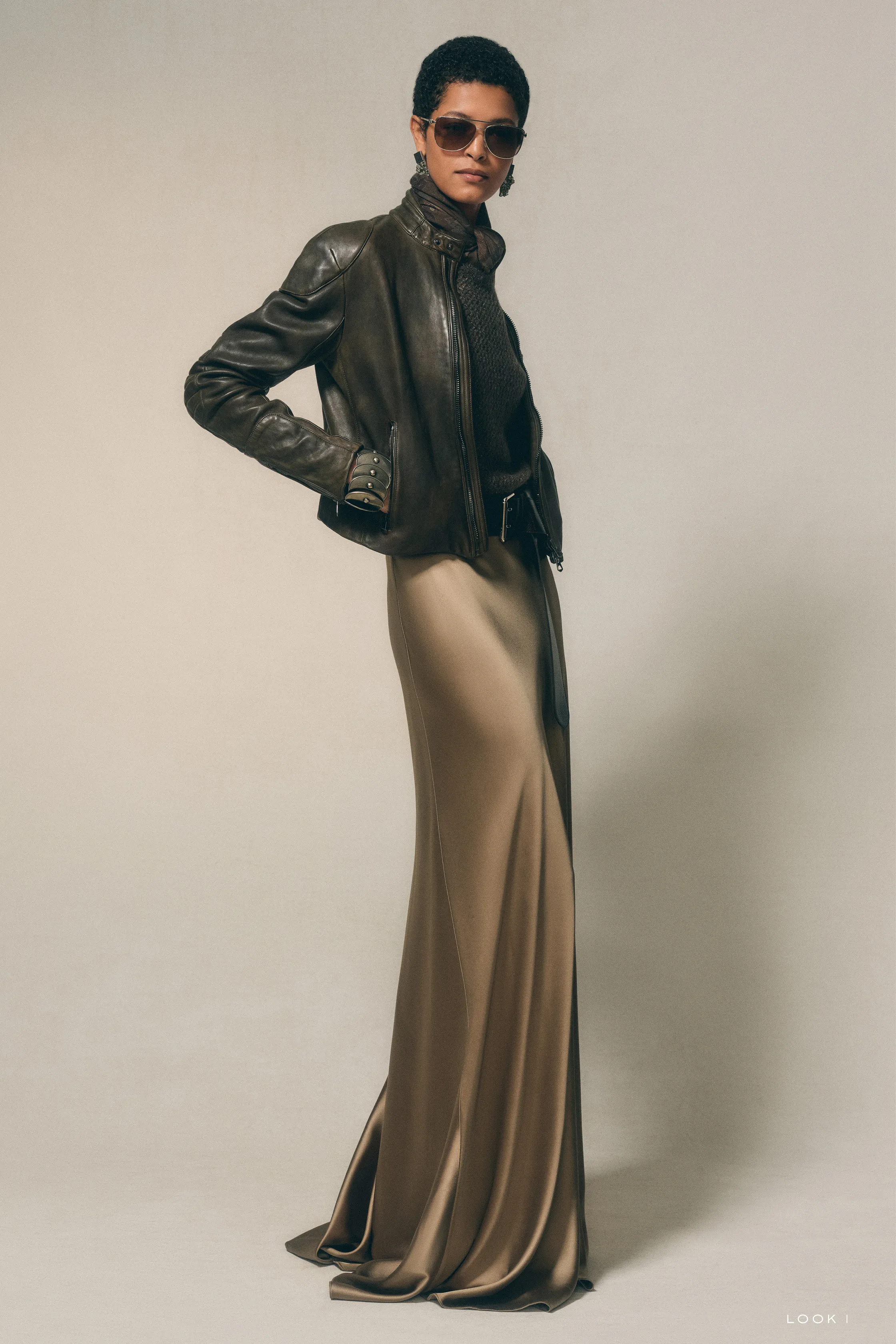
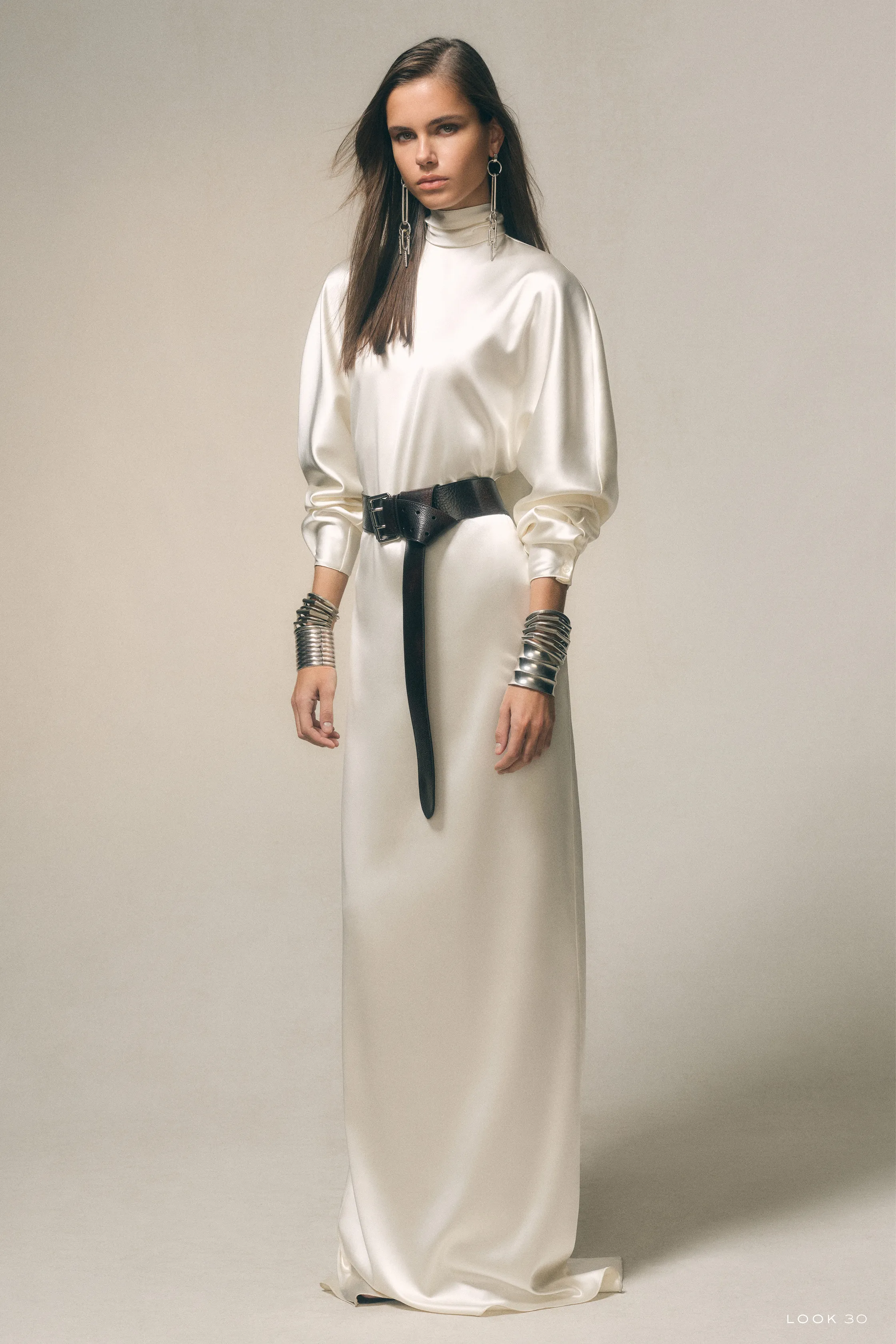
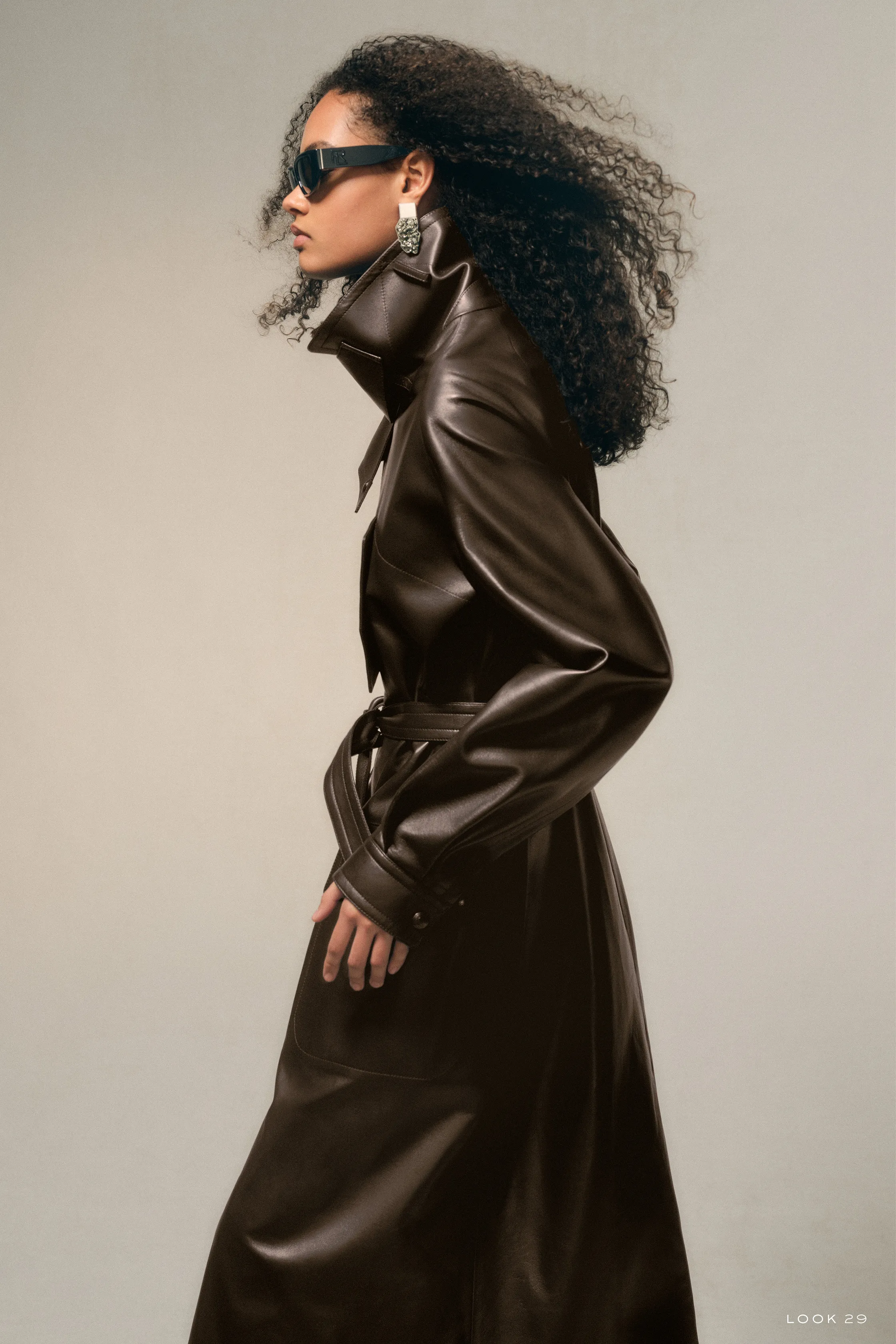
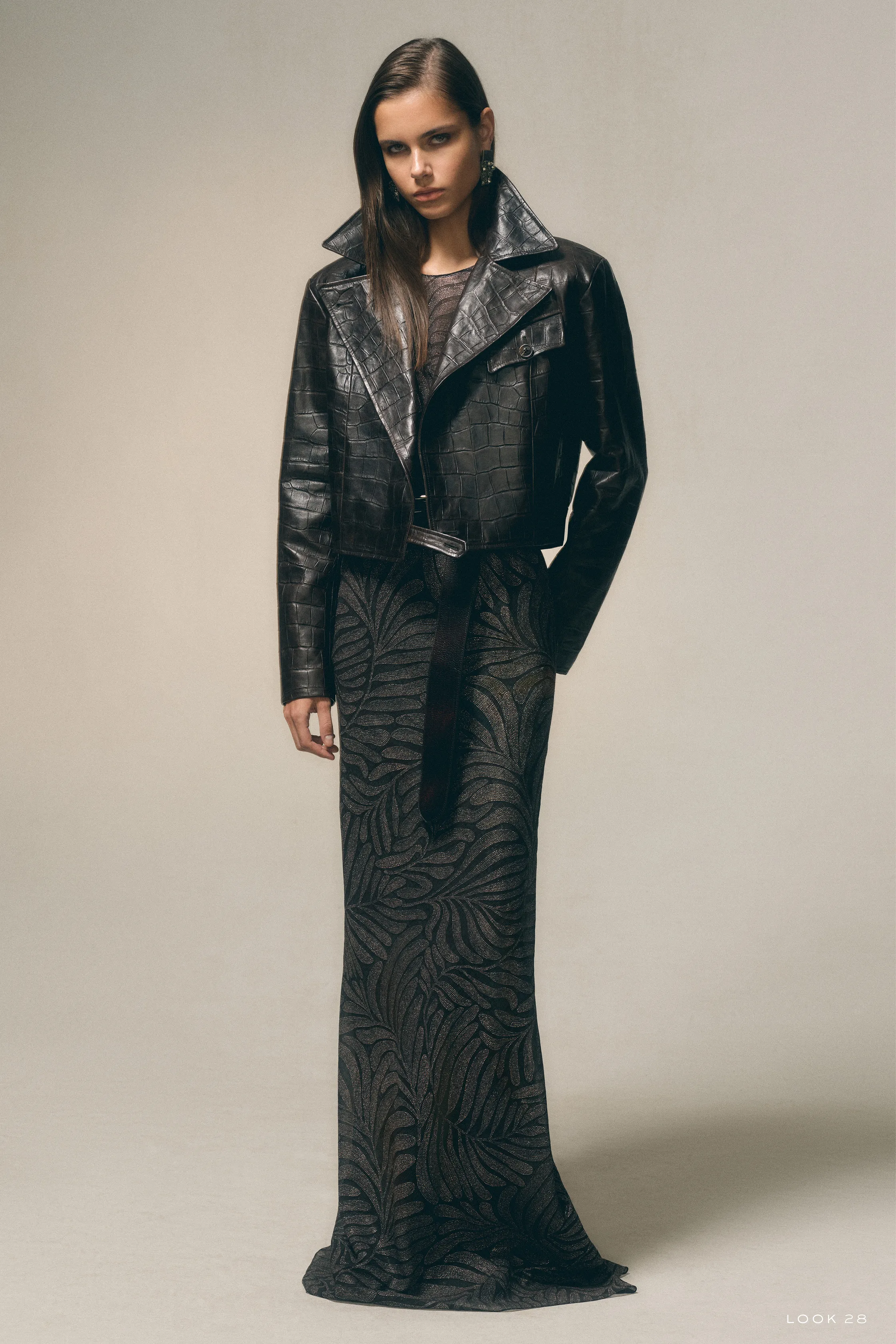
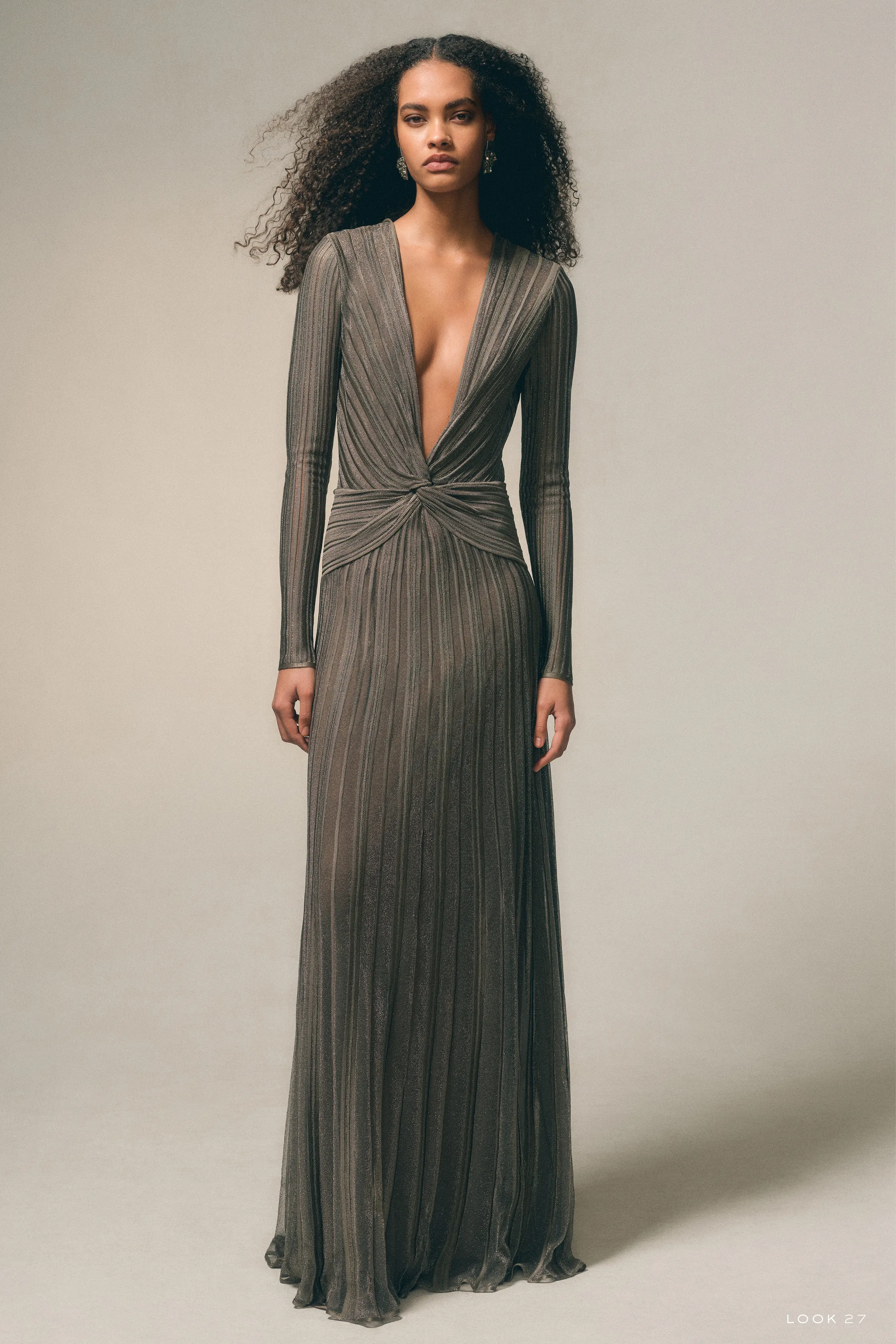
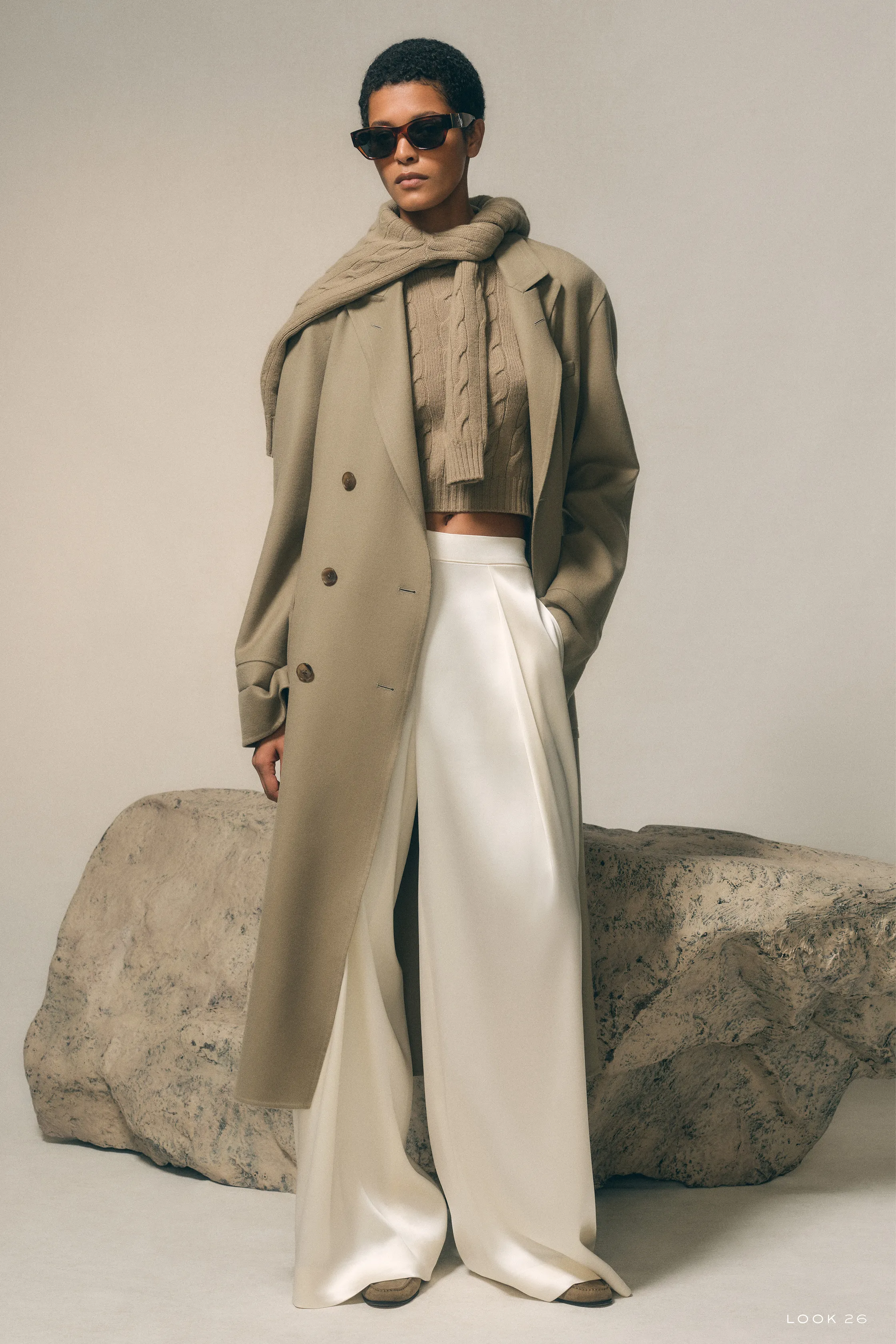
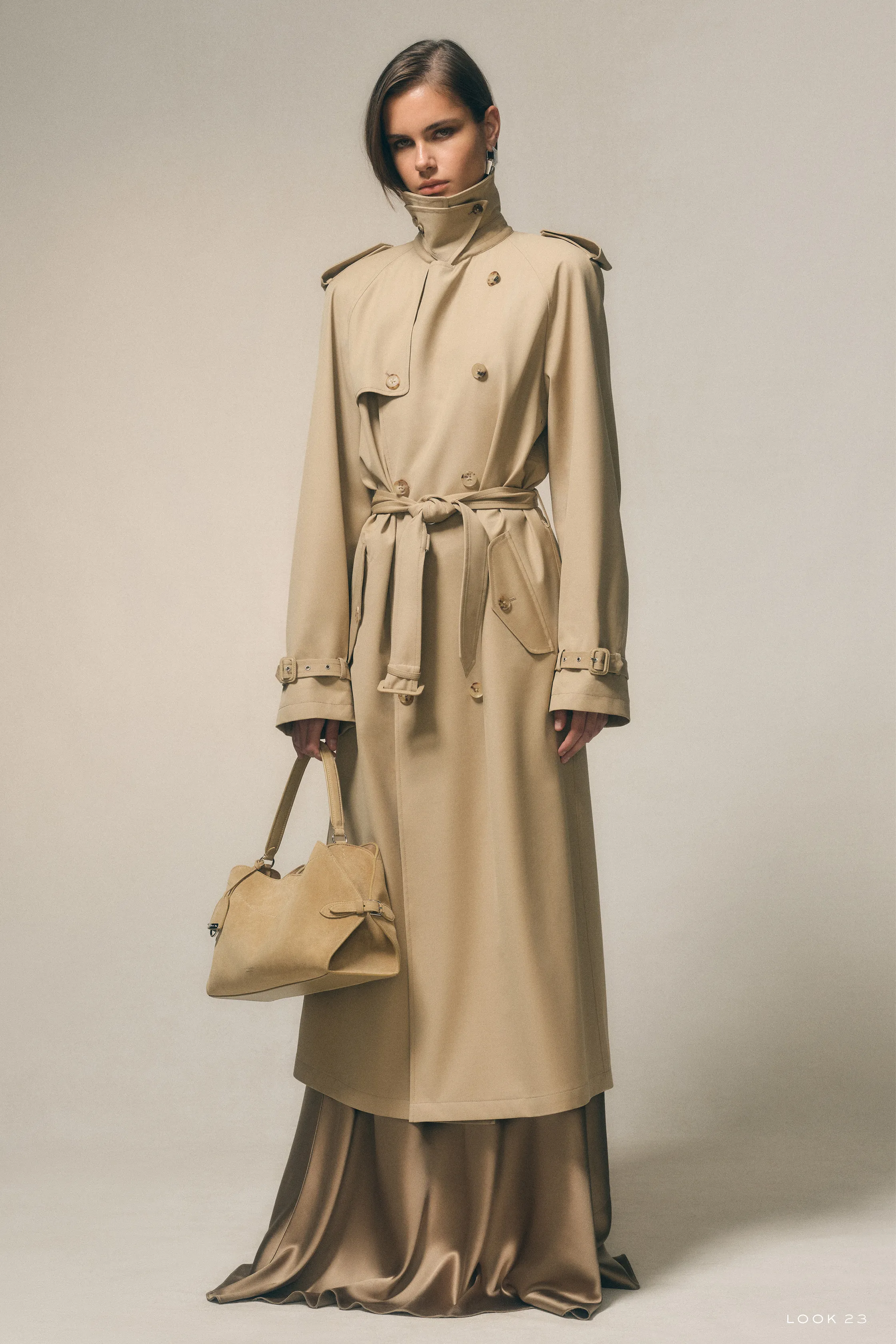
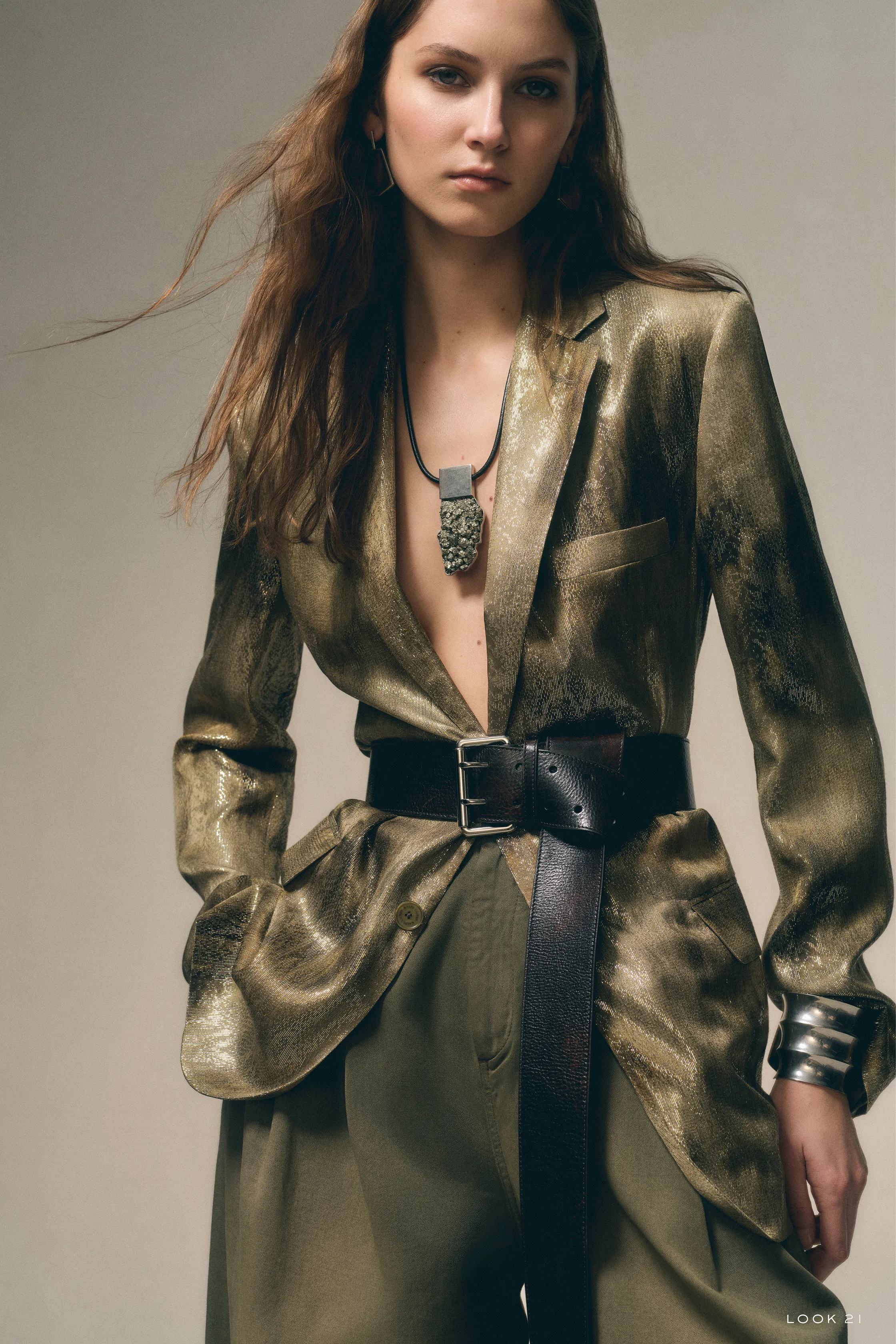
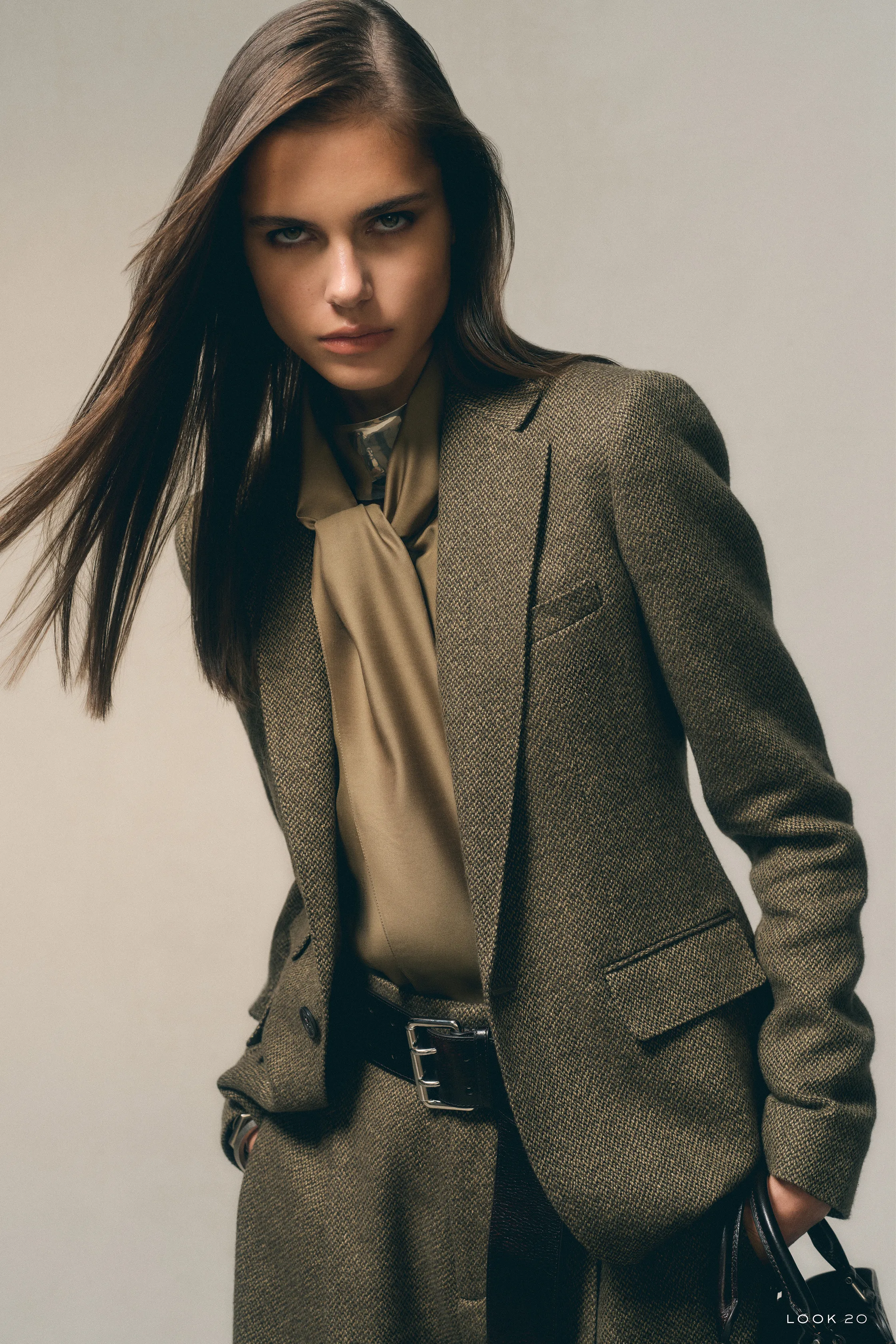
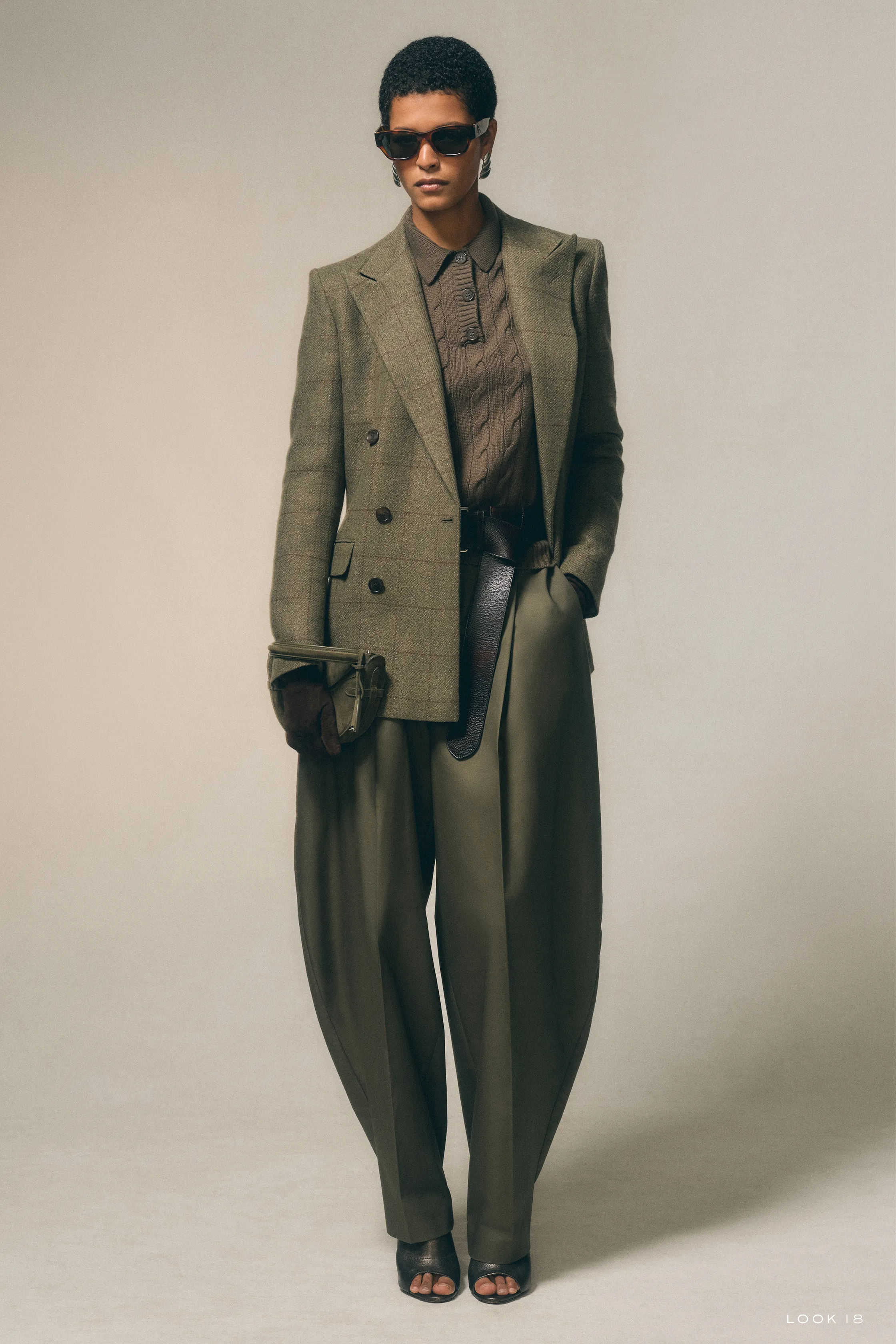
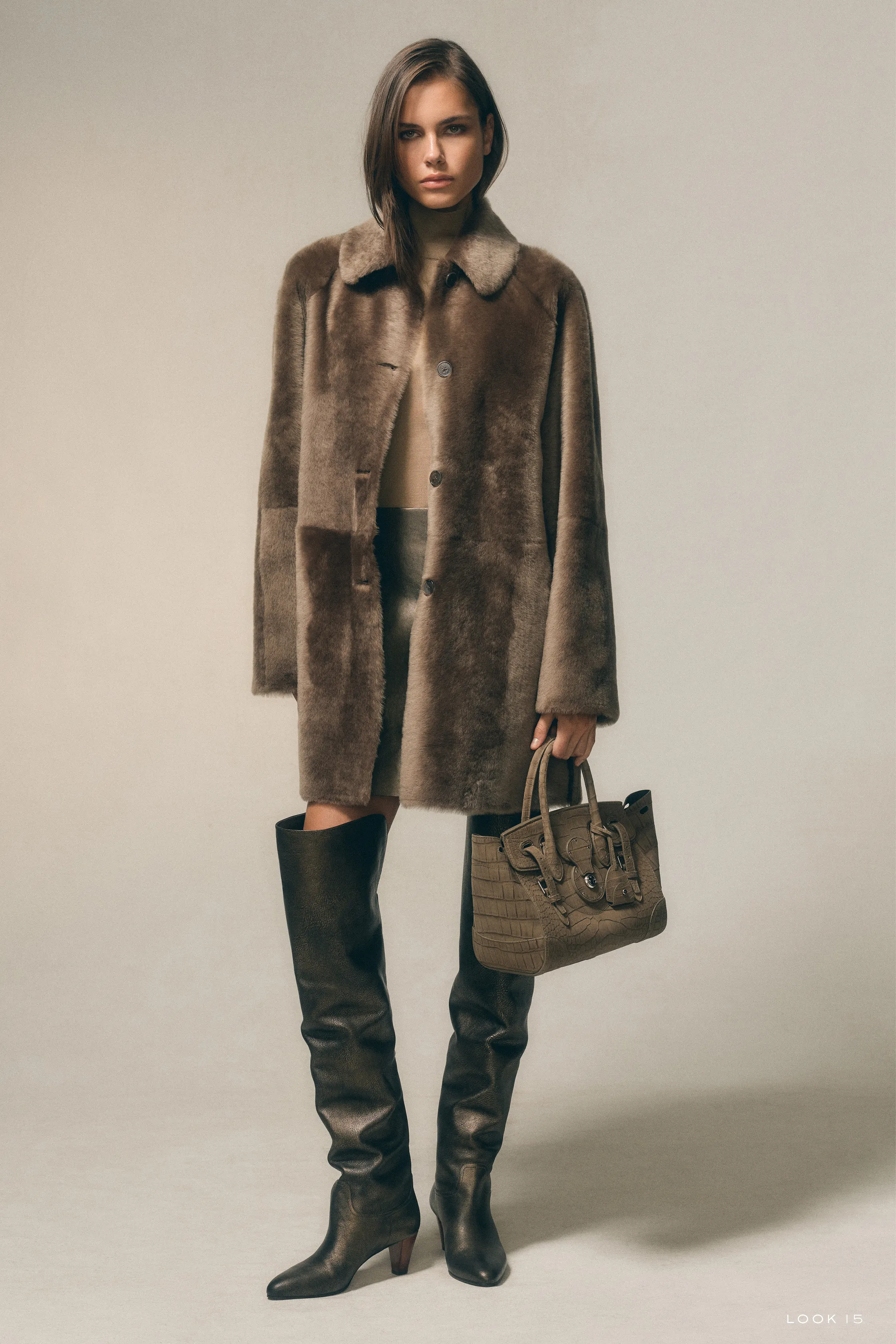
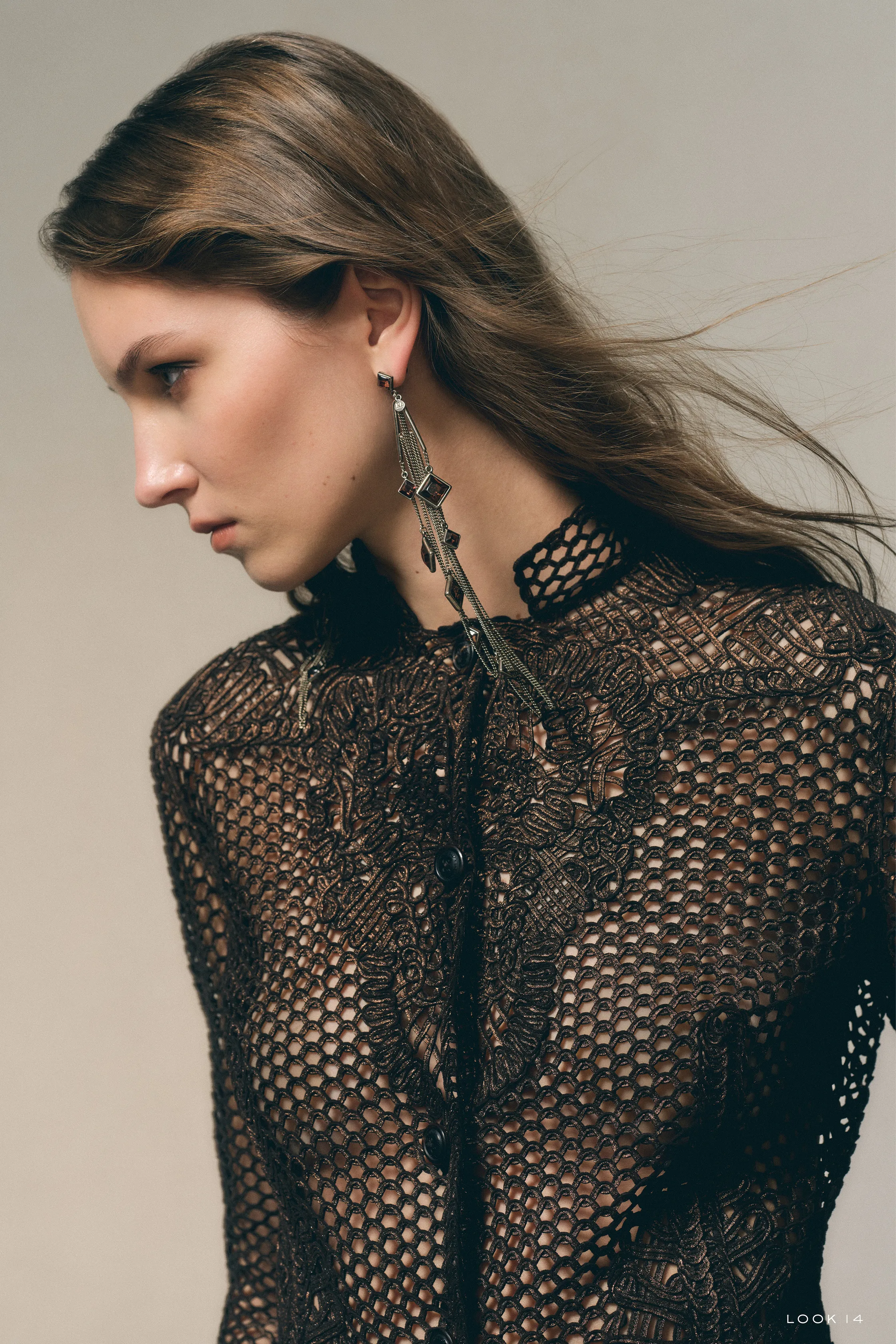
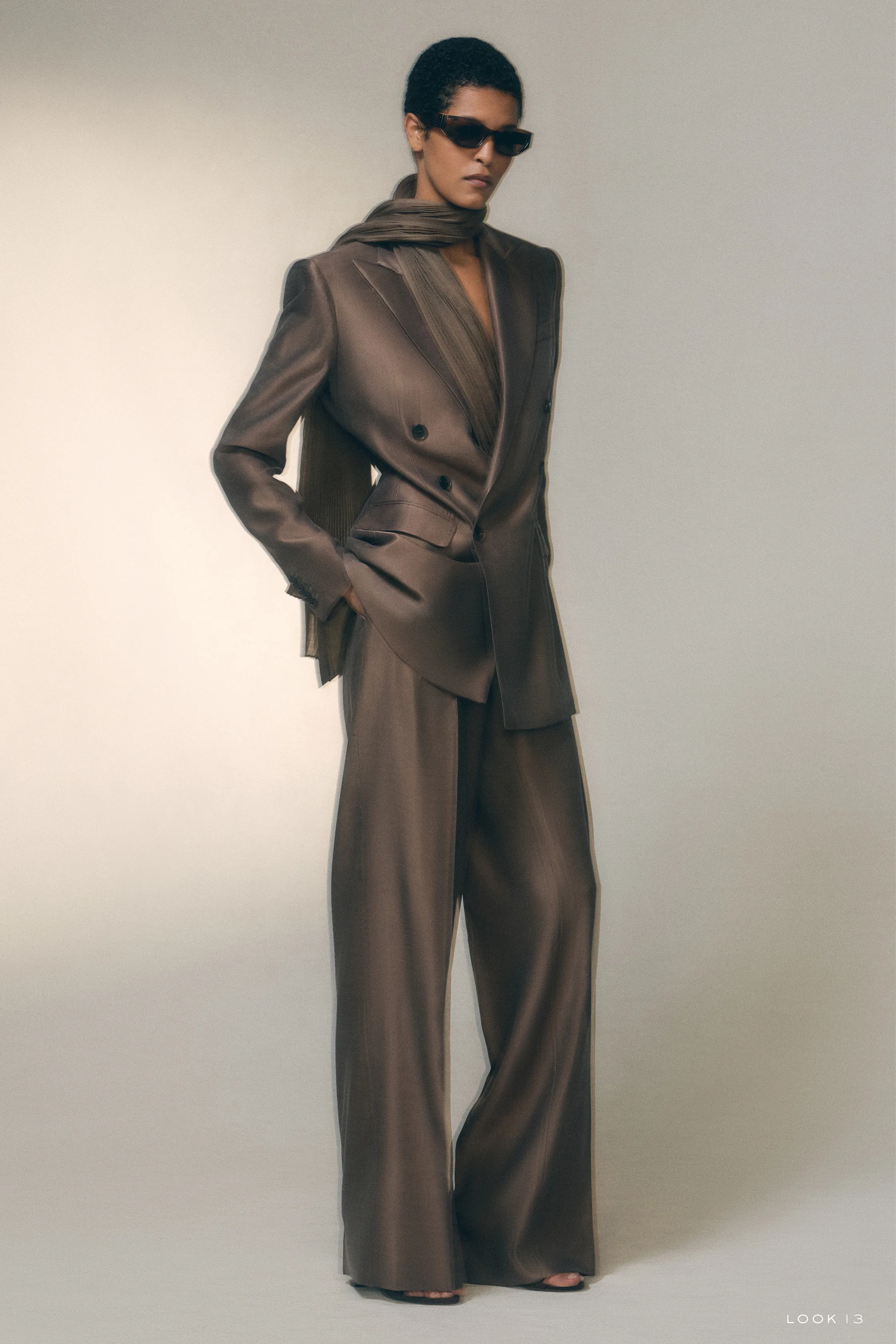
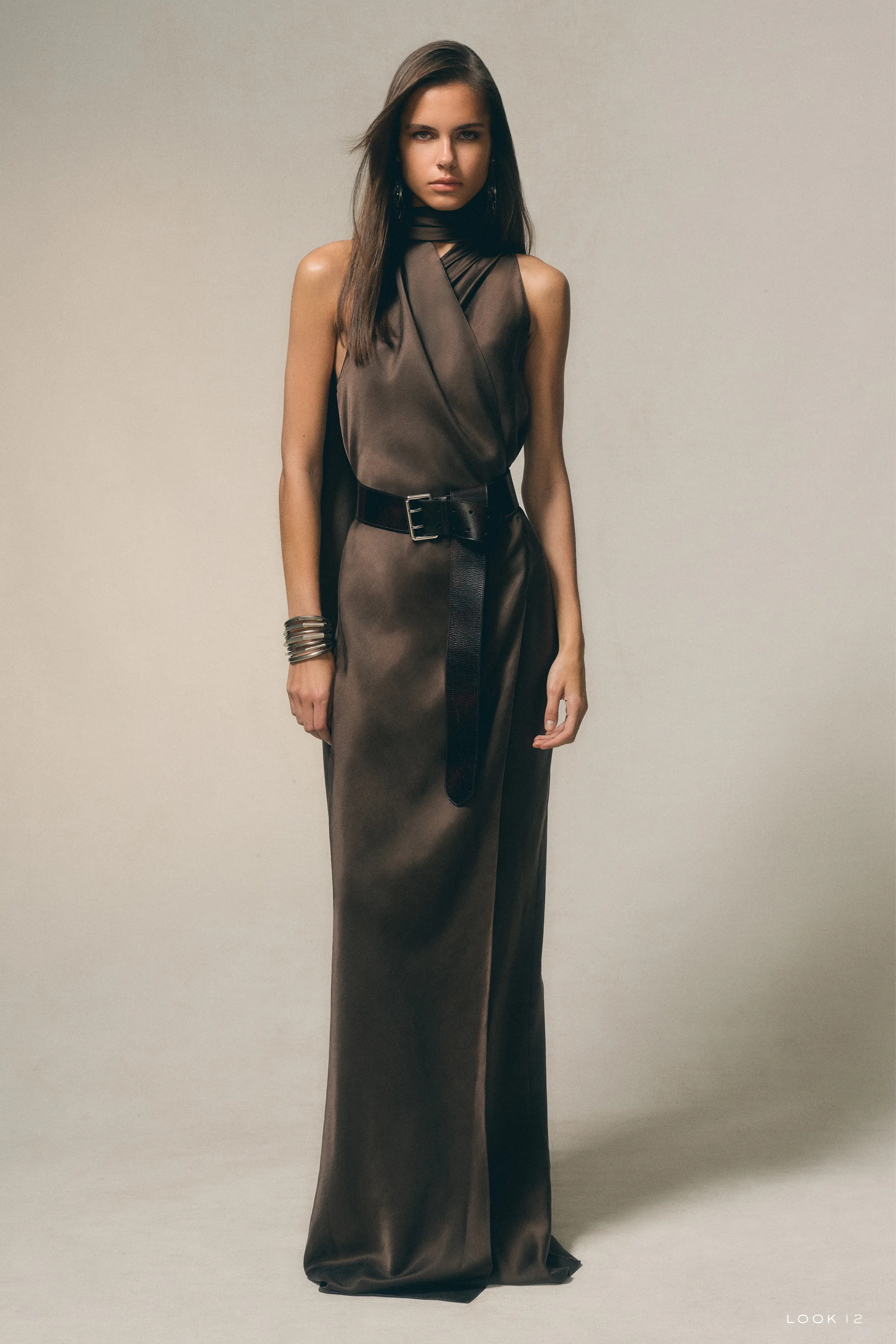
Courtesy of Ralph Lauren.
Courtesy of Ralph Lauren.
Courtesy of Ralph Lauren.
Chanel Métiers d’Art 2026
Chanel Métiers d’Art 2026
Chanel Métiers d’Art 2026
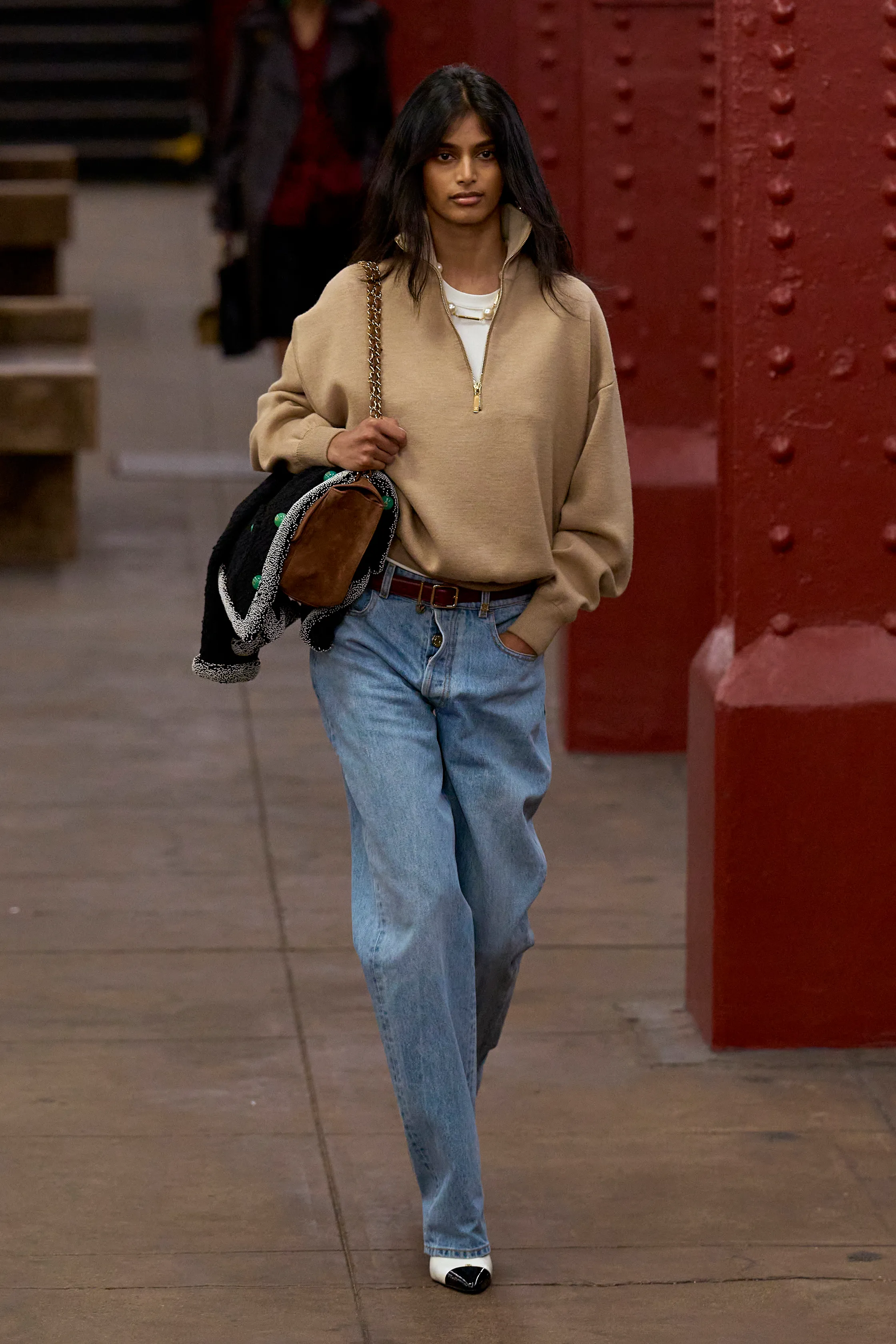
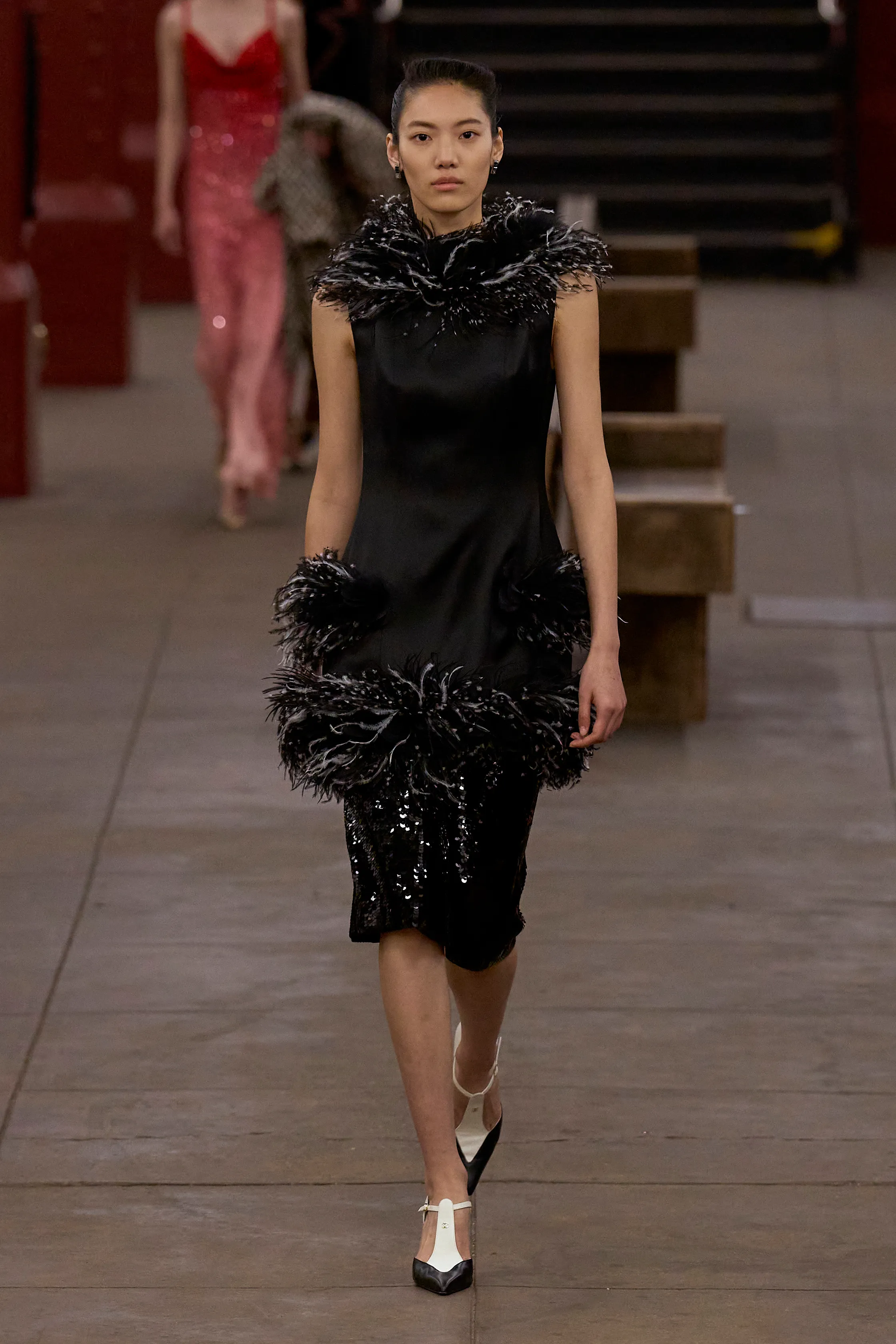
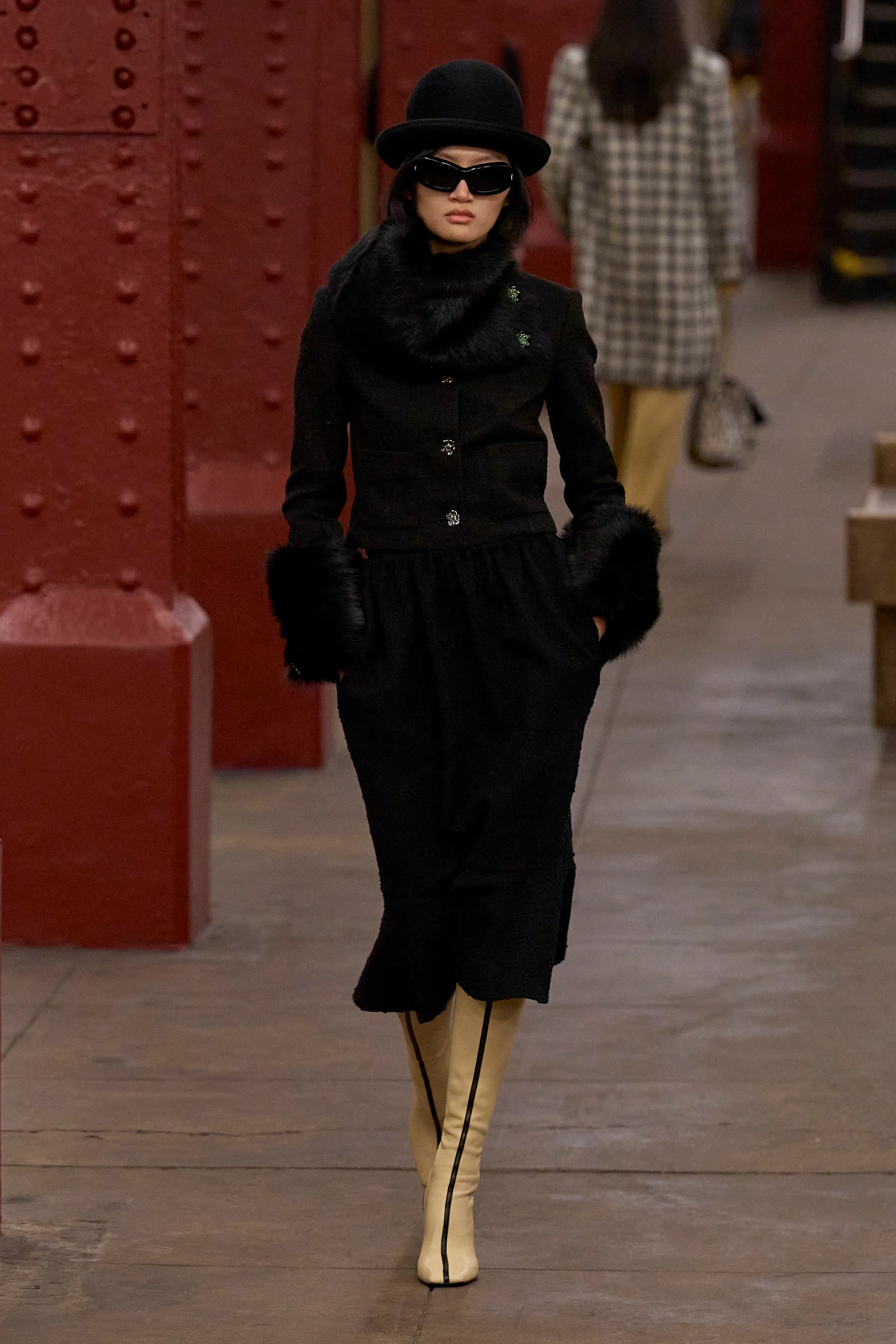
Chanel’s Métiers d’Art 2026 collection arrived as a theatrical tour de force, igniting the storied house with a surge of urban energy. For his Métiers d’Art debut at Chanel, newly appointed creative director Matthieu Blazy staged a cinematic presentation that boldly departed from the brand’s recent tradition. The setting alone was a statement: an abandoned subway platform deep beneath New York City, transformed into a catwalk with an edgy downtown vibe. In this unlikely venue – all tiled columns and gritty nostalgia – Blazy wove a love letter between Chanel’s Parisian refinement and New York’s raw glamour. Nicknamed “The C Line” (a witty allusion to both Chanel’s iconic initial and NYC’s subway routes), the collection played out like a reel of metropolitan vignettes. Models emerged from a stationary subway car and glided down the platform as if they were characters in an old Manhattan movie, each look telling its own tale. Blazy, ever the storyteller, drew inspiration from archetypal city dwellers of eras past: the sharp-eyed 1930s newspaper journalist in a slouchy menswear coat and felt hat; the 1970s bohemian artist in flowing knitwear and stacks of costume jewelry; the 1980s power executive in a bold-shouldered suit strutting to her next deal. However, these references were not mere costumes; Blazy deftly reframed each with modern ease and a touch of the surreal, suggesting that the spirit of those characters lives on in today’s Chanel woman. In a nod to the house’s own history, he even slipped in an homage to Gabrielle “Coco” Chanel’s 1931 trip to America to dress Hollywood starlets – proof that Chanel’s dialogue with NYC is long-standing. The overall effect was transportive: one part Broadway, one part demi-couture salon, and wholly mesmerizing.
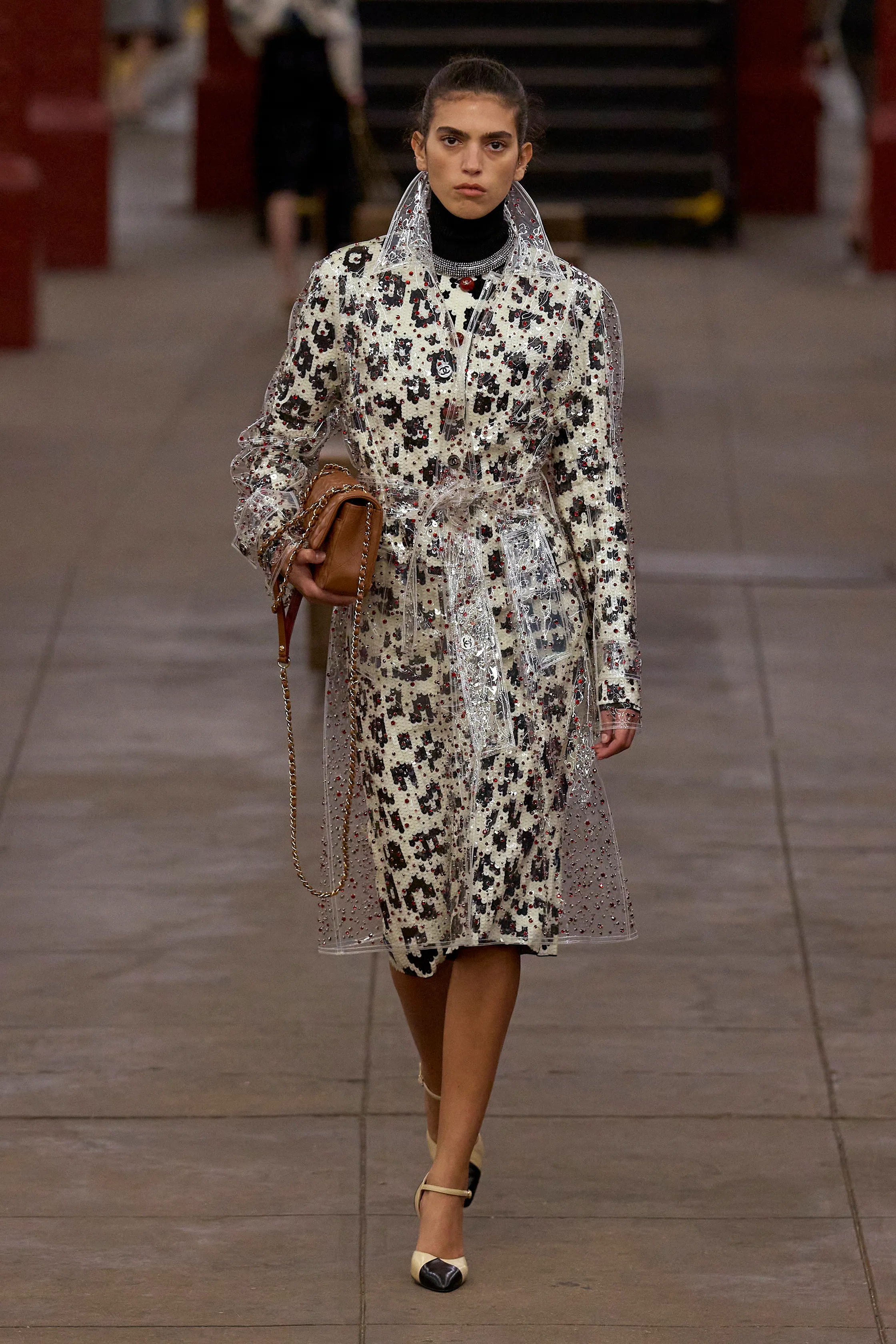
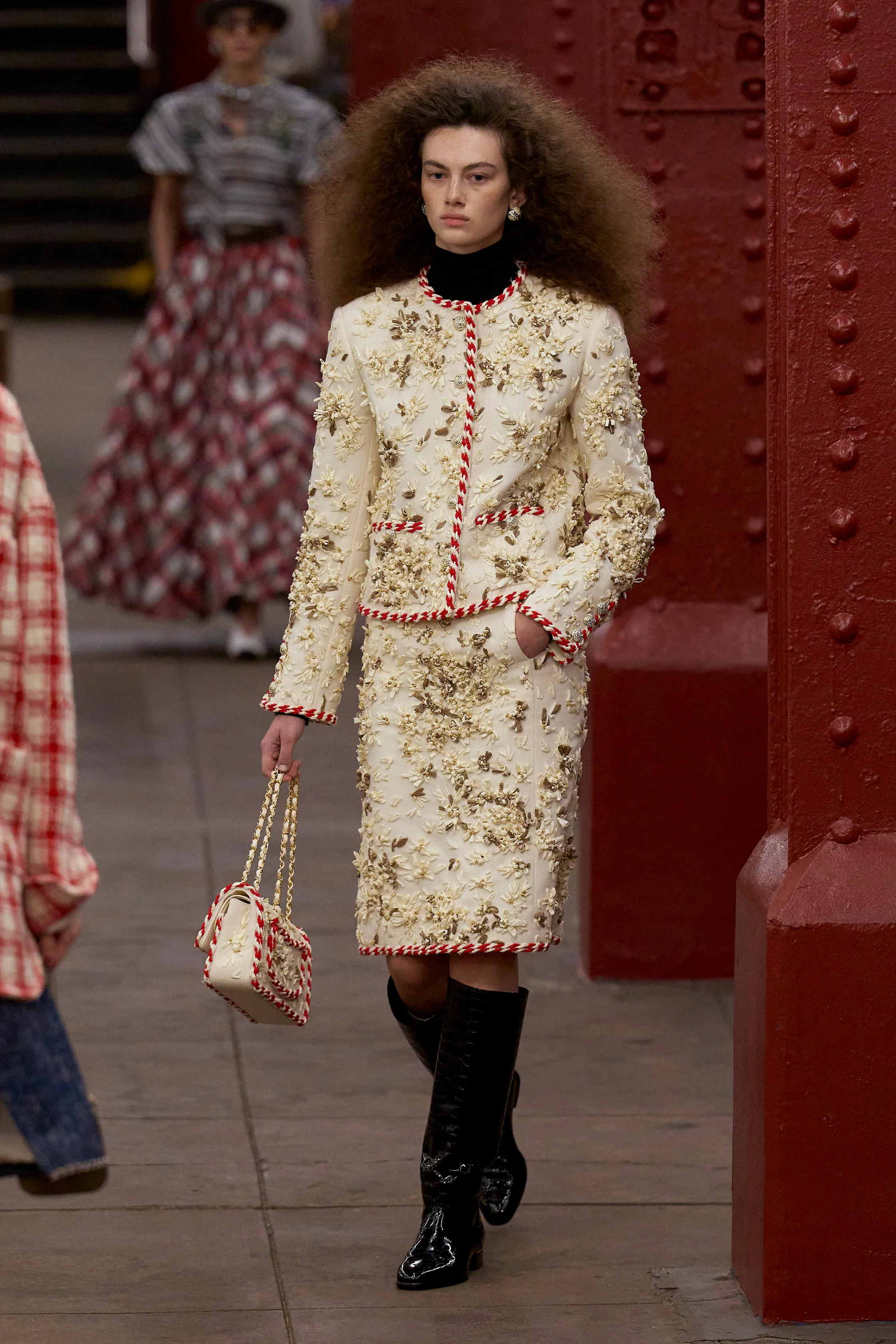
Central to Blazy’s vision was the reinterpretation of Chanel’s signature codes through a fresh, urban lens. Take the house’s iconic tweed jackets, for instance: some were cut with slightly exaggerated proportions – elongated sleeves, broad lapels – exuding a laissez-faire cool when paired with fluid silk trousers that swished like track pants. Others were cropped and nipped, worn over pencil skirts in motion-blurred plaid, channeling an updated power suit for the city that never sleeps. In one particularly memorable ensemble, a graphite-grey tweed jacket with metallic thread was shown over a sheer organza blouse and leather leggings – the interplay of textures speaking to the collection’s theme of hidden glamour in gritty places. Blazy also toyed with outerwear staples: trench coats appeared in unexpected iterations, from a translucent vinyl trench that revealed glimpses of sequined leopard print lining beneath (a wink of subversive luxury), to a graffitied canvas trench that, on closer look, featured embroidered camellia flowers mingling with street-art scribbles. These pieces encapsulated the collection’s layered approach – literally and figuratively – to blending elegance with edginess. Knitwear provided punches of pure pop color. Bold intarsia sweaters in primary red, yellow, and blue peeked out amid the neutrals, a nod to comic book art and to the everyday visuals of city life (think subway ads and neon signs) – demonstrating Blazy’s willingness to bend Chanel’s traditional vocabulary with a youthful verve, without veering into kitsch.
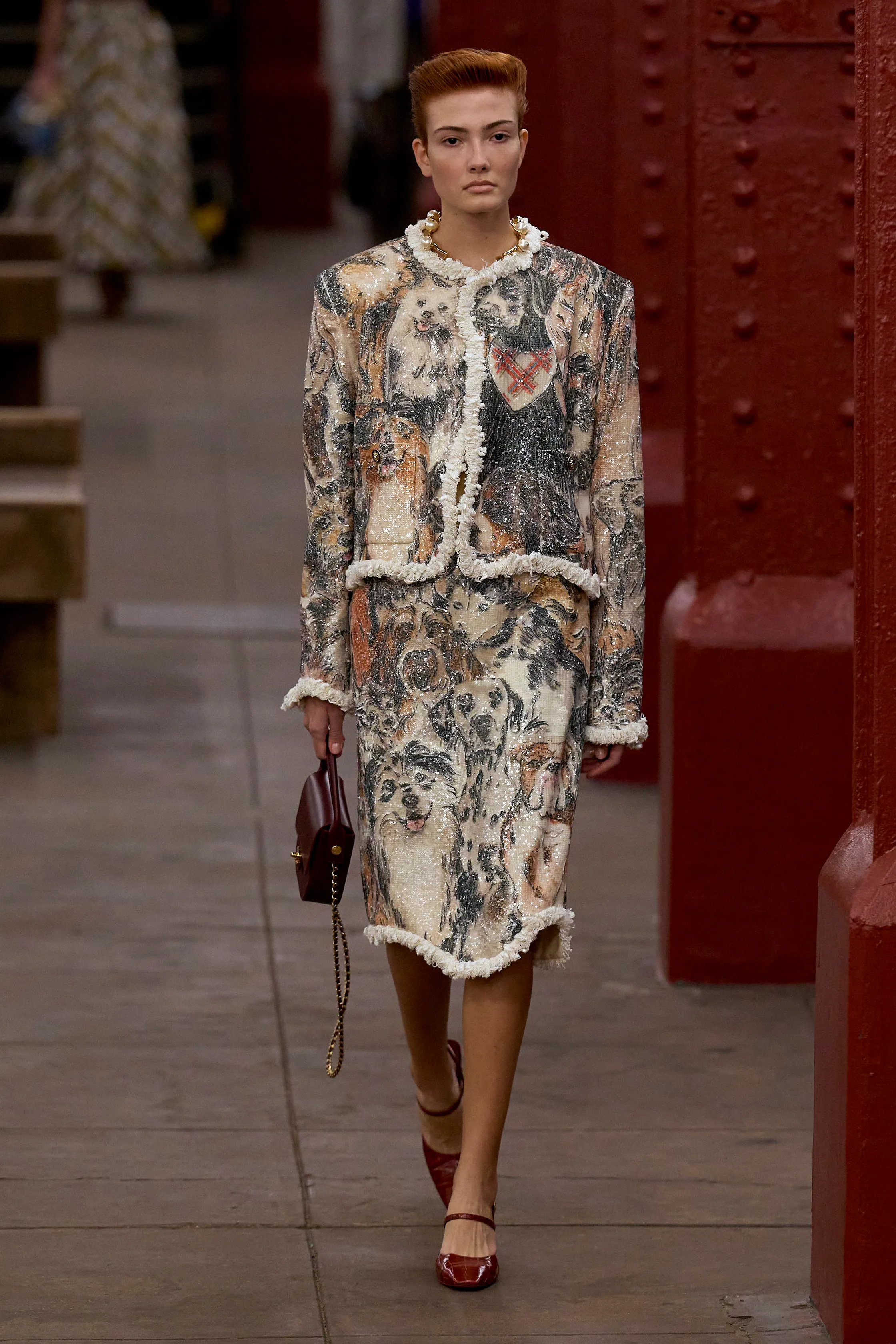
As expected from a Métiers d’Art collection, the eveningwear and embellishment work were nothing short of splendid – each piece a testament to the artisans’ craft. Feathers, beads, lace, and sequins were employed not just decoratively but narratively. While one look paid tribute to New York’s skyline through a calf-length skirt covered entirely in gleaming paillettes shaped like tiny inverted Empire State Building silhouettes, another was adorned with dozens of petite embroidered dog faces along the hem, serving as a charming tribute to the city’s beloved canine companions and a reminder not to take fashion too seriously. Even the accessories carried narrative heft, as evening clutches took the shape of a lacquered apple brimming with gilt detailing, a Chanel-embossed peanut, and an acorn rendered in gleaming metal and textured finishes. Even a take-out coffee cup was transformed into a minaudière – immortalizing the caffeine-fueled mornings of New Yorkers in a luxe rendition.
Throughout Chanel Métiers d’Art 2026, Blazy maintained a delicate balance between grit and glamour, tradition and transformation. Despite the subway’s rough backdrop, the clothes themselves radiated a polished sophistication – a contrast very much conjured intentionally. Blazy has spoken of his fascination with the democratic spirit of public transit, a place where “every kind of life converges.” He brought that philosophy to the collection by mixing high and low, blending the diverse wardrobes of a city into one coherent Chanel narrative. The message is clear: Chanel can live in the real world, roaming from the elegance of the Upper East Side to the creative chaos of downtown – all without losing its identity. The camellias, the pearls, the tweeds, all can find thrilling new life when set against unexpected backdrops and pop culture influences. (Readers wishing to explore the collection further can find our full-length feature on Chanel’s Métiers d’Art 2026 here, where we examine its inspirations and craftsmanship in greater depth.)
Chanel’s Métiers d’Art 2026 collection arrived as a theatrical tour de force, igniting the storied house with a surge of urban energy. For his Métiers d’Art debut at Chanel, newly appointed creative director Matthieu Blazy staged a cinematic presentation that boldly departed from the brand’s recent tradition. The setting alone was a statement: an abandoned subway platform deep beneath New York City, transformed into a catwalk with an edgy downtown vibe. In this unlikely venue – all tiled columns and gritty nostalgia – Blazy wove a love letter between Chanel’s Parisian refinement and New York’s raw glamour. Nicknamed “The C Line” (a witty allusion to both Chanel’s iconic initial and NYC’s subway routes), the collection played out like a reel of metropolitan vignettes. Models emerged from a stationary subway car and glided down the platform as if they were characters in an old Manhattan movie, each look telling its own tale. Blazy, ever the storyteller, drew inspiration from archetypal city dwellers of eras past: the sharp-eyed 1930s newspaper journalist in a slouchy menswear coat and felt hat; the 1970s bohemian artist in flowing knitwear and stacks of costume jewelry; the 1980s power executive in a bold-shouldered suit strutting to her next deal. However, these references were not mere costumes; Blazy deftly reframed each with modern ease and a touch of the surreal, suggesting that the spirit of those characters lives on in today’s Chanel woman. In a nod to the house’s own history, he even slipped in an homage to Gabrielle “Coco” Chanel’s 1931 trip to America to dress Hollywood starlets – proof that Chanel’s dialogue with NYC is long-standing. The overall effect was transportive: one part Broadway, one part demi-couture salon, and wholly mesmerizing.
Central to Blazy’s vision was the reinterpretation of Chanel’s signature codes through a fresh, urban lens. Take the house’s iconic tweed jackets, for instance: some were cut with slightly exaggerated proportions – elongated sleeves, broad lapels – exuding a laissez-faire cool when paired with fluid silk trousers that swished like track pants. Others were cropped and nipped, worn over pencil skirts in motion-blurred plaid, channeling an updated power suit for the city that never sleeps. In one particularly memorable ensemble, a graphite-grey tweed jacket with metallic thread was shown over a sheer organza blouse and leather leggings – the interplay of textures speaking to the collection’s theme of hidden glamour in gritty places. Blazy also toyed with outerwear staples: trench coats appeared in unexpected iterations, from a translucent vinyl trench that revealed glimpses of sequined leopard print lining beneath (a wink of subversive luxury), to a graffitied canvas trench that, on closer look, featured embroidered camellia flowers mingling with street-art scribbles. These pieces encapsulated the collection’s layered approach – literally and figuratively – to blending elegance with edginess. Knitwear provided punches of pure pop color. Bold intarsia sweaters in primary red, yellow, and blue peeked out amid the neutrals, a nod to comic book art and to the everyday visuals of city life (think subway ads and neon signs) – demonstrating Blazy’s willingness to bend Chanel’s traditional vocabulary with a youthful verve, without veering into kitsch.
As expected from a Métiers d’Art collection, the eveningwear and embellishment work were nothing short of splendid – each piece a testament to the artisans’ craft. Feathers, beads, lace, and sequins were employed not just decoratively but narratively. While one look paid tribute to New York’s skyline through a calf-length skirt covered entirely in gleaming paillettes shaped like tiny inverted Empire State Building silhouettes, another was adorned with dozens of petite embroidered dog faces along the hem, serving as a charming tribute to the city’s beloved canine companions and a reminder not to take fashion too seriously. Even the accessories carried narrative heft, as evening clutches took the shape of a lacquered apple brimming with gilt detailing, a Chanel-embossed peanut, and an acorn rendered in gleaming metal and textured finishes. Even a take-out coffee cup was transformed into a minaudière – immortalizing the caffeine-fueled mornings of New Yorkers in a luxe rendition.
Throughout Chanel Métiers d’Art 2026, Blazy maintained a delicate balance between grit and glamour, tradition and transformation. Despite the subway’s rough backdrop, the clothes themselves radiated a polished sophistication – a contrast very much conjured intentionally. Blazy has spoken of his fascination with the democratic spirit of public transit, a place where “every kind of life converges.” He brought that philosophy to the collection by mixing high and low, blending the diverse wardrobes of a city into one coherent Chanel narrative. The message is clear: Chanel can live in the real world, roaming from the elegance of the Upper East Side to the creative chaos of downtown – all without losing its identity. The camellias, the pearls, the tweeds, all can find thrilling new life when set against unexpected backdrops and pop culture influences. (Readers wishing to explore the collection further can find our full-length feature on Chanel’s Métiers d’Art 2026 here, where we examine its inspirations and craftsmanship in greater depth.)
Chanel’s Métiers d’Art 2026 collection arrived as a theatrical tour de force, igniting the storied house with a surge of urban energy. For his Métiers d’Art debut at Chanel, newly appointed creative director Matthieu Blazy staged a cinematic presentation that boldly departed from the brand’s recent tradition. The setting alone was a statement: an abandoned subway platform deep beneath New York City, transformed into a catwalk with an edgy downtown vibe. In this unlikely venue – all tiled columns and gritty nostalgia – Blazy wove a love letter between Chanel’s Parisian refinement and New York’s raw glamour. Nicknamed “The C Line” (a witty allusion to both Chanel’s iconic initial and NYC’s subway routes), the collection played out like a reel of metropolitan vignettes. Models emerged from a stationary subway car and glided down the platform as if they were characters in an old Manhattan movie, each look telling its own tale. Blazy, ever the storyteller, drew inspiration from archetypal city dwellers of eras past: the sharp-eyed 1930s newspaper journalist in a slouchy menswear coat and felt hat; the 1970s bohemian artist in flowing knitwear and stacks of costume jewelry; the 1980s power executive in a bold-shouldered suit strutting to her next deal. However, these references were not mere costumes; Blazy deftly reframed each with modern ease and a touch of the surreal, suggesting that the spirit of those characters lives on in today’s Chanel woman. In a nod to the house’s own history, he even slipped in an homage to Gabrielle “Coco” Chanel’s 1931 trip to America to dress Hollywood starlets – proof that Chanel’s dialogue with NYC is long-standing. The overall effect was transportive: one part Broadway, one part demi-couture salon, and wholly mesmerizing.
Central to Blazy’s vision was the reinterpretation of Chanel’s signature codes through a fresh, urban lens. Take the house’s iconic tweed jackets, for instance: some were cut with slightly exaggerated proportions – elongated sleeves, broad lapels – exuding a laissez-faire cool when paired with fluid silk trousers that swished like track pants. Others were cropped and nipped, worn over pencil skirts in motion-blurred plaid, channeling an updated power suit for the city that never sleeps. In one particularly memorable ensemble, a graphite-grey tweed jacket with metallic thread was shown over a sheer organza blouse and leather leggings – the interplay of textures speaking to the collection’s theme of hidden glamour in gritty places. Blazy also toyed with outerwear staples: trench coats appeared in unexpected iterations, from a translucent vinyl trench that revealed glimpses of sequined leopard print lining beneath (a wink of subversive luxury), to a graffitied canvas trench that, on closer look, featured embroidered camellia flowers mingling with street-art scribbles. These pieces encapsulated the collection’s layered approach – literally and figuratively – to blending elegance with edginess. Knitwear provided punches of pure pop color. Bold intarsia sweaters in primary red, yellow, and blue peeked out amid the neutrals, a nod to comic book art and to the everyday visuals of city life (think subway ads and neon signs) – demonstrating Blazy’s willingness to bend Chanel’s traditional vocabulary with a youthful verve, without veering into kitsch.
As expected from a Métiers d’Art collection, the eveningwear and embellishment work were nothing short of splendid – each piece a testament to the artisans’ craft. Feathers, beads, lace, and sequins were employed not just decoratively but narratively. While one look paid tribute to New York’s skyline through a calf-length skirt covered entirely in gleaming paillettes shaped like tiny inverted Empire State Building silhouettes, another was adorned with dozens of petite embroidered dog faces along the hem, serving as a charming tribute to the city’s beloved canine companions and a reminder not to take fashion too seriously. Even the accessories carried narrative heft, as evening clutches took the shape of a lacquered apple brimming with gilt detailing, a Chanel-embossed peanut, and an acorn rendered in gleaming metal and textured finishes. Even a take-out coffee cup was transformed into a minaudière – immortalizing the caffeine-fueled mornings of New Yorkers in a luxe rendition.
Throughout Chanel Métiers d’Art 2026, Blazy maintained a delicate balance between grit and glamour, tradition and transformation. Despite the subway’s rough backdrop, the clothes themselves radiated a polished sophistication – a contrast very much conjured intentionally. Blazy has spoken of his fascination with the democratic spirit of public transit, a place where “every kind of life converges.” He brought that philosophy to the collection by mixing high and low, blending the diverse wardrobes of a city into one coherent Chanel narrative. The message is clear: Chanel can live in the real world, roaming from the elegance of the Upper East Side to the creative chaos of downtown – all without losing its identity. The camellias, the pearls, the tweeds, all can find thrilling new life when set against unexpected backdrops and pop culture influences. (Readers wishing to explore the collection further can find our full-length feature on Chanel’s Métiers d’Art 2026 here, where we examine its inspirations and craftsmanship in greater depth.)
Our Favourite Looks
Our Favourite Looks
Our Favourite Looks
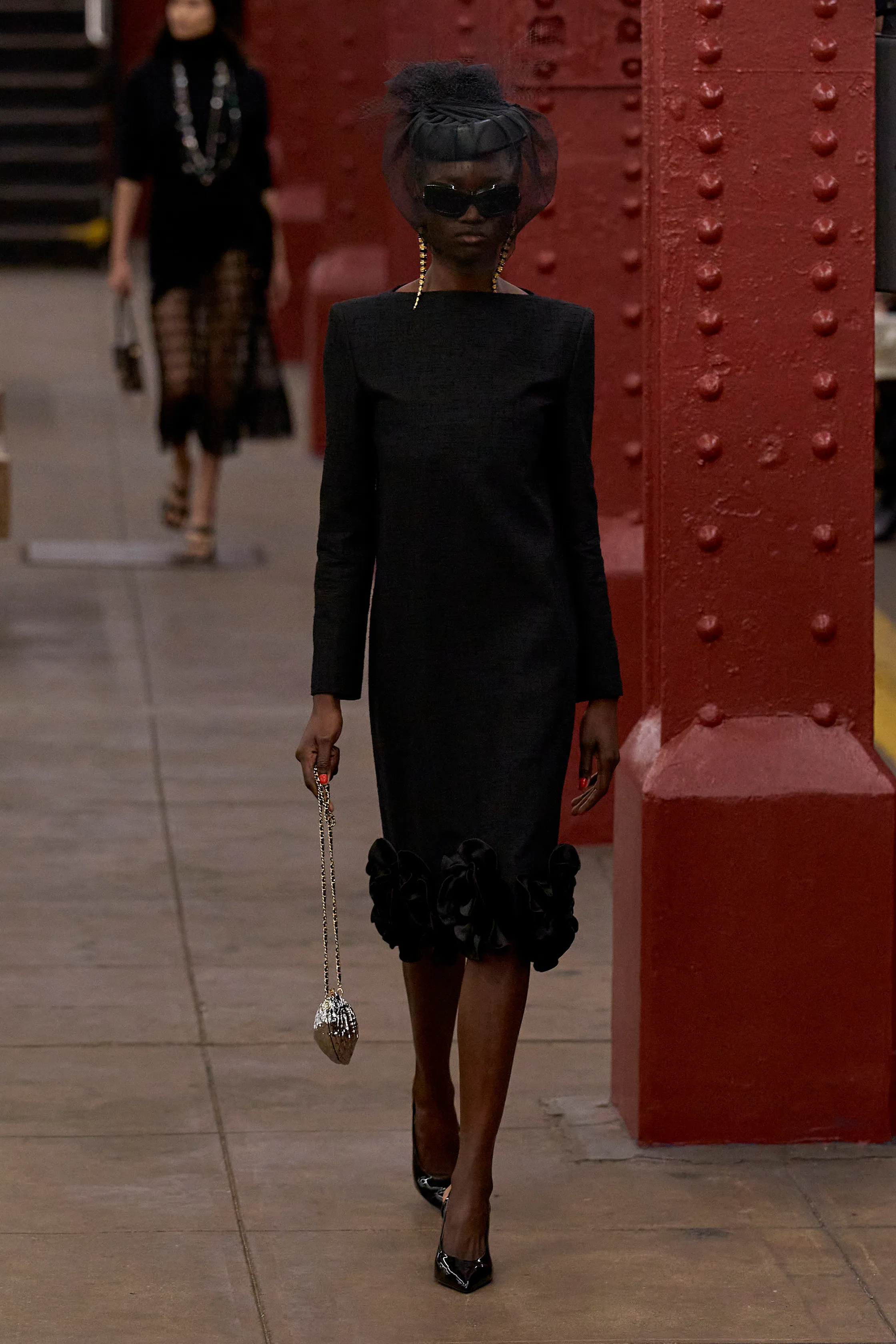
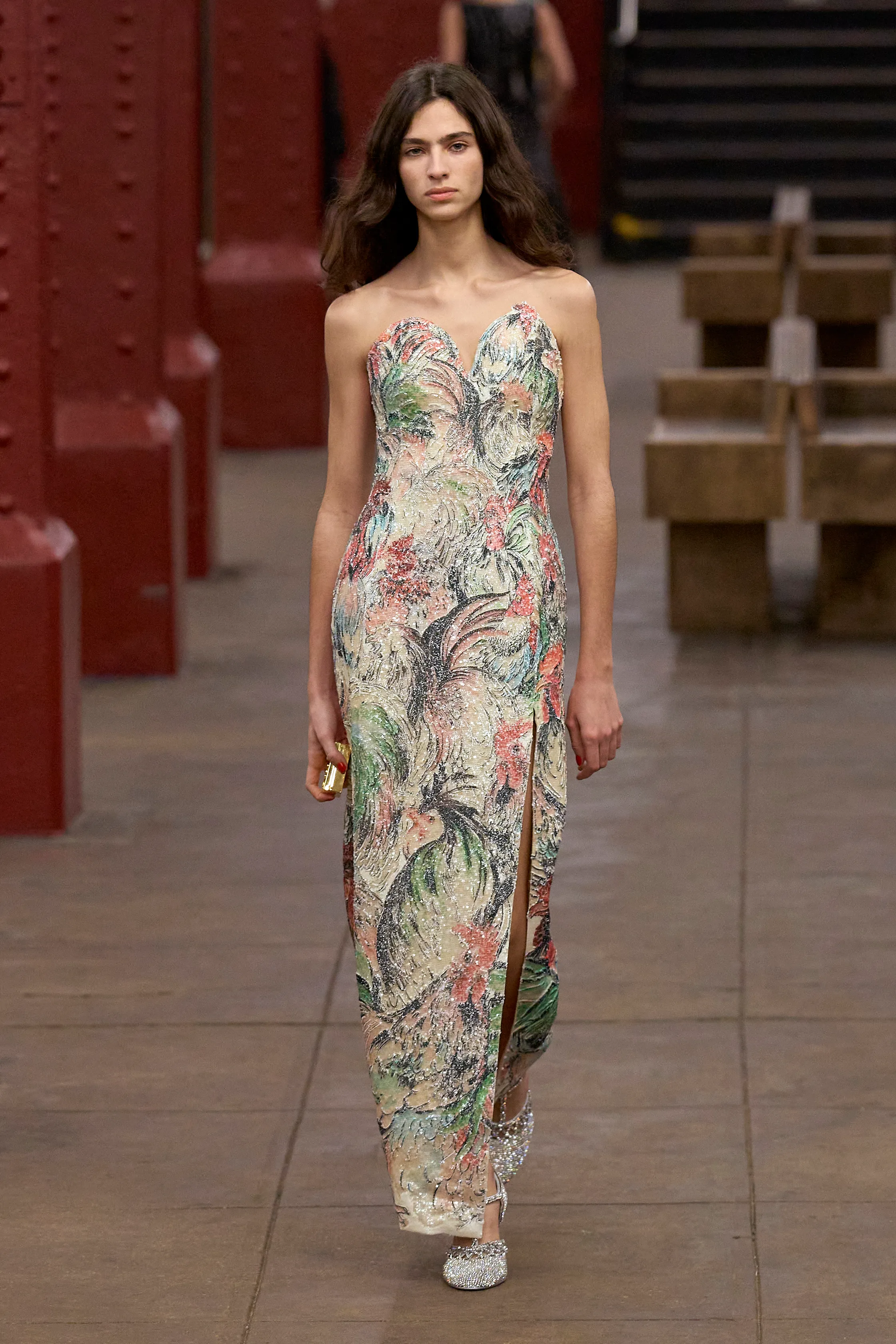
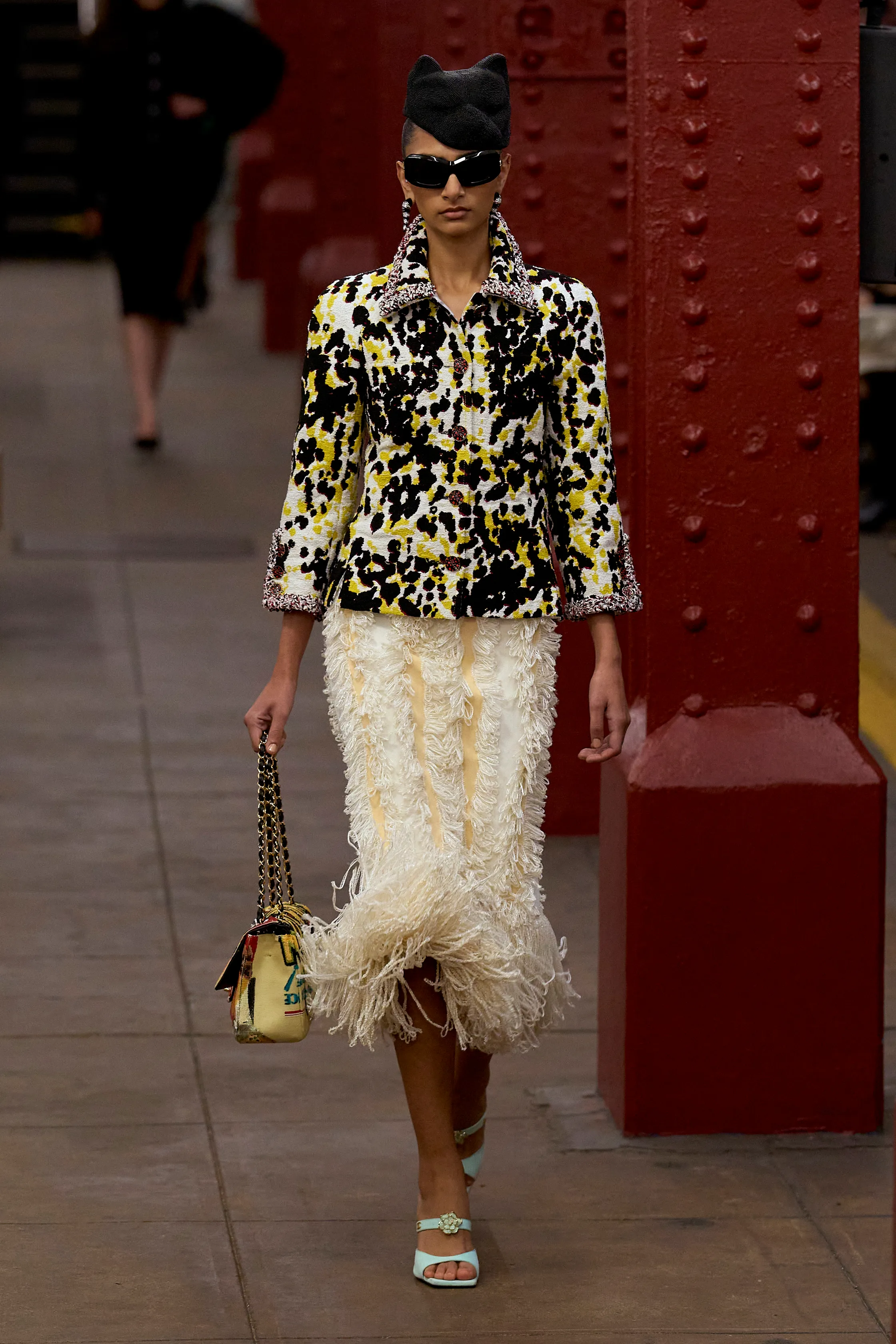
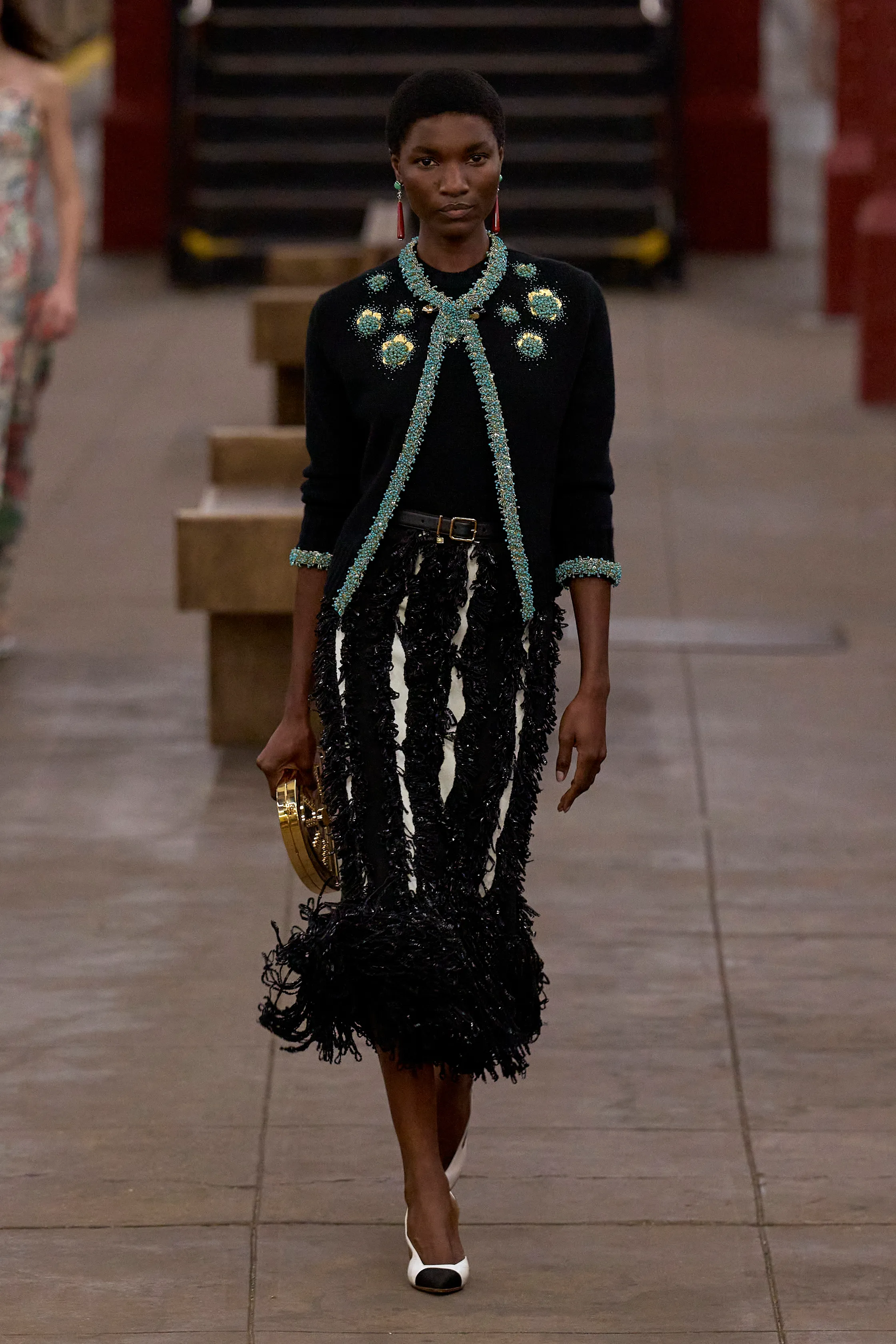
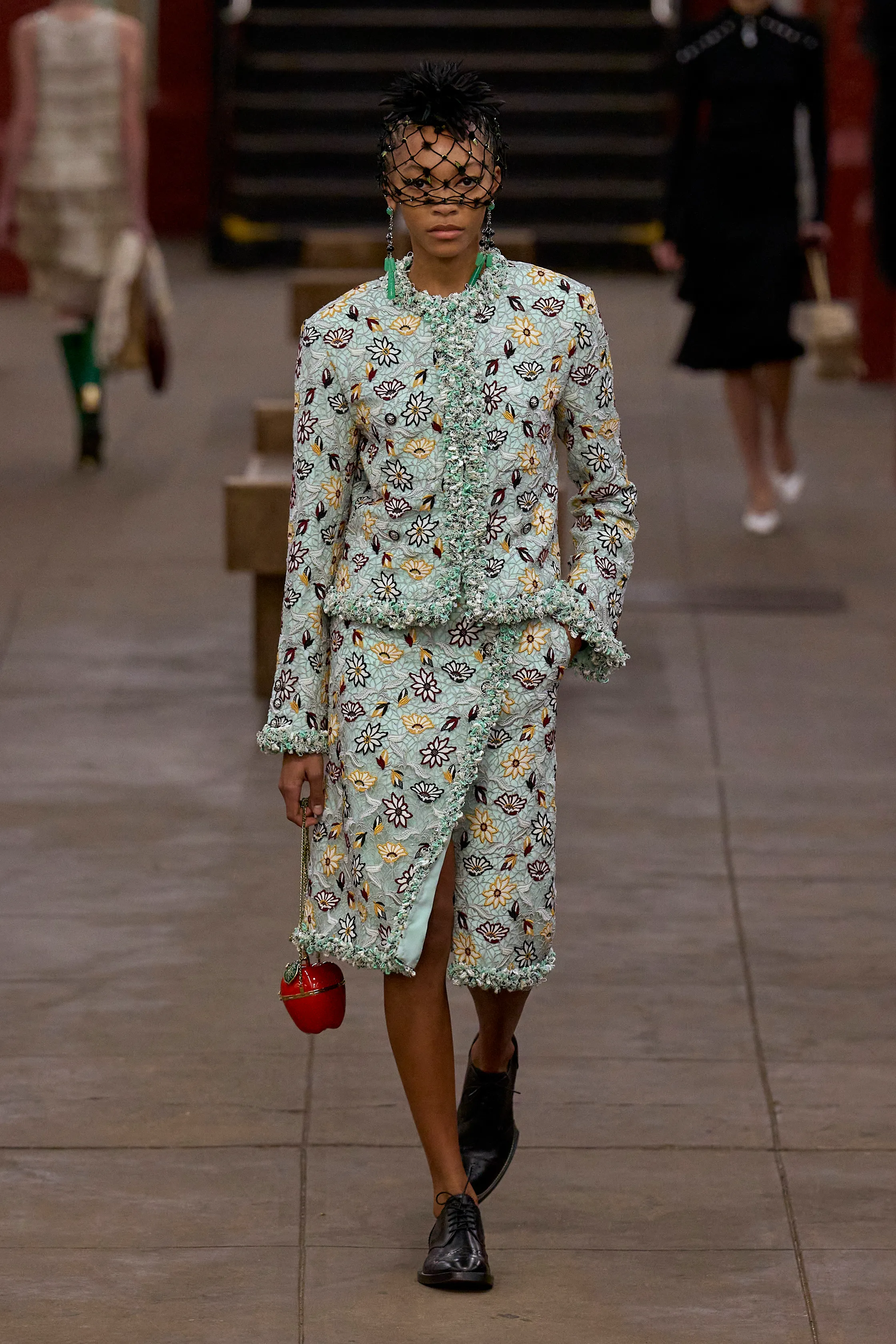
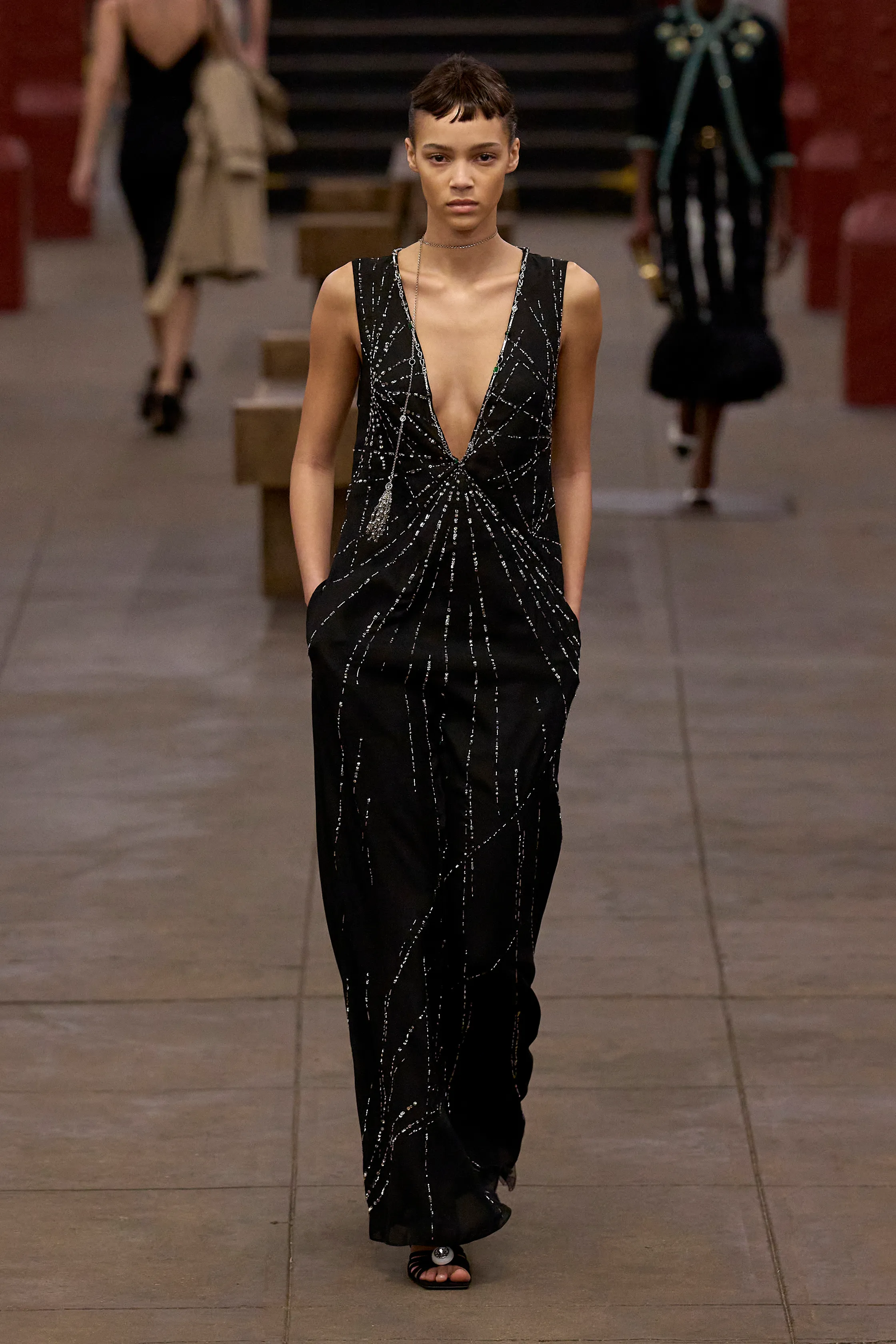
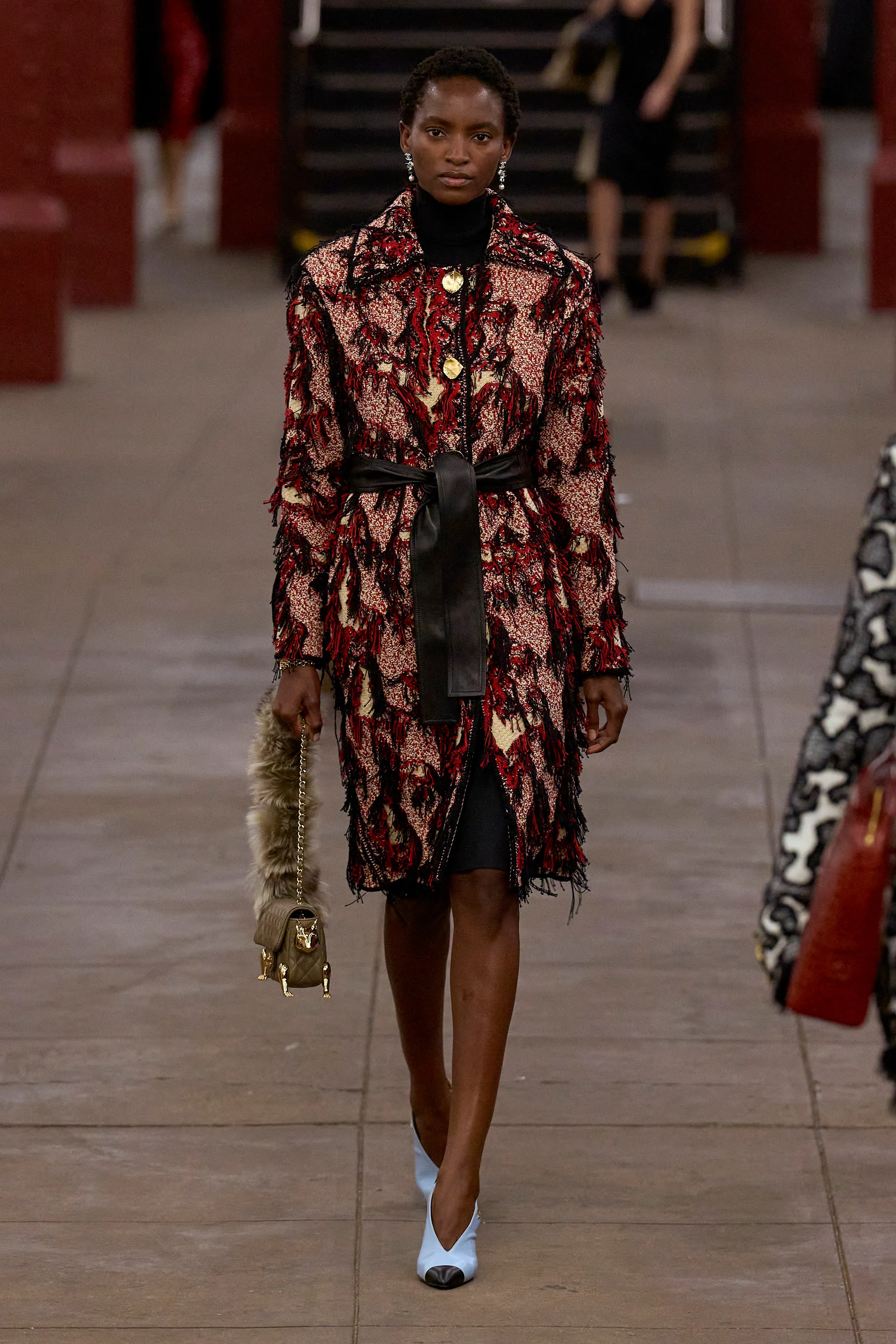
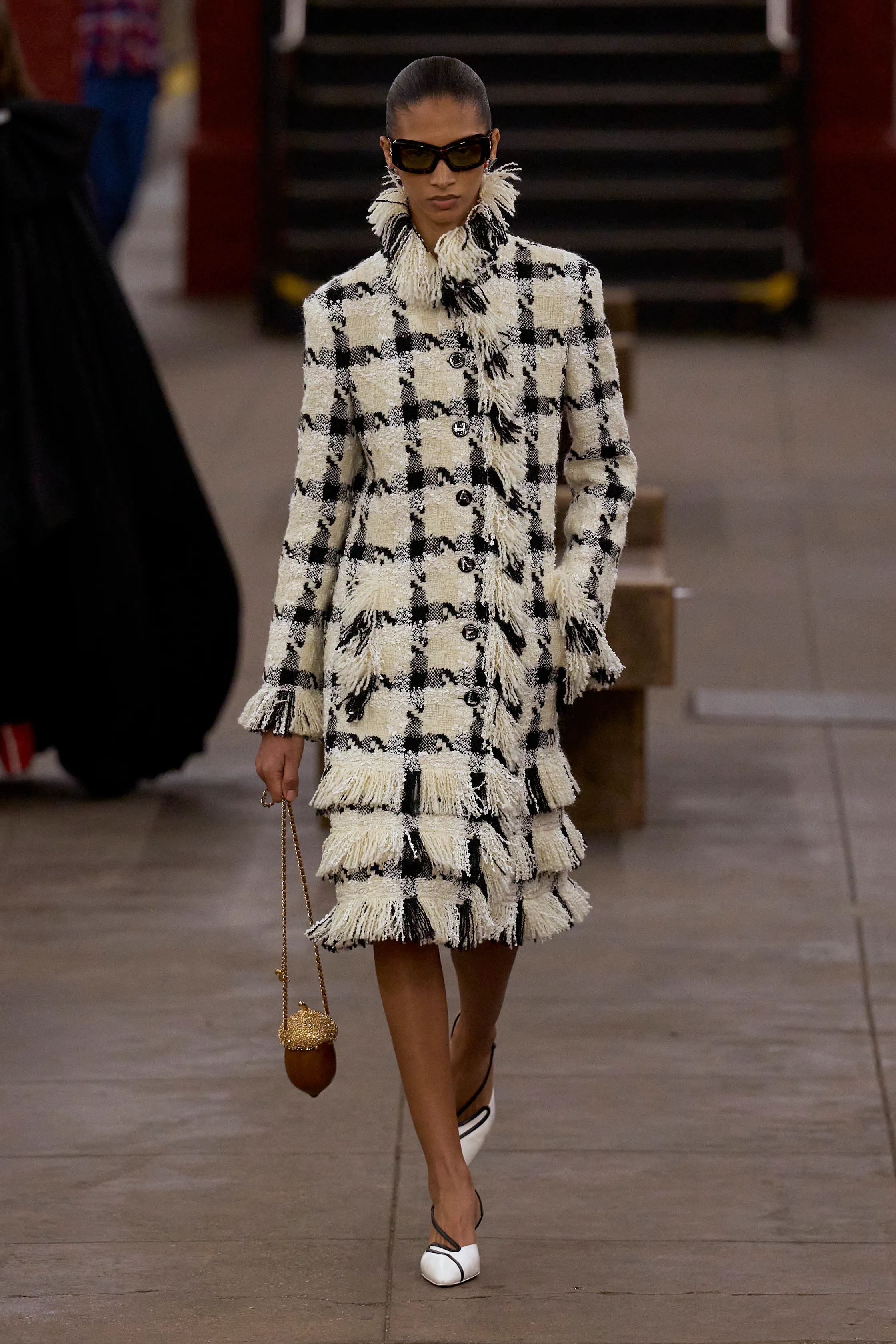
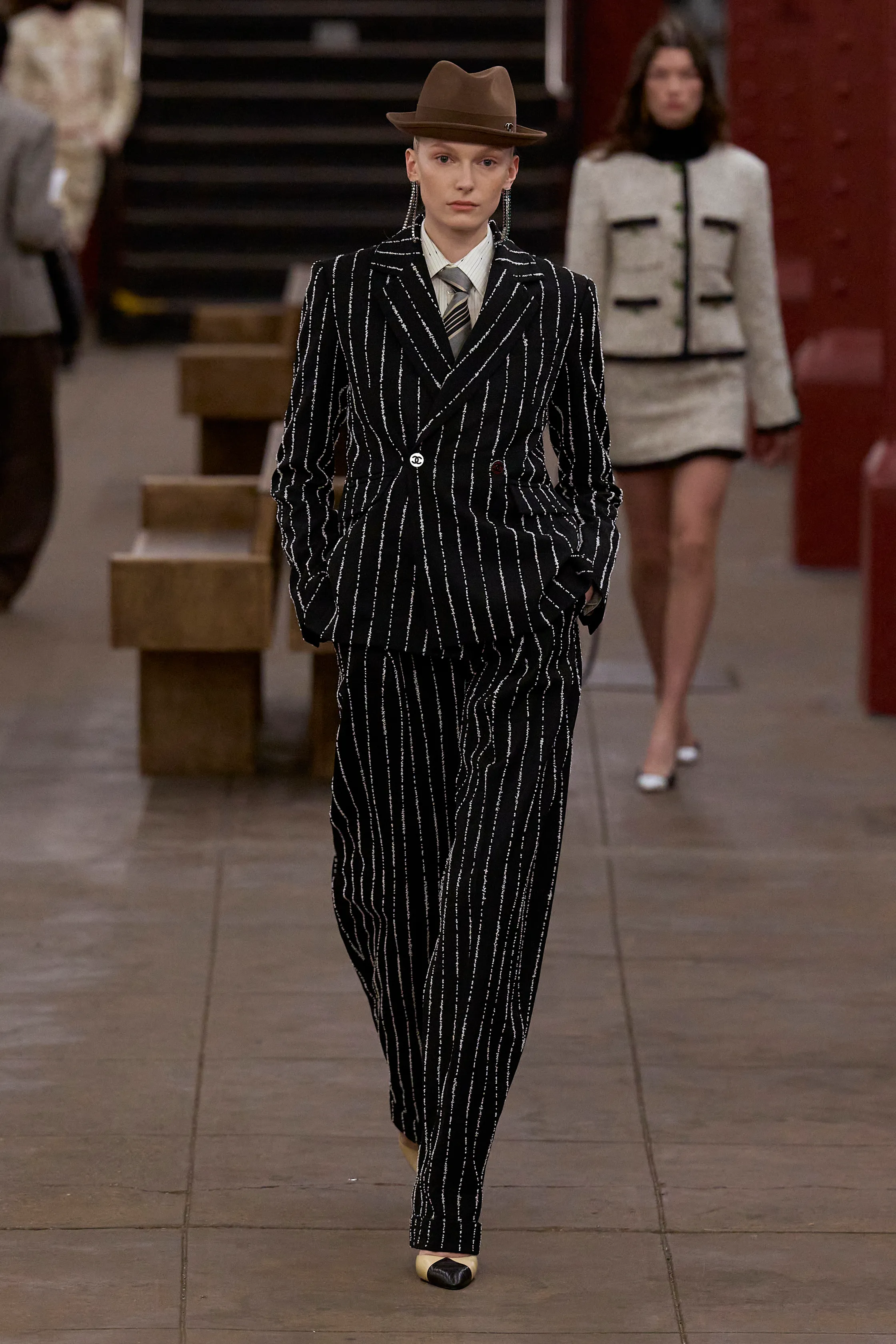
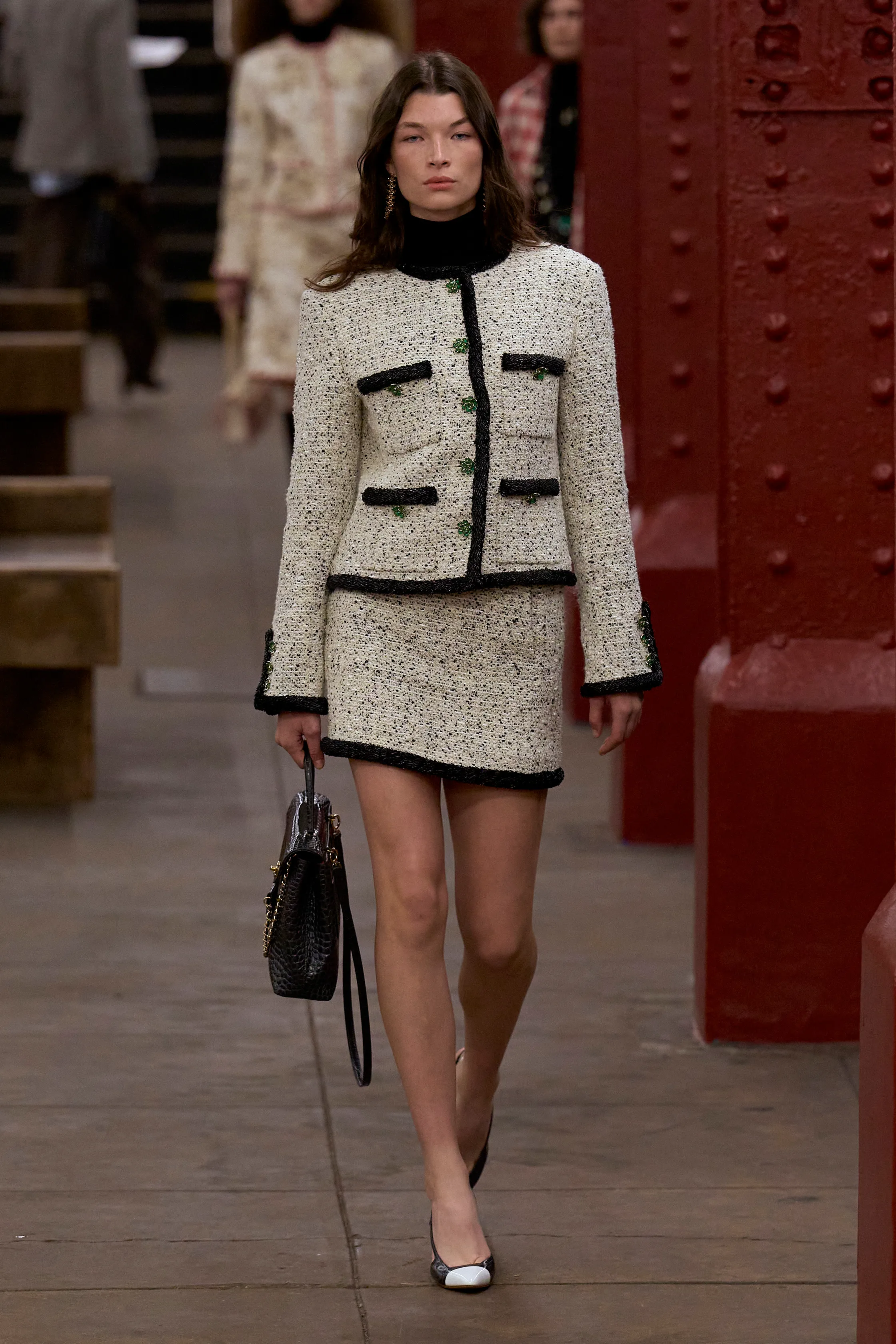
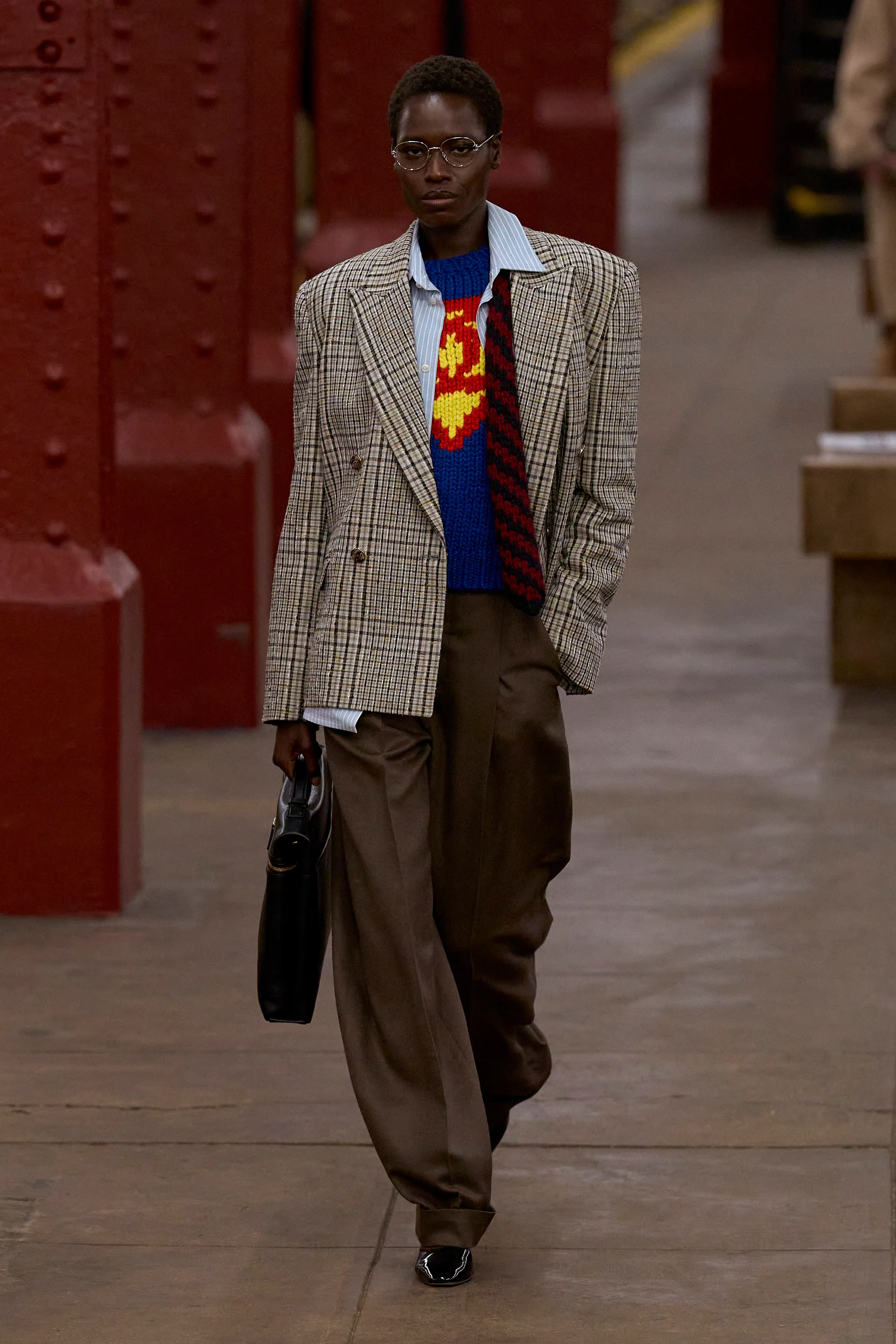
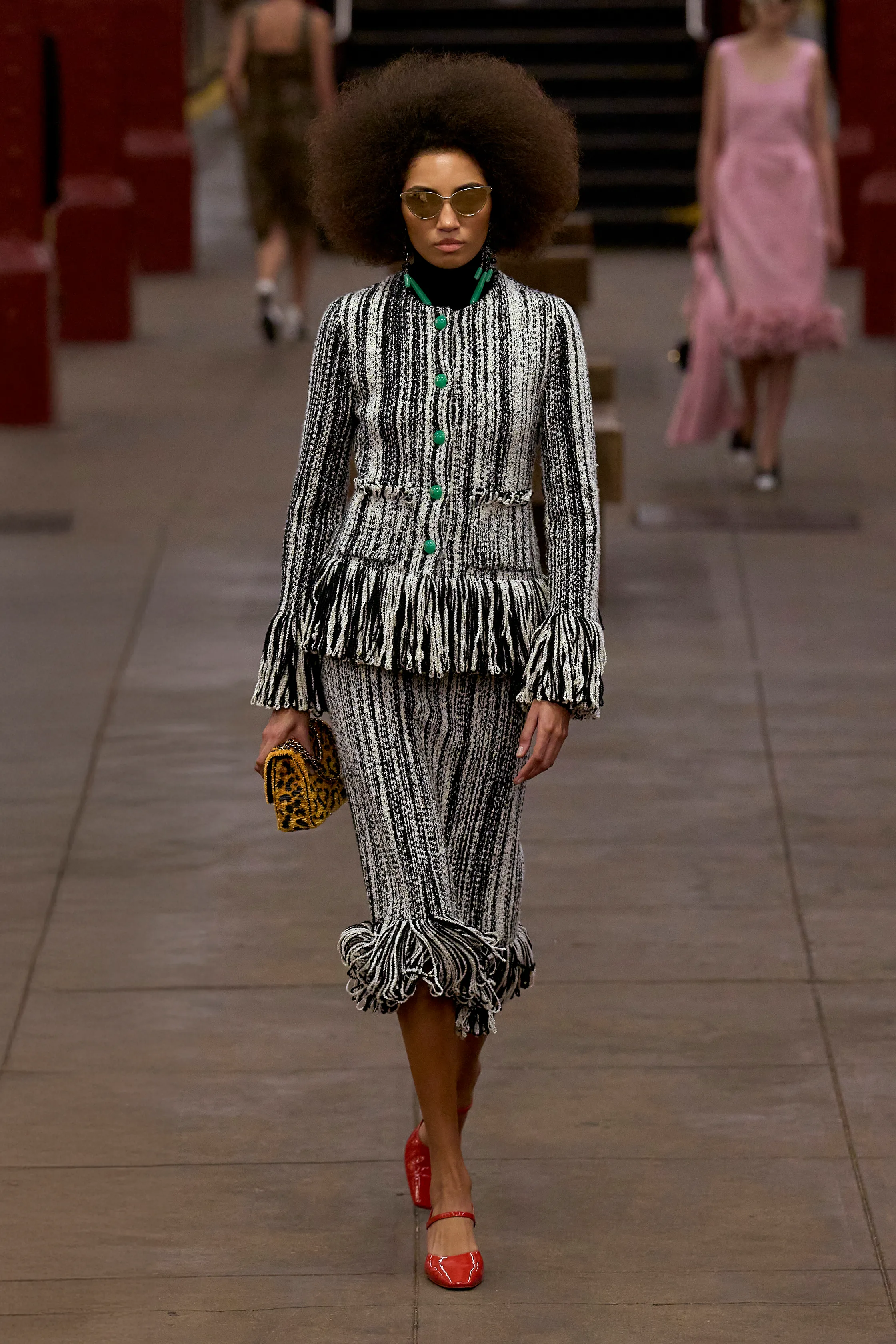
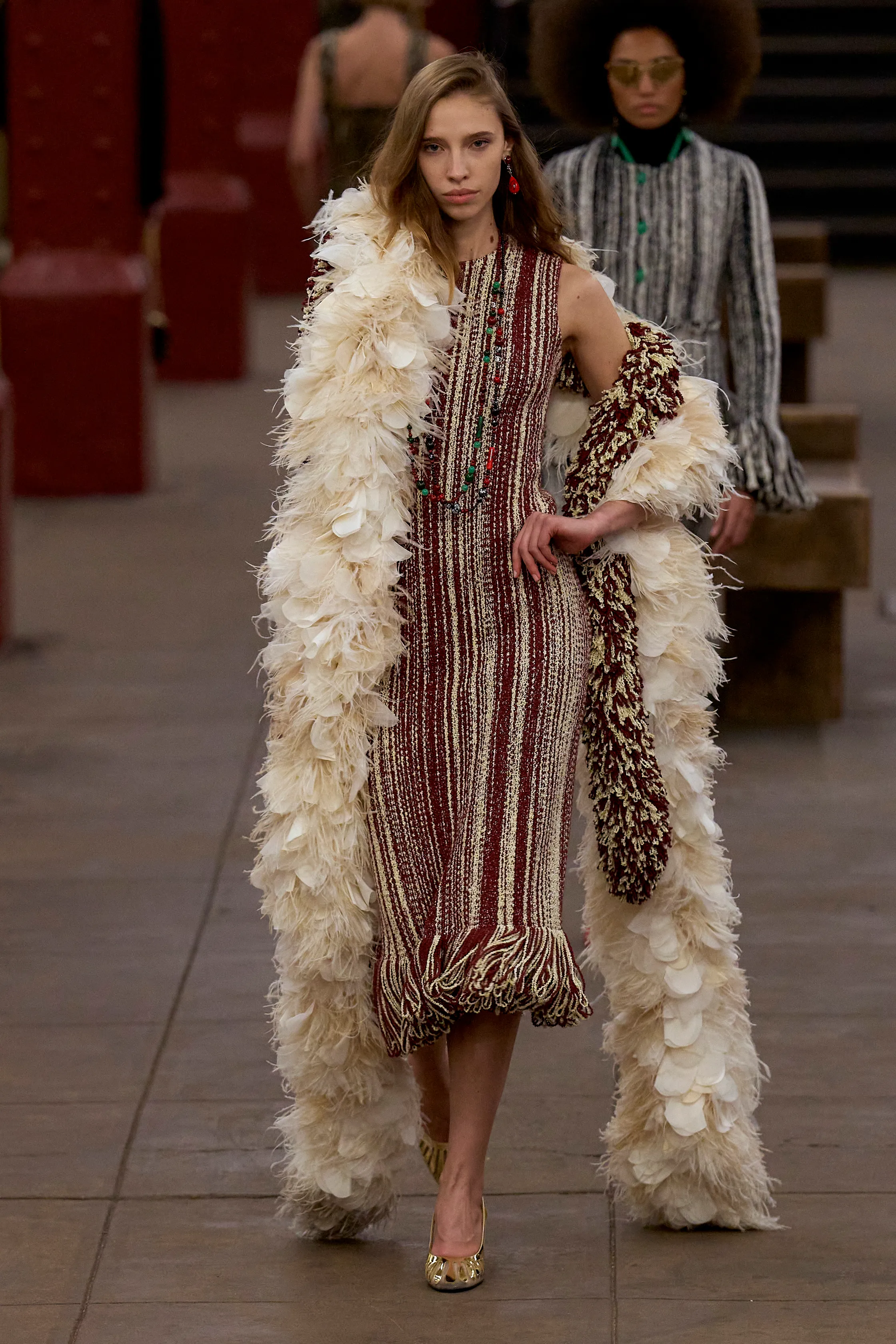
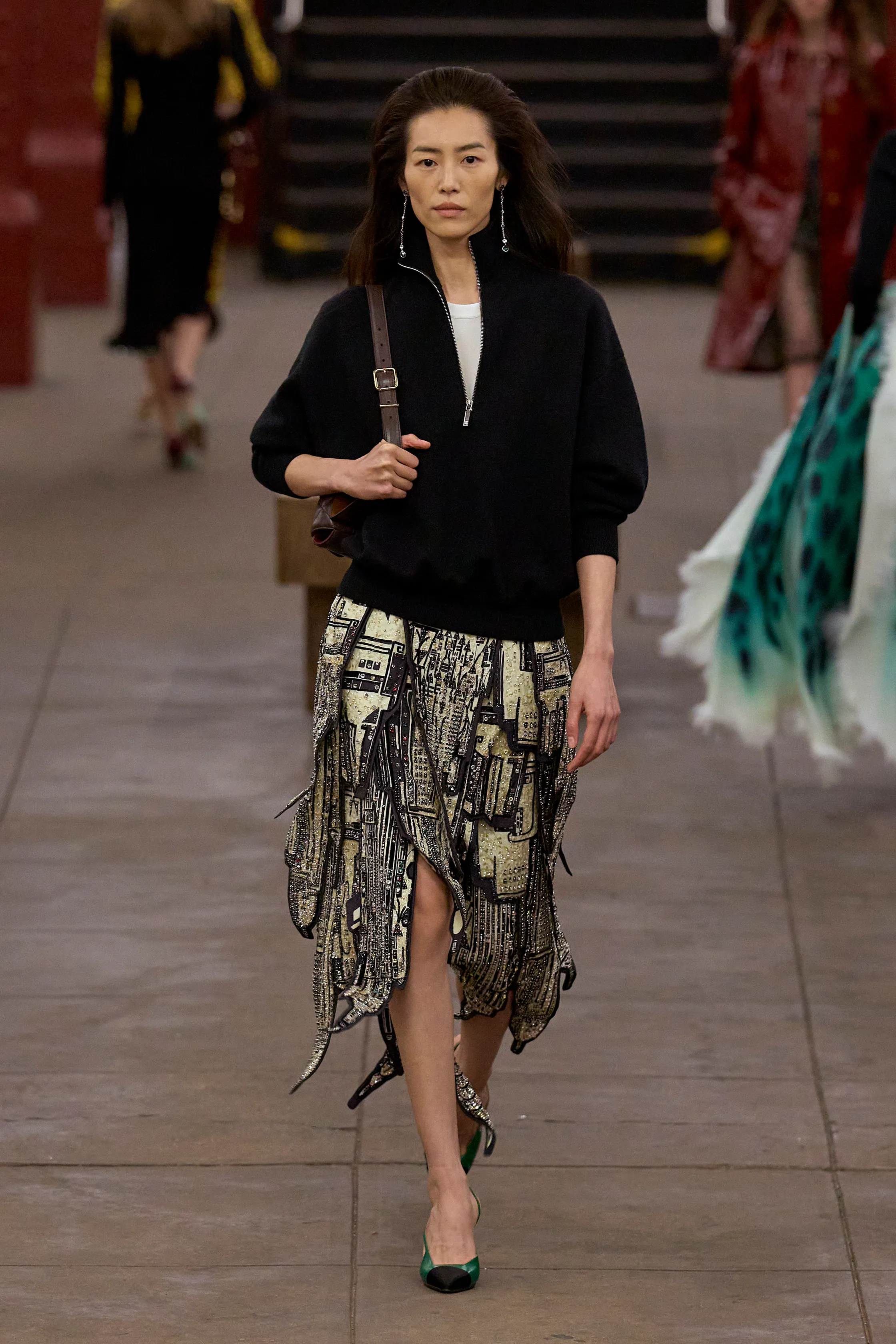
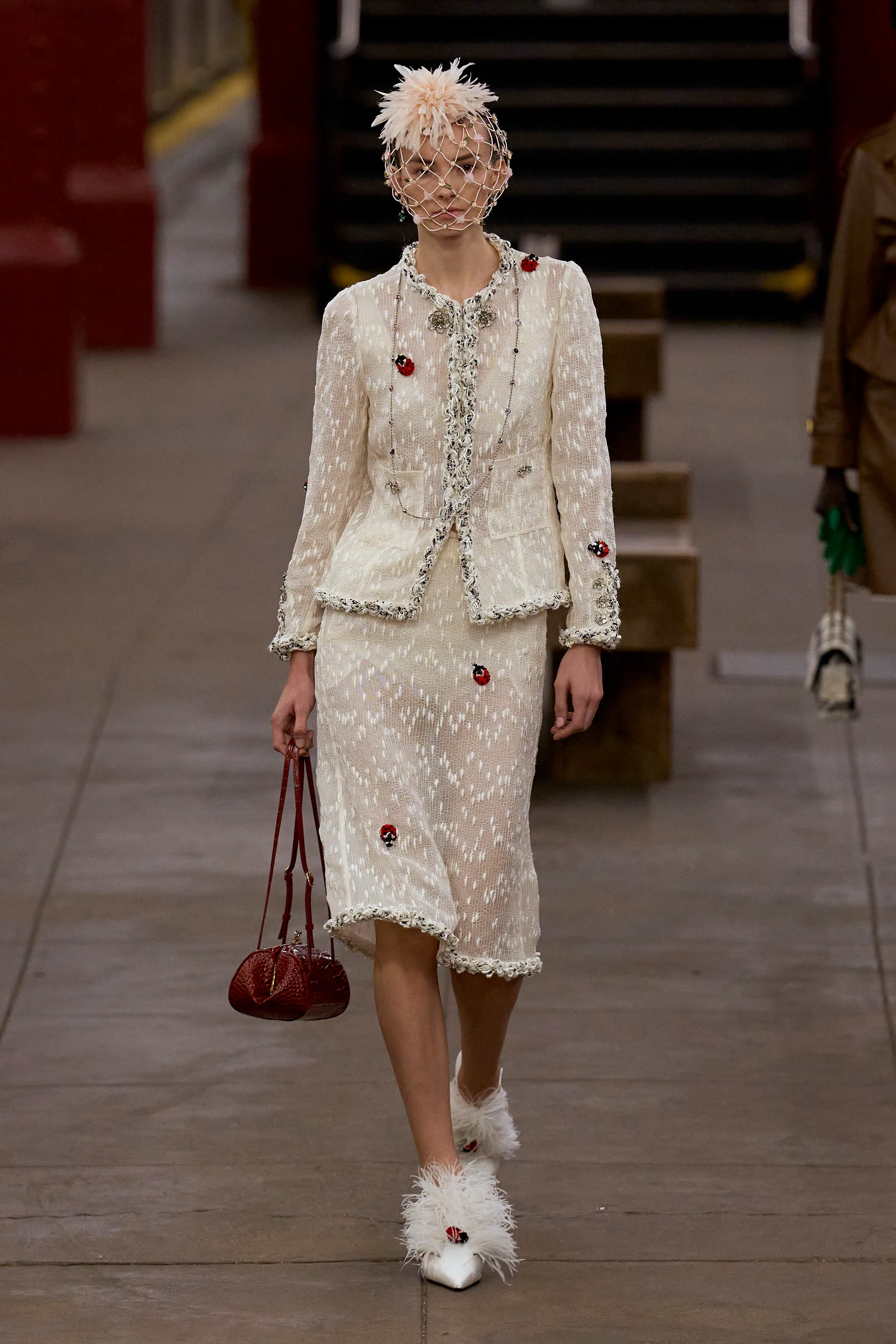
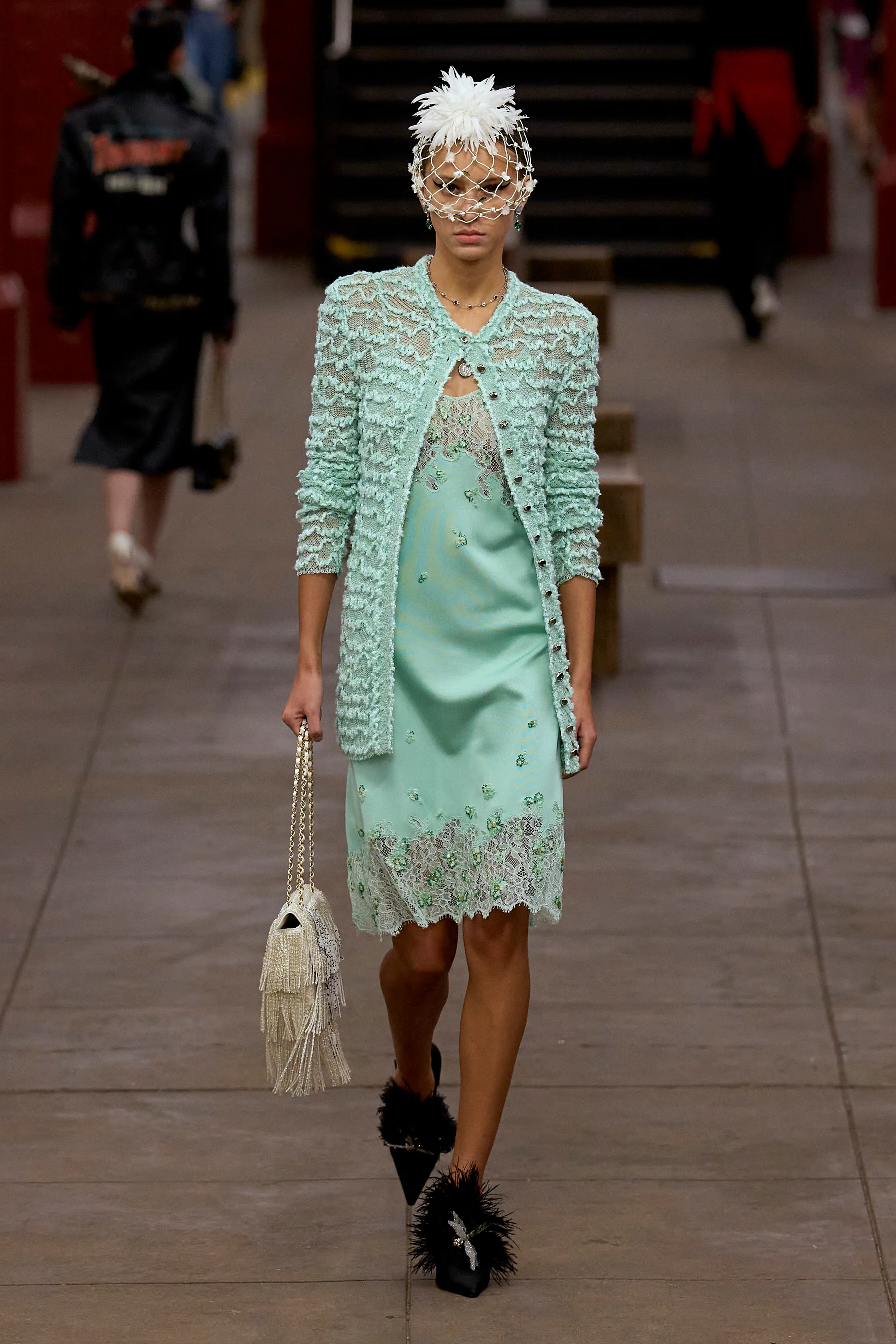
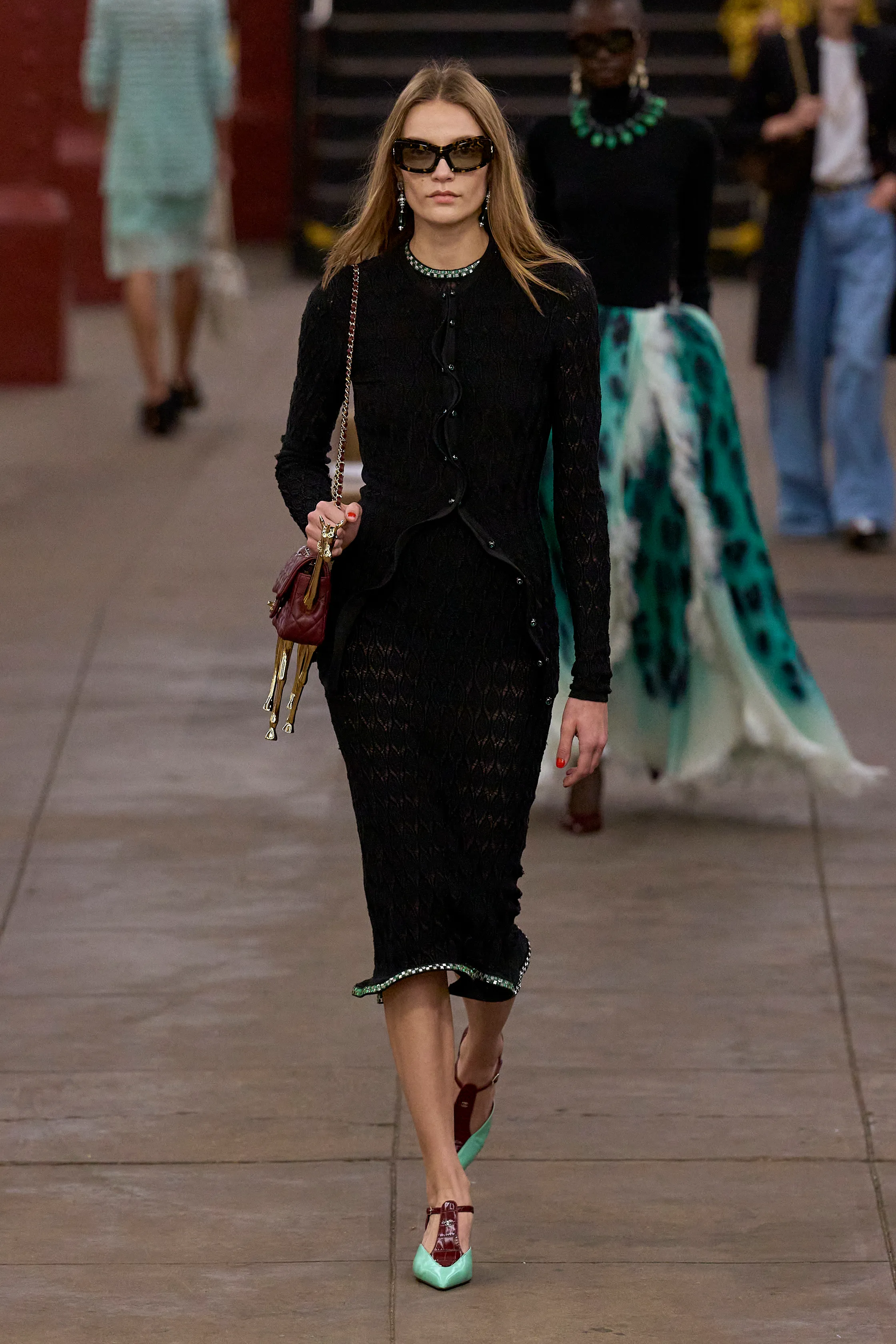
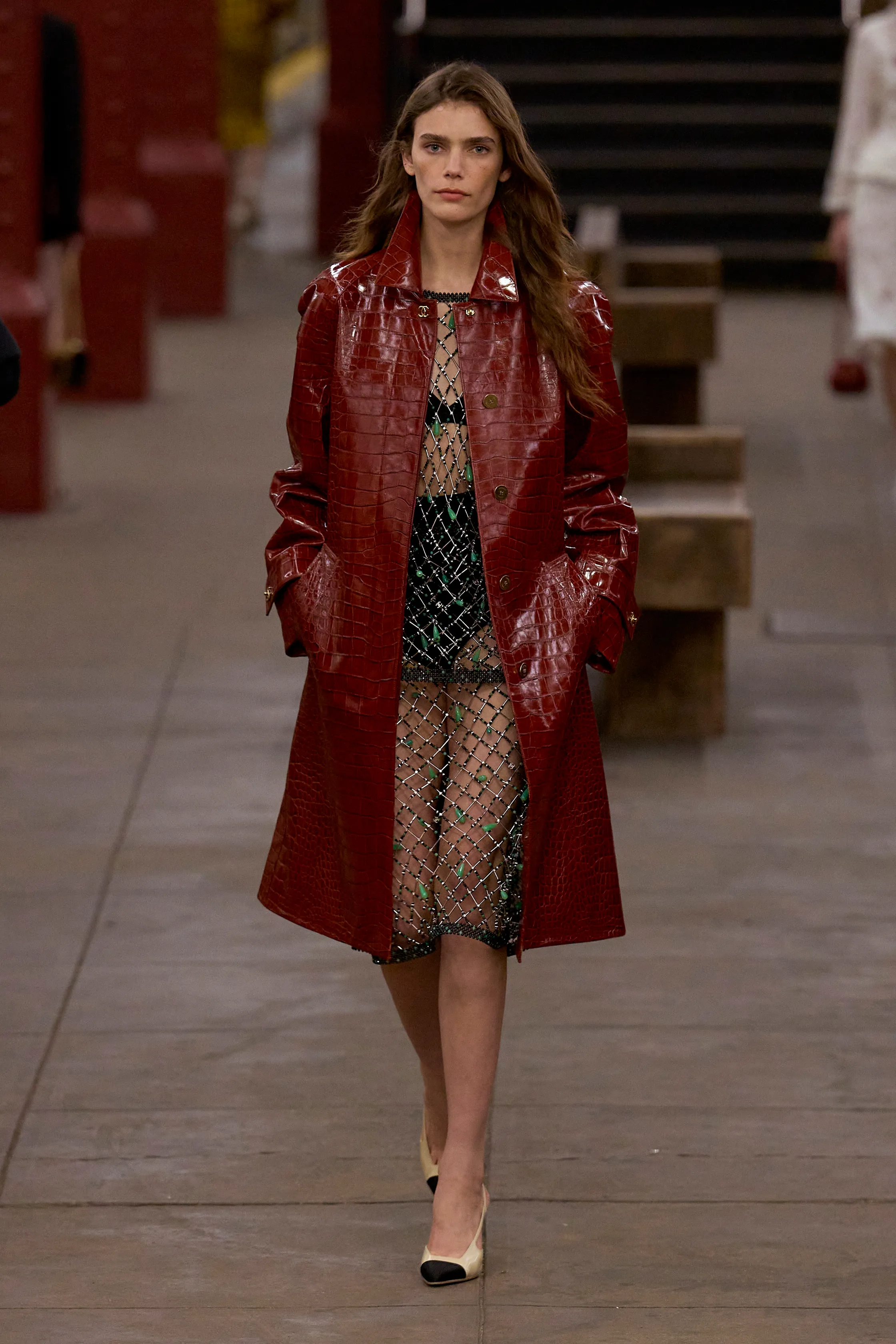
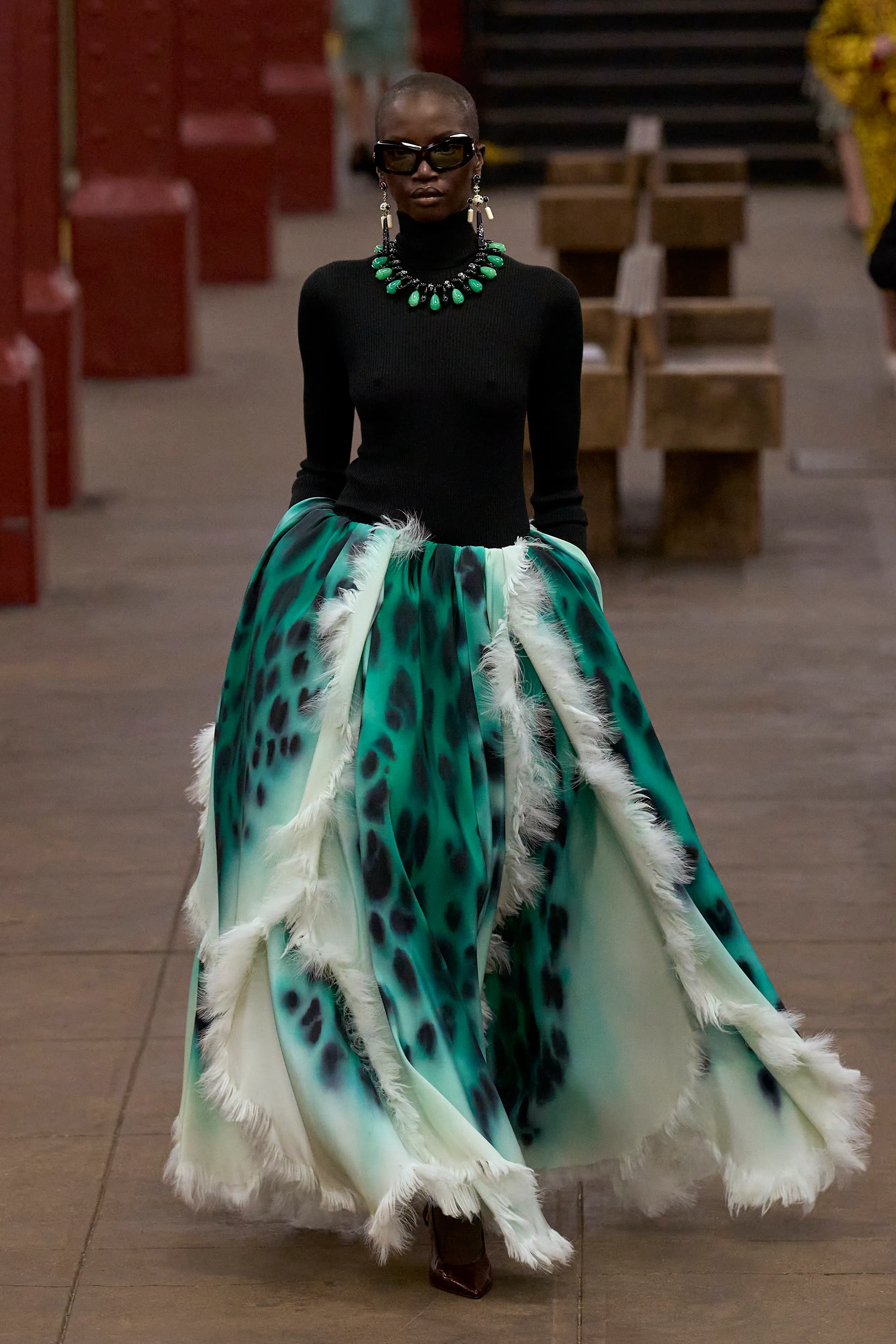
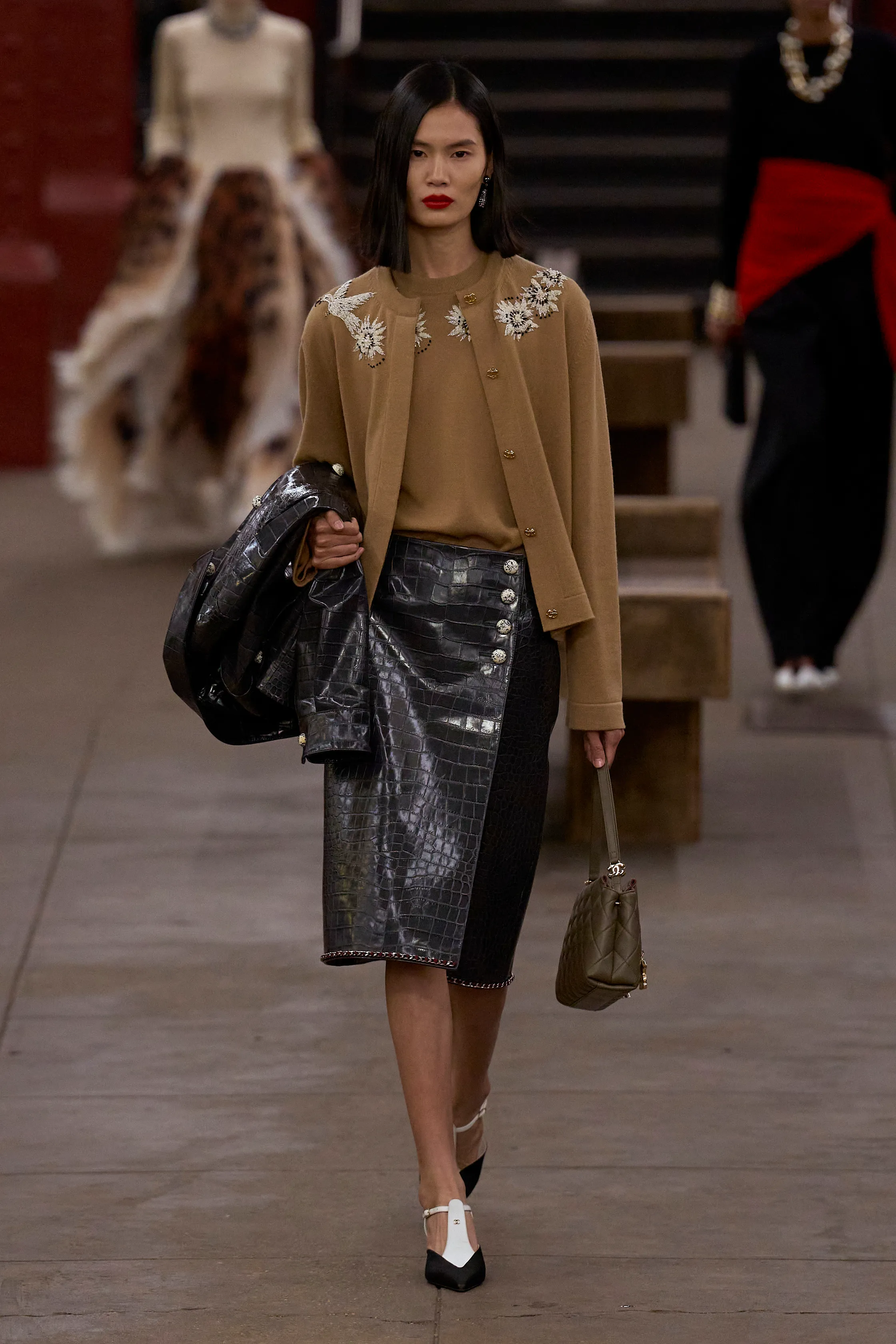
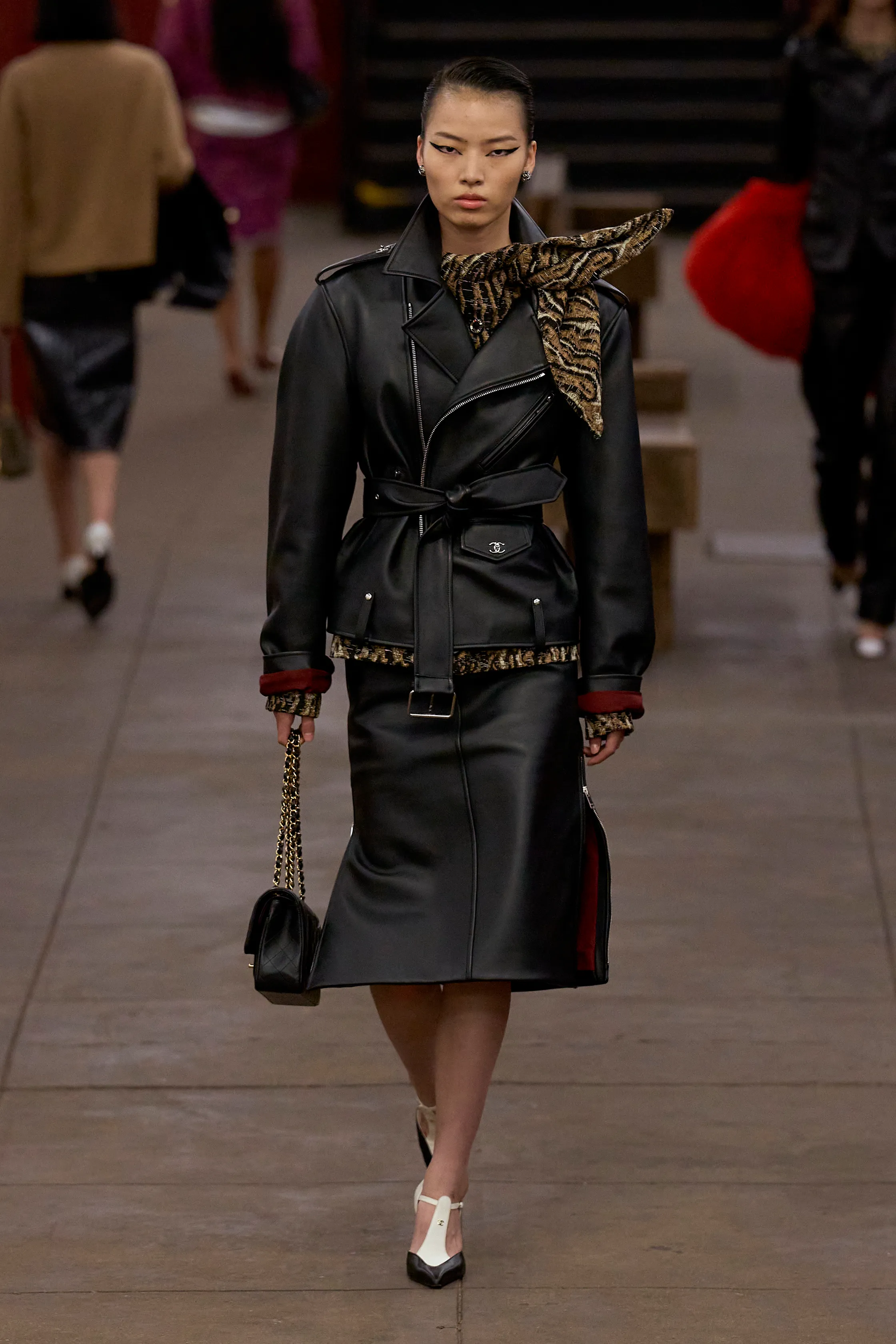
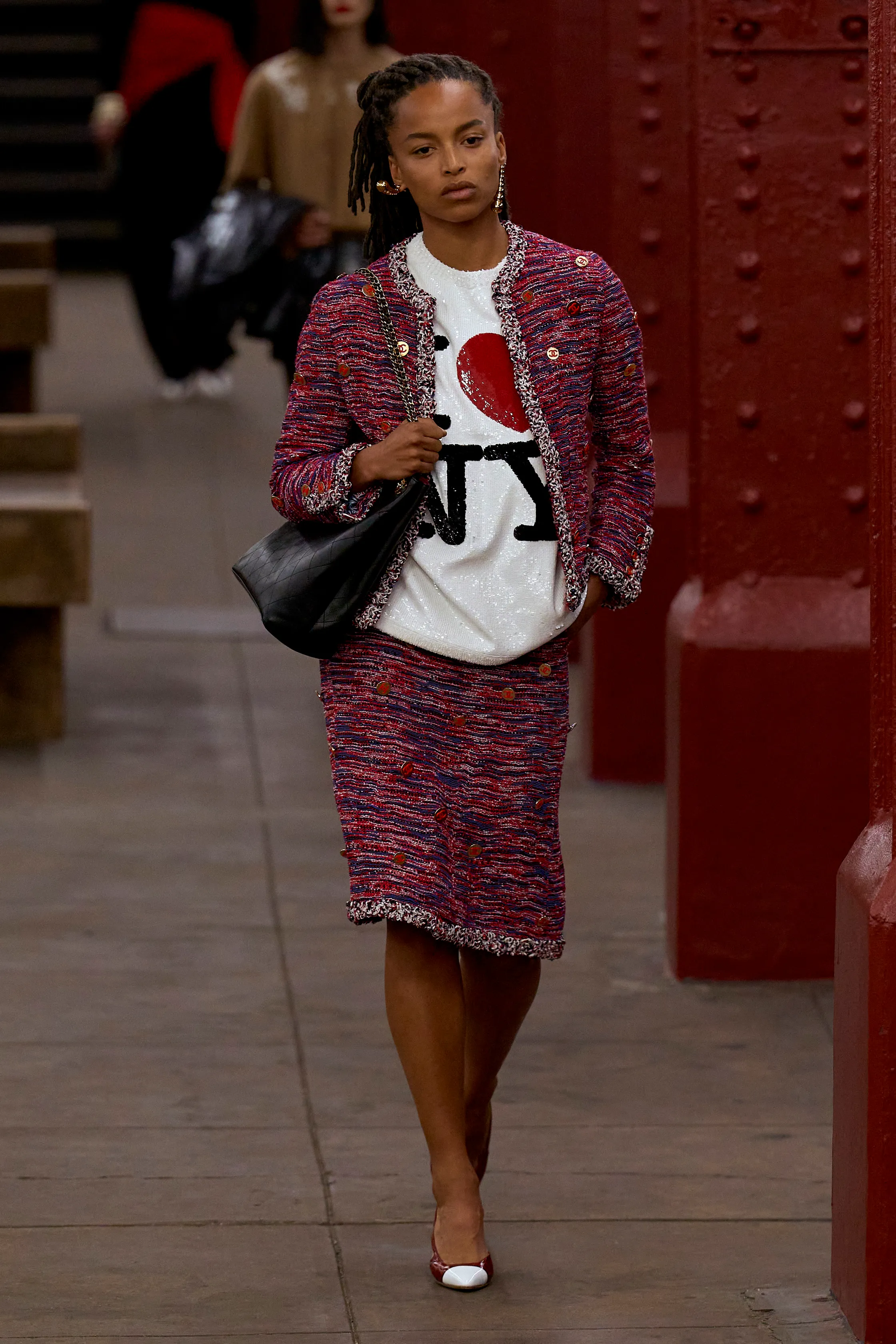
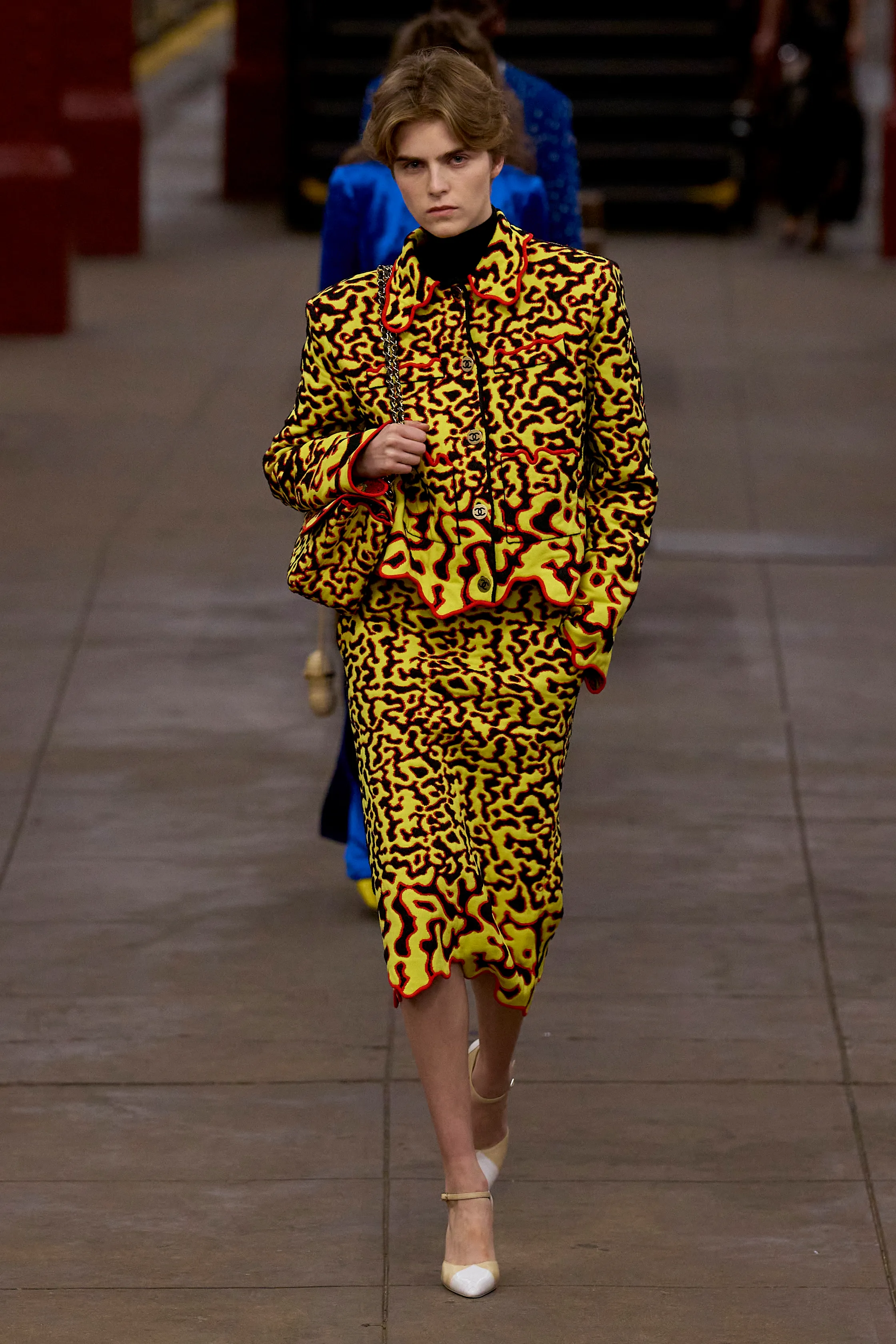
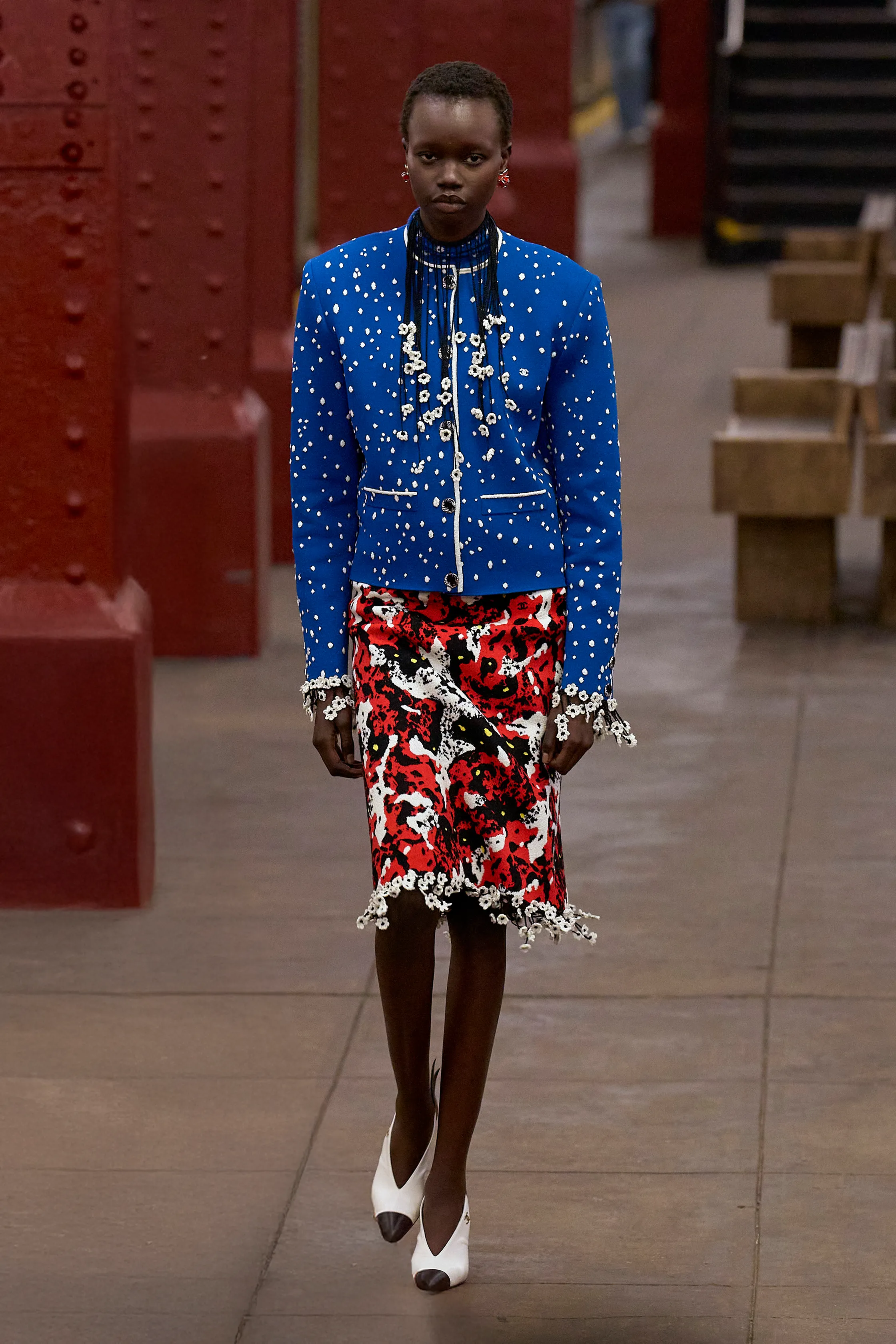
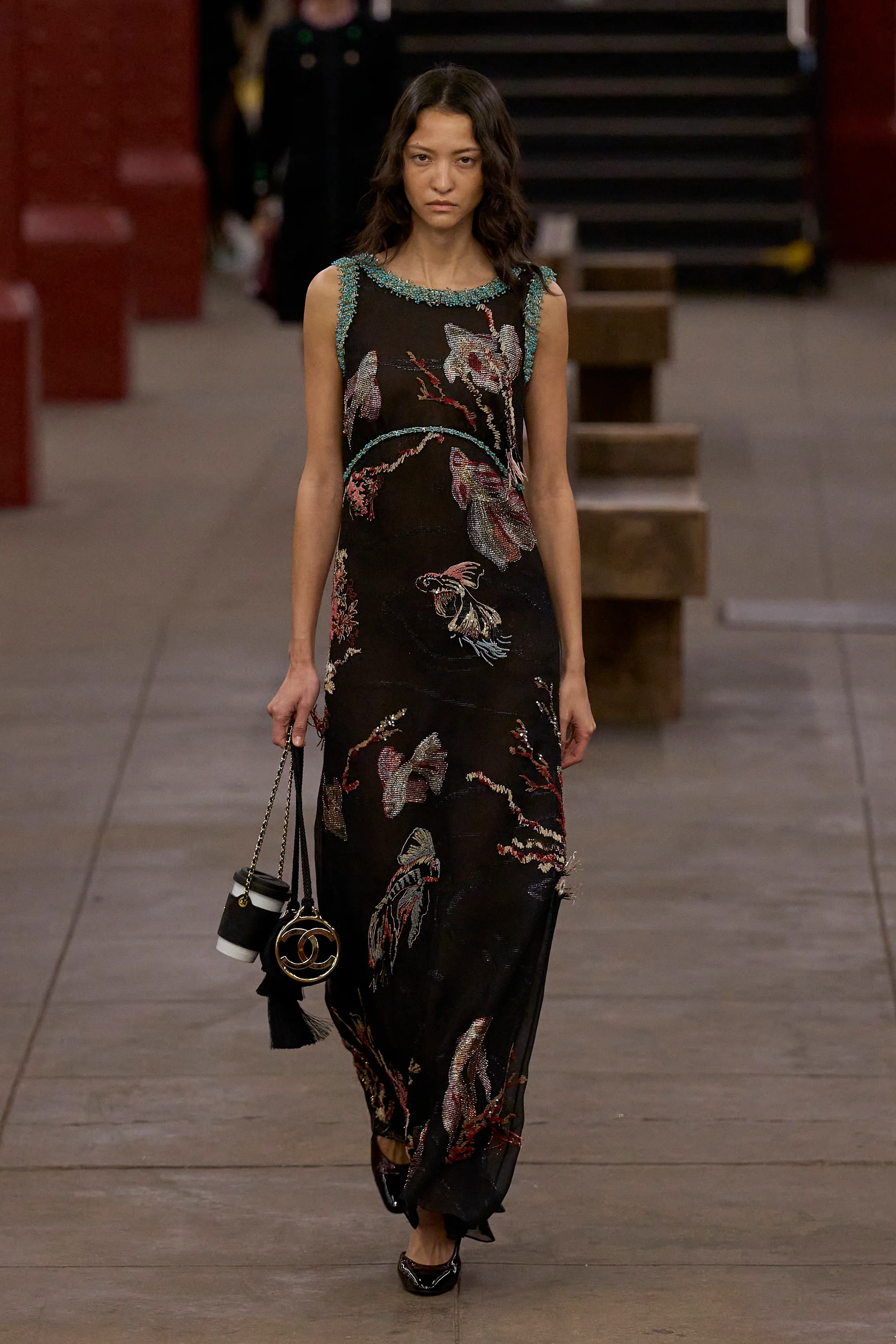
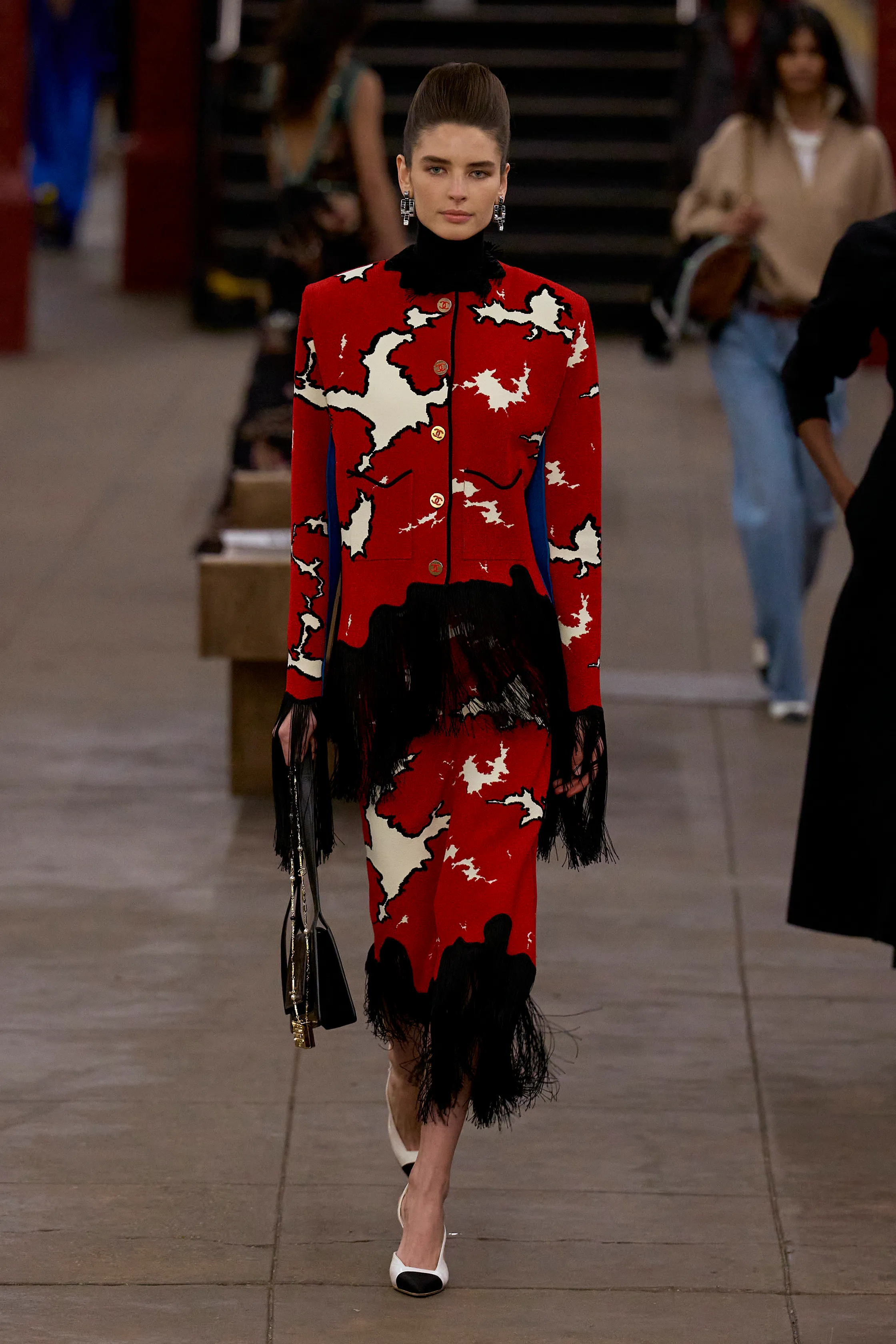
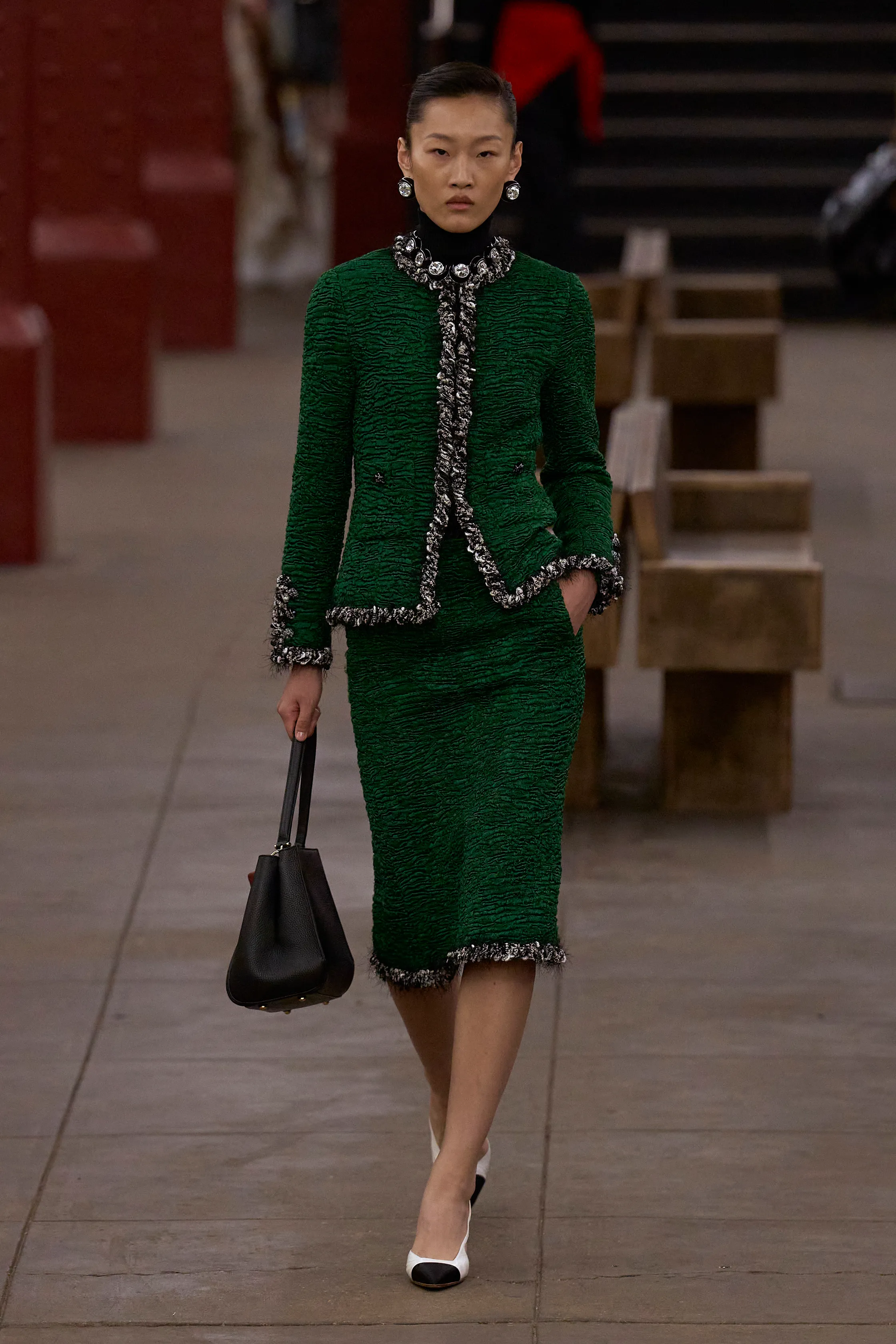
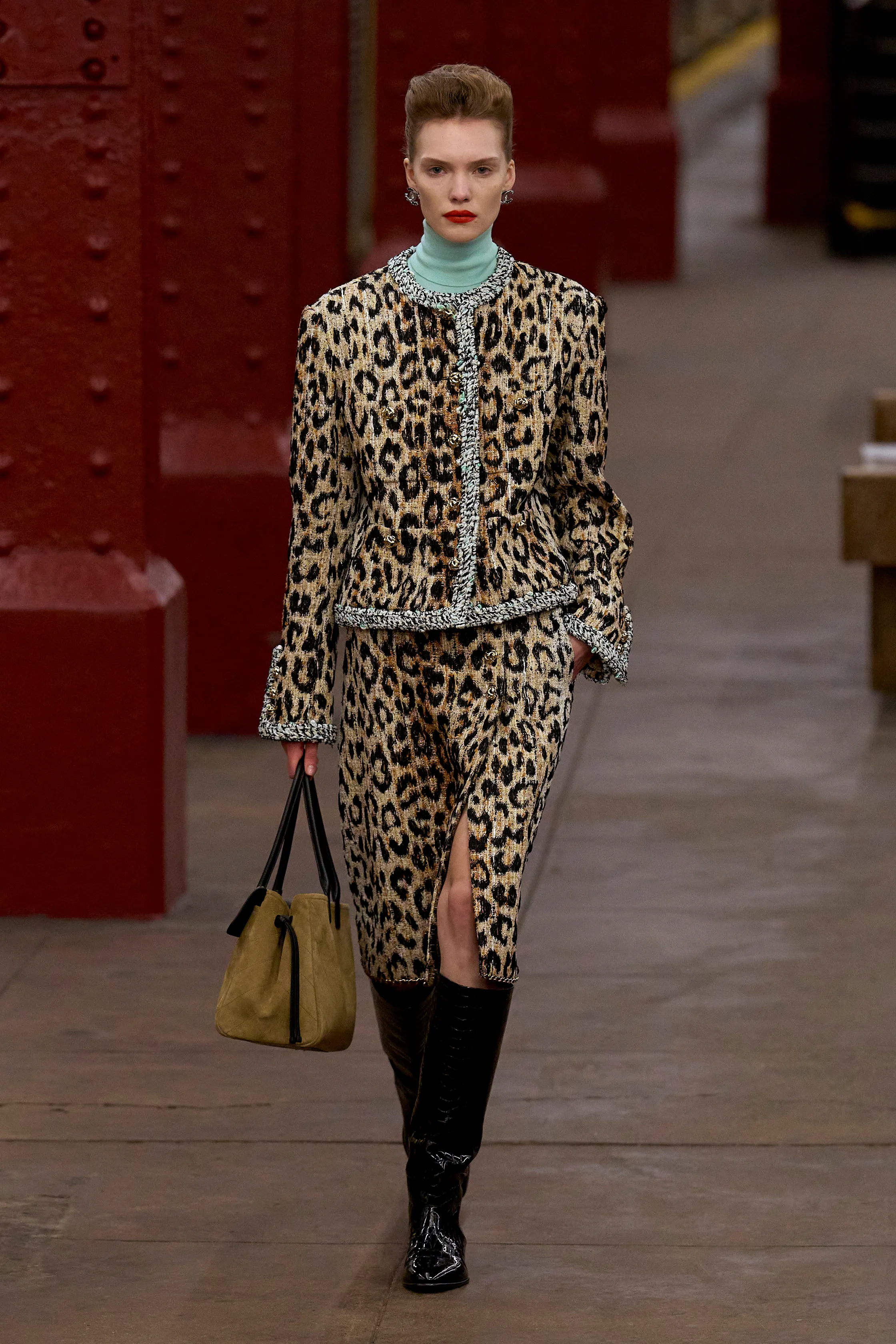
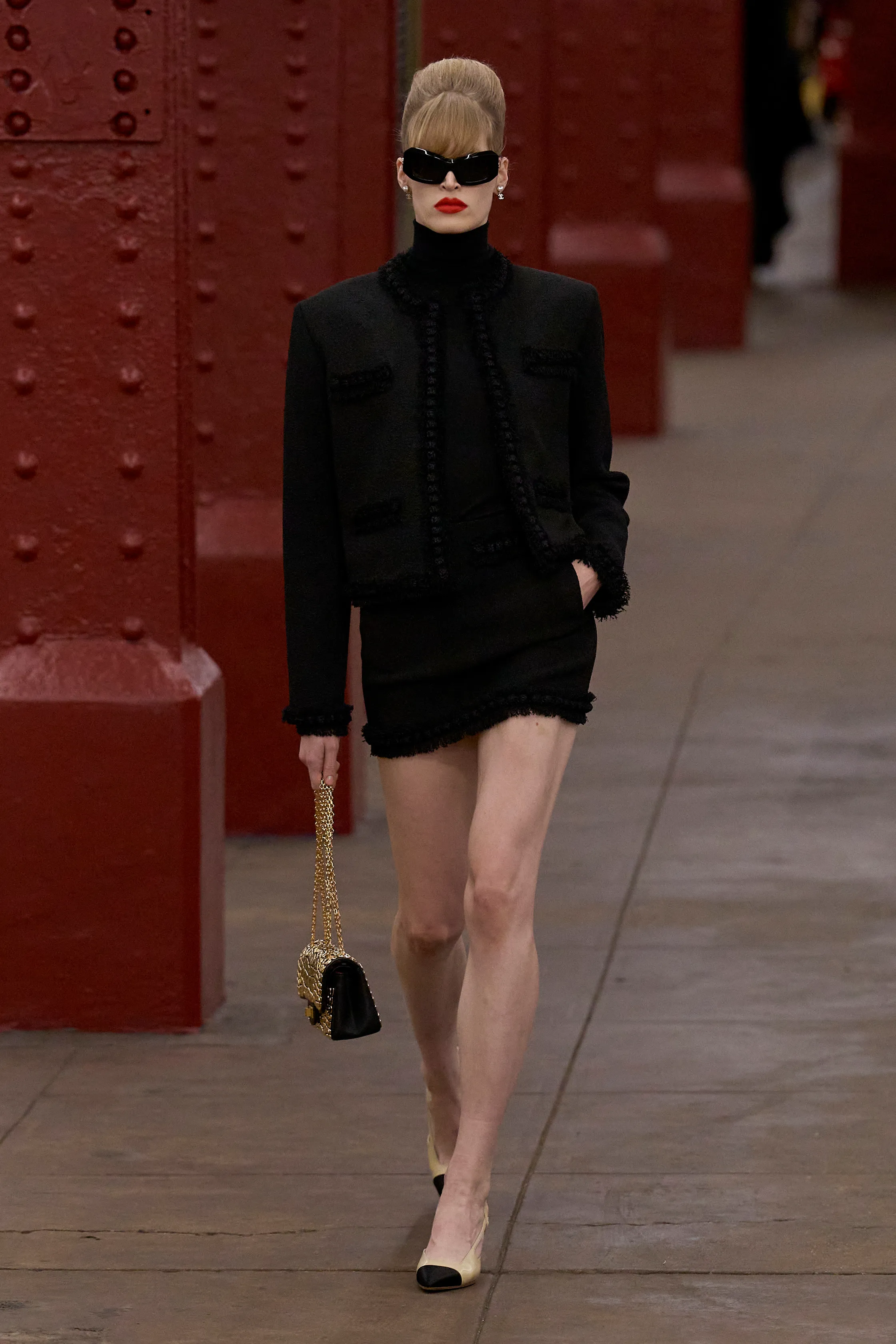
Courtesy of Chanel.
Courtesy of Chanel.
Courtesy of Chanel.
Discover More Stories
Discover More Stories
Discover More Stories
Tap Anywhere
Tap Anywhere
Tap Anywhere
Fashion
Fashion